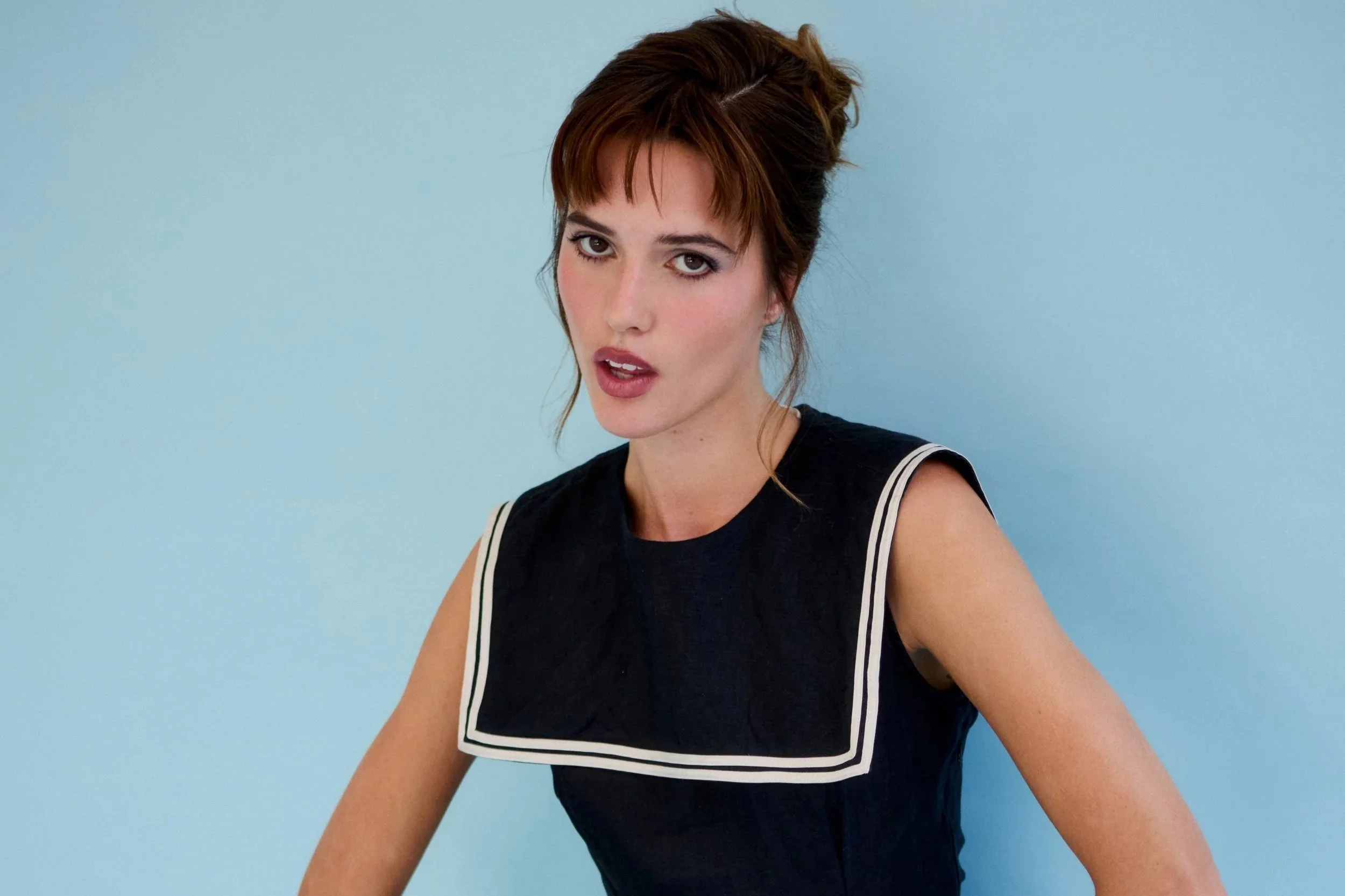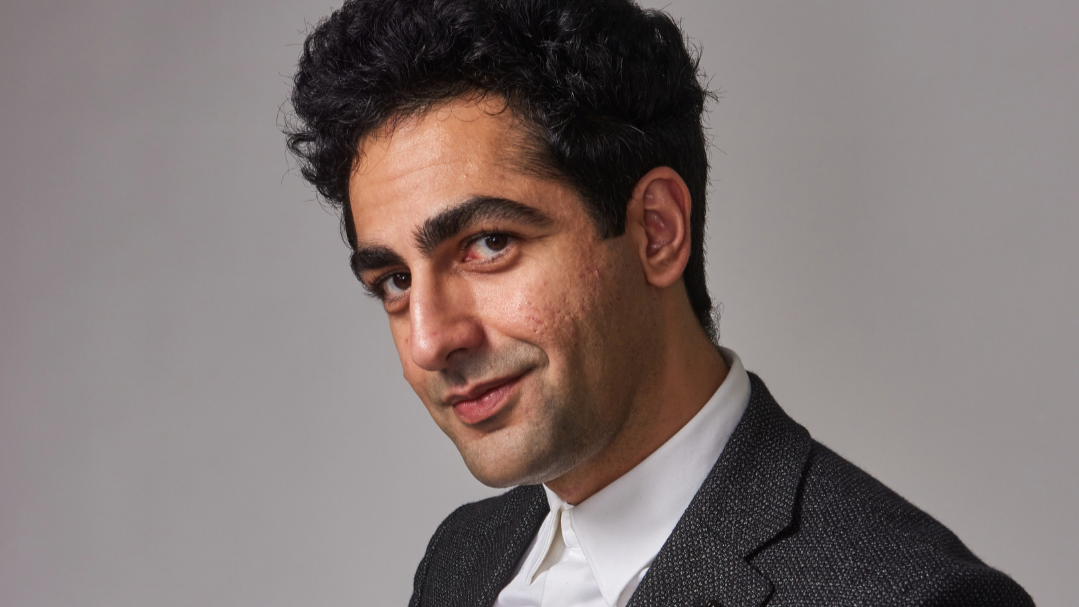

Kevin Moon’s path toward a solo debut began long before he had the freedom to define one entirely on his own terms. Born in Gwangju and raised near Vancouver, he pursued music from an early age before returning to South Korea and appearing on K-pop Star 6. By the end of 2017, Kevin had debuted as a member of THE BOYZ, entering an industry that demanded constant adaptation while placing his voice within the evolving identity of a larger group.
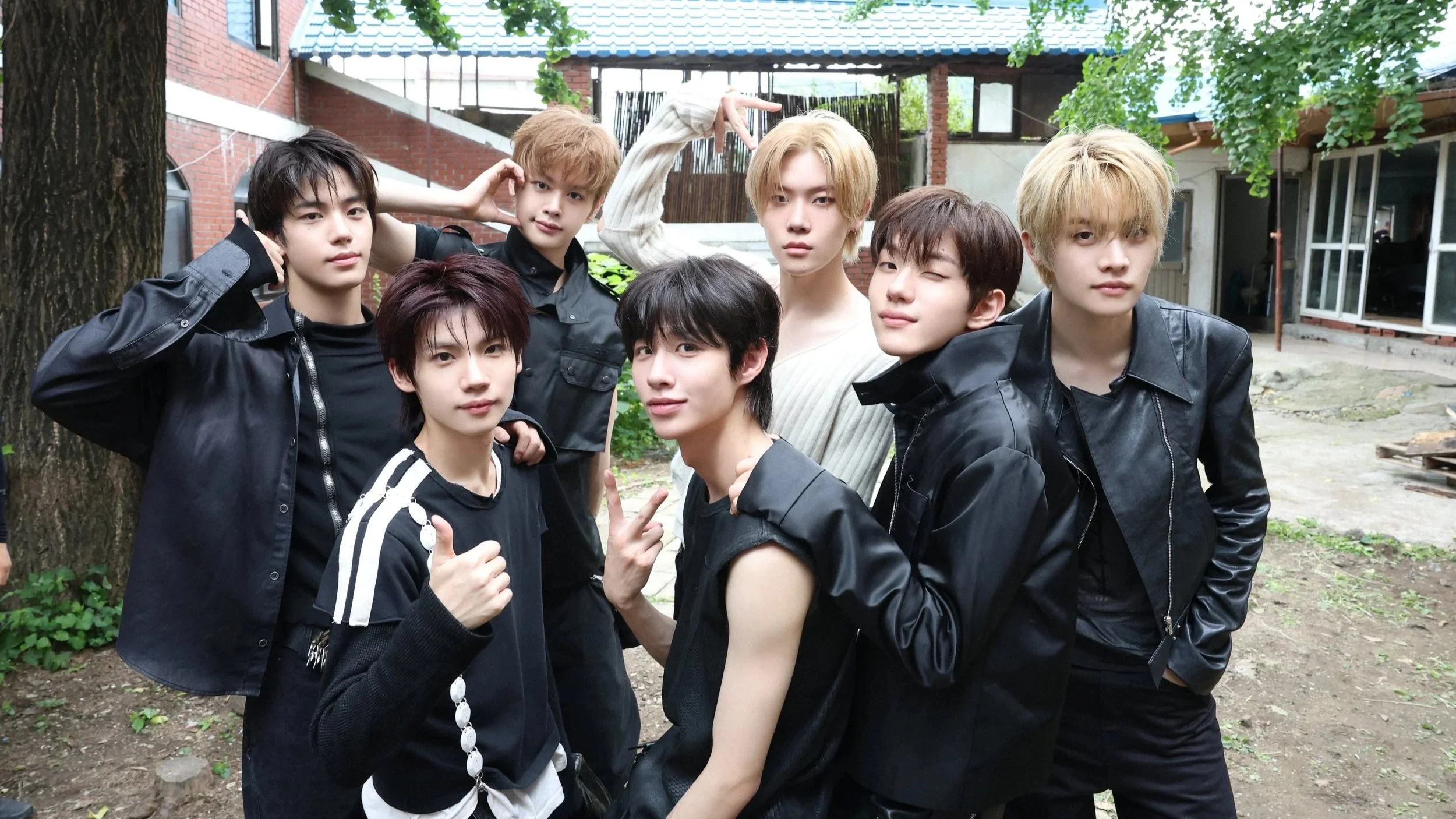
Throughout the years that followed, THE BOYZ became known for the range of worlds they could convincingly inhabit. Bright pop releases existed alongside darker, performance-driven concepts, while their 2020 victory on Road to Kingdom and second-place finish on Kingdom the following year demonstrated the precision and scale they could command onstage. Moving between varied sounds, visual languages, and emotional tones gave Kevin extensive experience reshaping his performance for each project, even as his individual perspective remained connected to the needs of the collective.
Still, his broader artistic qualities were never difficult to detect. Kevin has described himself as creative and open-minded, spoken about fashion and beauty as forms of self-expression, and treated experimentation as an essential part of discovering what feels authentic. Those interests extend beyond vocal performance into visual art, styling, storytelling, and the construction of a complete concept. And even within a carefully coordinated group, he remained attentive to how each element could communicate something more intimate.
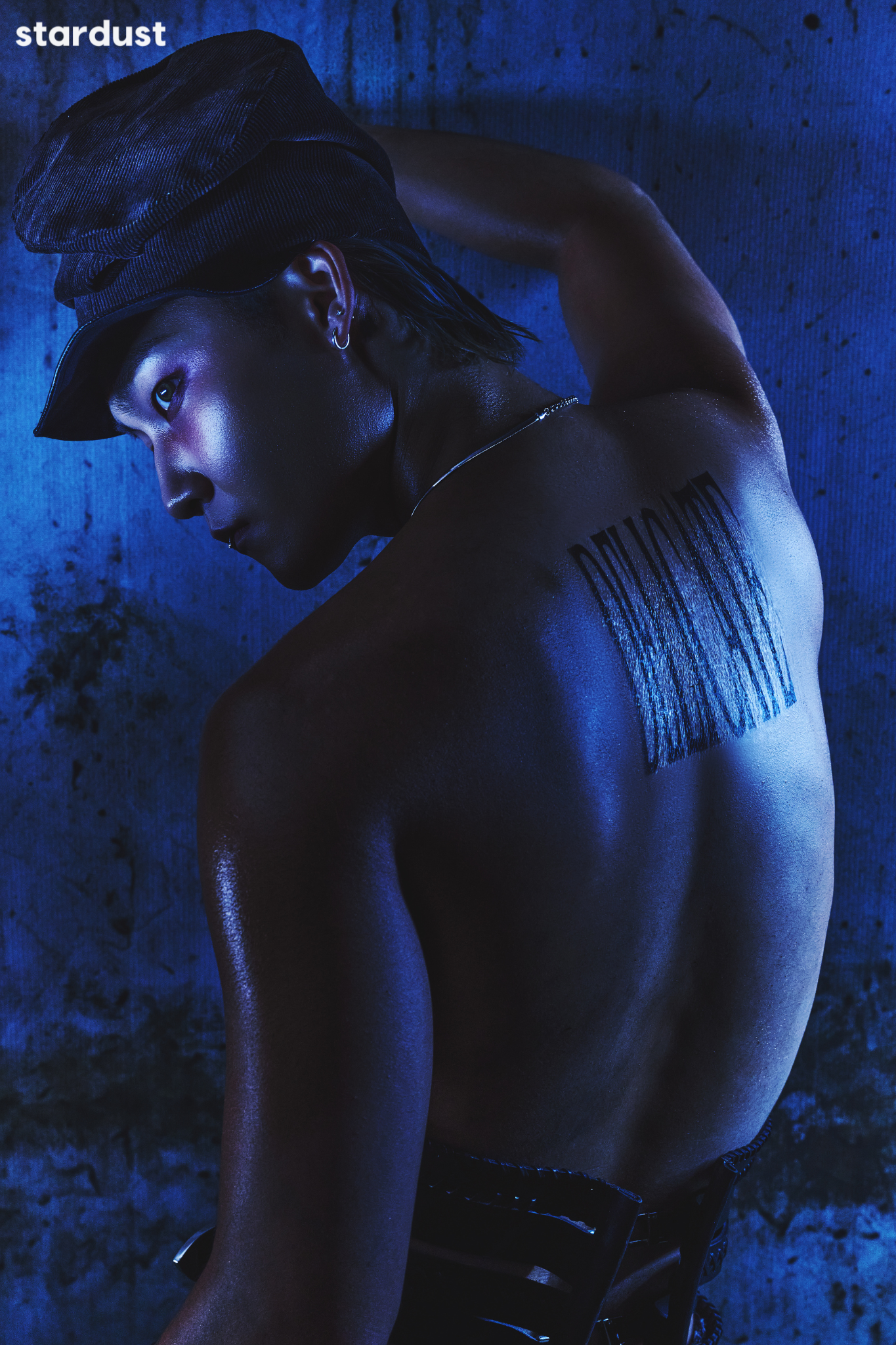
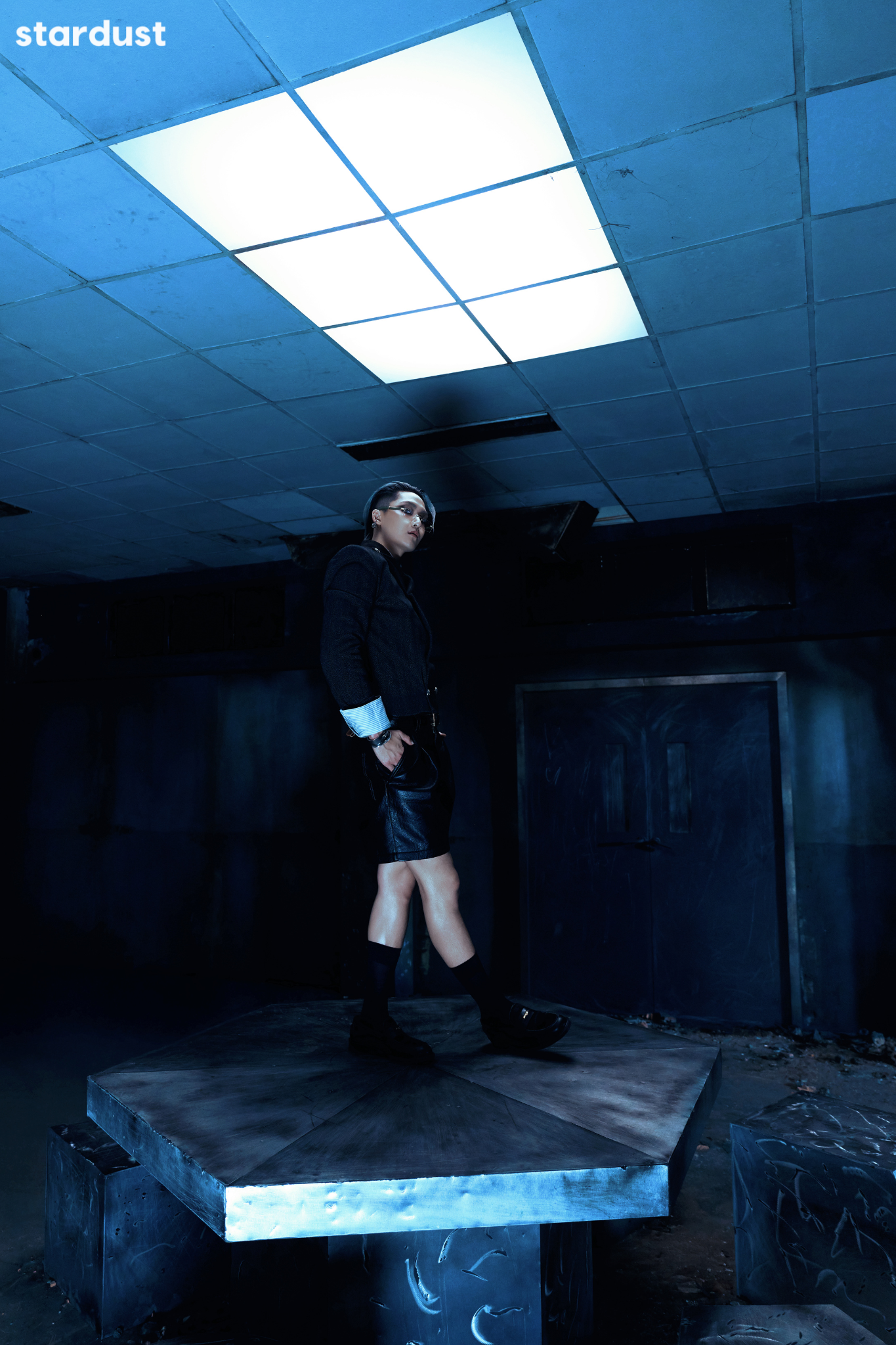
Now, Kevin’s debut solo EP, FREECHILD, finally brings that perspective to the forefront. The three-track project gives him the opportunity to construct a complete musical statement according to his own artistic vision. Its title track transforms years of restrained frustration into an arena-sized pop-rock anthem, drawing from the theatrical sweep of Queen while embracing a message of rejecting complacency, challenging expectations, and recovering the desires that adulthood often pressures people to abandon.
Freedom, however, arrives with emotional complexity. Beneath the song’s expansive production and communal refrain lies a tension between anger and release—the exhilaration of moving forward after years spent wondering what might have been possible under fewer limitations. “Focus on Me” and “Unforgettable Type” complete the EP, expanding this initial portrait without attempting to summarize every direction Kevin intends to pursue.
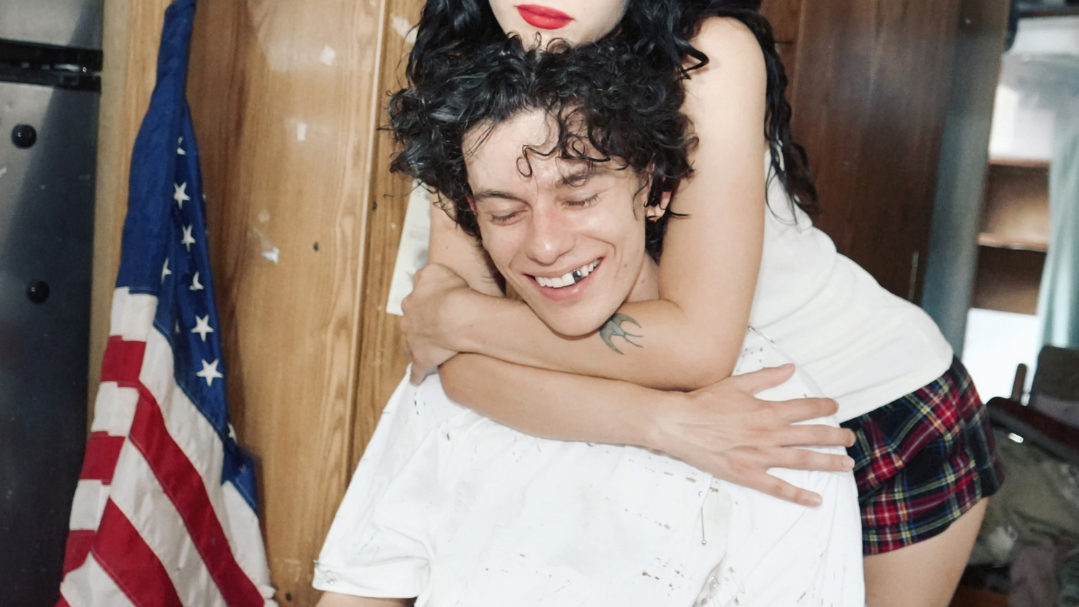
The title track's accompanying music video carries that progression into a saturated visual world shaped by misfits, suppressed impulses, and eventual liberation. After developing an early storyboard, Kevin took it a step further and collaborated with director Choann, whose perspective helped transform the original concept into something more abstract. Their partnership essentially reflects the kind of autonomy FREECHILD represents: choosing the right collaborators, allowing their ideas to enrich the work, and remaining purposeful about the final world presented to listeners.
As a full debut album already takes shape in development, FREECHILD functions as both an introduction and a first step into a more self-defined chapter. And after nearly nine years of adapting himself to different stages and creative frameworks, Kevin is seizing the opportunity to enter a period guided by his own convictions—one that doesn’t just signal change, but begins to fully realize it.
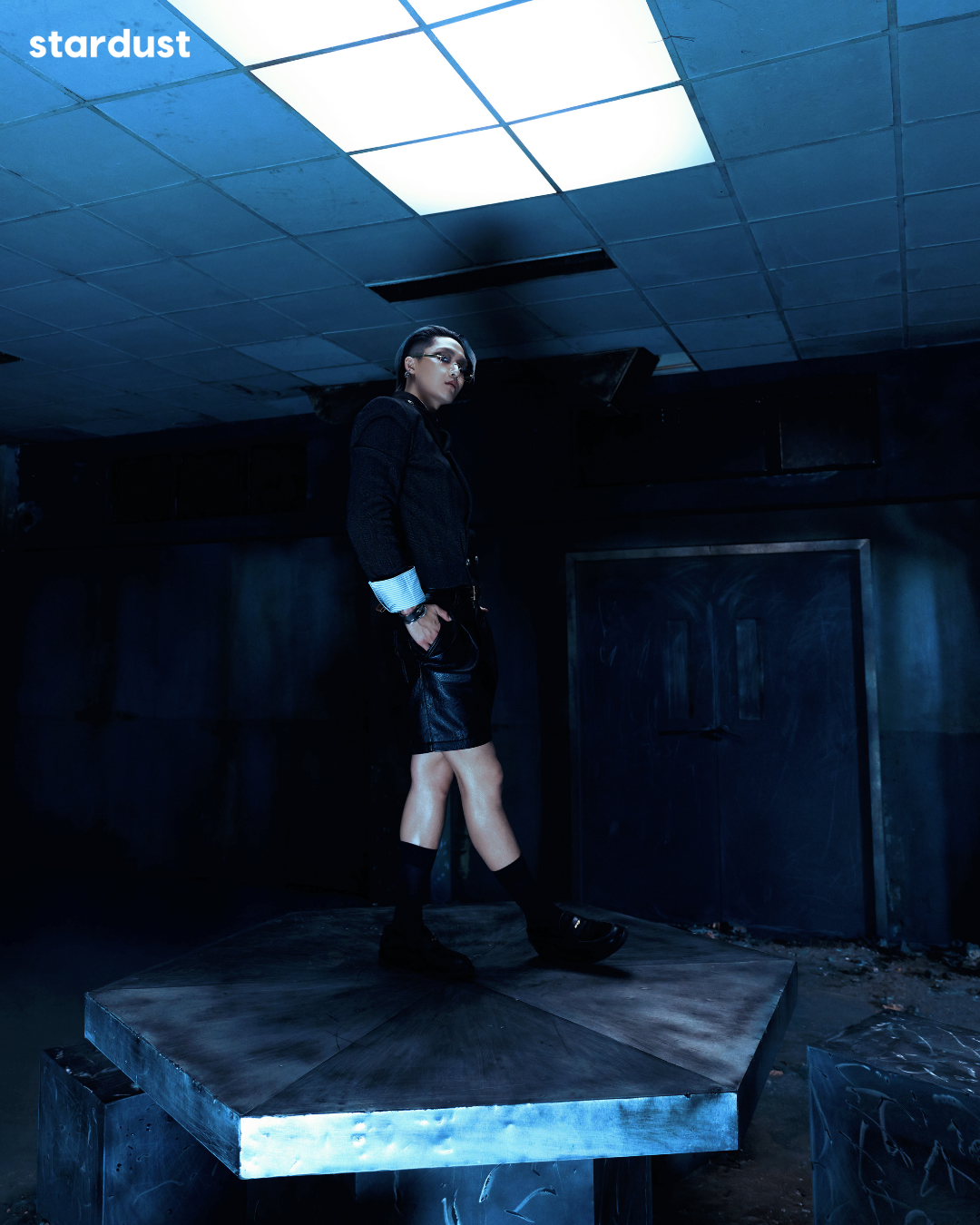
After years of expressing yourself within THE BOYZ, what did you realize you could only communicate through a solo project?
Kevin Moon: It blows my mind why it’s so rare to find vulnerability in K-pop. To me, that’s what music has always been: an artist writes about life experiences, and whoever relates to them becomes a fan. To be able to be vulnerable sonically and express it all unapologetically visually, I think it would not have happened in the context of the group.
The “na na” bridge was the first part of “FREECHILD” you wrote. How did beginning with that communal refrain influence the rest of the song?
Kevin Moon: I knew immediately that it had to be inviting. There are some dark undertones lyrically but the goal was to make it approachable at surface level.
“FREECHILD” draws from the scale of Queen, while Prince has influenced the larger album. How do you translate those inspirations into music that still feels like your own?
Kevin Moon: I think being a fan of their music while writing my own story naturally interweaves two worlds together that is original. Also, I’ve been getting very analytical about why certain Queen or Prince songs feel a certain way, and being able to utilize them in my own songs.
The song embraces rebellion, but its message also comes from years of restraint. Has creating it changed your understanding of what artistic freedom actually requires?
Kevin Moon: Literally the only difficult part of doing all of this on my own was logistics. Seeing an idea come to life is so rewarding, and I’m excited to see where it takes me.
How do “Focus on Me” and “Unforgettable Type” complicate or expand the version of Kevin introduced through the title track?
Kevin Moon: The three tracks are very much a turning point. Even in “FREECHILD” there’s a past, a history that had to happen for this song to happen. And I think the other two songs do just the same thing, narrating the arc.
Full creative control also means carrying responsibility for every decision. Which choice during this project challenged or surprised you most?
Kevin Moon: I think it was surprising to see ideas come to fruition. We filmed the video in 18 hours, but prior to that, all of that was merely in my head. To have passionate people spring to action to make it all come together was such a cool experience, and I hope to have more of it in the near future.
You created an initial storyboard for the music video before developing it further with Choann. What became possible once another creative perspective entered the process?
Kevin Moon: It was interesting to see initial ideas be interpreted in other ways. Choann was amazing! He saw my storyboard and came back with a whole presentation of how to enhance it.
You have described the upcoming album as containing frustrations, aspirations, vulnerability, and darker moments. Does songwriting help you understand difficult experiences, or do you need to understand them before you can write about them?
Kevin Moon: I definitely did not have the mindset that I’m singing about in any of these songs. Hence the title Manifesto. But my message to the world: whatever hardship you’re facing is a testimony in the making.
As this solo chapter begins, which creative instinct are you most committed to trusting from now on?
Kevin Moon: My brain is sometimes too loud [laughs], but now that I’ve started this first chapter, I’m excited to be constantly on the lookout for inspiration. I’m also excited to collab with other artists and have creative worlds collide.