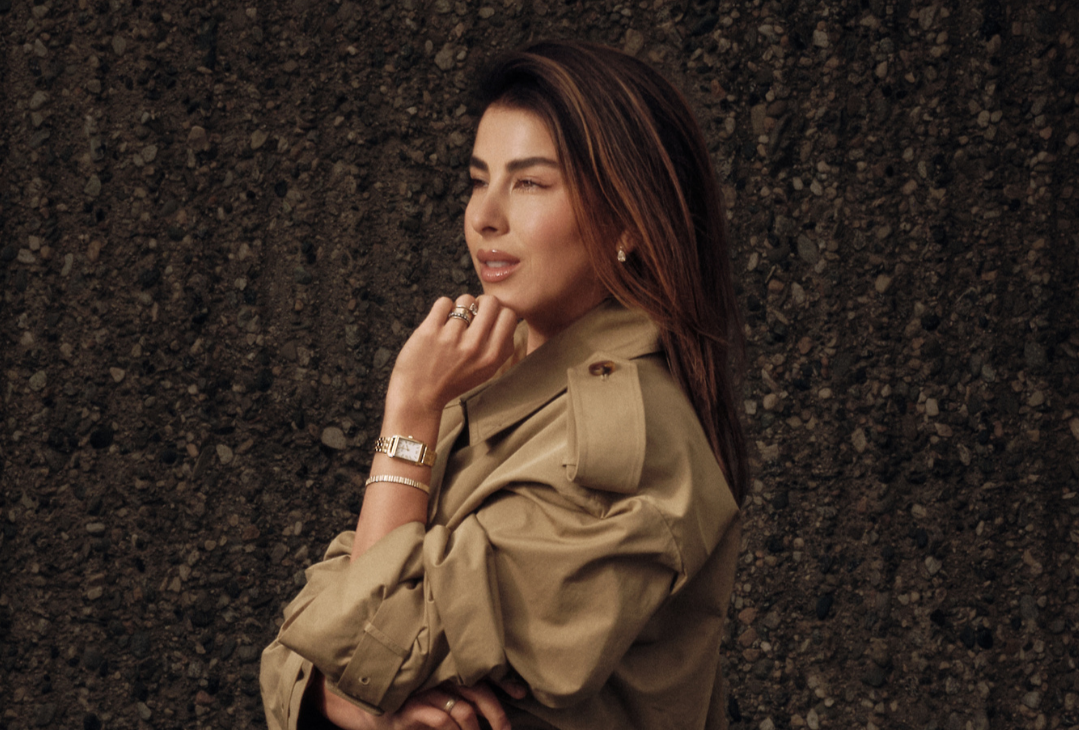

Since releasing her debut single in 2024, Chloe Qisha has found plenty of room between polished pop and a well-timed interruption. Her songs can be big and theatrical, but some of their most memorable moments come from smaller choices: a spoken aside, a punchline slipped between hooks, or a lyric delivered with enough casualness to make an uncomfortable thought sound almost effortless. Her soft, airy voice plays into that contrast. It can sound sweet one moment and strangely haunting the next, giving darker emotions somewhere to linger even when the song around them is bright, funny, or knowingly dramatic.
Still, music was not always the obvious destination. The Malaysian-born, London-based artist studied psychology and communications while writing and sharing covers online, eventually connecting with producer Rob Milton. Their partnership led into Qisha’s self-titled debut EP and continued through 2025’s Modern Romance, where songs such as “21st Century Cool Girl,” “Sex, Drugs & Existential Dread,” and the title track gave insecurity, longing, and contemporary relationships a distinctly self-aware sense of humor. Those releases also brought Qisha onto increasingly larger stages, including performances alongside Sabrina Carpenter and Coldplay and festival sets at Primavera Sound, All Points East, and Reading and Leeds.
Her debut mixtape, Fantasize, due October 30, pushes further into the contradictions that already make her writing distinctive. “Baby Girl,” “So Sad So Hot,” “YDH,” “Surprise Surprise,” and “Question of the Day” move through admiration, physical attraction, heartbreak, fantasy, and the occasional inability to tell one feeling cleanly from another. Qisha rarely treats any of them with complete seriousness. Jokes and conversational interjections can sit beside genuine vulnerability, while an airy vocal can suddenly turn eerie enough to change the mood of a song altogether.
Now, Fantasize has finally arrived as Qisha prepares to return to the United States, with appearances at All Things Go in New York and Austin City Limits, plus special shows in Los Angeles and Brooklyn. And ahead of the mixtape’s release, Stardust spoke with her about writing attraction without getting too serious, finding different characters in her songs, her ongoing creative partnership, and what performing new music has taught her before audiences have even learned the words.
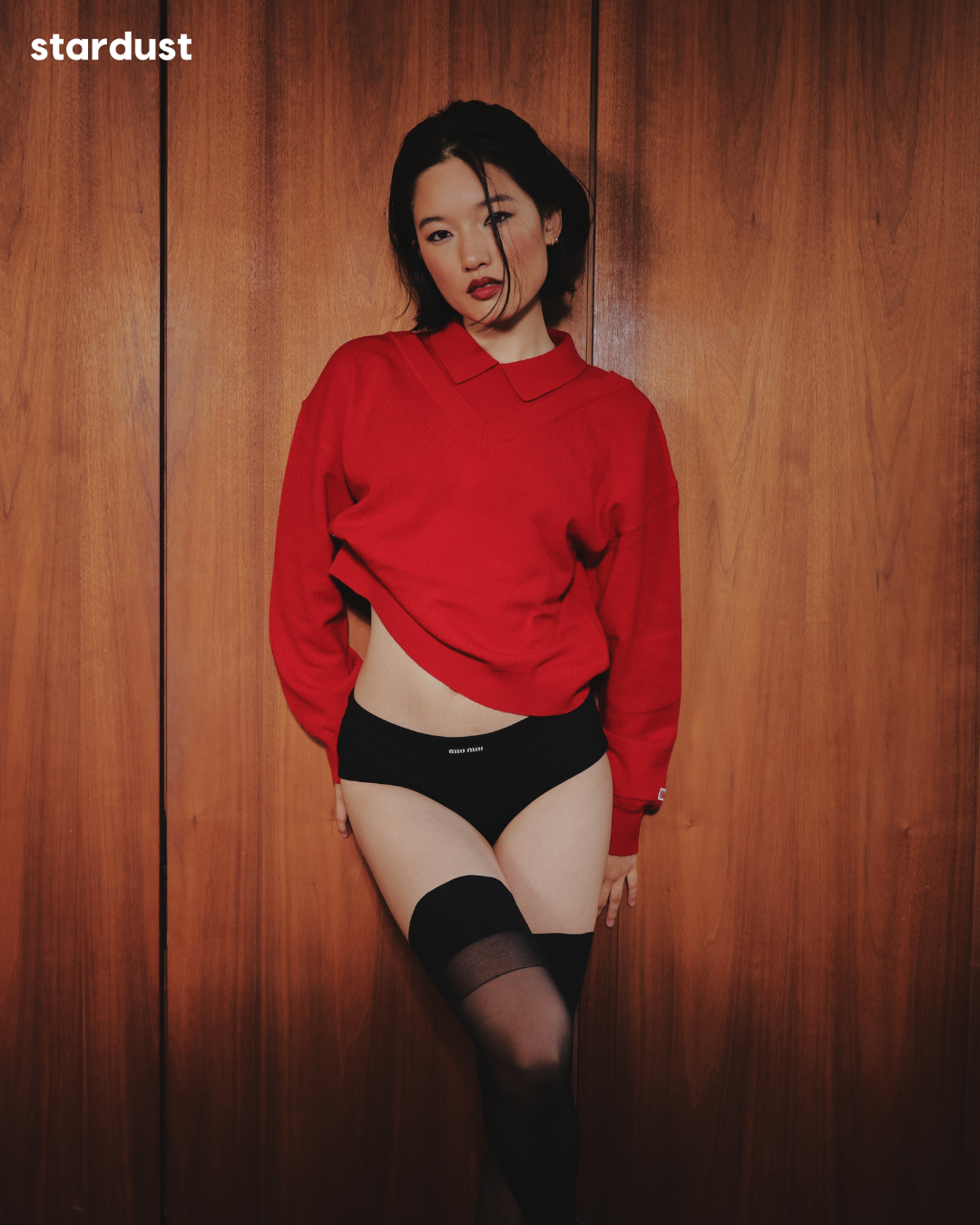

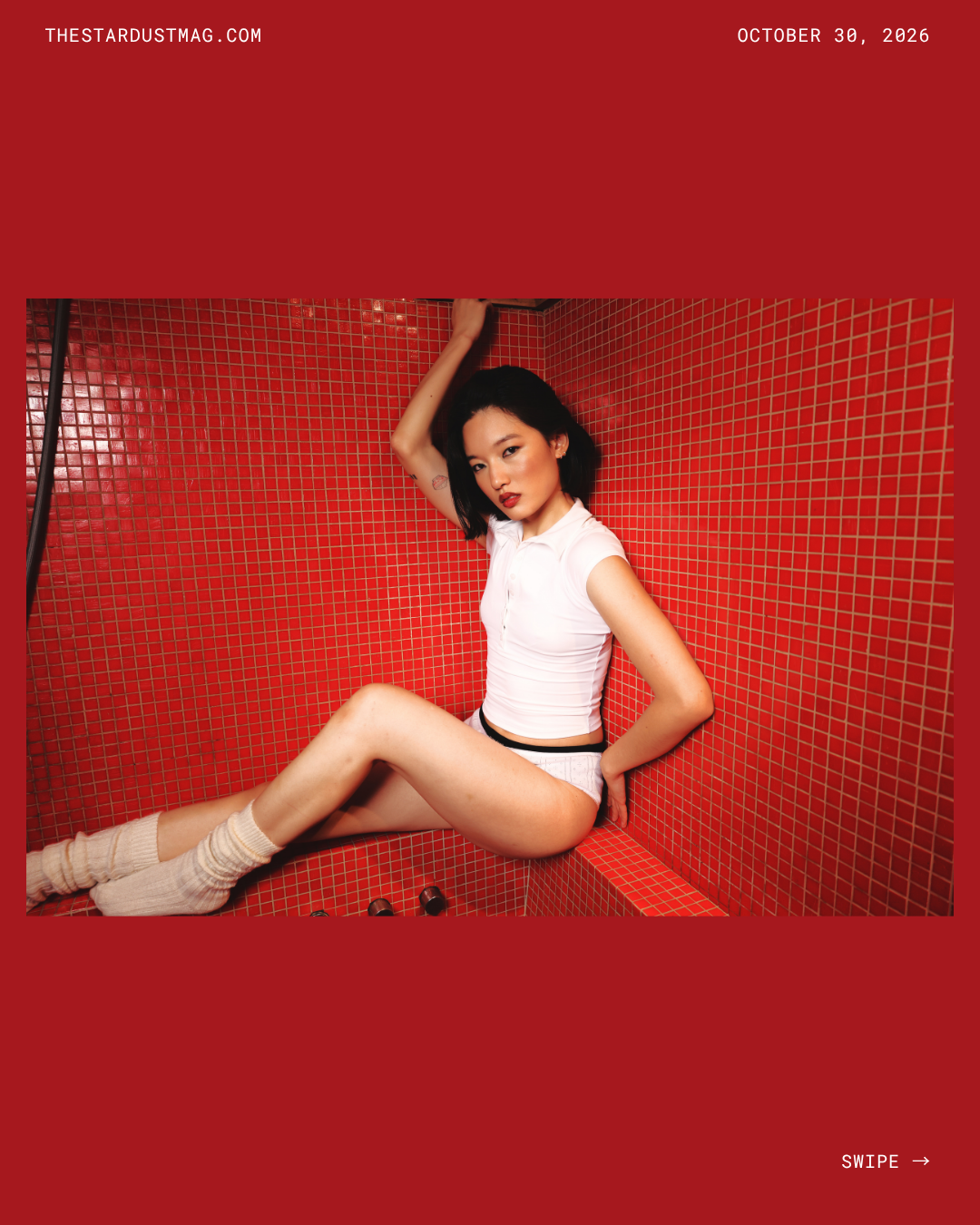
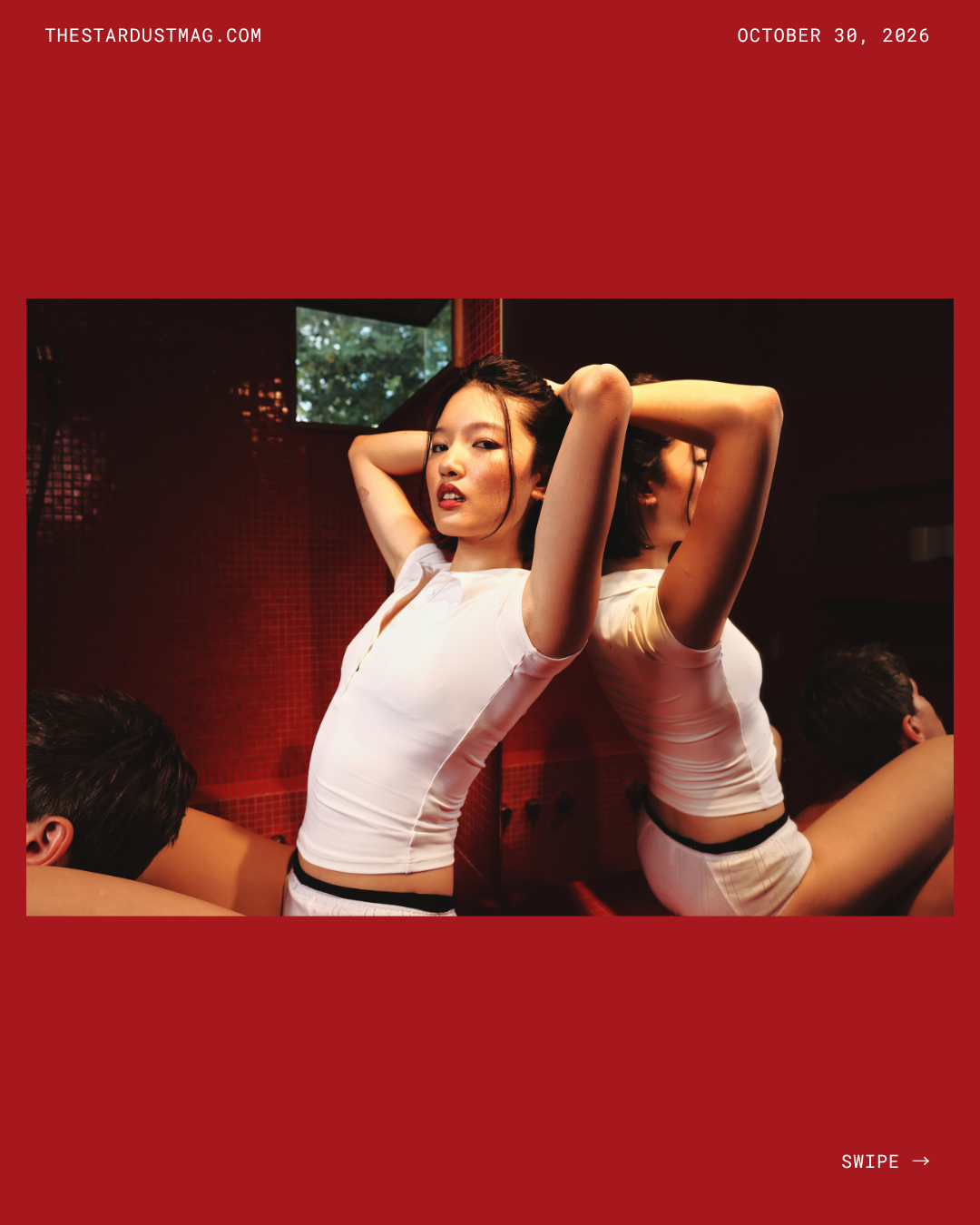
“Question of the Day” is very direct about attraction, but its wordplay and double meanings keep that openness playful. What did you enjoy about writing from that perspective, and how important was humour to finding the song’s tone?
Chloe Qisha: Injecting a little bit of humor into my lyrics has always been such an important part of my songwriting—particularly when I'm writing about lust and desire. I love being a bit provocative, but I also love making fun of myself. With “Question of the Day,” I wanted to take something quite explicit and make it feel playful and ridiculous. I think there's something really liberating about not taking yourself too seriously.
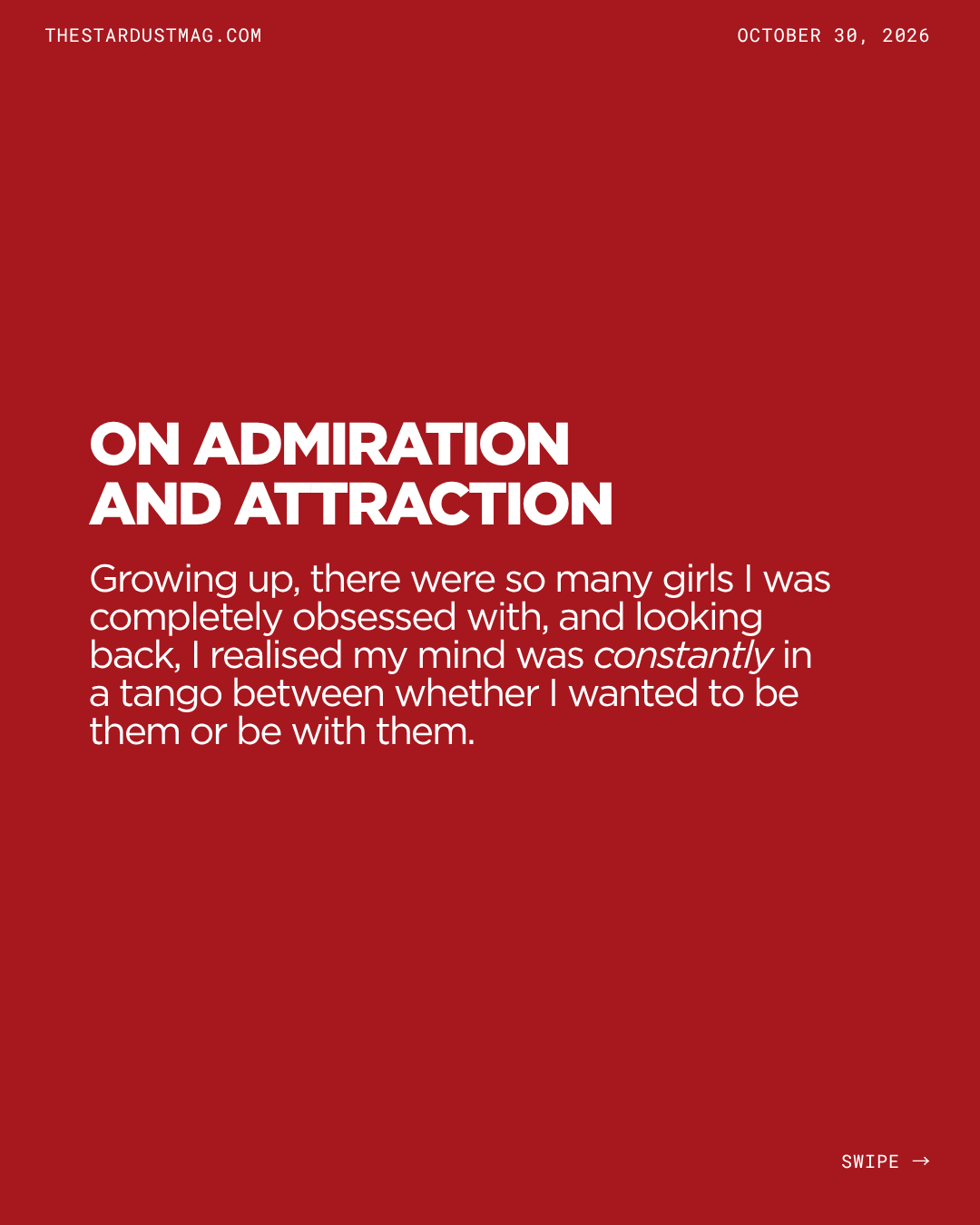
You’ve described “Baby Girl” as that blurred line between wanting to be someone and wanting to be with them. What interested you about putting admiration and attraction in the same song?
Chloe Qisha: I've always found the line between admiration, jealousy, and attraction really interesting, especially between women. Growing up, there were so many girls I was completely obsessed with, and looking back, I realized my mind was constantly in a tango between whether I wanted to be them or be with them. I love that those feelings aren't always mutually exclusive, and I wanted the song to explore that ambiguity.
“So Sad So Hot,” which you wrote with Caroline Ailin and Rob Milton, finds confidence in the middle of sadness. How early did that contrast shape the song, and did the production change the way you understood it?
Chloe Qisha: That contrast was really the heart of the song from the beginning. I loved the idea that you could be completely heartbroken but still be the most magnetic person in the room. The production really jump-started the writing—we intentionally started with Minor chords in the verse that created this tension and melancholy. Rob and I love a sad-happy song, and I think there's something quite empowering about turning a negative feeling into a song you can dance to.
Spoken asides, interruptions, and punchlines often give your songs a conversational quality. Do those details tend to appear while you’re writing, or do you discover more of a song’s personality once you begin recording?
Chloe Qisha: I think a lot of those moments happen quite instinctively in the writing room. I love when a song feels like you're being let in on someone's internal monologue—especially when it's raw and a bit ridiculous. I love to yap in sessions and catch up with my collaborators, and oftentimes those little throwaway comments from 3-4 hours of conversation end up being my favorite parts of a song. I think they give more personality to the songs, and it stops them from feeling too polished or serious.
Your vocal delivery can move between something light and airy and something more dramatic or haunting. How do you decide what a song needs from you vocally, especially when the production and emotion are pulling in different directions?
Chloe Qisha: This is the first time anyone's picked up on this, and I'm really glad. I tend to approach vocals quite theatrically—almost like musical theatre. I love playing with different characters and perspectives, so finding the right delivery is often about what best serves the story or the particular line we're trying to cut. Sometimes vocals take days to get right; I remember for a really early song of mine [“Evelyn”] we tracked in the whole song, sent it out to people, and realized the chorus just didn't hit. We tried re-writing the hook the next day, thinking that the songwriting was the issue—but concluded that we just needed to hear it sung in a different tone and attitude, and once we re-tracked that part, the whole song suddenly made sense. I love when artists show a range of colors and tones in their vocals across a project. I think these days a lot of artists just focus on 'how can I make every track sound as pretty as possible,' which is also great, but I think big changes in vocal delivery show depth, and it also showcases a different—and often forgotten—dimension of storytelling through music.
Rob Milton has been part of your music since your earliest releases and remains involved in this era. What has become instinctive about working together, and where do you still try to challenge each other creatively?
Chloe Qisha: Rob's been such a huge part of building the Chloe Qisha sound from the beginning. I think we've developed a real shorthand, and there's a lot of trust there. He understands my humour and the slightly theatrical way I approach pop music—we like to joke that all roads lead back to Phantom of the Opera for me... But I also think it's important that we keep surprising ourselves and don't just fall back on what we know works. That also includes occasionally taking breaks from each other and collaborating with other people; it also makes coming back together to write all the more exciting and rewarding.
You’ve previously brought songs into your live set before officially releasing them. What do you learn from performing new material for an audience before they already know the song?
Chloe Qisha: I think it's one of the best ways to find out whether a song really connects. When people don't know the lyrics or haven't heard the production before, you're getting such an immediate reaction. It's also really exciting watching a song slowly become familiar to an audience before it's even been released.