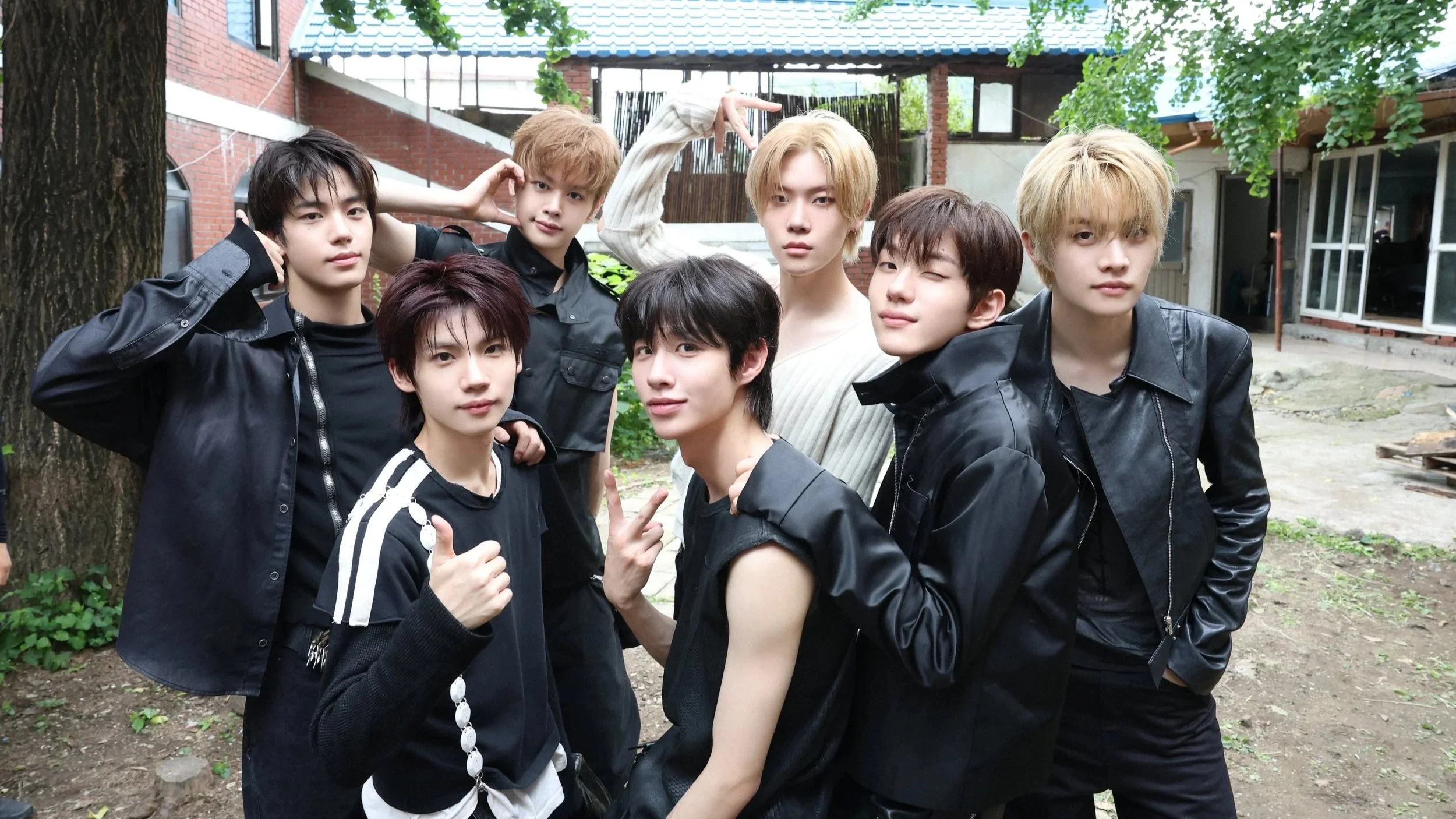

Henry Morris on Making ‘Kiss Me Extra Hard’ Personal
Near the end of college, Henry Morris was balancing an accounting degree with the music he was making alongside his roommate and collaborator Saint Levant. When one of their early releases reached global charts, what had existed alongside school suddenly began to look like a viable career. For Morris, who was still working primarily as a producer, that momentum eventually raised another possibility: bringing his own experiences and perspective to the front of the music.
The transition gave him a different kind of creative freedom without separating him from the production instincts that shaped his earliest work. As Morris developed a clearer identity as a solo artist, the audience followed. His catalog has since surpassed 100 million streams, while his monthly listenership has grown to 1.2 million and his music has drawn recognition from artists including Cigarettes After Sex, Joe Jonas, and Ross MacDonald of The 1975.
More recently, “One Night Stand” has become one of the best examples of where Morris is headed next. Co-written and produced with Kevin White, whose credits include BTS, Bazzi, and Artemas, the infectious single surpassed 500,000 streams during its first week and has since neared two million. It also leads into Kiss Me Extra Hard, an album Morris has been revealing piece by piece through a run of singles that offer increasingly candid glimpses into the experiences behind it.
That momentum now extends beyond the record itself. Morris recently signed with Giant Music and joined Artemas for a 38-date run across North America, Europe, and the UK, bringing his solo work to a considerably larger audience ahead of the album’s arrival.
Ahead of the release of Kiss Me Extra Hard, Stardust spoke with Morris about creating “One Night Stand,” the early collaboration that redirected his career, becoming more confident in his own voice, and the experiences that ultimately molded the record.
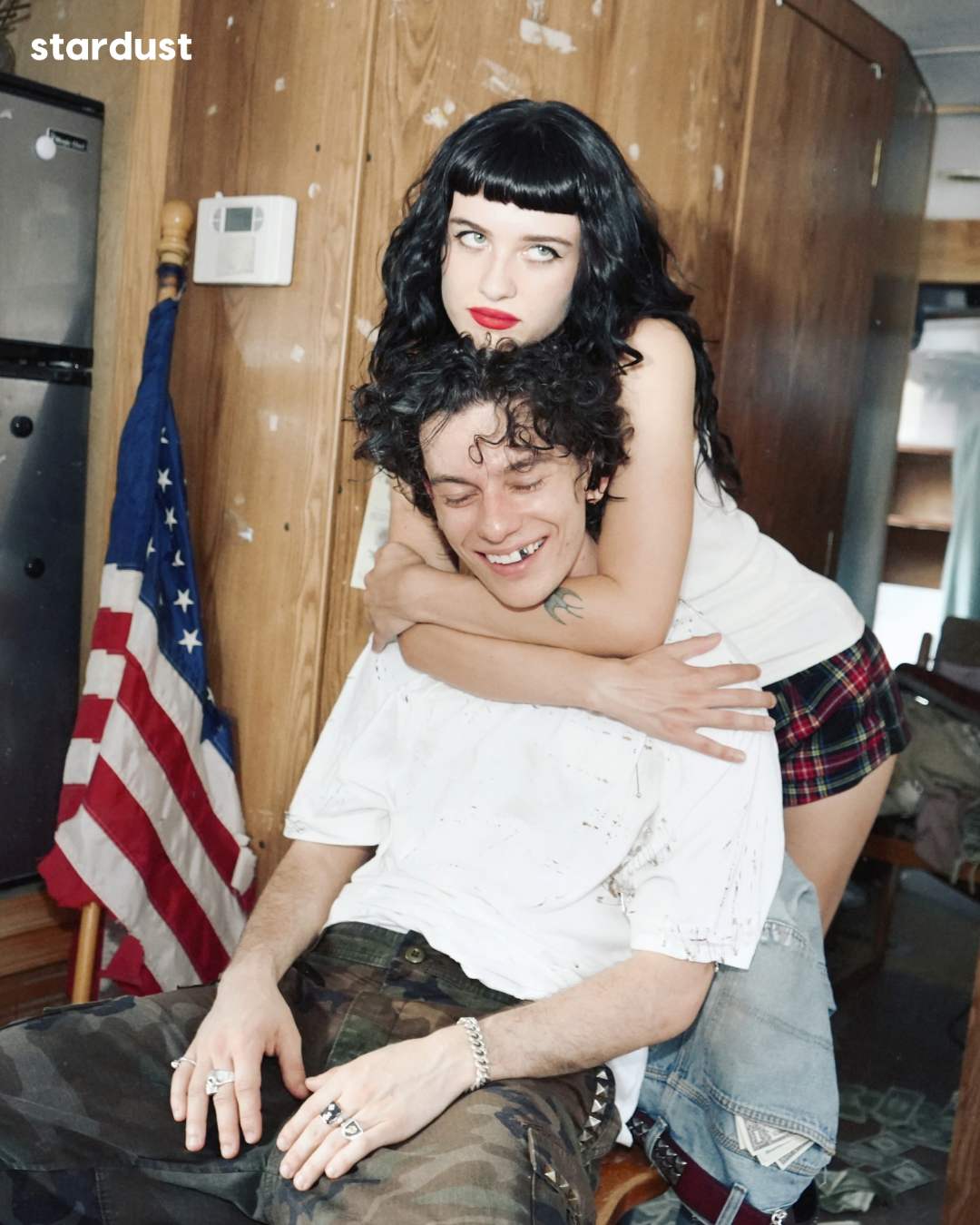
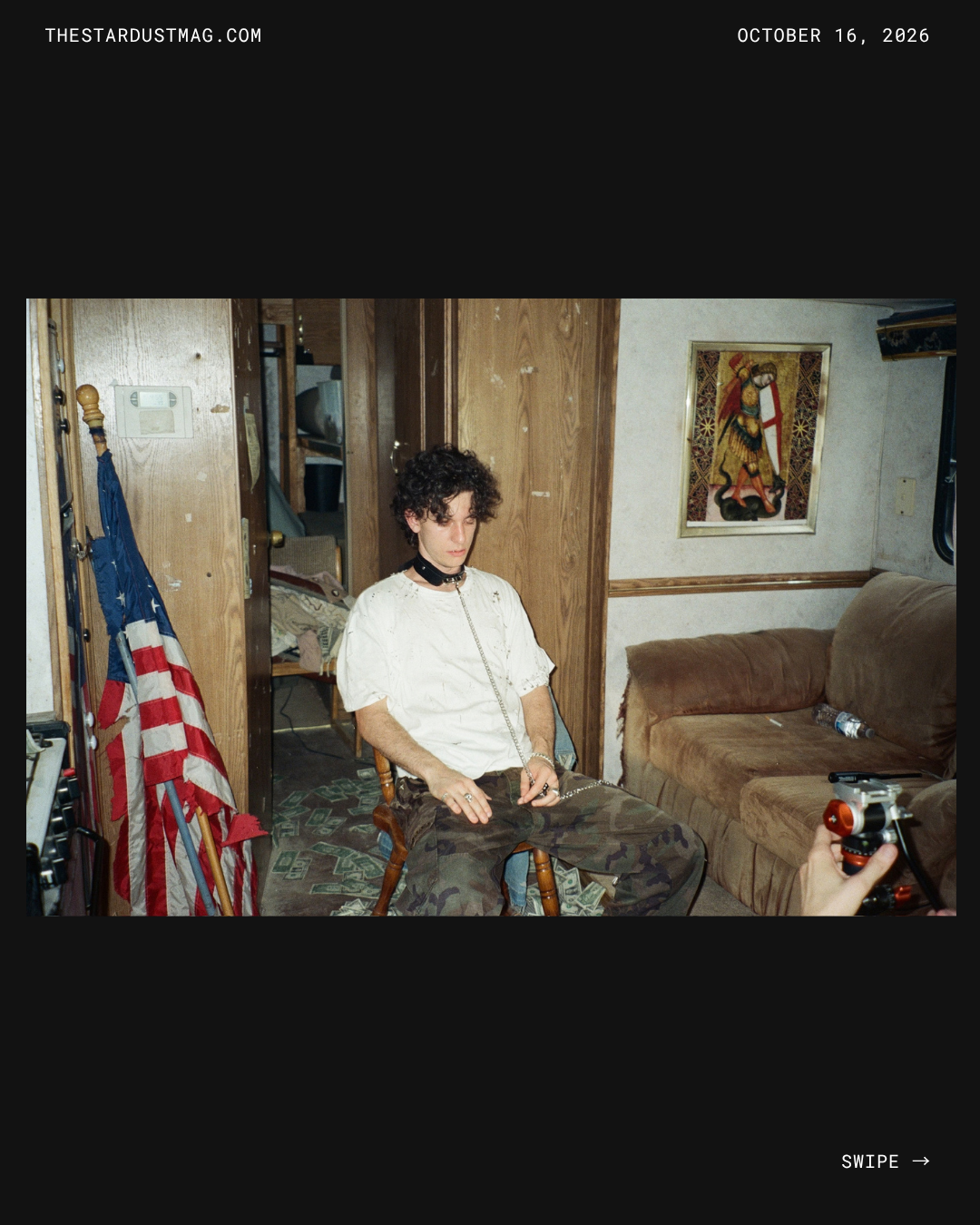

“One Night Stand” is one of several releases leading into a larger project, and it connected with listeners quickly. Where did the song begin, and what has become your favorite part of it now that it’s out?
Henry Morris: I’ve had a lot of one-night stands trying to fill the insatiable hole in my chungus-ass life, and I don’t know why. I always feel incredibly lonely and dirty and terrible afterward, yet I do it again and again. Somehow, this song is still about missing my ex, though. My favorite part of the song is the way it accurately describes the beauty and sadness of a youthful hookup. Cheers, knowing that it’ll end up the same way it did the last time.
You co-wrote and produced the track with Kevin White, but you also entered the industry as a producer yourself. What does that kind of collaboration look like when you bring your own established production instincts into the room?
Henry Morris: Kevin is way better than me, and I’ve learned to shut the f**k up when someone older and more experienced is talking. It’s always benefited me. He shows me the technical side of production, and I do more of the classic production: what the vocal take should sound like, what guitars should come in and when, etc.
“Crawling Back to You” is very aware of its own contradiction—you know the relationship isn’t good for either person, but there’s still this pull toward returning to it. When you were writing the song with Amy Kuney, what interested you about capturing that cycle so directly?
Henry Morris: No matter how badly I was hurt by the woman I was in love with, I seem to only be able to remember the good parts. When we started talking again, I played myself. I have love in my life now, but for some reason, my brain won’t let that door close. My mom hated her, but what does she know? She married my dad, and he’s a complete idiot loser. I hate using flowery language sometimes. If you say something with true meaning, you don’t need fancy words or delivery.
You were finishing your accounting degree when your music began gaining traction. Was there a particular moment when pursuing music full-time began to feel genuinely possible?
Henry Morris: When Saint Levant dropped our song “Very Few Friends” and it got 100,000 TikTok sound uses overnight, I had a feeling I wasn’t going to have to be an accountant. We were playing a brutal college show for, like, 20 people, and then a few months later, we were doing a show in Saudi Arabia while I was wearing a full Gucci suit and acting like a dickhead. Never looked back.
You and Saint Levant were building songs together before either of your careers had taken their current shape. What did that period teach you about making music, and which parts of that creative relationship still influence your work?
Henry Morris: Marwan was the first person I’ve ever met who truly believed in my talent. He convinced me that if I ignored everyone else and believed that I was talented, I could make it. We’re the same age, but it really feels like that guy is my big brother. We were dropping a song a week, and he was really pushing me to meet every day, even when I was tired. That work ethic has changed my entire life forever. Love you, man.
Moving from producer to solo artist meant placing your own voice and identity at the center of the music. Which parts of that transition felt natural, and which required you to reconsider how you approached the creative process?
Henry Morris: I was in a band while I was producing for Saint Levant, and my band partner would make me feel ashamed for trying to promote stuff online because it was “cringe.” Peace and love: if you want to make incredible music but be too cool to post it on the internet, you can go do that! But I will not be there with you. Love and light! I have very little shame left in my body. I don’t give a f*** about anything besides music.
You recently signed with Giant Music following a year of substantial growth. What did you want from a label partnership at this stage, and what possibilities has that support created for the music you are making now?
Henry Morris: Money! Duh. But I got much more. I’m in love with my label and everyone on my team. Don’t listen to the view farmers on TikTok who say labels are bad. Every situation is unique. Don’t let some chopped idiot online tell you what to do with your career! I love my label to death!
The recent singles have introduced different sides of Kiss Me Extra Hard, but an album can create connections that aren’t obvious song by song. What ties this record together for you?
Henry Morris: Read this out loud—it rhymes:
From the young age of six,
I knew the world revolved around drugs, money, and sex.
Instead of finding God by staying away,
I found Him aplenty by choosing to play.
From alleys in Venice Beach
to churches in Europe where old men preach,
I’ve collected stories of love
and cherished them each.
In 32 minutes and 57 seconds, Kiss Me Extra Hard is a summary of painful lessons: All the drugs, sex, and money in the world don’t compare in the slightest to a moment alone with the woman I loved in complete silence.