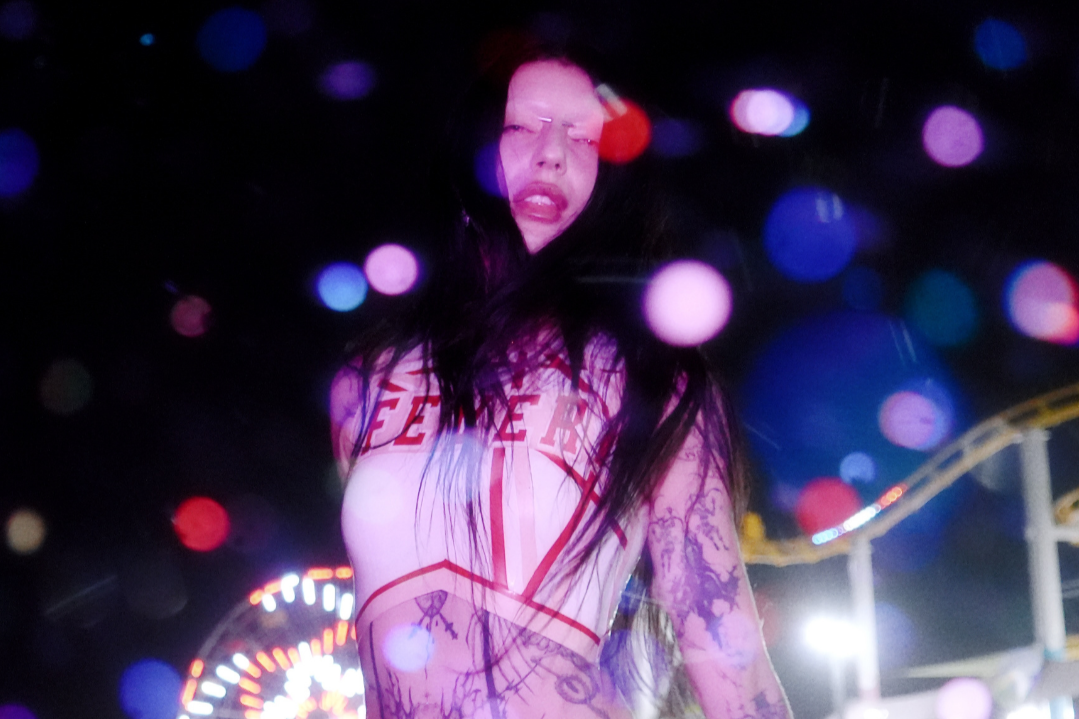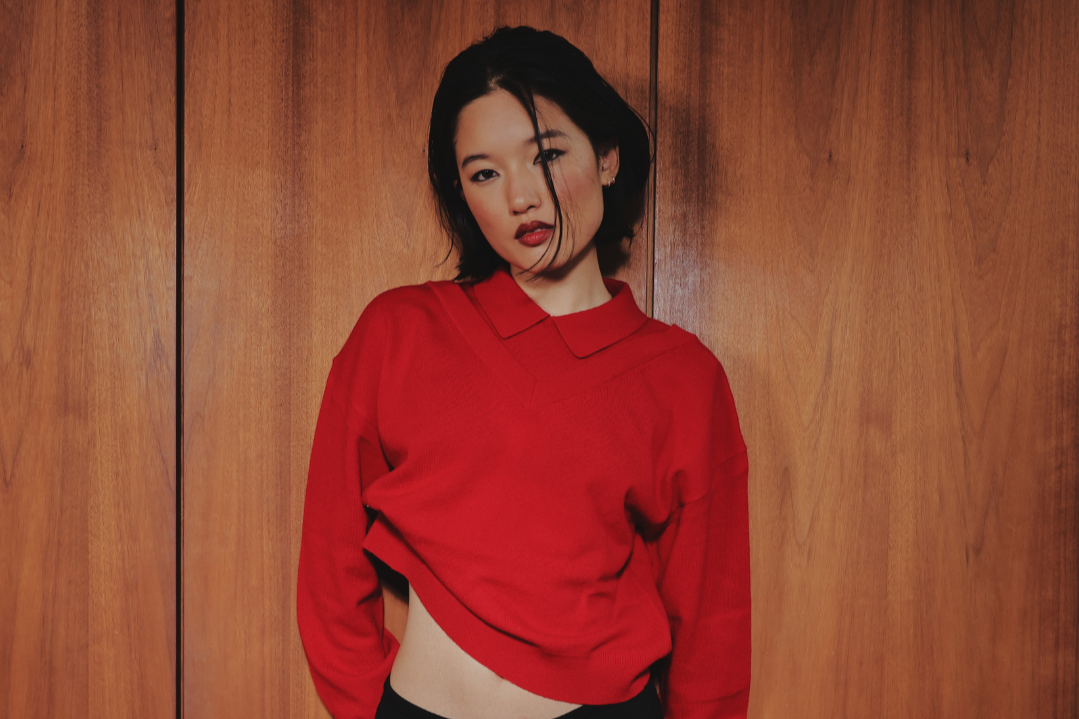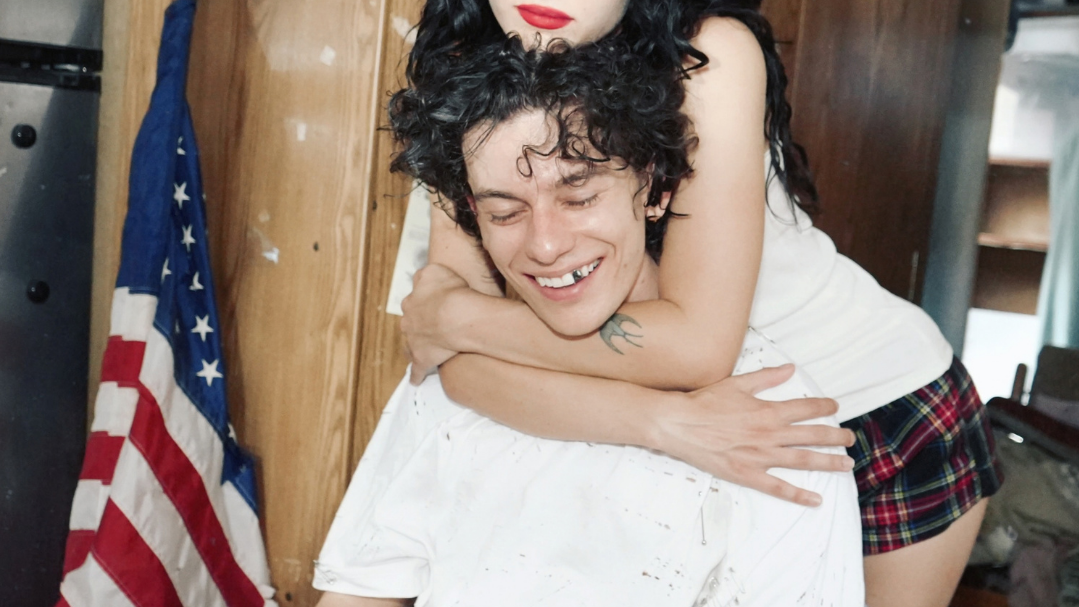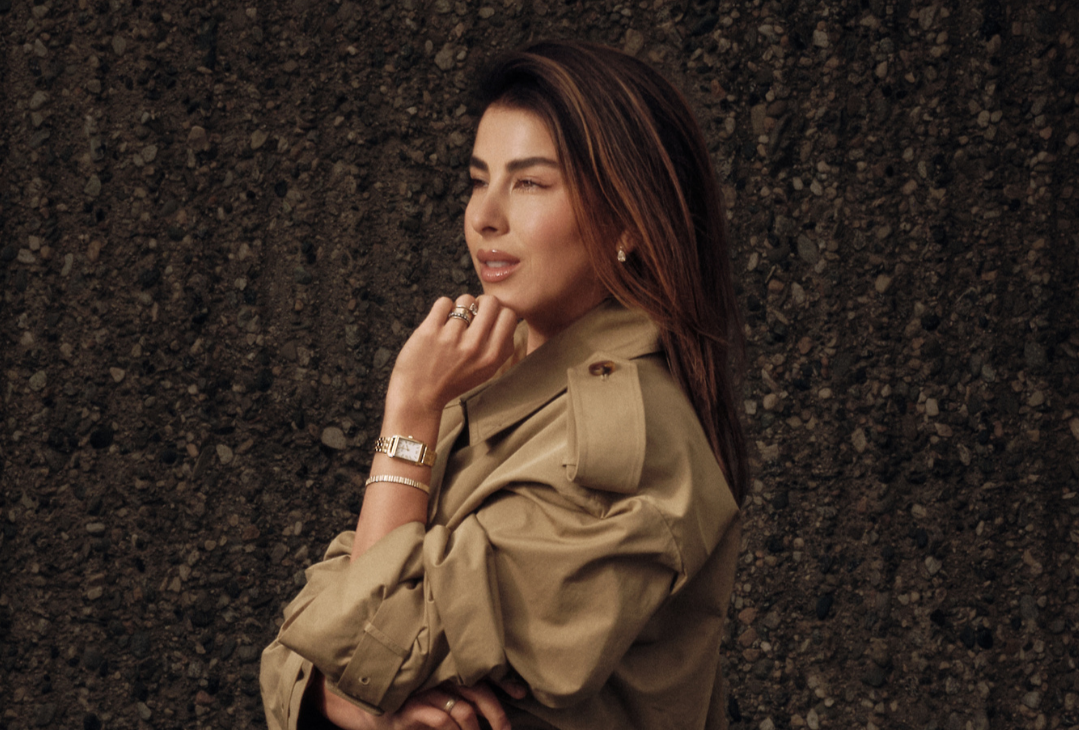

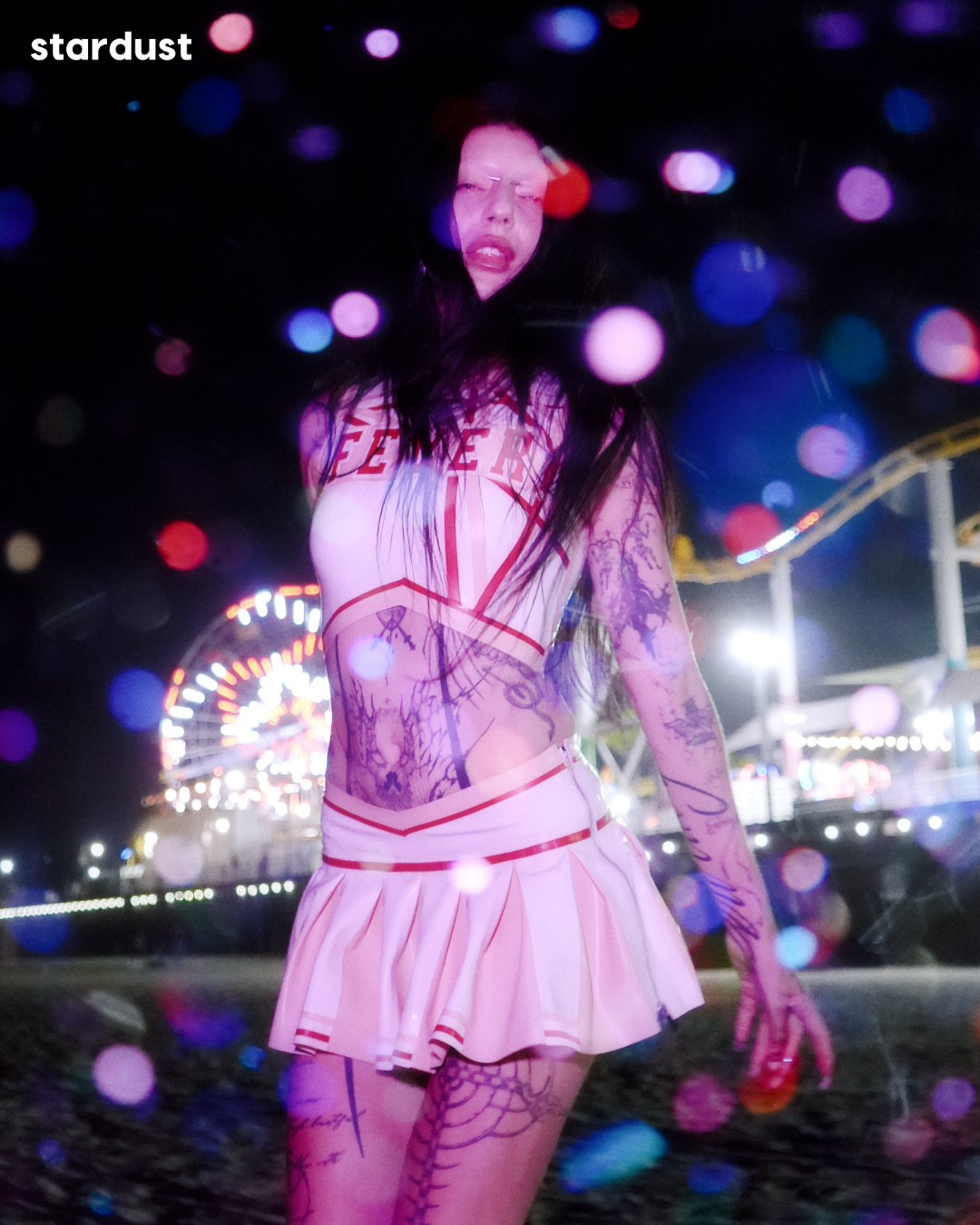
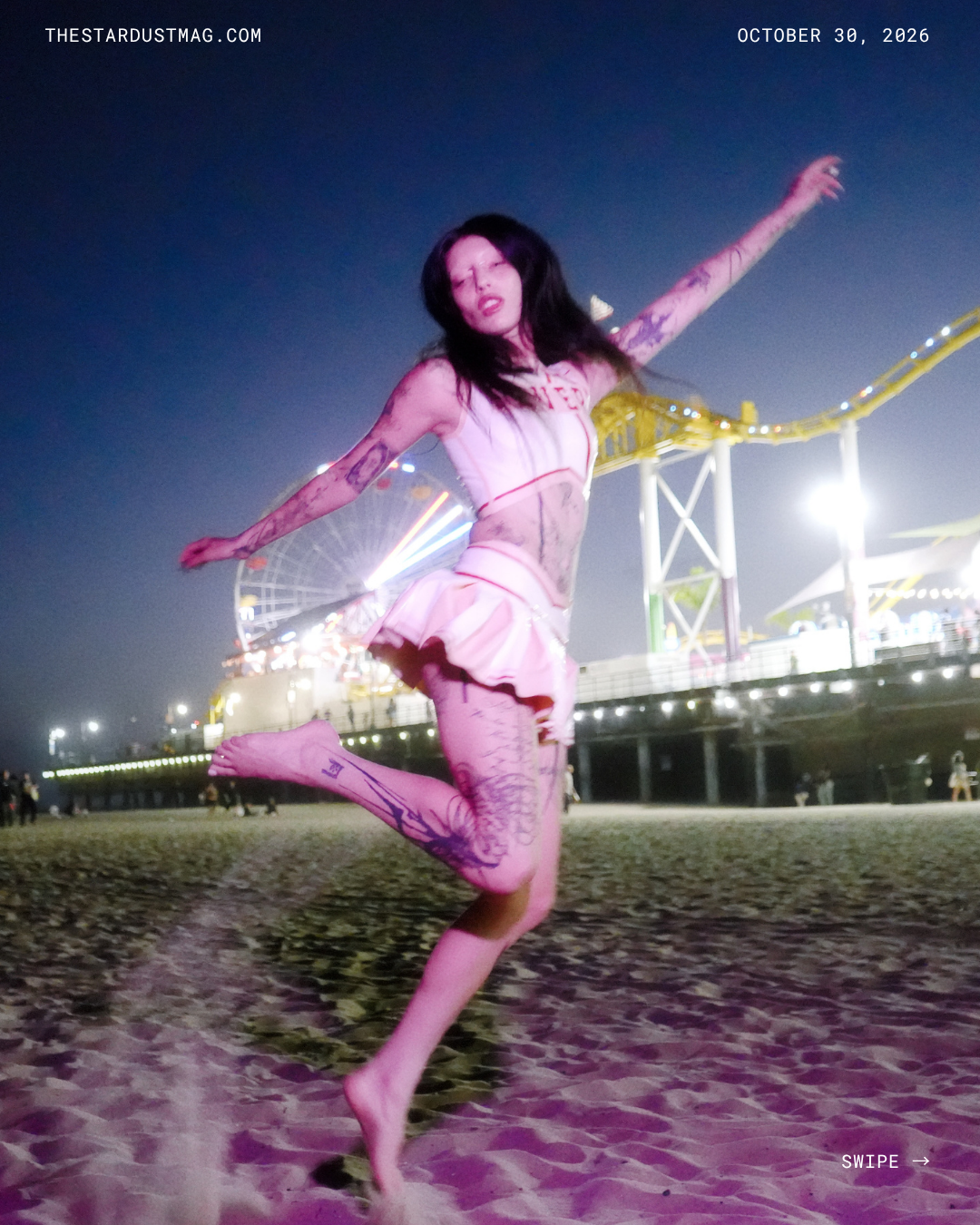
Memory can be an unreliable thing, especially when it comes to the years that shaped us. For DeathbyRomy, revisiting adolescence has meant sorting through experiences that feel remarkably clear in hindsight and others that have become harder to separate from the emotions surrounding them. Those recollections provide the foundation for Teenage Fever Dream, a new album that finds the Los Angeles artist looking back on her formative years with a perspective shaped by everything that has happened since.
The record arrives October 30, following one of the busiest periods of her career to date. This summer brought a European arena run supporting Limp Bizkit, UK headline dates, and appearances at Vans Warped Tour and Riot Fest, with international performances continuing into the fall. Amid that demanding schedule, Romy has been gradually introducing an album that reflects the breadth of her musical interests, bringing elements of pop, industrial, metal, and hip-hop into a collection of songs that move between vastly different emotional registers.
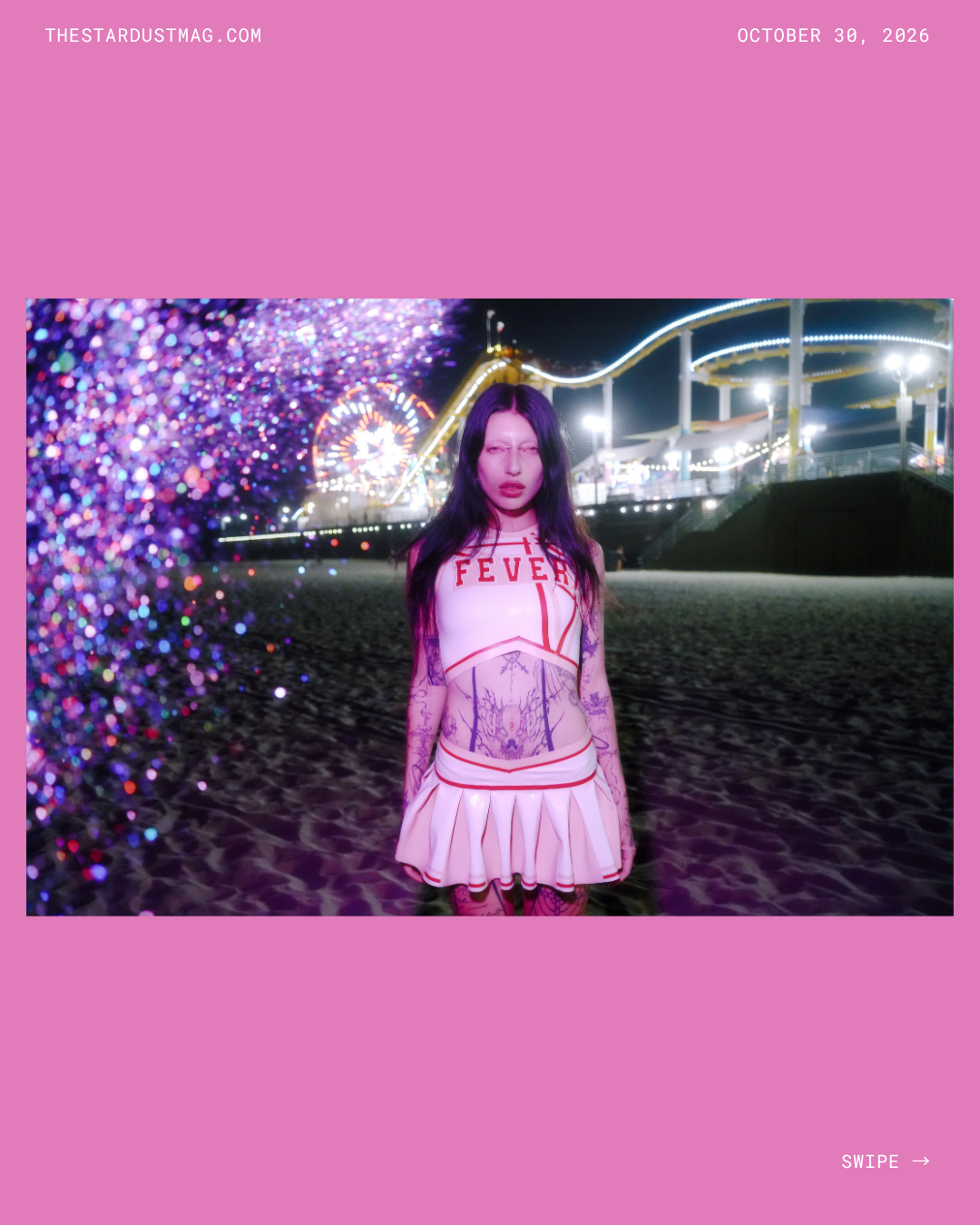
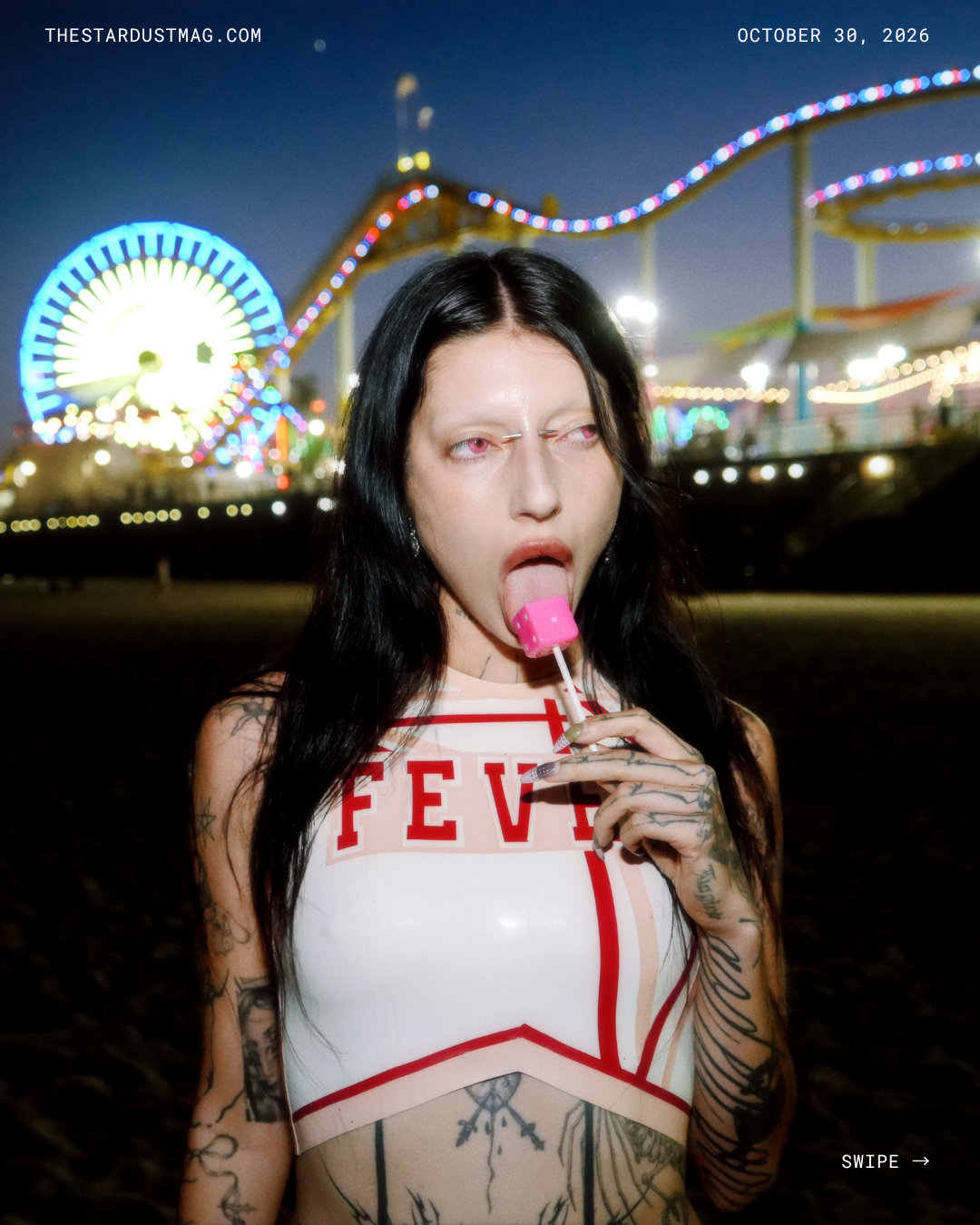
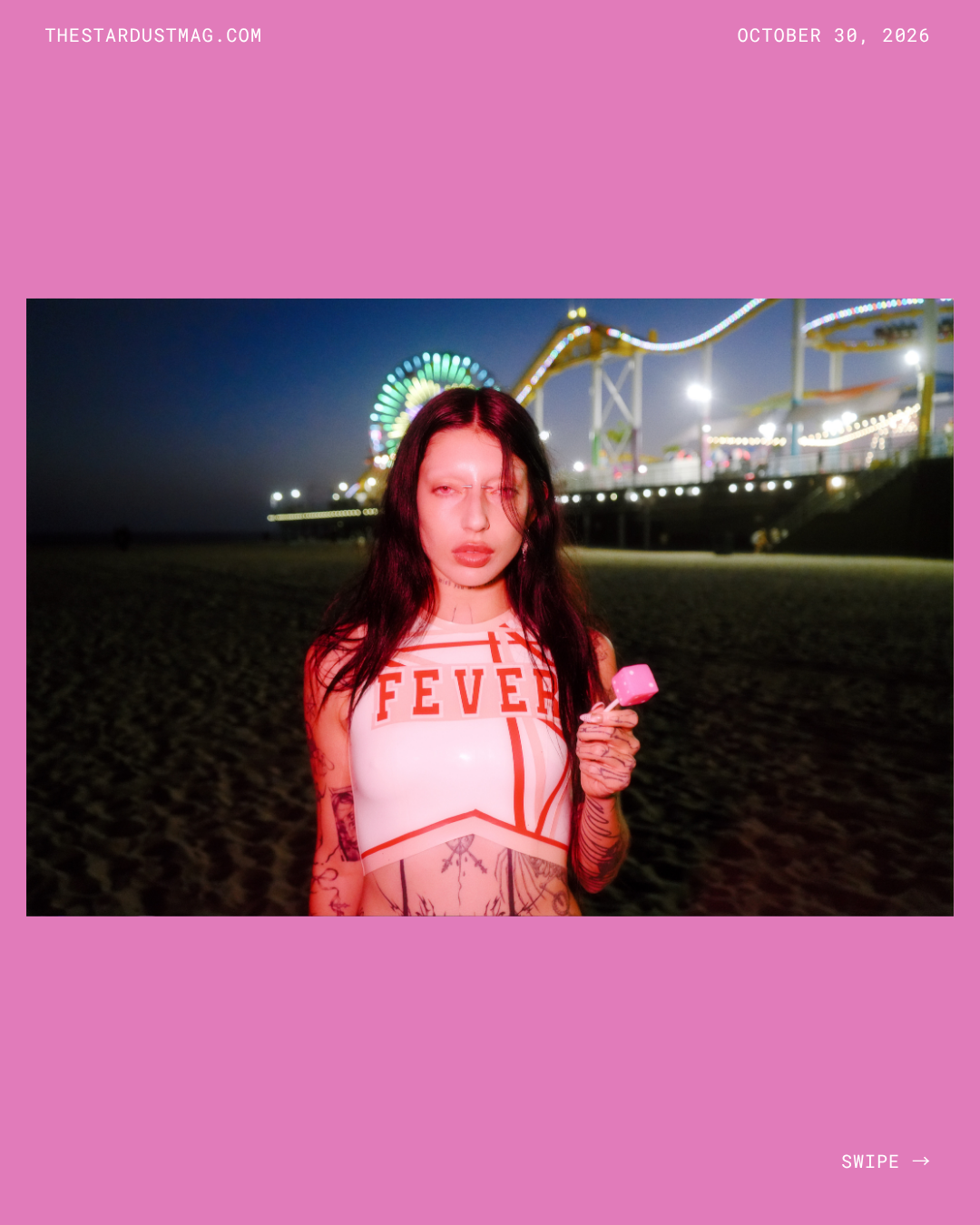
Among its recent releases is “Lollipop,” a collaboration with Princess Nokia that captures some of that contrast particularly well. The song leans into an almost exaggerated sweetness, from its hook to its playful attitude, while retaining enough edge in the production to keep things unpredictable. Alongside the other material released from Teenage Fever Dream, it offers a glimpse of an album where pleasure, aggression, humor, desire, and darker emotions can all occupy the same space. As much as the record explores those extremes, it also reflects an artist increasingly willing to trust her instincts and experiment without placing unnecessary limits on what her music can become.
Ahead of the album’s release, Stardust spoke with DeathbyRomy about revisiting her adolescence through music, collaborating with Princess Nokia, finding room for experimentation throughout Teenage Fever Dream, and how a particularly eventful year has influenced her ambitions for what comes next.
The title Teenage Fever Dream already has an interesting contradiction—something nostalgic and romanticized, but also unstable and overwhelming. When did that title enter the process, and what made it feel like it could hold the entire record?
DeathbyRomy: Love this question! The exact date the name came to me was 4/2/26. I feel like the album was only maybe half written at that point. But on this day, this became my anchor. I realized a lot of the themes and stories I found myself processing and writing were all direct memories of my teenage years. Some reflections so much clearer now in hindsight but some more distorted.
“Lollipop” leans into sweetness in a very deliberate way, while the production still carries enough bite to feel recognizable. Did you initially know that you wanted to strike that balance, or did that contrast emerge as the song developed?
DeathbyRomy: This song came about so quickly it was like the whole thing wrote itself. I had an idea for the sonic world I wanted to create first but no idea what I wanted to write about. I was actually in the desert with a bunch of friends, so the energy was a lot more playful and silly while writing, and I think that’s how its playfulness was captured.
Princess Nokia feels particularly well matched to the confidence and attitude of “Lollipop.” What made you think of her for this song, and did hearing what she brought to it change your own relationship with the track at all?
DeathbyRomy: I have been a fan of hers since 2017! She’s perfect, and she added so much new energy to the song with her verse. What she did inspired me to go in with new production to fit more perfectly and more uniquely around what she’d done and even make a third unique verse section, which actually originally had Tommy Genesis on it, but suits made it too complicated!
Your music moves between pop, industrial, metal, hip-hop, and several places in between. When you’re making an album this varied, how do you know when a song needs to lean completely into one instinct rather than trying to balance all of them at once?
DeathbyRomy: I give myself permission. There are no rules! And I just let inspiration and passion guide me. I think emotion is the main influence for where I think a song should then go sonically. But then again, sometimes I like all the more to contradict that emotion and how I think its story should be told.
With that much range across the music, sequencing becomes its own creative decision. When you were putting Teenage Fever Dream together, were you more interested in creating an emotional progression or in letting dramatically different songs collide with each other?
DeathbyRomy: I seem to always want to follow some form of accurate timeline with my storytelling on a project. A beginning, middle, and end like any good story. Some songs found their place; some were specifically created to go into and come out of each other.
Was there one song during the process that suddenly made the album clearer to you—the track that helped establish what belonged on Teenage Fever Dream and what ultimately didn’t?
DeathbyRomy: Hard to actually pinpoint this one for me. It may have been “Manic Dream,” though “Body Horror” is what made me realize I had a lot of experiences I needed and owed it to myself and my fans to process and share before I keep growing up.
DeathbyRomy has always had a strong visual identity alongside the music. When you began developing Teenage Fever Dream, what images, colors, references, or ideas started appearing around the songs, and how closely did the visual side develop alongside the record itself?
DeathbyRomy: It really shaped itself. In a less calculated and strict way than I was with the Hollywood Forever visuals, I allowed myself to play, get messy, and experiment more than I have in a long time.
You’ve been building your sound for years, but this particular year seems to have put you in front of more audiences, collaborators, and opportunities in a very compressed amount of time. What has that momentum made you more ambitious about?
DeathbyRomy: I’m hungrier than ever for my moment. I’ve put in the work and the years. I’m ready for my flowers.