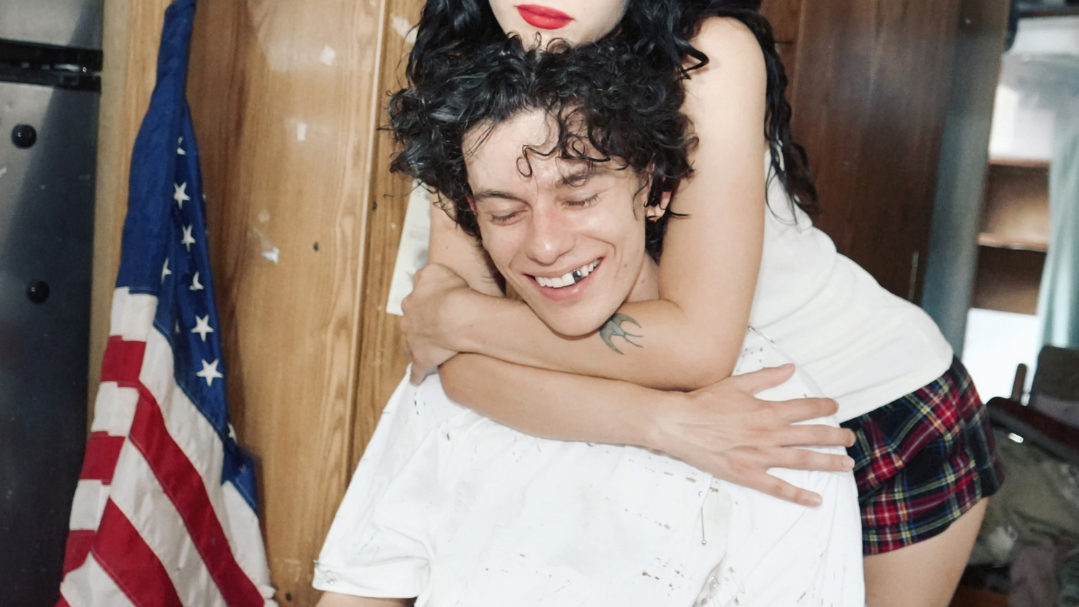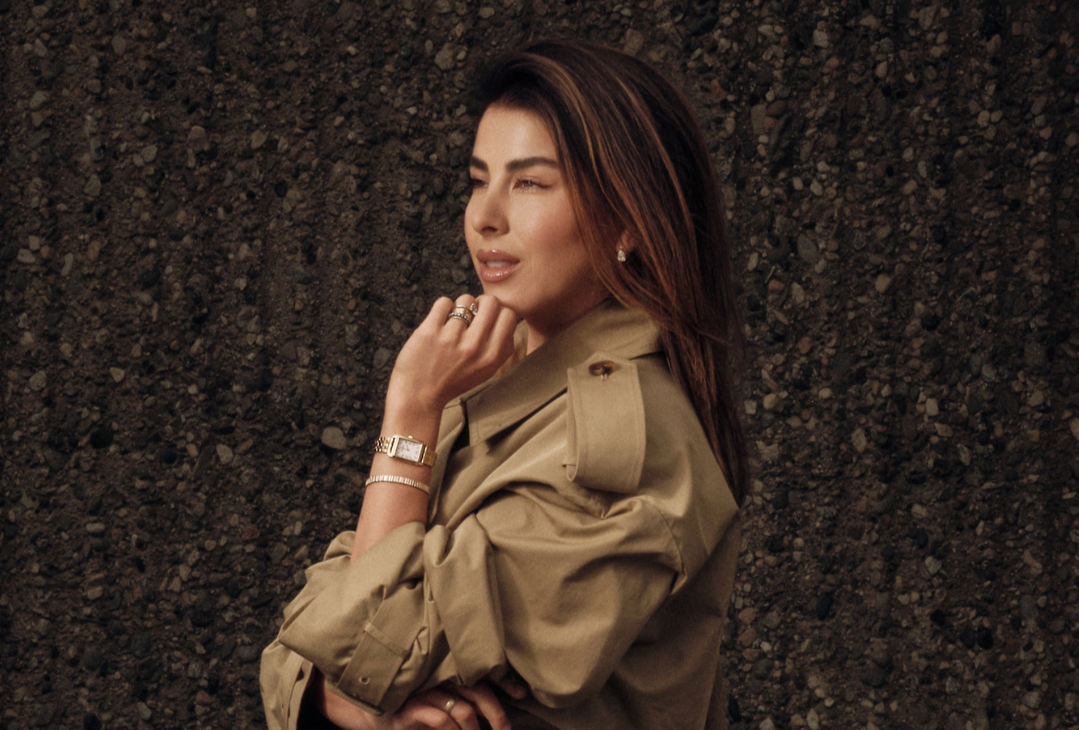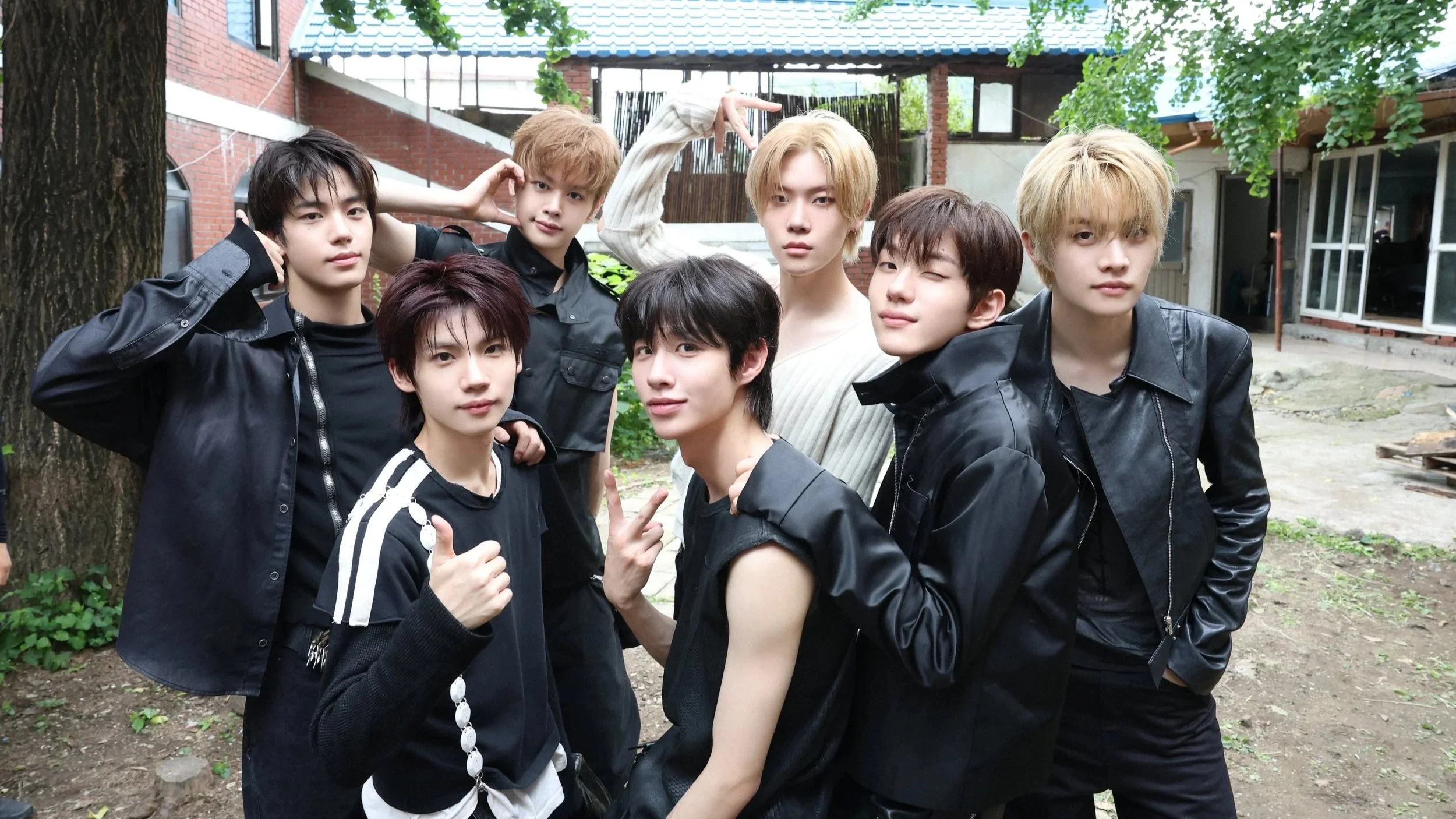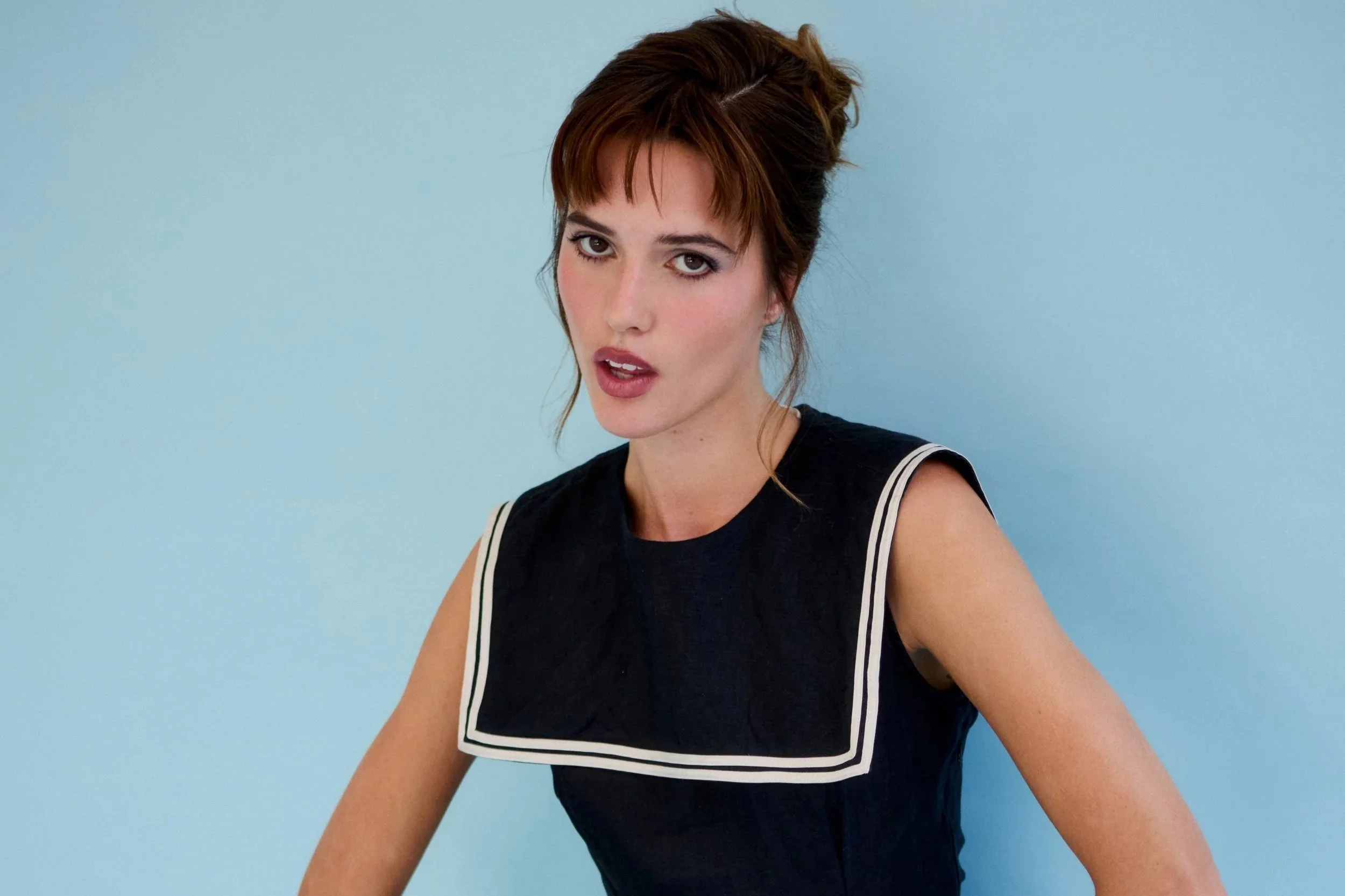

Lucifena’s path into music began in Los Angeles, where metal, pop, and rap all shaped her early listening. She first found a place in the underground post-hardcore scene as a member of You Only Live Once, touring and appearing at festivals including Warped Tour. When the band dissolved in 2018, she carried that experience into a solo career that gradually opened up new possibilities for how she wanted her music to sound.
Working with producer morgothbeatz, Lucifena began incorporating hip-hop into the heavier foundation she already knew, becoming an early presence in the developing trap-metal scene. Collaborations followed with artists including Lil Xan on “On Sight” and Slipknot’s Sid Wilson and Bad Omens vocalist Noah Sebastian on “Falling,” while her own releases continued moving through different shades of heavy and alternative music.
That progression eventually brought her to Lil Wayne and Young Money. After Wayne discovered Lucifena, she joined the label as its first female rock artist, creating a partnership that connects naturally with his own history of exploring rock alongside rap. Their collaboration “Tyrant” offered the first indication of what that new chapter could produce, pairing their distinct styles while setting up Lucifena’s next full-length project.
That project arrives September 11 with WARZONE. Drawing from shoegaze, hardcore, and alternative rock alongside the heavier and hip-hop-informed elements of her earlier solo work, the album represents her first major release with Young Money and broadens the musical territory associated with a label historically rooted in hip-hop.
The release also places Lucifena at the most visible point of a career that has continued evolving since her days in Los Angeles’ underground heavy-music scene. Ahead of WARZONE, Stardust caught up with her to discuss the album, joining Young Money, working with Lil Wayne, and the experiences that shaped where her music is headed next.


WARZONE arrives after a career that has already taken you from the post-hardcore scene into trap metal and now toward shoegaze, hardcore, and alternative rock. When you listen to the finished album, where do you hear the clearest connection between the artist you started as and who you are today?
Lucifena: I think the biggest connection is the emotion. That’s always been the one thing that never changed for me. Whether I was making post-hardcore, trap metal, or what I’m doing now, I’ve always wanted the music to feel intense and honest. The sounds have evolved because I’ve evolved, but that need to get something real out of myself has stayed the same. When I listen to WARZONE, I hear all those different versions of myself existing in the same place.
You’ve spent years combining sounds that are often treated as belonging to completely separate scenes. With Warzone, did you enter the studio already knowing what you wanted this era to sound like, or did its identity reveal itself as you were making it?
Lucifena: I definitely had a vision, but I think the album ultimately became something bigger than what I initially imagined. I knew I wanted guitars, heaviness, atmosphere, and a lot of emotion, but I didn’t want to put myself in a box and say, “This has to sound like this.” A lot of the identity revealed itself naturally while I was making it. I followed whatever felt honest in the moment, and that’s what allowed the album to become what it is.
“Tyrant” gave listeners their first introduction to the album and brought you together with Lil Wayne. What did you learn from working with Wayne on that track, and how did the collaboration help establish the larger direction of WARZONE?
Lucifena: Working with Wayne reminded me that you can have an incredibly strong identity while still being completely open to collaboration. He has such a distinct presence and such a natural way of approaching music. Being around that level of creativity pushed me to trust my own instincts even more. “Tyrant” felt like the right introduction because it immediately showed that WARZONE wasn’t going to be confined to one genre or one set of rules.
You’re Young Money’s first female rock artist, joining a label with an enormous history in hip-hop while making music rooted in a very different tradition. Has being in that environment changed the way you think about rock music or what you can do within it?
Lucifena: Definitely. Being in an environment with such a deep hip-hop history has made me think even more about how limitless music really is. I don't look at rock as something that has to stay inside a certain boundary. Rock has always been about rebellion, individuality, and pushing against expectations, so I think there’s something really natural about bringing that mentality into an environment like Young Money. I’m proud to be the first female rock artist there, but I also see it as an opportunity to show that rock can exist in spaces people might not expect.
“ITS YOU” gives listeners a different entry point into Warzone after “Tyrant.” Where does that song sit within the album for you?
Lucifena: I wanted “ITS YOU” to feel confident, liberated, and unapologetic. There’s a certain power that comes from no longer needing somebody to validate your side of the story. You know the truth, you know what happened, and you’re finally okay walking away. For me, “ITS YOU” is that energy. It’s not a sad breakup song; it’s the song you make when you’ve healed enough to laugh about the fact that you ever thought you were the problem.
You came up performing in a post-hardcore band and spent time touring and playing festivals like Warped Tour. What did those early years teach you about performing or connecting with a crowd that you still carry with you now?
Lucifena: Those years taught me that a live show has to be an experience. You can have the best song in the world, but if you’re not giving people something they can feel, they’re going to forget it. Playing those early shows, especially festivals, taught me how to connect with people regardless of whether they already knew who I was. You learn how to read a room, how to give everything you have even when you’re exhausted, and how important it is to make the audience feel like they’re part of the music. I still carry that with me every time I step onstage.
At what point did WARZONE become the title of the album, and what does that name capture about the record for you?
Lucifena: The title came from the feeling behind the entire project. I was thinking about the different battles we go through internally, externally, creatively, and just as human beings. WARZONE felt like the perfect word because the album isn't only about one specific kind of conflict. It’s about surviving, fighting for yourself, confronting things you’ve been avoiding, and coming out on the other side changed. It also represents where I am creatively. I'm not interested in playing it safe.
Years from now, what would you want WARZONE to represent when you look back at this point in your career?
Lucifena: I want WARZONE to represent the moment I stopped worrying about where I was supposed to fit and fully embraced who I am as an artist. I’ve gone through so many different musical chapters, and I don’t see those changes as something I need to explain or apologize for. They’re all part of me. Years from now, I want to look back at my album and know that I was completely fearless with it, that I made the album I needed to make at that point in my life, and make a f***ing statement.