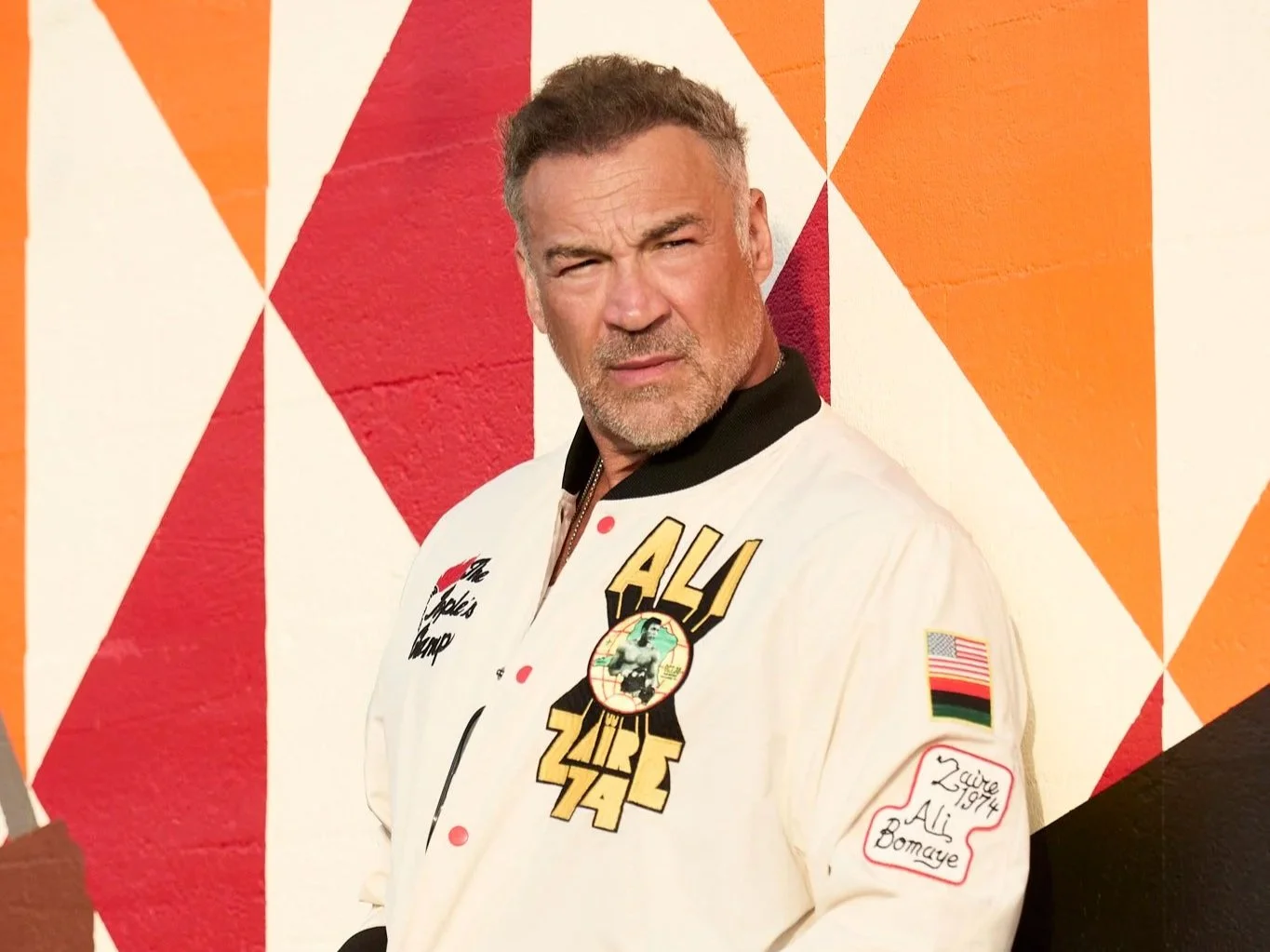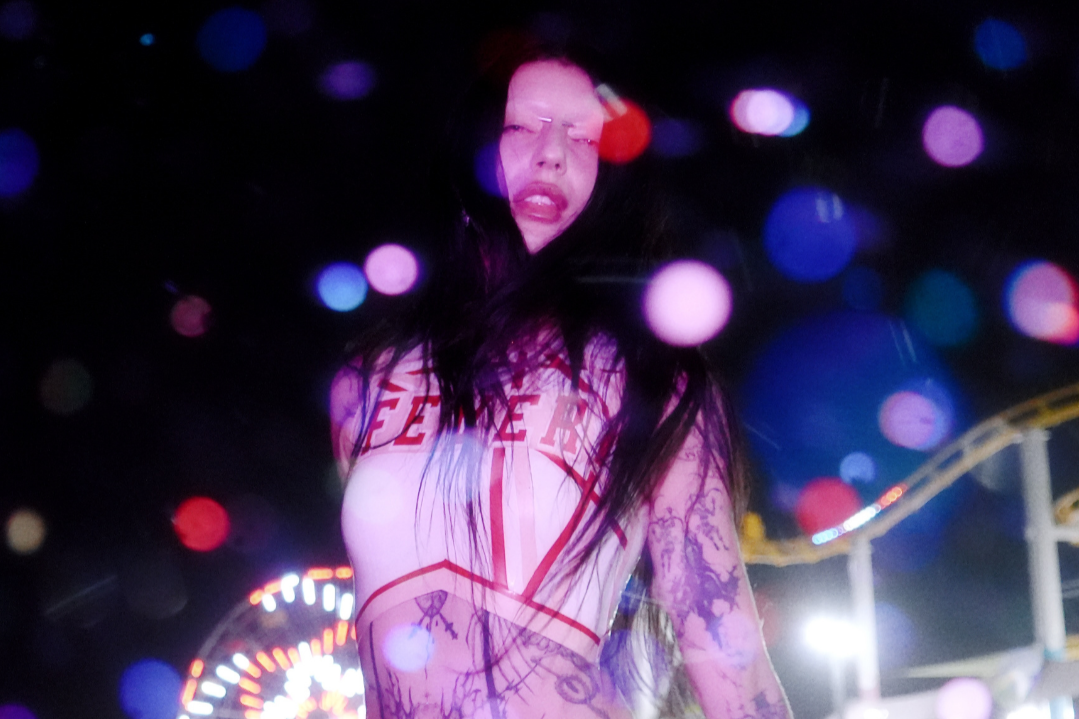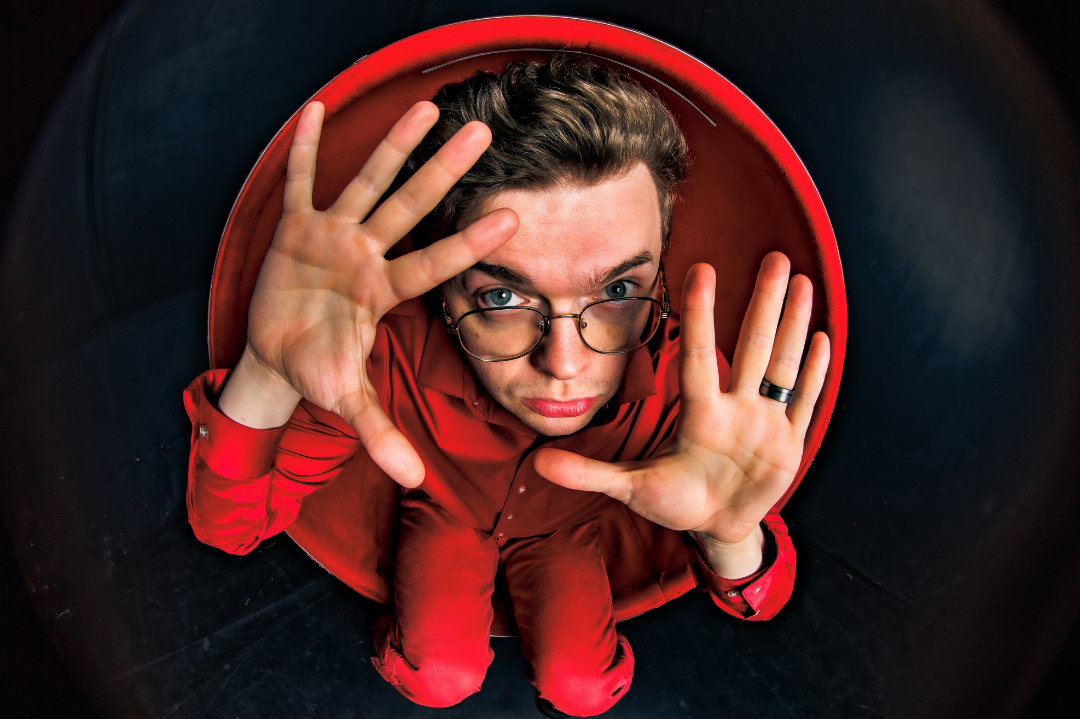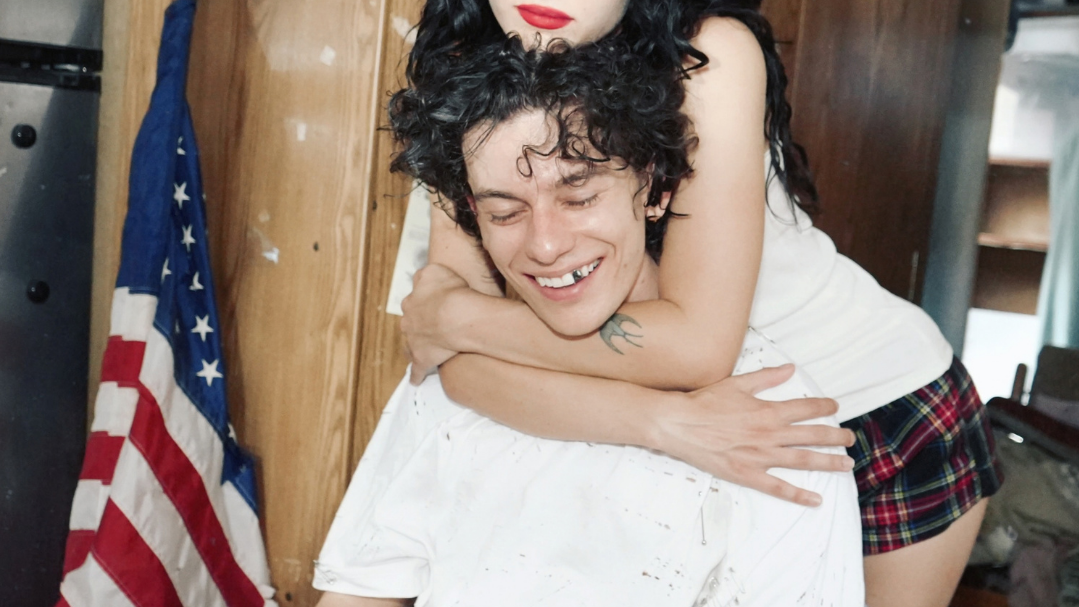

Within influential K-pop group B.A.P, ZELO became known for his rap, dance, and stage presence. Bang & Zelo, his duo project with fellow member Bang Yongguk, gave him another setting in which to explore that performance-driven identity. When he began releasing music on his own with the 2019 mini-album Distance, he could build from that experience while bringing more of his individual musical tastes into the work.
That exploration continues with independent label VLACKSQUAD, which ZELO joined in 2026. He describes wanting a team that will help him develop his own direction, including influences he has long admired outside the K-pop framework. Latin pop is one of them, and “Cola Comigo” gave that interest a place in his recent solo releases.
Making “Cola Comigo” also led ZELO to think beyond incorporating Latin rhythms, toward how he could tell his own stories within the genre. He takes that idea further in “ELA,” moving into darker, sexier, more emotional territory. Guitar and percussion give the song an after-dark feel, while its melodic immediacy recalls the 2010s global pop he listened to.
Across both singles, he’s making more room for his voice and considering how each track will feel in performance. In our conversation, ZELO discusses how his approach to singing has changed, what he wants listeners to hear in these releases, and where he hopes to take his music next.


“Cola Comigo” introduced the Latin-pop direction you’re continuing with “ELA.” After finishing that first single, what were you eager to explore further, and what did you want the next song to do differently?
ZELO: I think creating “Cola Comigo” allowed me to give a clearer direction to my existing interest in Latin music. After that, rather than simply incorporating Latin rhythms, I started thinking more about how I could develop my own identity and tell my own stories within that sound. With “ELA”, I wanted to explore something a little darker, sexier, and more emotional. If “Cola Comigo” felt like a song about approaching someone, I see “ELA” as a track that explores more complicated relationships and emotions.
When you began working on “ELA,” what was already in place, and what changed most through your involvement?
ZELO: I think the most important thing for me whenever I get involved in a project is making sure that the final result genuinely feels like a ZELO song. That means thinking not only about the melody, lyrics, and vocal delivery, but also about the emotions I want to convey when singing the song and how I want to present it on stage. In particular, I felt that “ELA” needed to come together as more than just a song. The performance and visual identity were equally important parts of bringing it to life.
“ELA” has a playful side. How does your personality come through in the song, and how much are you stepping into a character when you perform it?
ZELO: I'm naturally quite playful, and I tend to express myself more freely on stage than I do in everyday life. I think that side of my personality came through quite naturally in “ELA”. Rather than playing a completely different character, though, it feels more like bringing out a side of myself that is a little bolder and freer. When I'm on stage, I try to immerse myself fully in the atmosphere of the music, but ultimately, I think ZELO is always there within it.
You premiered “ELA” at WATERBOMB before its release, so much of the crowd was encountering it without already knowing the song. What do you remember about that first performance, and did it change how—if at all—you wanted to present the track afterward?
ZELO: What I remember most is actually the audience's reaction. Since the song hadn't been released yet, people didn't know the lyrics and couldn't really sing along. But seeing them respond to the rhythm and performance made me realize that this song could come to life even more powerfully on stage. It had also been a while since I had performed in front of an audience who didn't necessarily know me, so I was more nervous than I expected. Looking back, it's a performance I personally feel I could have done better. However, after that experience, I started thinking about “ELA” as more than just a song to listen to. I became much more focused on how to present it on stage and how to make the performance as captivating as possible.
The release also draws on the feeling of 2010s global pop. Which songs or artists from that period remain vivid for you, and what part of that feeling did you want to bring into “ELA”?
ZELO: I listened to a lot of pop music from the 2010s. I think one of the defining qualities of music from that period was how immediate it felt, with strong melodies and distinctive personalities that stayed with you after just one listen. That's the kind of feeling I wanted to bring into “ELA” as well. Rather than making something overly complicated, I wanted to create music that immediately gives you a sense of its atmosphere and imagery, and that can be remembered almost like a scene from a film when you see it performed on stage.
Across “Cola Comigo” and “ELA,” what have you been asking of yourself as a singer? Is there a moment in either recording that you would have approached differently a few years ago?
ZELO: In the past, I focused on showcasing my strengths as much as possible, particularly my performance skills and energy. These days, I'm more focused on managing my stamina and being able to sing more consistently while performing on stage. If I were recording these songs a few years ago, I probably would have tried to sing more powerfully and show as much as possible. Now, I spend more time thinking about the right vocal tone, the emotions behind the song, and even the spaces in between. I think the way I approach music has gradually changed as I've gotten older. Ultimately, what's more important to me now isn't how much I can show, but how precisely I can express it.
You joined VLACKSQUAD this year. What did you need your new team to understand about the music you wanted to make, and where can we hear that shared understanding in these two singles?
ZELO: The most important thing for me was finding a team that wouldn't simply repeat what I had already done, but would be able to work alongside me to build the direction I want to pursue in the future. Rather than limiting myself to the framework of K-pop, I want to experiment with different elements that I love, including global pop, R&B, and Latin music, and bring them together in my own way. I also want to present myself as a complete artist, where the music, performances, and visuals all come together as one identity. I think “Cola Comigo” and “ELA” have helped us gradually develop a shared understanding of that direction. I still see this as just the beginning, and there are many more things I'd like to explore together.
Having explored this sound across two releases, what are you curious to try next? Is there something you discovered while making them that you haven’t fully pursued yet?
ZELO: I want to continue developing in this direction, but I don't want to keep making the same kind of music. Even if I continue using Latin pop as a foundation, I'd like to experiment more freely with different elements I enjoy, such as R&B, electronic music, and Brazilian music. I also think my vocals are one of the aspects I haven't had enough opportunities to fully showcase yet. People may have a strong image of me as a performance-driven artist, but going forward, I'd also like to make music where my voice itself is something people remember. If “Cola Comigo” and “ELA” marked the beginning of a new chapter, I want my next releases to show more freely just how far I can take that direction.