
Then Shall I Kill in Your Stead?: Vol. 1 Review
A friendship can feel like salvation when there is nowhere else to turn. Then Shall I Kill in Your Stead? Vol. 1 takes that vulnerability somewhere deeply uncomfortable, pairing extreme school bullying with a relationship in which protection gradually becomes harder to separate from obsession.
Plot
High school student Yuuma Fujikura has spent years enduring vicious abuse from Nishino and the boys surrounding him. His refuge is late-night radio, where submitting jokes under a pen name and dreaming of becoming a broadcast writer gives him something beyond school to hold onto. Then Ryou Amezato intervenes during another confrontation and declares himself Yuuma’s friend, with their connection strengthening after they discover a shared enthusiasm for the same radio program.
The story quickly shifts from bullying drama into psychological suspense as Ryou’s willingness to protect Yuuma becomes increasingly extreme. After retaliating against his tormentors, Ryou reveals that he has Nishino restrained inside his home and forces Yuuma to confront what should happen next. Yuuma continues searching for a way out without murder, making the final phone call in which Ryou claims to have killed Nishino an effectively disturbing cliffhanger.
Characters
Yuuma works particularly well because his passivity never defines his entire personality. His radio obsession reveals humor and ambition beneath his withdrawn exterior, while Ryou draws out anger and courage that years of abuse have taught him to suppress. Most importantly, Yuuma maintains a moral boundary even when given every reason to want revenge, creating tension between what has been done to him and the person he still wants to be.
Ryou is much harder to categorize. He can be funny, attentive, and seemingly sincere before shifting into calculated cruelty with very little warning, while his unusually intense attachment to Yuuma immediately raises questions about his motivations. Yuuna Yokota adds another painful perspective through her attempts to help Yuuma and her own experience with abuse and blackmail, reinforcing how thoroughly the adults around these teenagers have failed them.
Art
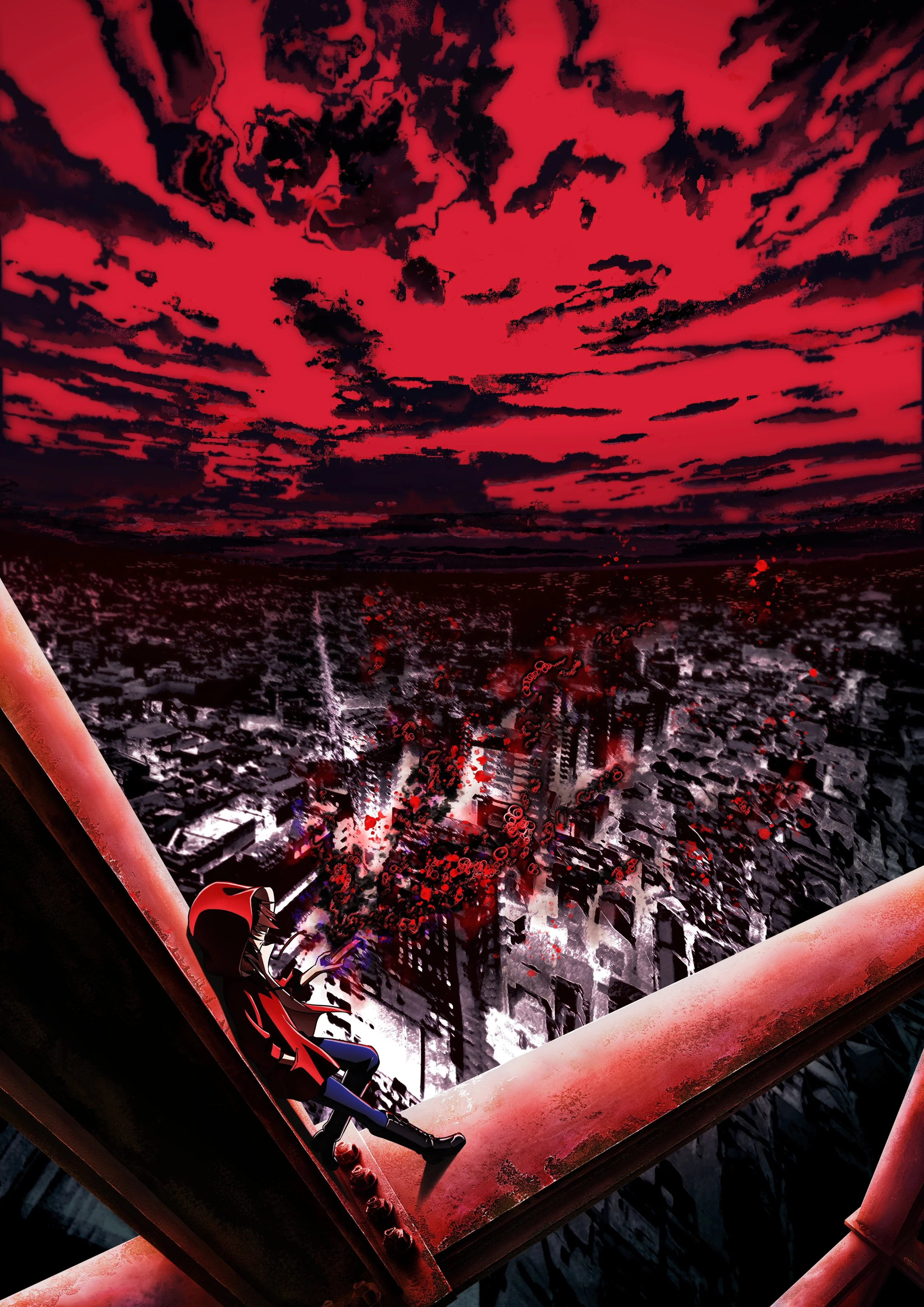
Sousou Sakakibara’s character work gives the manga much of its psychological bite. Attractive, polished designs can become unnerving through a smile held slightly too long, an emptied stare, or an expression whose emotion remains deliberately difficult to identify. Ryou benefits especially from this approach because his appearance rarely changes dramatically when his behavior does, allowing even his calmest moments to carry menace.
The violence is graphic, encompassing severe (and mature) topics, but its impact comes as much from contrast as explicit detail. Cleaner school scenes and seemingly friendly exchanges between Yuuma and Ryou make the sudden brutality feel invasive, while careful shifts in expression ensure the psychological discomfort remains present even when nobody is being physically harmed.
Themes
The first volume repeatedly questions what protection means when the person offering it recognizes no acceptable limit. Yuuma desperately needs someone willing to stand beside him, and the failure of teachers and other authority figures creates the opening Ryou occupies. His intervention genuinely changes Yuuma’s circumstances, but each solution also ties him more closely to someone whose moral boundaries differ drastically from his own.
The bullying itself also becomes a study in how prolonged cruelty can harden people. Yuuma has learned to suppress anger, expect humiliation, and endure situations that should never feel normal, while the people around him reveal different forms of desensitization, resentment, and retaliation. Friendship consequently becomes both refuge and danger as affection, loyalty, justice, revenge, and dependency begin to overlap. The most unsettling question becomes less about whether Ryou genuinely cares for Yuuma and more about what someone capable of caring this intensely might eventually justify in his name.
Verdict
Then Shall I Kill in Your Stead? Vol. 1 is a heavy psychological thriller driven by escalating suspense, expressive artwork, and an unusually volatile central friendship. Its severe subject matter gives the story a deliberately uncomfortable edge, while Yuuma and Ryou provide enough complexity to make that discomfort difficult to dismiss.