
Over nearly a decade, The Wldlfe have learned how to turn their different musical interests into a shared language. For the Indianapolis trio—vocalist Jansen Hogan, guitarist and vocalist Carson Hogan, and bassist Jack Crane—that has meant finding the connective thread between ’80s rock, Top 40 pop, alternative, and indie: buoyant hooks paired with emotionally direct songwriting. Across a growing catalog of EPs and albums, including 2024’s Heaven Is a Place, they have continued to expand what their music can hold while building a sound that remains distinctly their own.
Much of that identity developed through years of moving between the studio and the road. The band have toured across North America with The Band Camino, Flor, Knox, Nightly, and COIN, reaching sold-out crowds and listeners who have followed them from one release to the next. Their music has now surpassed 125 million global streams, though the pace behind that growth often left little time to step away from a song before completing it and moving forward.
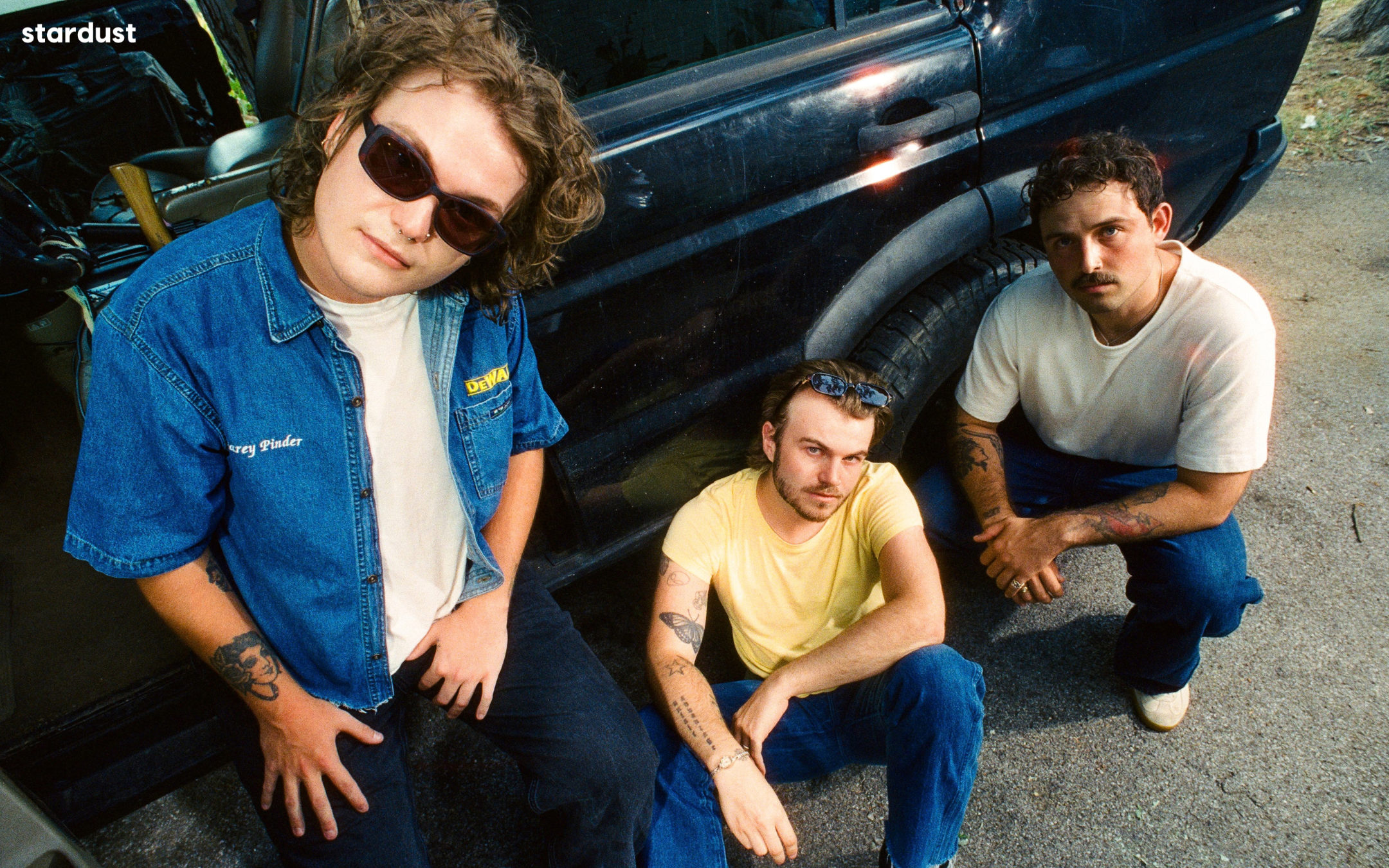
When work began on their forthcoming album, Revolver, The Wldlfe allowed themselves to slow that process down. Due October 2 via Riser House Records, the project had more time for experimentation and revision, giving the trio a chance to live with their choices and return to songs with a clearer sense of what they needed. “Parachute,” “Lips,” “No Sleep,” and “Heart” offered the first indications of where that freedom led, while the latest single, “Saturn,” brings another side of the record into the spotlight.
That extended studio process will soon meet the stage as The Wldlfe prepare to begin their headline Long Way Home tour October 17 in Orlando. Ahead of the album’s release, the trio joined Stardust to discuss what nearly a decade together has taught them, the creative decisions behind Revolver, how “Ruby” opened the door to a different kind of storytelling, and what they hope to carry into the record’s live performances.
Looking back over nearly a decade together, what have you come to understand about each other creatively that has changed how you work as a band?
Jack Crane: When you work with someone for as long as we have worked with each other, you become very familiar with how they work, what their tendencies are, where your strengths complement them and where theirs complement you, and how to push them to be better. I think in ways we are always sharpening each other and learning from one another. I don’t know if any one thing has changed how we work as a band, but it’s this sort of living and ever-evolving thing that evolves and strengthens with time.
For Revolver, you gave yourselves more time to experiment and revise. What did that look like in practice, and where did it make the biggest difference to a song?
Jack Crane: We just had more time to sit with things longer and make sure that everything was what we wanted for this album. Everything got to breathe a bit more. I would say it made the most difference in “Ruby” and “California Can.” Both of those songs were being tweaked on and off throughout the whole process, and I don’t know if we would be as happy with them if we hadn’t had the time to get them right.
“Ruby” has been described as reflecting the creative shift behind the record. Can you take us back to its starting point and explain how it developed?
Jack Crane: Our albums typically reflect where we are in our lives while we’re making them. After our last record, we found ourselves more or less in the same place—there weren’t a lot of big, dramatic changes at that time, so we started playing around with the idea of writing from a perspective that is less personal and more story-driven. When Jansen showed us “Ruby,” it felt really fresh for us and like a really cool opportunity to expand on the universe that song created. Who are these characters, and what could this story be? It was a really fun way to write and allowed us to pull from so much more than our own experiences.
The album draws from ’80s rock, Top 40 pop, alternative, and indie. Was there a particular sound or influence that you were excited to explore further this time?
Jack Crane: We always try to do something new with every project. That’s sort of in the DNA of the band. There were definitely some vibes from the last album, Heaven Is a Place, that we felt really good about. That album felt really like “us” and who we wanted to be as a band, so there is a continuation of exploring some of those sounds, but there are also plenty of new sonic firsts for the band. We are constantly inspired by new things, and that definitely reflects in the music.
You’ve spoken about letting go of outside expectations. When you’re deciding whether a song feels right for The Wldlfe, what do you listen for—and how do you work through different opinions?
Jack Crane: By now, I would say we generally agree when something feels right for the band. Even with songs that may feel a bit further out, we are always open to seeing if they feel right for us. I don’t think there is something specific we look for—if it excites us, we know it’s worth seeing through.
Which song on Revolver would you most like to discuss beyond what someone might understand from a first listen? What would you want to share about its story?
Jack Crane: There’s not as much of a story behind this album as there has been with our past records. I think, more so, we put a lot of time, energy, and love into this album, and we hope that is apparent when anyone listens to it.
As you prepare for the Long Way Home tour, what are you discovering about how these new songs work live? Are any inviting a different approach to your performance?
Jack Crane: We haven’t started rehearsals quite yet, but we were very intentional when making this record because we really wanted to capture a lot of who we are as a live band. We wanted that to be really on display. I think that will make performing them live more seamless. These are songs that were meant to be played live, and we are super excited about that.