
Out of the Cocoon Review
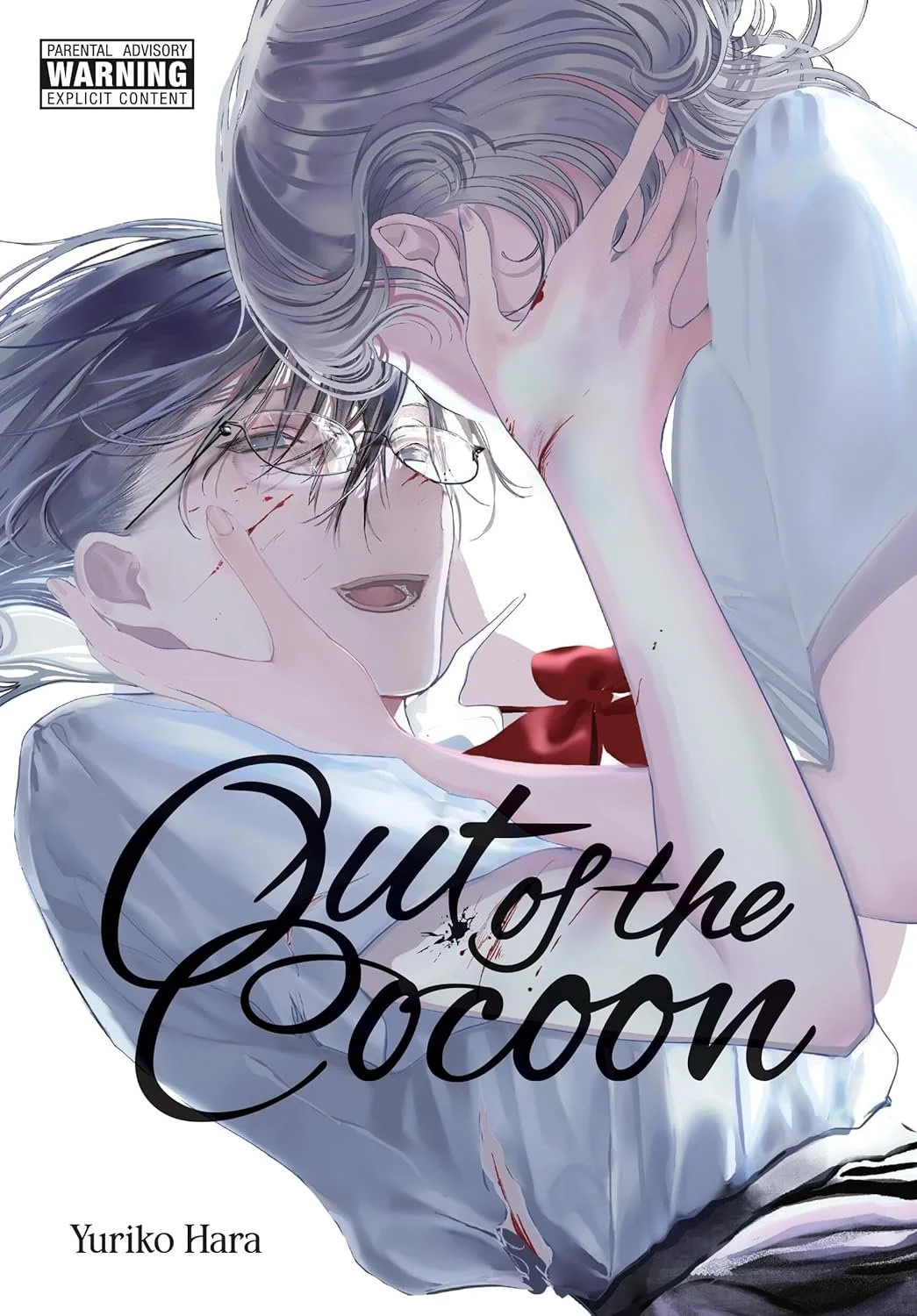
Out of the Cocoon is Yuriko Hara’s short-story collection that sits adjacent to Cocoon Entwined, using the anthology format to explore love under pressure, from apocalyptic tenderness to outright horror. So, what can you expect from this one? Well, a lot.
Yen Press
Plot
This isn’t a single through-line narrative so much as a set of one-shots connected by mood and premise: romance pushed into corners where the world is ending, the body is unstable, or desire curdles into something frightening. More specifically, the collection is explicitly framed as three one-shots, and a postscript story titled “Out of the Cocoon” tied to Cocoon Entwined.
And the named shorts give you a good sense of the range. “If the World Ends Tomorrow” is crafted with the intention of becoming a bittersweet BL, built around the question of what you’d wish for at the end of the world. “Dog Eat Dog” is framed around a bloodier, deadlier attachment, and “Sweet Dreams Zombie” centers on ‘trust’ in a zombified partner. Finally, the title piece “Out of the Cocoon” is positioned as an after story for Youko and Hana (the most-anticipated inclusion), extending their relationship beyond the main Cocoon Entwined run.
Characters
Because each story is a one-shot, the characterization has to land fast: people revealed by what they confess, what they rationalize, and what they’re willing to cross when the usual guardrails stop holding. That publisher framing also matters for setting expectations about tone and range. This collection is explicitly a mix of yuri and BL, and it treats “attachment” as part of the point, not just romance in a softer register.
The only recurring characters, as advertised, are Youko and Hana in the final piece, which is clearly written for readers who already have Cocoon Entwined in their bones. The rest of the cast arrives in sharp, self-contained bursts: intimacy at the end of the world, intimacy shaped by hunger, intimacy complicated by the fact that one person isn’t fully alive anymore. Even within short runtimes, the stories still find connective tissue through mood and escalation, and when they lean into bloodshed, they don’t do it delicately. The result is a set of big swings that makes the characters feel larger than the page count suggests.
Art
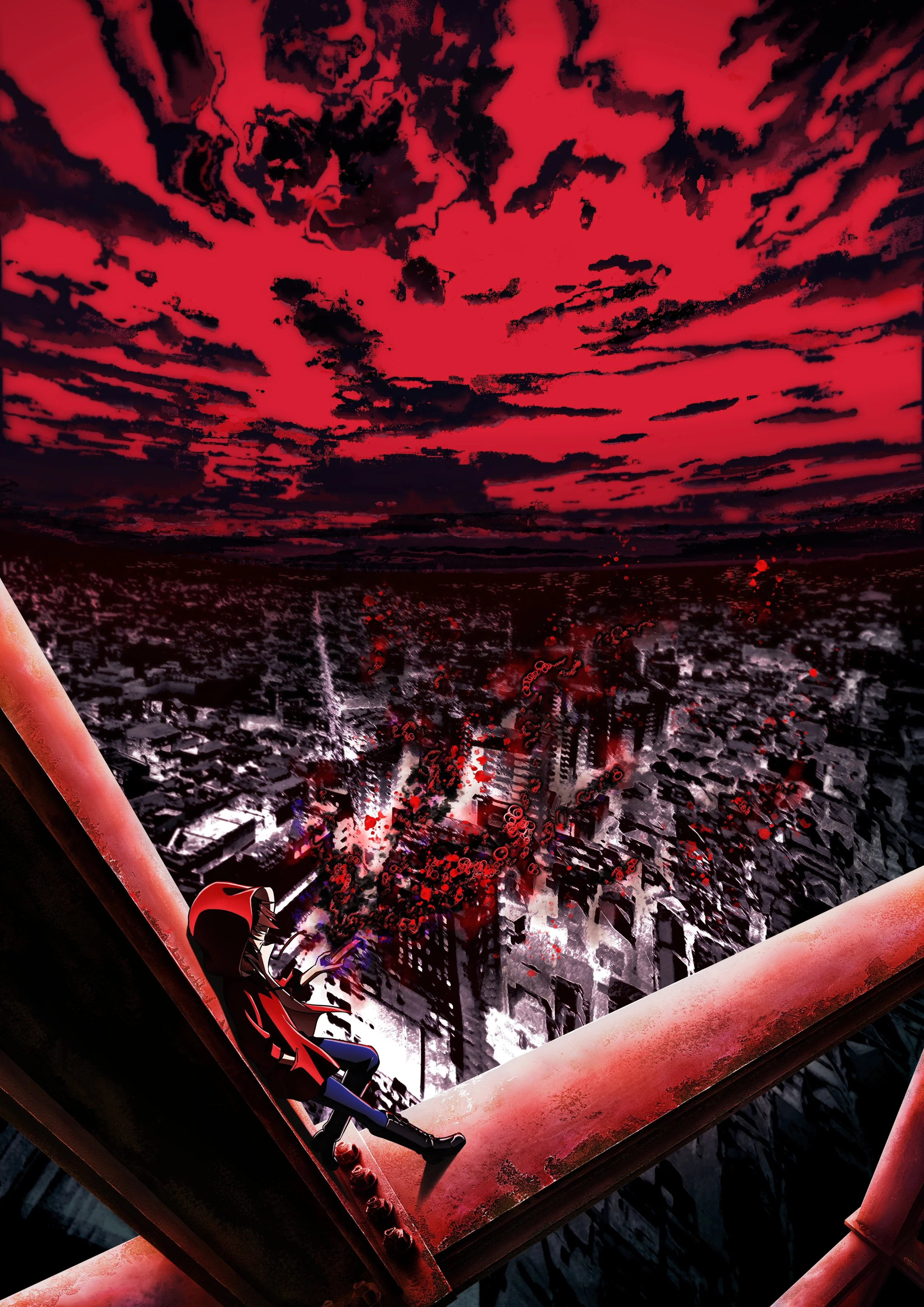
Yen Press’s copy sells the experience as “haunting,” ranging from horrific to wistful, which lines up with how you’d expect the visuals to operate: romance-first compositions that still have to make room for dread. What’s notable, even from the way the book is packaged and described, is that the horror isn’t treated as a separate genre layer. The scenarios are inseparable from the relationships—apocalypse and zombification are all described as the premises of love stories, not interruptions to them. And as it plays out, you can really start to recognize that attention to balance.
Themes
What unifies the collection is how it treats devotion as something that thrives (or becomes totally unhinged) in crisis. These stories keep circling love at its most exposed, when death feels nearby and the lines that usually keep people “civil” start to blur. The horror isn’t there to decorate the romance; it’s the pressure test, forcing every character to decide whether attachment is shelter, appetite, or a kind of self-destruction they’re willing to name as love.
It also refuses to stay in one register of queer storytelling. By moving between yuri and BL, the book reads less like a set of variations on a single pairing type and more like a curated argument: sincerity doesn’t automatically make desire clean, and tenderness can coexist with something sharp enough to hurt.
Verdict
If you’re coming in from Cocoon Entwined, the main concrete draw is the final Youko-and-Hana chapter. If you’re new, the anthology structure makes it a low-commitment entry point into Hara’s eccentric interests.