
Angel Links has always felt like the kind of anime that comes and goes too quickly. You blink, and you’re practically halfway through the run, and weirdly invested in a crew that could carry a longterm run.
It’s also easy to see why it could be considered to be a dark horse. It’s compact, confident, and not especially loud about what it’s doing. It just keeps layering in character texture, mythology breadcrumbs, and action that lands with real momentum. So if you’ve ever had a soft spot for scrappy sci-fi teams who feel like a found family without the show forcing the label, this one sneaks up on you.
Here are five reasons we’re still obsessed.
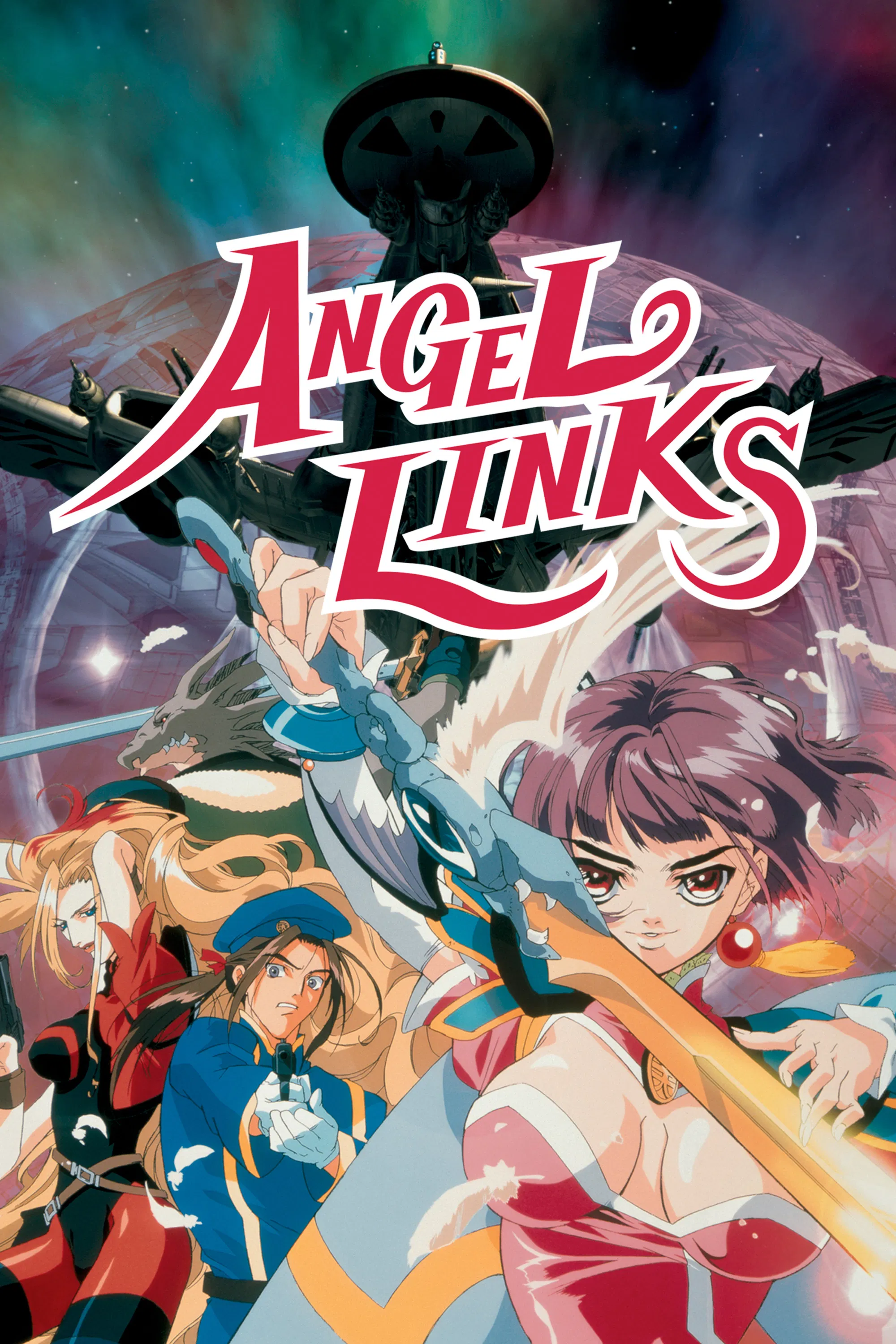
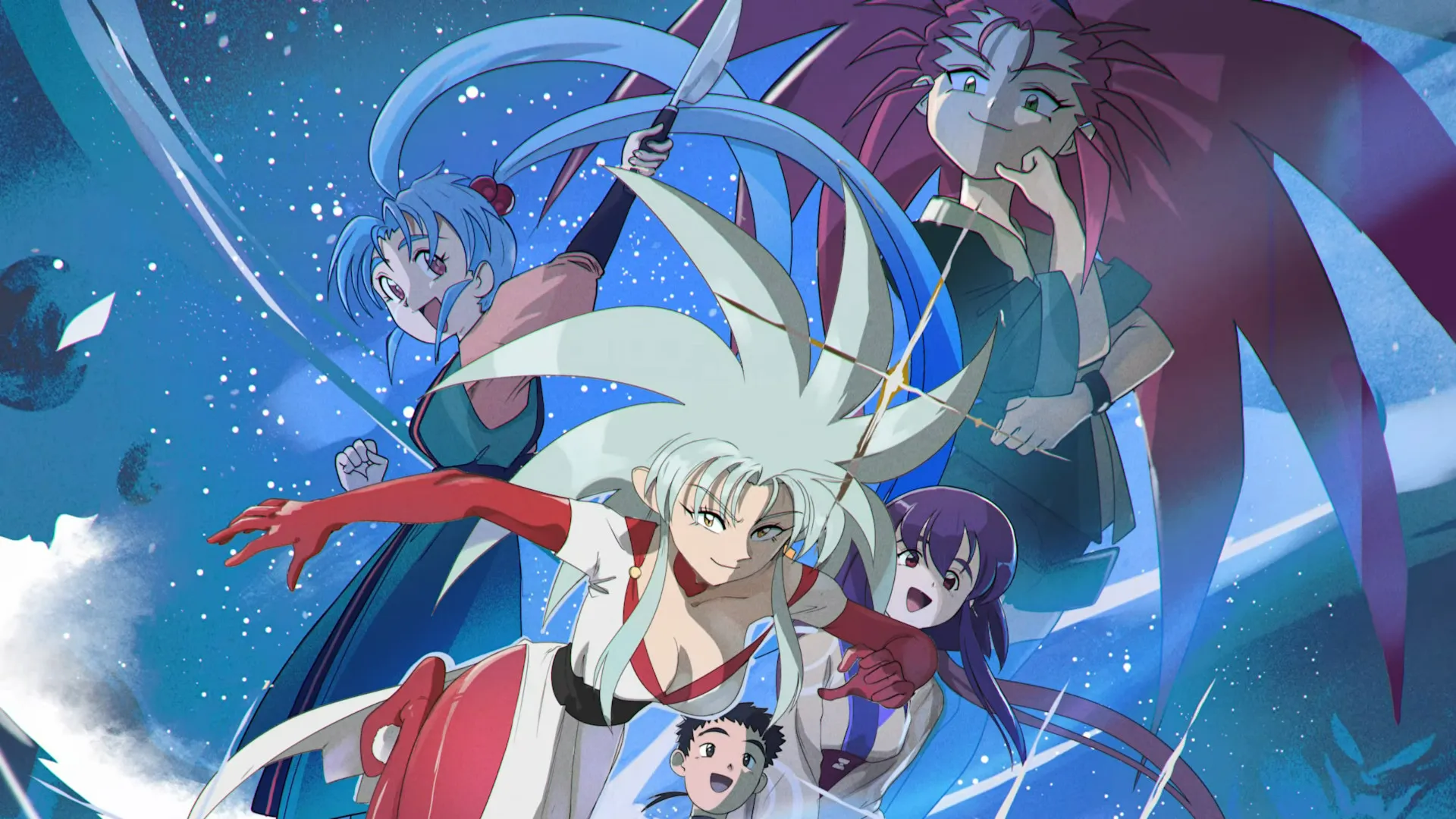
Angel Links: Bandai Visual | Photo Credit: Funimation and Crunchyroll
The crew is the secret weapon
A lot of space adventure anime assemble a crew and call it chemistry. Angel Links actually earns it. The team may start in recognizable roles, but the show gradually loosens the bolts and lets everyone lean into their own rhythm, their own quirks, their own strengths. The longer you spend with them, the clearer it becomes that the series isn’t just building a unit, it’s celebrating individuality as the thing that makes the unit work.
It’s also the emotional engine. Yes, there are pirates, chase sequences, and high-stakes missions, but the real fuel is the way the crew looks out for each other. Trust gets built in small, unflashy beats, a check-in, a quick cover, a decision made on someone else’s behalf, moments that would be tossed aside in a lesser show. Here, they accumulate. They matter.
And that’s the secret to why the action lands as well as it does. Great sci-fi almost always has a heartbeat under the lasers and velocity. Angel Links gets that if you want the danger to register, you have to care who’s in the cockpit.
Meifon Li is a genuinely multifaceted lead
Meifon is both the hook and the biggest surprise here. She’s quirky and blunt, and she walks into scenes like she owns the air. She can command a room without raising her voice (or by raising her voice), and she has the kind of charisma that makes everyone else feel like they’re reacting to her orbit. At the same time, she’s sincere in a way that reads as oddly rare.
And the best part is that the show lets her be complicated without turning her into a complete riddle. She’s competent, sometimes reckless, sometimes emotionally impulsive. She can be funny and sharp in the same breath, then suddenly quiet when something hits too close. The more you learn about her, the more you realize she’s propelled by something deeper, and that backstory starts to reframe her every decision.
That’s essentially the core of why she’s so easy to root for, and the MVP of the series. The anime lets you see the cracks, the pressure, the weight behind the confidence that comes attached to her lore. Then, when the story pivots into its more personal territory, Meifon proves she’s strong enough to carry it and interesting enough to make you want to follow.
It plays in the Outlaw Star universe without feeling like a retread
Part of the fun is the connective tissue to Outlaw Star. The links are there, whether it’s recurring concepts like bio-android threads, familiar ship elements, or the broader sense of a universe that already has history baked into it. You get that feeling of continuity, like you’re catching a new route through a place you’ve visited before.
What Angel Links does well is keep the connection light enough that it never feels like homework. It’s not trying to replace anything, and it’s not copying a blueprint beat-for-beat. It feels more like a counterpart that spotlights new pockets and new personas, the corners that don’t always get the camera in the main story. That choice gives it freedom. It can riff on similar themes while still having its own tonal fingerprint.
That’s also why it holds up as its own watch. You can come in because you love the universe, and stay because the series has its own priorities. It’s building a crew-first story, with Meifon at the center, and it treats the wider setting as a sandbox rather than a shrine.
The pacing is tighter than it gets credit for
A lot of cult favorites are beloved in spite of their pacing. Angel Links is beloved because of it. The show knows it only has so much runway, and it uses the runtime well. It reveals just enough to keep you guessing and coming back, but it rarely drags its feet. You can feel the structure constantly working.
There’s a steady rhythm to how it opens doors, answers questions, and pivots into new information without losing the thread. The early episodes do the crucial work of establishing the crew and the mission framework, then the series starts sliding in deeper mythology and personal stakes. It doesn’t dump everything at once, and it doesn’t tease forever either. It keeps moving.
That balance is what makes it so easy to binge now. You finish an episode, and you feel satisfied, but also nudged forward. The show leaves very few stones untouched by the end, which is especially impressive for a story that’s juggling action, worldbuilding, and character arcs. It’s compact storytelling with intention.
It’s an AMBITIOUS Genre-Blending story with heart
At its best, Angel Links hits the sweet spot between genre thrills and character-forward storytelling. The action is staged with enough clarity and energy to sell the danger. The designs and the visuals carry a confident sci-fi vibe. The show understands the fun of speed, tech, and confrontation.
What gives it staying power is the emotional undercurrent running beneath all of that. The fights land because you know what’s at stake for the people involved, and because the series keeps returning to the crew’s bonds as a grounding force. Even when the plot swings bigger, the show doesn’t abandon the human scale.
That merger is harder than it looks. Plenty of series can deliver spectacle. Plenty can deliver feels. Angel Links connects both in a way that feels balanced, like it’s taking the same care with character beats as it does with the momentum of its detailed art. That’s also another component of why it lingers, and why it’s so easy to recommend to someone who thinks they’ve seen every worthwhile space adventure already.
And yes, it leaves you wanting more. The world is wide enough, and the characters are strong enough, so all these years later, that the door still feels worth opening.