
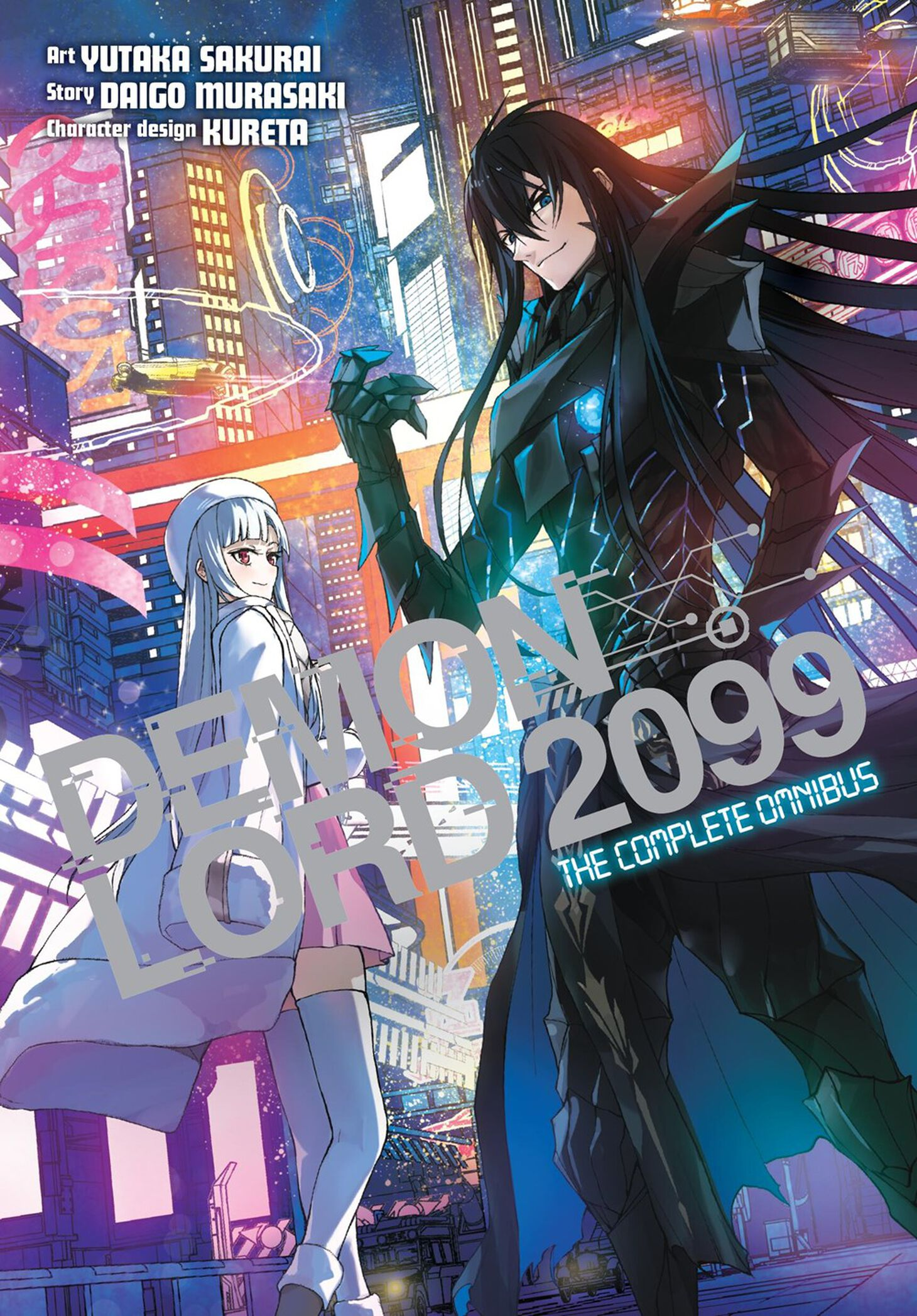
Demon Lord 2099: The Complete Omnibus Review
Five centuries after his defeat, a demon lord wakes up in a world that has no use for medieval pageantry—and Demon Lord 2099: The Complete Omnibus collects the entire manga adaptation in one hefty volume (584‑page paperback, published by Yen Press).
Instead of treating his return as a slow climb back to relevance, the story hurls Veltol straight into a future where fame is infrastructure and “belief” flows through new technological channels.
Plot
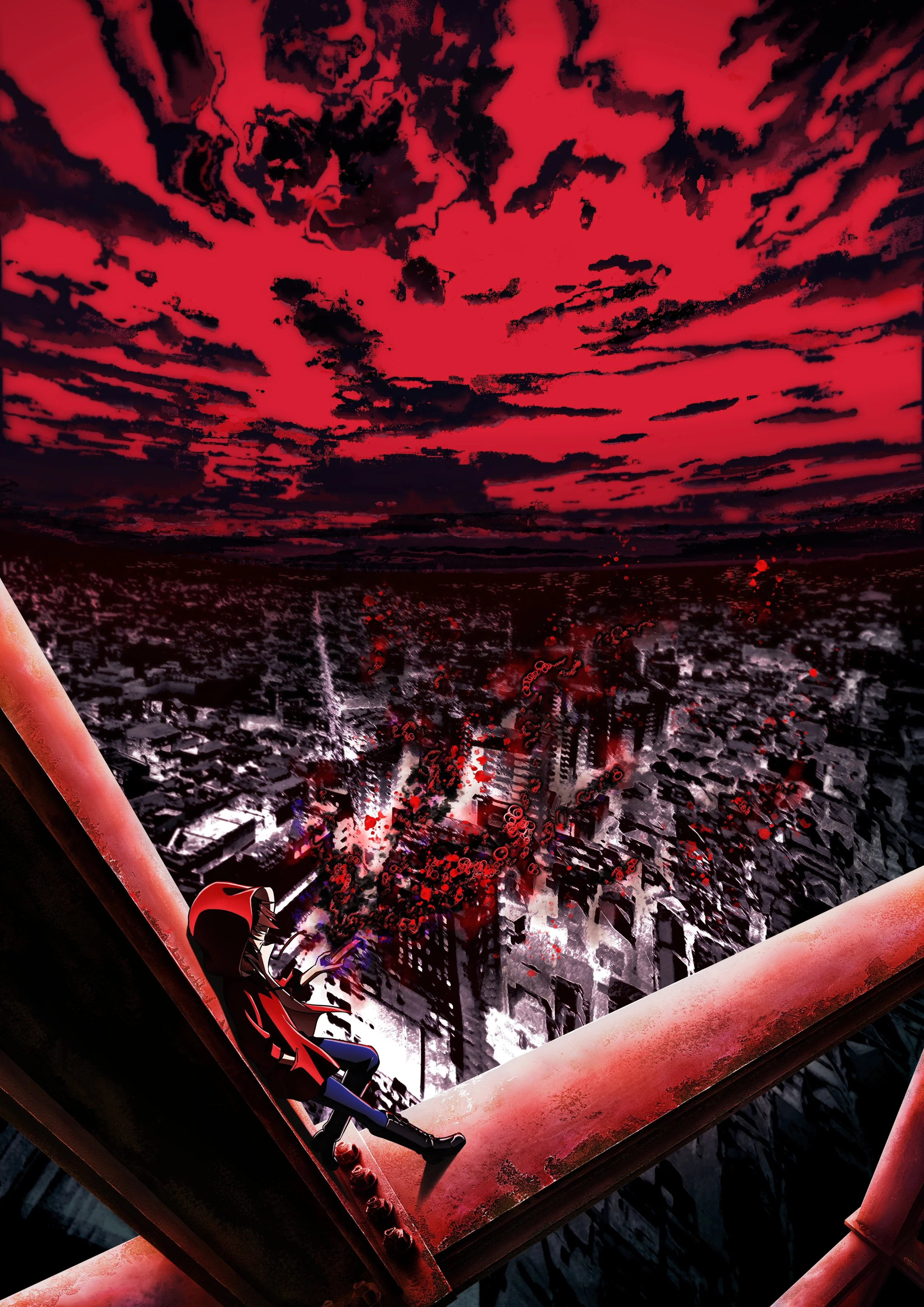
Yen Press’s edition lays out the premise clearly: in the Fused Era’s year 2099, the legendary Demon Lord Veltol is resurrected to find his old world replaced by a cyberpunk Shinjuku where magic and technology have merged, and the age of Demon Lords and Heroes has faded into something people treat like distant history.
Early chapters follow Veltol as he tries to convert old‑world domination into something that works in a hyper‑modern city. One of his first major adjustments is surprisingly mundane: in this era, “streaming” is a viable profession, and by the time the story reaches the material originally published as Volume 2, he has already become a video creator with a massive following—using audience engagement as a literal source of magical power.
But the manga doesn’t stay in a pure “content‑creator” groove. Takahashi, a hacker and one of Machina’s few allies, pulls Veltol into a protection job involving stolen data tied to a covert deal between yakuza‑like guilds. This drags him beneath Shinjuku’s glossy surface and into the corruption powering the city.
From there, the stakes escalate sharply and personally as Veltol confronts the city’s hidden machinery—pushing him deeper into Shinjuku’s underbelly.
Characters
Veltol is introduced as an immortal tyrant whose current weakness is brutally practical: his magic depends on belief, so rebuilding a following is a matter of survival, not ego. The manga leans into the tension at the heart of the premise—he speaks and behaves like an ancient conqueror, yet his path to renewed power runs through metrics, audiences, and the strange humor of a world that has moved on without him.
Machina serves as the emotional anchor. She’s the loyal subordinate who resurrected him, and her disappearance becomes the pivot for the story’s final act. Takahashi acts as the group’s link to the city’s systems—digital, political, and criminal—which naturally makes her both a plot driver and a grounded counterpoint to Veltol’s theatricality. The trio works because they form a small, makeshift family navigating a city far larger than any one legend. It’s easy to see why the series eventually earned an anime adaptation.
Art
Yutaka Sakurai’s artwork has to do two things at once: present Shinjuku as a neon, engineered skyline, and integrate fantasy elements without making them feel like afterthoughts. The strongest pages let technology and sorcery coexist naturally—screens, signage, and dense urban textures sit comfortably beside spell effects that read cleanly in motion.
Action is clear and momentum‑driven rather than ornate. The art’s biggest strength is contrast: Veltol’s imposing silhouette and theatrical expressions against the city’s corporate sheen, and that sheen against the darkness lurking beneath Shinjuku’s prosperity. The balance is deliberate and effective.
Themes
The most explicit theme is also the most literal: faith as fuel. The series treats belief as a quantifiable resource Veltol needs to regain power, and the manga quickly ties that belief to modern audiences—viewers, followers, and channel growth.
The setting’s core idea—Fantasion, merged worlds, and “magineering”—supports a second theme: hybridity as the new normal. The story isn’t interested in separating magic from machines; it’s interested in what happens when they’re inseparable, and when prosperity depends on systems most people never see.
Later chapters highlight this tension through Shinjuku’s hidden brutality and the Immortal Furnace, pushing the narrative toward questions of exploitation and the cost of power. When Machina disappears, the story’s fixation on “power” becomes personal—shifting from abstract worldbuilding to loyalty, debt, and the emotional price of rebuilding an empire.
Verdict
Yen Press’s full omnibus offers a sharp, convenient way to take in the manga from start to finish. The story leans fully into its cyberpunk roots, pulling its ancient, larger‑than‑life hero into the grinding modern machinery of Shinjuku. If you’re looking for a fantasy protagonist who isn’t softened into virtue but instead must refashion his villainy to suit a world that’s always watching, this hits the mark.