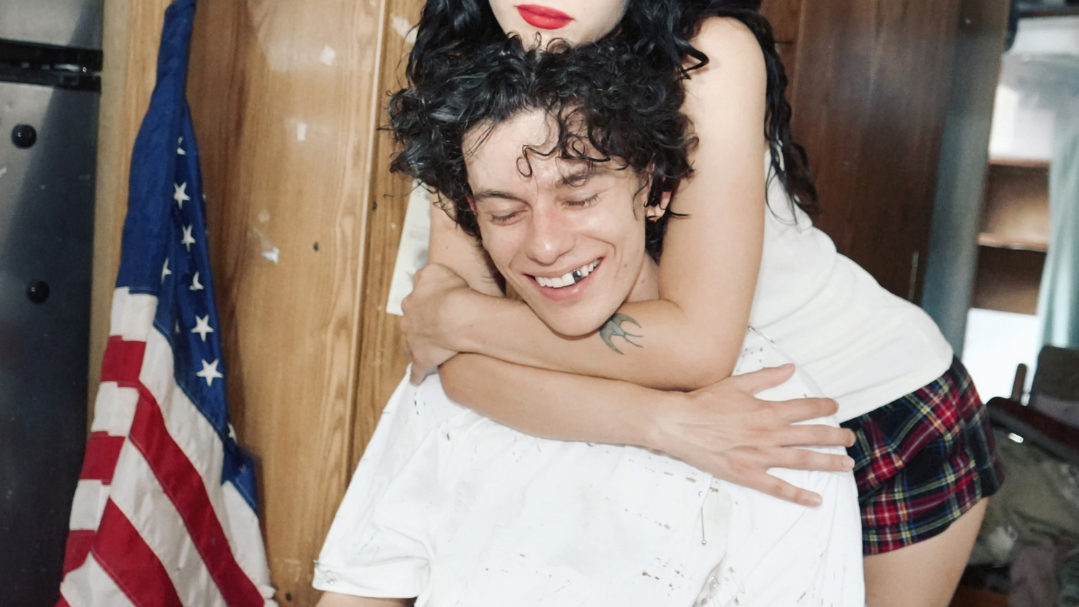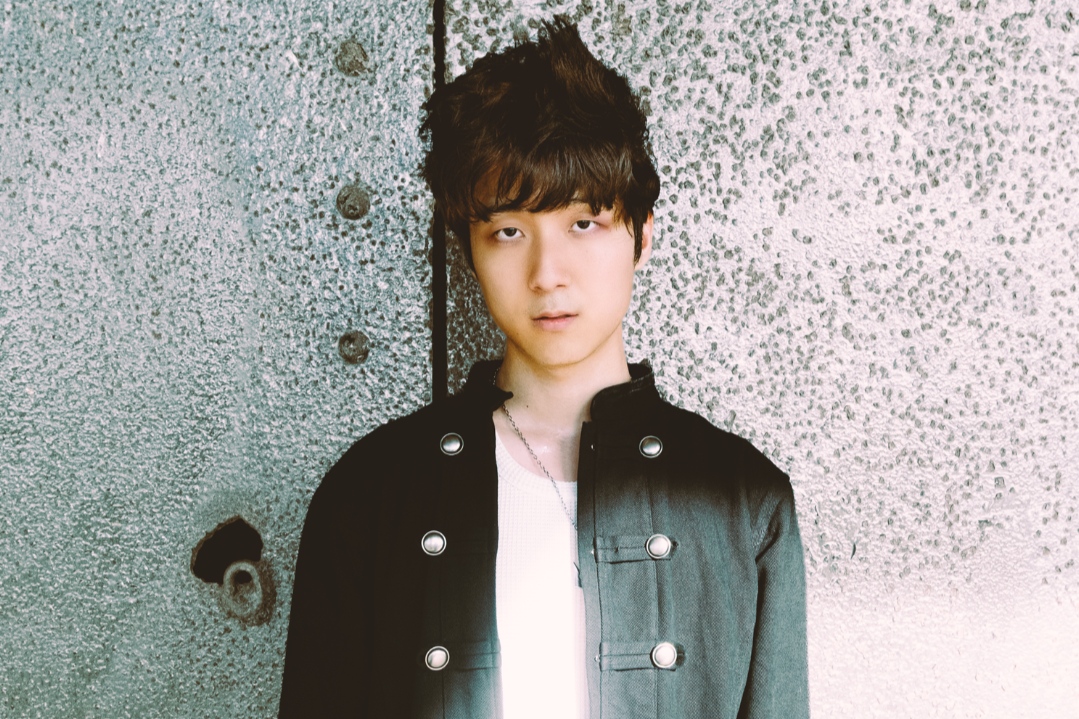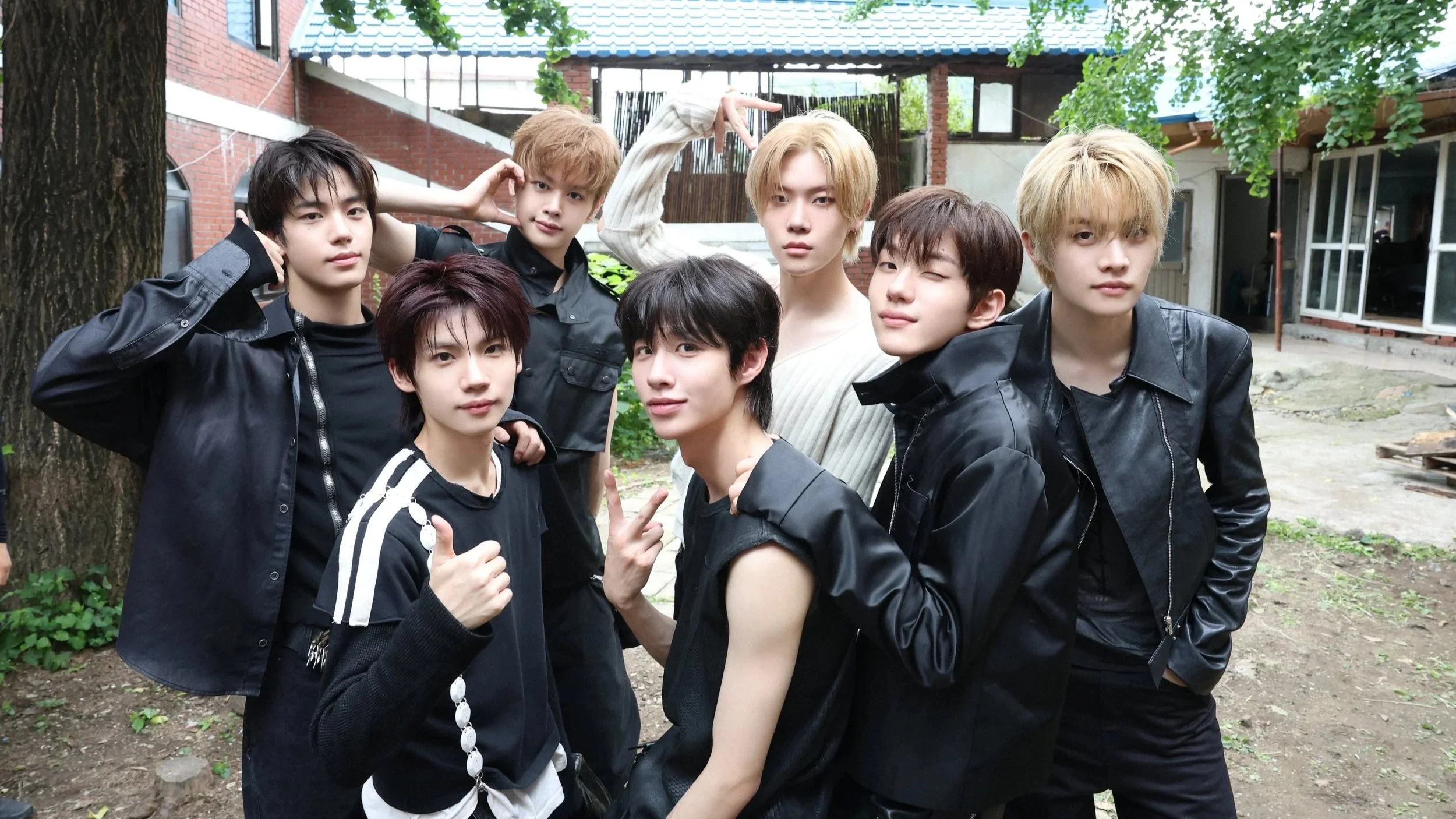

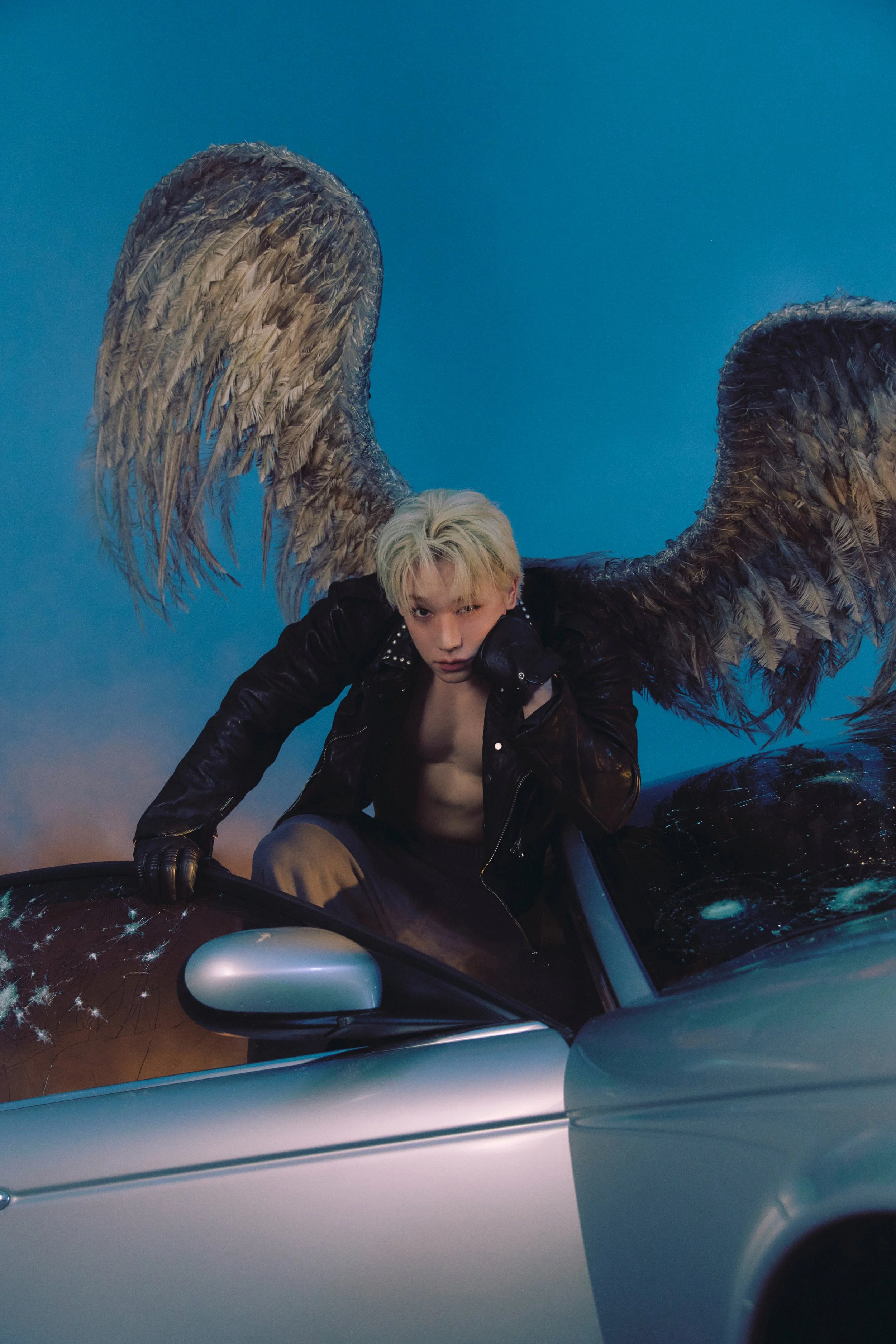
Strength has long shaped the way K-pop soloist WONHO is perceived. It is visible in the precision of his performances, the physical discipline behind them, and the confidence he carries onto every stage. With his new EP, CORE, he looks beyond that familiar image and creates space for uncertainty, vulnerability, and emotions that are harder to contain.
The shift feels like a natural progression for an artist who has steadily taken greater ownership of his solo work. Since launching his solo career in 2020, WONHO has moved through dance-pop, R&B, house, and atmospheric pop, yet his growing involvement in writing, composing, and production has kept those stylistic changes rooted in a recognizable perspective. Each release has brought listeners closer to the person beneath the polished performance.
Released on July 21, CORE offers his most concentrated exploration of that inner world to date. Its seven tracks are organized around the concepts of RAW, SHELL, and CRACK, tracing a path from concealed pain and self-protection toward openness and acceptance. Within that framework, WONHO examines longing, hesitation, memory, and the instinct to retreat when reality becomes too difficult to confront.
Those tensions surface most vividly on “Don’t Wake Me Up!,” an explosive dance-pop track built around the desire to remain inside a dream rather than return to reality. Pounding bass, layered synths, and forceful drums propel the song toward a charged climax, while its music video places WONHO within a world of concrete, relentless pursuit, heavy rain, and dramatic light.
Across the rest of the EP, the emotional scope continues to expand. Complicated relationships, lingering desire, bittersweet summer memories, the uncertainty of new love, and the reassurance of dependable support all find a place within the project. Tracks like “Answer,” “Summer Blue,” “Down,” “Test Drive,” and the Brother Su collaboration “Promises” each approach those feelings from different angles, yet remain connected through a shared sense of reflection and forward movement. Together, they allow CORE to move across a range of sounds without losing its cohesion.
Following the release, Stardust caught up with WONHO to discuss the structure of CORE, his expanding role in the creative process, and what he discovered by looking beneath the confidence that has shaped so much of his career.


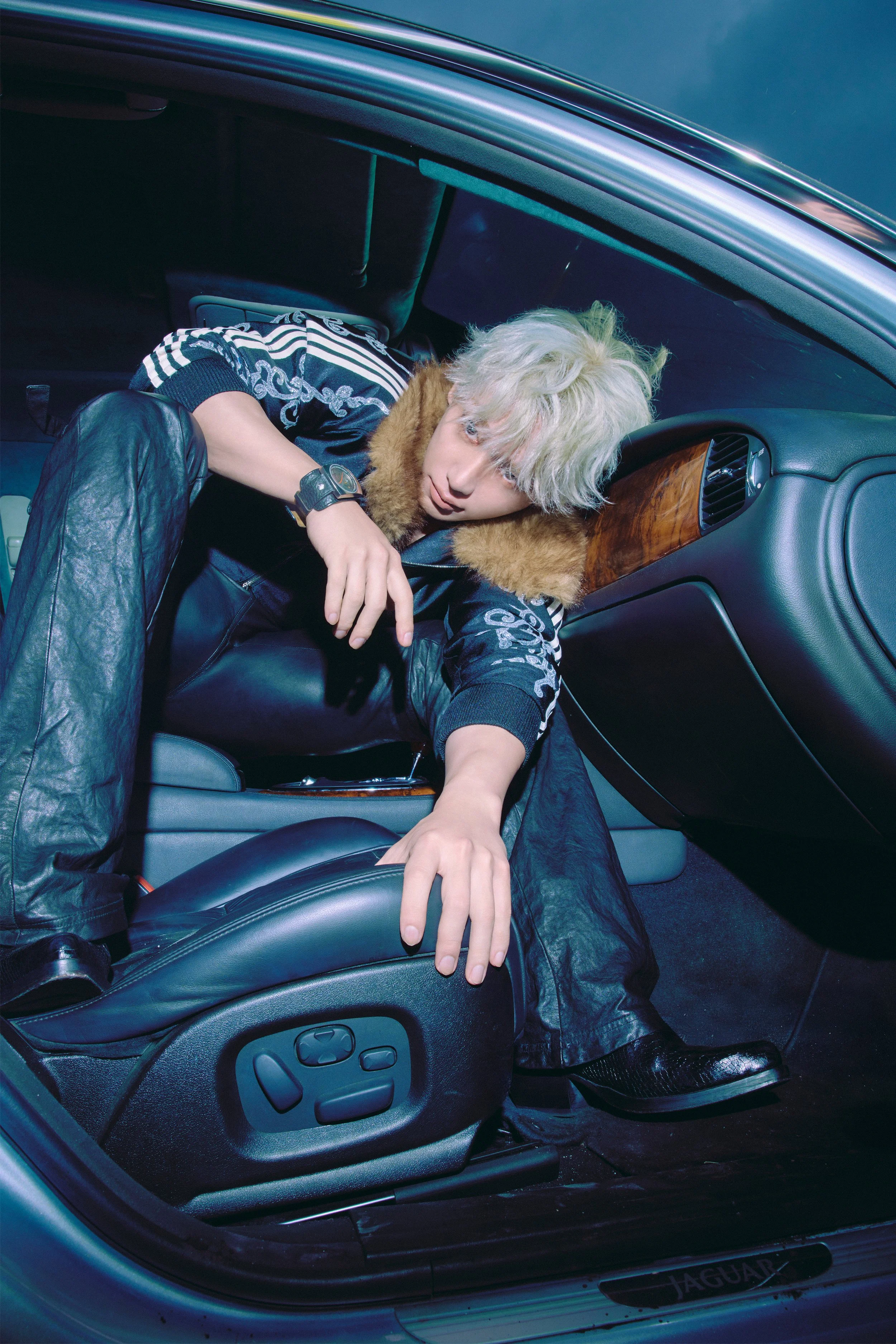
CORE presents a more personal and introspective side of your music. What made this the right point in your career to look inward?
WONHO: It’s been a long time since I released a fully self-produced album. During my hiatus, I had the opportunity to reflect deeply on who I am today, especially after stepping away from music for such an extended period. CORE is the culmination of those thoughts, as well as all the stories I wanted to share. I believe it’s a story that only my present self could tell, and creating this album felt like a very natural progression.
The EP is structured around the ideas of RAW, SHELL, and CRACK. How did those three stages influence the way the project unfolds?
WONHO: I see these three concepts as stages that an emotion goes through as it evolves. RAW represents my most honest self, while SHELL represents the protective layer built around that self. In CRACK, that shell breaks, allowing me to confront and embrace my true self. I wanted to reflect this progression in every aspect of the release, from the concept photos and performances to the music itself. I think listeners will be able to feel this evolution by experiencing the album in order, from beginning to end.
Much of the project examines feelings hidden beneath outward strength. Which part of that process was the most difficult to express through music?
WONHO: I didn’t want to portray emotions as something overwhelmingly heavy. Everyone goes through difficult moments, but we all continue moving forward in our own ways. My goal was not only to express emotions honestly, but also to give listeners a sense of hope and energy.
“Don’t Wake Me Up!” turns the desire to escape reality into an explosive dance-pop track. What drew you to that contrast?
WONHO: I don’t think the idea behind the song is necessarily a heavy one. Everyone has moments of weakness, but those moments can also be overcome. The explosive sound and performance are not simply a portrayal of wanting to escape reality; rather, I hope listeners can feel free, enjoy the present moment, and have fun while experiencing the song.
The music video moves through pursuit, confinement, confrontation, and release. Which visual moment or detail best captures what the song means to you?
WONHO: The most memorable moment for me is the final scene, where everyone experiences a sense of release and dances together in a chaotic, energetic celebration. I think that scene captures the message I wanted to convey through the song better than anything else.
You contributed to the lyrics, composition, and arrangement throughout CORE. Is there one creative decision that feels especially personal to you?
WONHO: Every decision on this album felt meaningful to me. I had many songs prepared, but selecting the tracks that would fit into the EP and deciding on the final track order required a lot of thought and discussion. The concept photos, styling, hair, and makeup were also carefully considered throughout the process. Looking back, I feel that every choice made for this album reflects a personal part of me.
What did you want the performance side of CORE to add to the music?
WONHO: Since I would be performing with a larger dance crew, my biggest priority was creating a sense of energy. I wanted the performance to express the feeling of breaking away from reality and enjoying the moment, while also delivering an explosive burst of energy on stage.
Finally, what did creating CORE allow you to understand about yourself as an artist?
WONHO: It’s not necessarily something completely new, but I once again felt a deep appreciation for my fans. Seeing their positive reactions to this album made me reflect on the kind of music I want to share with them in the future. CORE gave me the opportunity to think more deeply about the direction I want to continue pursuing as an artist.