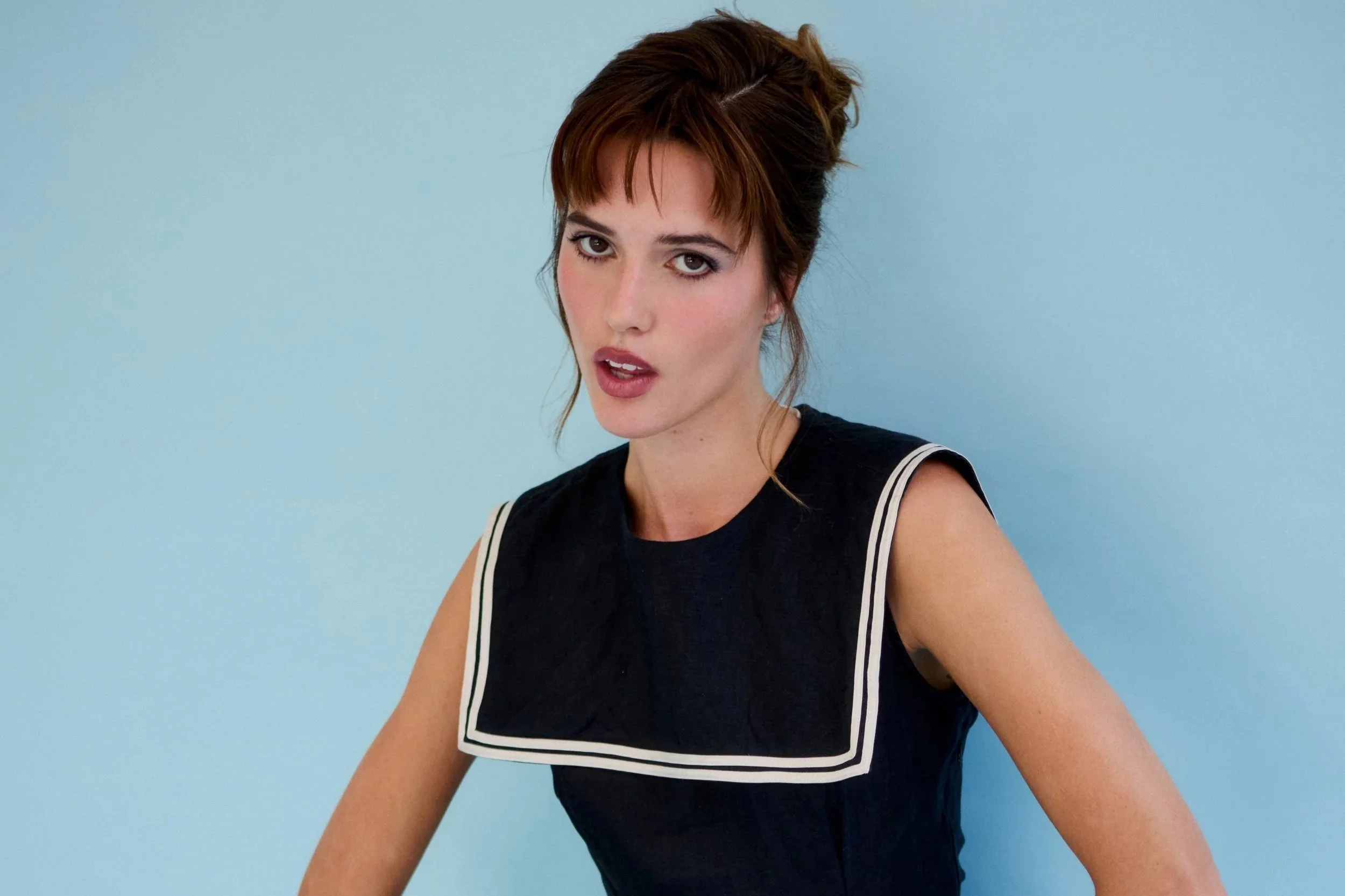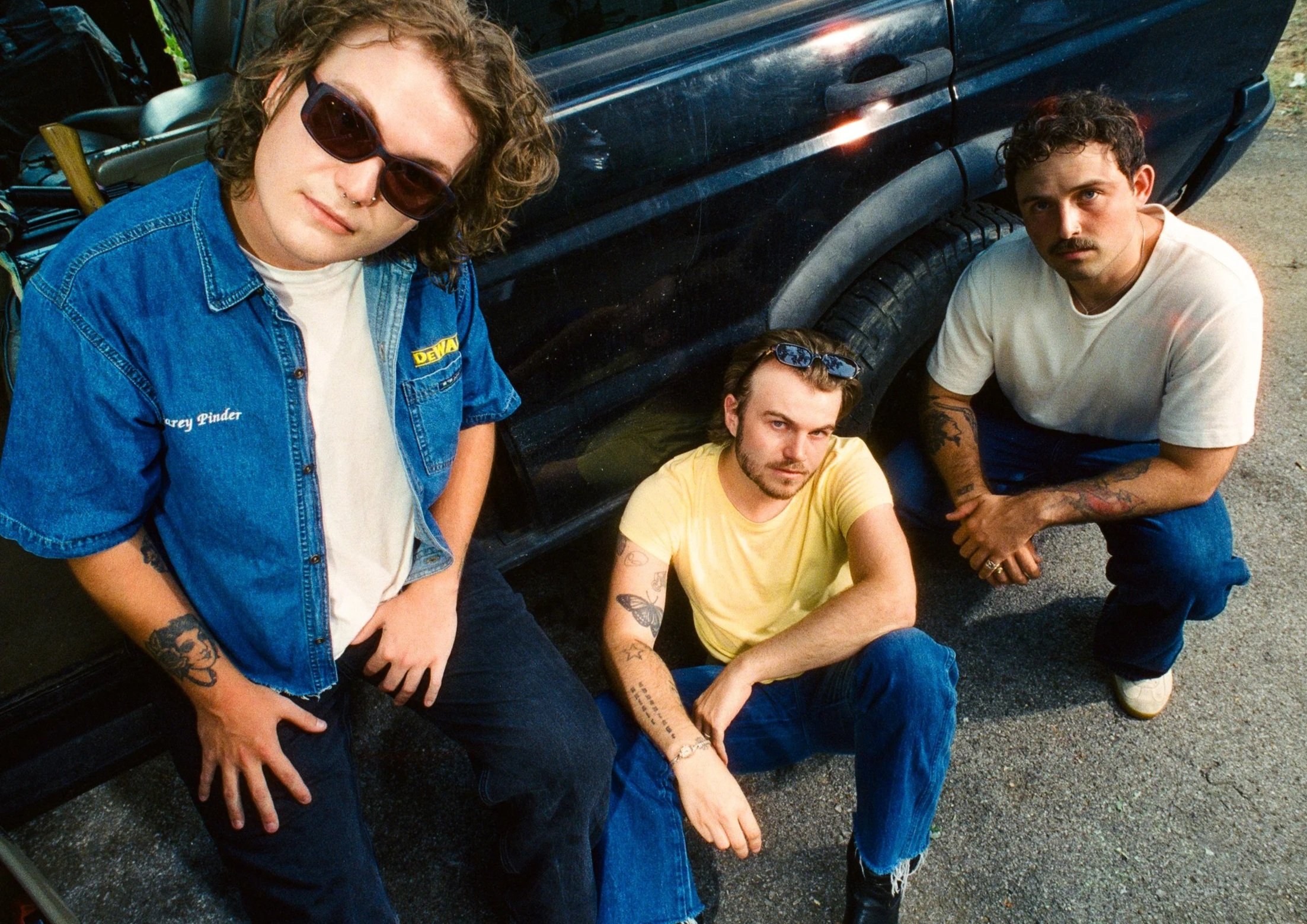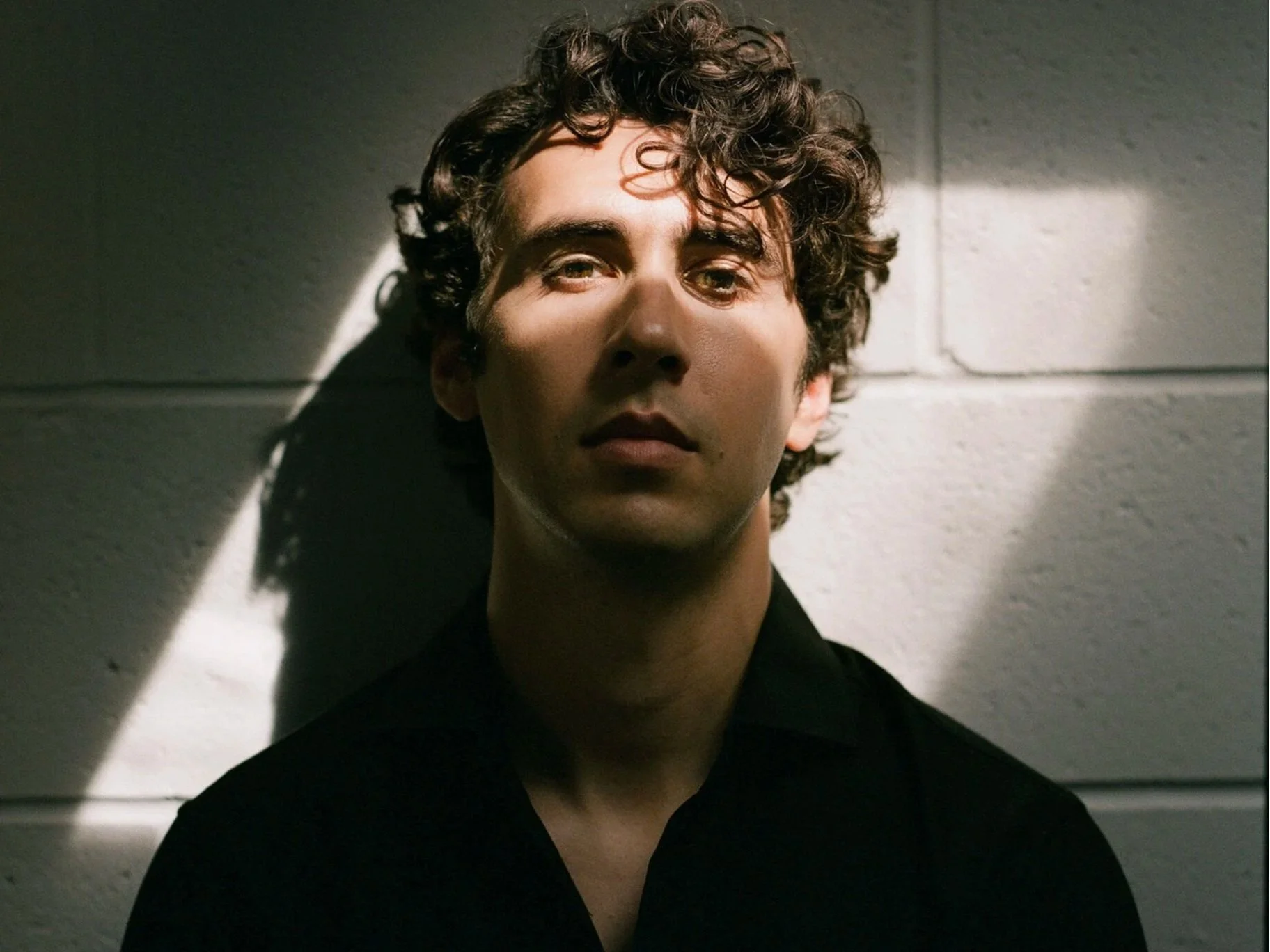

Conall Cafferty Gets Unflinchingly Candid on ‘Blue and Black’
Not long after a short stint on American Idol’s 22nd season back in 2024, Montclair, NJ-born and Nashville-based Conall Cafferty released his impactful American roots-tinged “In The Rain.” Albeit no longer available on streaming services, the tune displayed Cafferty’s incredibly affecting, and at times, volatile, vocal presence with a grit and fervency that is instinctive.
Perhaps secondarily, “In The Rain” introduced a Cafferty trademark in the form of a feel-good yelp (or perhaps a bark), buried ever-so-slightly in the mix. He utilizes the trick occasionally on his stellar new record Blue and Black though, in this instance, it is used most effectively in the midst of a liquor-addled conversation portrayed on the promotional single and an overall catalog highlight, “On and On” where Cafferty croons, “You said I should get sober / But baby, maybe you should come on over.”
As we discussed the record over Zoom, just several days ahead of its release, Cafferty appeared to be fixated on numbers, unnerved that the powers that be would prevent him from touring should the project underperform. Fortunately, streaming numbers do not dictate or equal quality, as Cafferty’s patience and commitment to his craft rewarded him with a coveted slot as the opening act for powerhouse Matt Hansen’s upcoming tour.
Inspired by true events, Cafferty’s collection of songs bravely paints him as one half of an imperfect relationship, and using alcohol, specifically Maker’s Mark, to cope with the emotional strain. It is alluded to more than a handful of times throughout his debut full-length effort, including on the title track, which is steeped in the embellishments and inherent properties of neo-traditional country. As he maneuvers his way through, he largely lingers in his exquisitely refined lower register and often garnishes the melody with small doses of breathy vocal accents: “Why am I falling so damn fast? Out of the blue and into the black I go.”
Elsewhere on the project, songs like “High” and breakout tune “Dog At Your Doorstep” explore the limits of Cafferty’s vocal range and the emotional dexterity he possesses in that region. “Son of a Gamblin’ Man,” “Think I Learned,” and the Dylan-like “Long Walk To Heaven” showcase his intrinsic ability to process and/or move forward from traumatic or formative turning points, and “Too Close” serves as a formatively effective and poignant moment of catharsis. As an overall body of work, Blue and Black is a staggeringly immersive affair, and will undoubtedly be viewed fondly by this writer as 2026 enters its final quarter. What will be even sweeter is when a larger audience, whether on the Hansen tour or simply due to happenstance, provides Cafferty with the flowers he has earned.
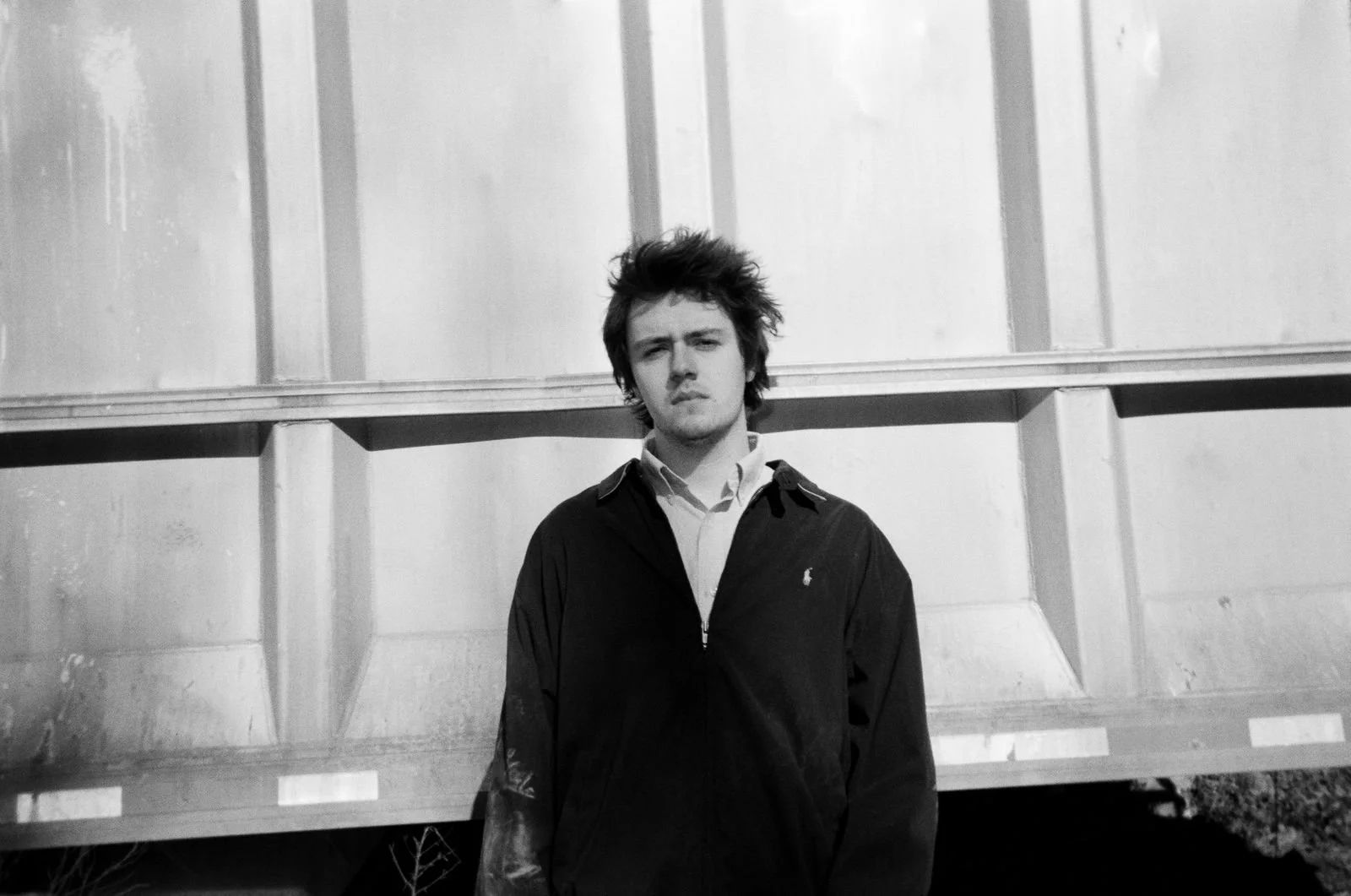
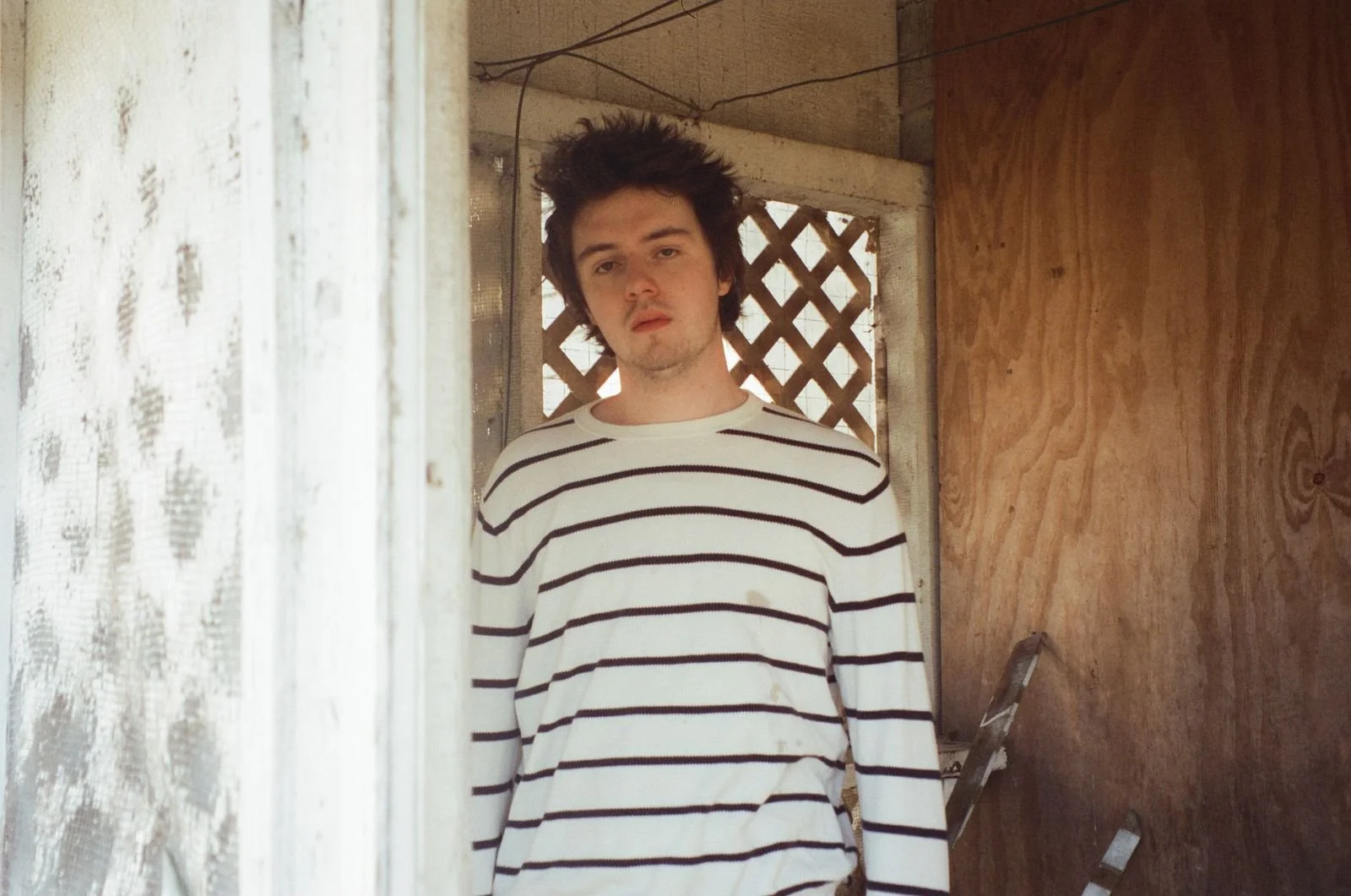
Do you feel like New Jersey’s rock scene, and others like it, were not benefiting you for what you wanted to do long term?
Conall Cafferty: I grew up in Montclair, which is 20 minutes outside of Manhattan. So, I wasn’t really in that Jersey shore rock scene. I was pretty isolated and secluded all throughout high school. I just played jazz and blues in my bedroom.
Are you self-taught?
Conall Cafferty: Mostly! I just started watching YouTube videos in fourth or fifth grade. Originally, I started studying guys like BB King, Stevie Ray Vaughan, John Mayer, and Eric Clapton. Then, I gradually moved into Phoebe Bridgers, Damian Rice, Ray LaMontagne, Ruston Kelly later down the line. That’s where I began to find my identity as a songwriter.
Idol presented you as an artist who hadn’t yet found that identity. Do you think that experience lit a fire under you to showcase your public-facing identity?
Conall Cafferty: Idol was such an interesting thing. I was definitely super heartbroken when I got cut. It made me a little pessimistic towards music, but it showed me I just had to work harder.
You went on to remove some of your earlier songs from streaming services, including “In The Rain,” which, you know how I feel about…
Conall Cafferty: You can find it on SoundCloud. I had an old manager, before Theo, who had me remove some of those songs.
Did you like them?
Conall Cafferty: I liked “In The Rain,” but I didn’t like the other ones. It was tough to let that go.
That was the precipice of what you’ve come out with since.
Conall Cafferty: Yeah! It definitely sent me down more of a twangy, singer-songwriter trajectory. I’ve never thought about it like that. I just kind of found what I’m doing right now through two years of sessions every day in Nashville.
You sing in a way that causes some of your words to get lost in translation. Is that an emotionally led choice, or is that where you’ve always felt comfortable?
Conall Cafferty: Dude, I’m severely dyslexic. It’s an auditory processing thing, so maybe some of it just gets lost in the sauce there, but none of it is emotional. I try to not really think when I play and sing.
That’s really prevalent on the title track, which focuses on the low end of your voice. Along with “Think I Learned” and “On and On,” which is MY favorite song here…
Conall Cafferty: Really?
Yes, absolutely.
Conall Cafferty: Dude, I appreciate that. It’s not getting a lot of love right now.
It has this really incredibly understated groove to it that really builds throughout it that I can’t get enough of.
Conall Cafferty: That made my day! Thank you so much.
As far as the title track, though, did you find yourself to be writing such a contrastingly different melody from any of the other songs to be something you were conscious of?
Conall Cafferty: I wrote that song with Jack Schrepferman and Steph Jones. I was so excited to write with Steph, because she had just written on the new Madi Diaz record, “Heavy Metal.” I could not turn that song off for months. I went in with the second verse written as the first verse, and it was more of this indie folk singer-songwriter vibe. But the way Jack decorated the track, it lends itself to being more of a country/Americana tune. We were super inspired in the room, and our friend Rowan came in and helped with the composition, so I think it’s difficult to put a parameter on that.
From a character perspective, how do you view the female backing vocals on this project?
Conall Cafferty: It’s a physical accompaniment. A lot of these songs are about love, and the lack thereof. Apologizing for being a dick and drinking too much. That, in many of these storylines, there’s a female component to that, so having an eerie, mystical BGV really adds a level of emotion to it. Maddie Kerr and Ellie Rowe have phenomenal voices, and I’m so grateful to them for lending their voices to this project.
Maddie is insane.
Conall Cafferty: I wrote “High” with her… [A few piano notes sound as Conall’s cat walks across the keys.] And it’s tough to keep up with her in the room.
Do you have a specific place in your range where you feel like you cap out at?
Conall Cafferty: I’m just shooting in the dark to be honest with you. I’ll have a vision in my head of where I want to end up, if I think the song is lending itself to that. But it’s not as mathematical.
For an instrumental arrangement of a song like “Drunk,” how much of the swell and dynamics are your ideas by design? Do you have other people helping you work your way through it?
Conall Cafferty: There’s beauty in really trusting someone with a creative vision, and knowing that someone’s instincts are going to serve the sonic world of the song in a way that mine won’t. I definitely reference certain things, but that song was co-produced by Nate Miles and Jack. We recorded the guitars and the vocals with Nate, and then Jack took it over the line. He came up with that piano melody at the end, and when he did that I was just like, “Holy shit, I’m just gonna sit in the backseat here. You know what you’re doing.”
“Son of a Gamblin Man” and “Think I Learned” take the opposite approach of being more insular. What is the most exciting part about being able to be insular for the entirety of a song?
Conall Cafferty: For the sake of live performance, it’s easier on my voice. I was just on the road, and I’m singing eight songs a night. By the end of it, my voice is just fucking shot, because I create these massive belting parts for myself. Doing that every night really strains your vocal. So, I really look forward to those songs in a set, because it allows me to be more intentional, and it gives my chords a break. But for “Think I Learned,” if there was a belting part, I feel like it would take away from the story there.
What is your vocal health like on tour?
Conall Cafferty: Dude, this tour was really bad. I was congested, so I got Afrin. I’ve never used it before, so it really dried me up, and my voice was destroyed in the end. I tend to be really mindful with cough drops, throat coat, no dairy.
How do you feel your arrangements enhance your lyrics and concepts?
Conall Cafferty: For a song like “Think I Learned,” the tones to that are really weird in a tasteful and unintentional way. It just created a bed for the words to land on. That’s a song I wrote when I was hungover, with my friend Ronan and Jack, about realizing you have a problem, but not having the strength to put your head down and do it. As long as the world around it is adding to it, and not taking from it, that’s a safe way to go.
How do you ensure you find your place within the songs mentally to sell what you’re saying?
Conall Cafferty: I’ve come to the realization that if I’m not writing about something that is applicable to my experiences, it’s going to fucking suck. Being as transparent and honest as I can is the path to a decent song.
Is that something you learned early, or are you still developing that?
Conall Cafferty: It’s something I’m still learning! I spent the month of May in LA, and I went there and said: “I want to write a hit song!” I did not write a hit song until I sat down with someone. I had a session with Gabe Goodman, and we had a conversation about our childhoods. We found common ground and wrote about that. Now I know what my next project [is going to] sound like. I hope it’s something I continue to home in on for the rest of my career.
Why do you think “Dog At Your Doorstep” resonated with people, and what was your knee-jerk reaction to it doing well?
Conall Cafferty: It’s been a slow burn in the way that it’s grown. I was in this weird management situation when it dropped, so I didn’t even announce or promote it. It didn’t even get 1,000 streams in the first day. But with that song, Jack really fucking murdered it with the production and created something I think sounds really singular. It connected on TikTok, so I feel like it’s somewhat of a relatable song.
You haven’t had a song that hasn’t met that quality, so what does consistency mean to you?
Conall Cafferty: I don’t put that much thought into it. Inspiration is a super fickle thing, and grabbing onto it when it comes is really important. Letting the weird, unspoken magic in the air lead you in the right direction.
“Let It Rain,” and other tunes heavily feature the harmonica. How do you find bringing songs and influences like that to a contemporary audience?
Conall Cafferty: Ruston Kelly was the inspiration for that song specifically. We’re living in a cool time for music where there’s not really any guardrails on anything, and you can just do what you want. Trying to find an old and classic sound that scratches a new itch is always in the back of my head.
What does it feel like to have the backing of the Nashville music community, as well as musicians from elsewhere, online?
Conall Cafferty: I kind of view it as a video game. When something goes viral, it doesn’t feel like I’m necessarily connecting with people, because it’s just through a keypad. When someone comes to a show, that’s when it feels real.
If you had to play this album, front to back, in any space, what would it be and why?
Conall Cafferty: The Beacon Theatre is my dream venue. I grew up going to shows there with my dad. I’ve always said to myself that if I play the Beacon, I’ve made it.
How do you want people to hear this music?
Conall Cafferty: I’d honestly want someone to listen to it by themselves in their room. That’s how I’ve always connected with sadder music. I don’t think you’d hear any of those songs in a club or at the bar. Listen to it when you’re really depressed.