

My Lover Is Just Too Innocent to Handle: Vol. 1 Review
My Lover Is Just Too Innocent to Handle, Vol. 1 is a high school BL that understands the appeal of slow, awkward sweetness. The hook is simple, then immediately disarming. A boy who blends into the background gets confessed to by the class’s shining social butterfly, and neither of them seems to know what to do with that reality once it happens.
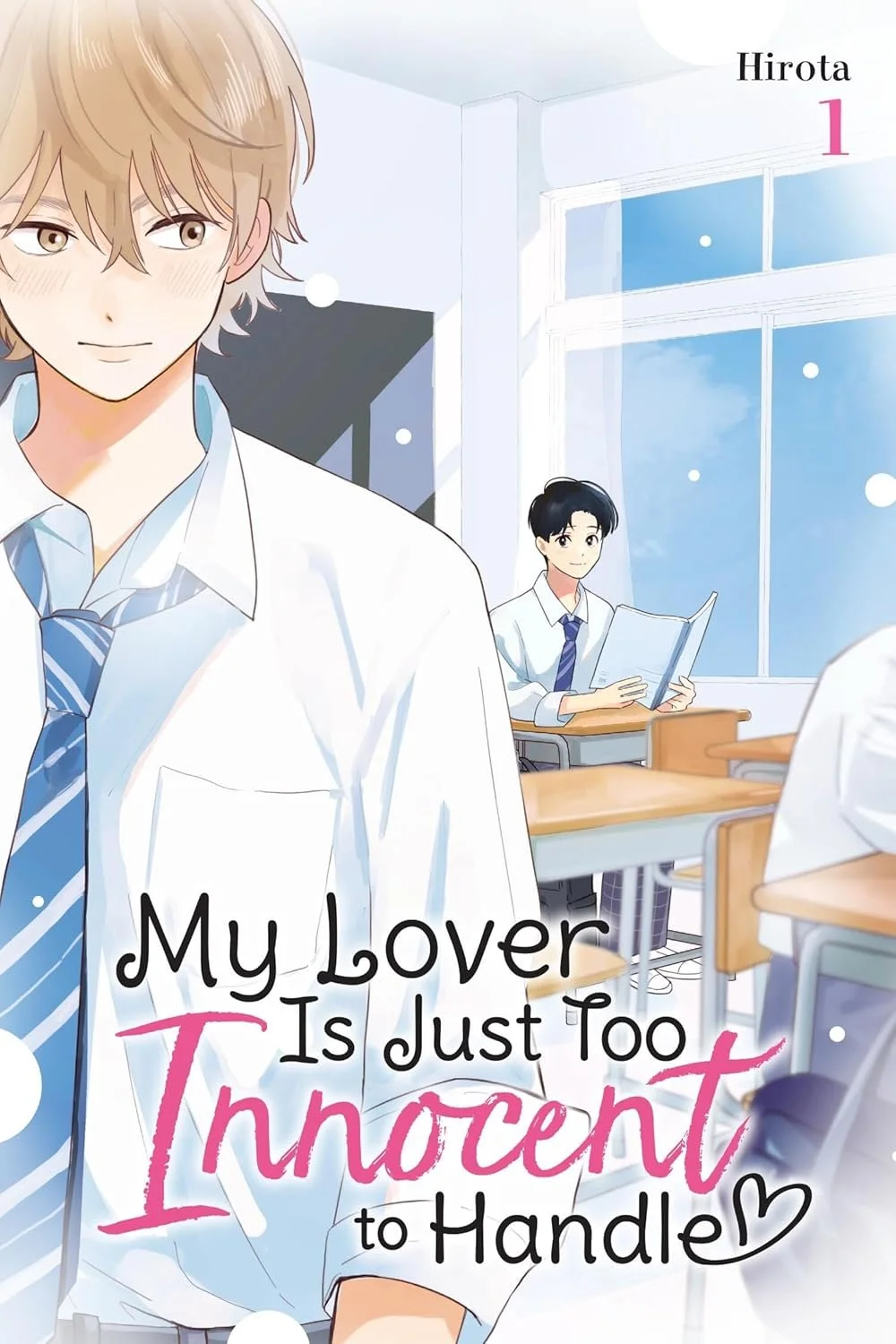
Plot
Hasegawa is introduced as plain, quiet, and largely unnoticed, so Hiyama’s sudden confession lands like a glitch in the normal order of their school day. The story doesn’t rush to turn that surprise into instant couple behavior. Instead, it picks a clever middle step. They start a diary exchange, writing back and forth to figure out how to “date” when you don’t even have a shared rhythm yet.
That structure gives the volume a steady pulse. Each entry becomes a small bridge, a place where they can be braver on paper than they can be face-to-face. It also keeps the romance from falling into loud misunderstandings. The friction here is softer and more believable. It’s the fear of saying the wrong thing, the uncertainty of whether the other person is serious, the awkwardness of discovering you want to be known, and you’re not sure how to invite it.
Vol. 1 also keeps its stakes appropriately sized. There’s no forced drama, no big external crisis needed to justify closeness. The tension essentially comes from two romance novices trying not to trip over their own sincerity.
Characters
Hasegawa’s appeal is how genuine his reactions feel. He isn’t written as a blank slate waiting to be “chosen” by the popular kid. He’s cautious, a little overwhelmed, and clearly unused to being looked at with intention. That makes his side of the diary exchange quietly vulnerable, because every honest sentence is a risk.
Hiyama, meanwhile, avoids the usual “sunny guy who can date anyone” cliché by being oddly earnest about this specific boy. The confession is bold, but once the relationship becomes real, he doesn’t come off as someone collecting a prize. He comes off as someone who also lacks practice, just in a different direction. And more importantly, his openness isn’t flawless confidence; it’s an instinct to reach, then figure out what he’s grabbed. Together, they make a potential pairing built on mismatched social positioning but matched emotional inexperience. That’s where the title’s dynamic clicks.
Art
The art supports the tone with clean character acting and an emphasis on expressions that shift mid-thought. As we’ve made abunadnly clear across our write-ups, this is the kind of genre where the smallest reactions matter, the split second after a compliment lands, the way someone looks away when they’re caught wanting.
There’s also a strong sense of everyday school life as texture rather than scenery (though it works pretty well as both). Classrooms and hallways stay normal, grounded settings, which makes the private intensity of their written words feel even more intimate by contrast.
Themes
Vol. 1’s main theme is arguably communication as courage. The diary exchange is basically a training ground for honesty. It asks a simple question and keeps worrying it from different angles. How do you show someone who you are when you’re not used to being seen?
It also leans into innocence without treating it as naïveté. The boys aren’t childish, they’re inexperienced. That distinction matters. The volume finds a lot of warmth in the idea that first love can be clumsy and still be real, and that softness can coexist with genuine desire to understand each other.
Finally, there’s something quietly affirming about how the story frames romance as a skill you can learn. Not a performance, not a status upgrade, but a series of small choices to be kind, clear, and present.
Verdict
As an opener, Vol. 1 is sweet in a way that feels earned. The confession sets the plot in motion quickly, then the diary exchange slows everything down just enough to let the characters build trust instead of skipping to instant intimacy. If you want BL that prioritizes gentleness, awkward sincerity, and that fluttery “are we really doing this” feeling, this is an easy one to sink into.