
Why We’re Still Haunted by Hemlock Grove’s Ending, More Than 10 Years Later
There are finales that wrap a story up, tie the ribbon, and send you home satisfied. And then there’s Hemlock Grove—an underrated genre gem that spent three seasons inviting you into its grime-slick mythology, only to torch the house on the way out. And more than a decade after the series wrapped, the ending still leaves that same strange aftertaste: admiration, frustration, and the lingering sense that you just watched something rare self-destruct on purpose. Here’s why.
Olivia Godfrey’s Spiral Was Brutal
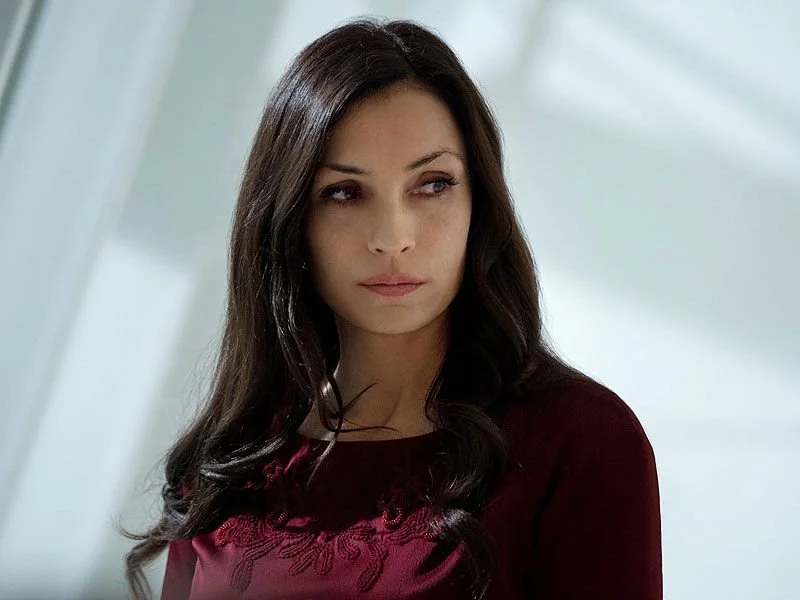
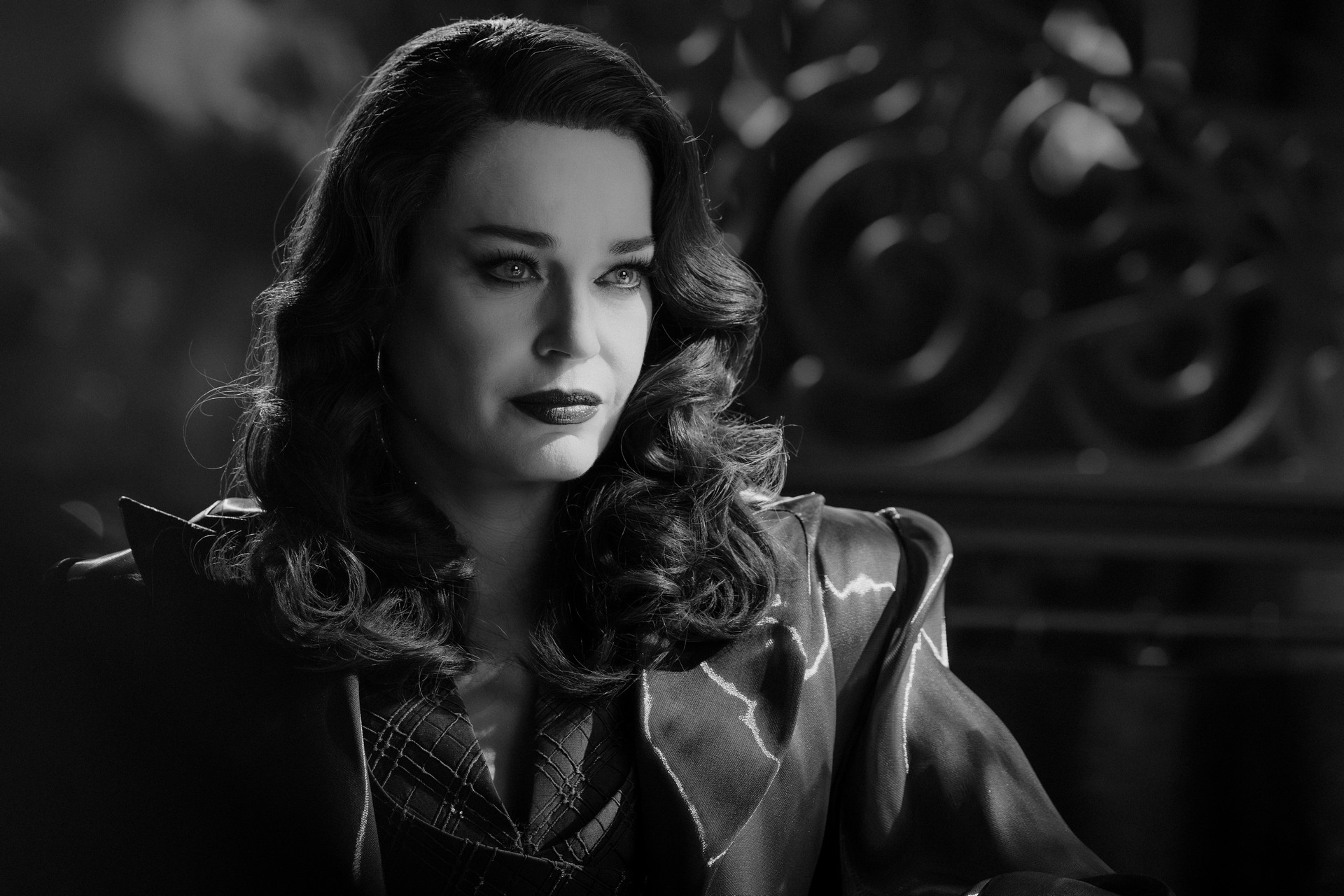
Famke Janssen’s Olivia Godfrey is one of Hemlock Grove’s best inventions—timeless, commanding, deadly enough to cut out your heart (sorry, Norman). For much of the series she feels untouchable, the kind of monster who can outlive consequences through sheer force of will. Season 3 pivots to a darker truth: immortality isn’t invincibility, especially when the threat isn’t a rival you can outmaneuver but a sickness that can’t be treated. The final season makes that explicit, introducing a virus that spreads through Hemlock Grove and threatens Olivia’s long life. And in some ways, watching Olivia spiral becomes a study in what happens when someone who’s always controlled the room realizes her own body is the one thing she can’t command.
However, where it starts to really sting is in the specifics of what takes her down. The Upir Virus that’s introduced is tied to Dr. Arnold Spivak, and the mythology around it ramps up quickly. It’s described as something that infiltrates the nervous system, warping behavior and eroding self-control, which makes Olivia’s unraveling feel both inevitable and grotesquely intimate.
And yet there’s an imbalance the show never fully corrects. Olivia is an all-timer, and Spivak doesn’t feel embedded enough to earn the role of her ultimate undoing. The mechanics make sense, but the emotion lands lighter than it should because it doesn’t feel like the culmination of a defining relationship or rivalry. That being said, Olivia arguably deserved an end with a little more weight behind it—or at the very least, the chance to still be out there causing chaos.
Roman and Peter: The Bond That Deserved Better
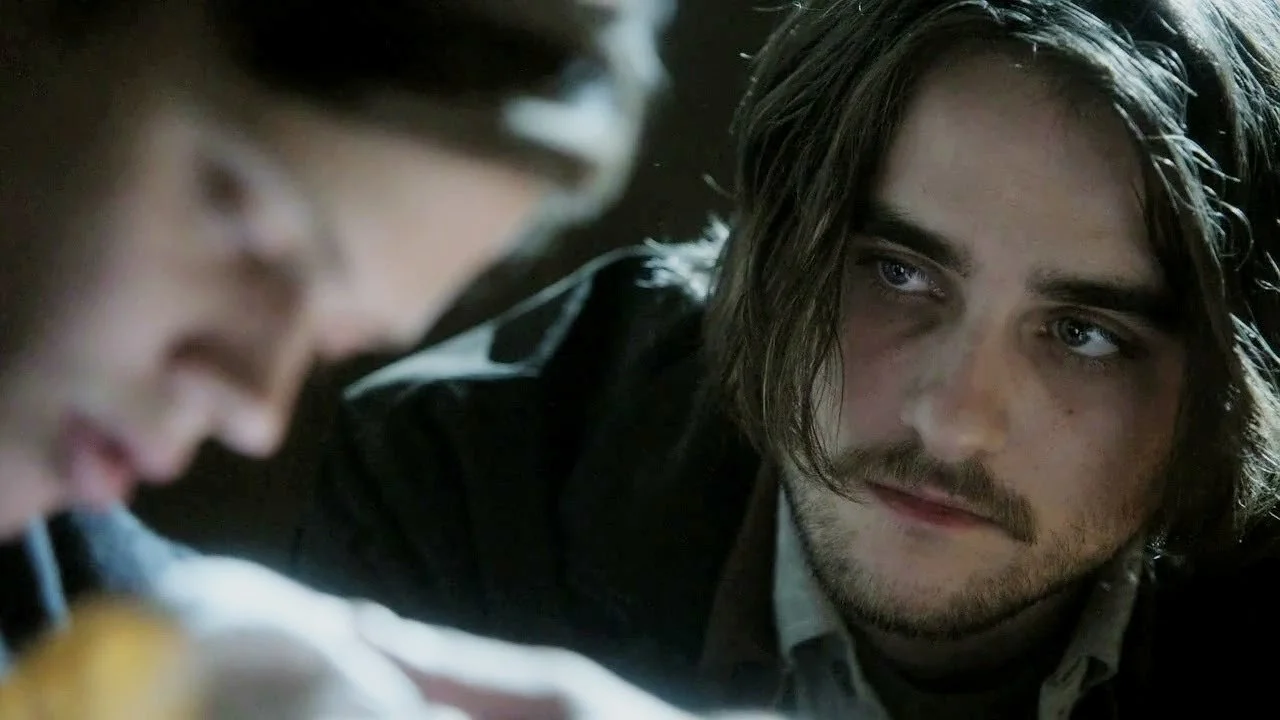
From the start, Hemlock Grove treats Roman and Peter’s connection as its gravitational center—a rich monster and a poor outsider, two young men tethered by secrets, loyalty, and a kind of devotion that keeps surviving even their worst selves.
That’s why the finale lands like a genuine gut punch. Roman’s frustrating end comes at Peter’s hands, with Peter ripping out his heart as Roman breaks down in front of him. Sure, on paper, it’s mythic tragedy. In execution, it plays like the show taking the relationship it spent years sharpening and deciding the cleanest exit was the most painful one.
For a lot of fans, their bond also carried romantic subtext, or at least the emotional vocabulary of love: protectiveness, jealousy, intimacy, the sense that no one else fully sees them the way they see each other. Years of fandom conversation have even treated “Peter/Roman” as the series’ real engine, because the show repeatedly frames their loyalty with the intensity usually reserved for romance.
What makes it sting even more is how season 3 occasionally undercuts that reading with jokes that feel designed to close the door rather than reckon with what the story already put on-screen. When a series keeps staging devotion like a romance and then nudges the audience for clocking it, it stops feeling like character truth and starts feeling like an attempt to control the interpretation.
The Final Season’s Biggest Gut Punch: Roman’s Sudden Turn
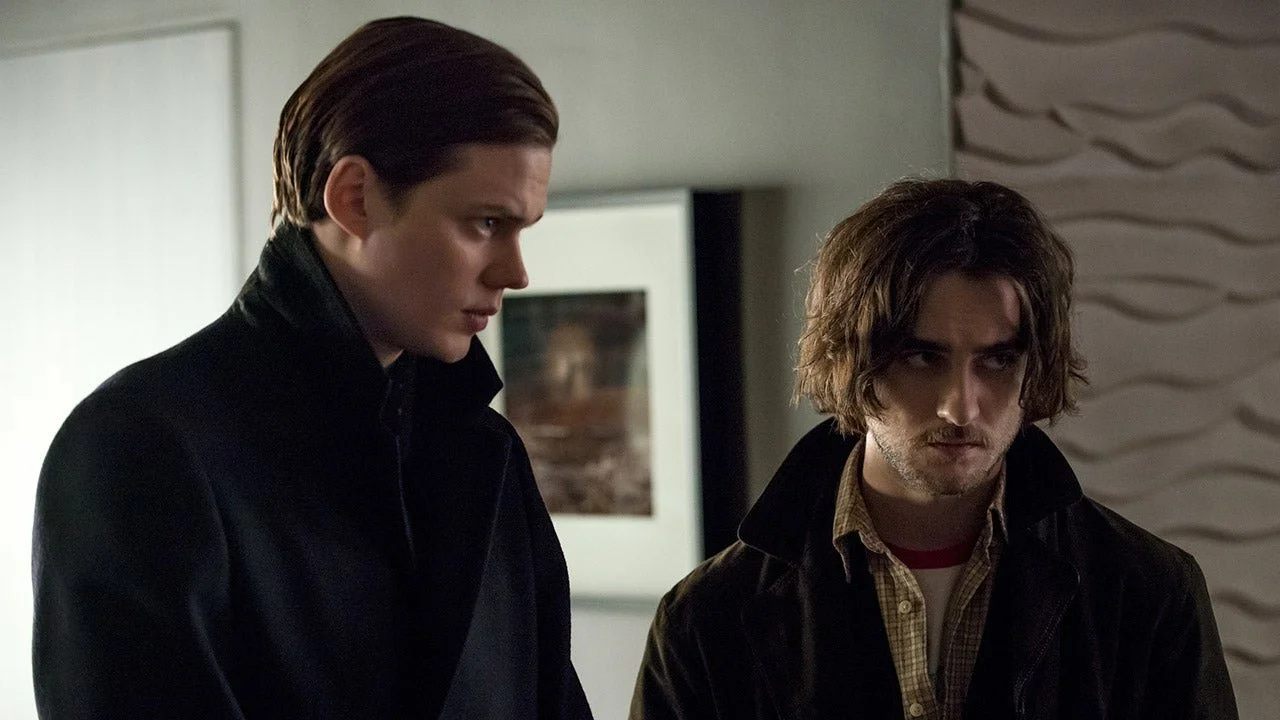
Even if Roman’s death feels inevitable in a mythological sense, the path there is what leaves the bigger wound. Season 3 pushes him toward a grim “overwhelmed by impulses” endpoint, and some (not all) of the choices surrounding Roman feel like the show speed-running darkness to reach the finish line.
The most jarring example is the return to physical taboo territory with Annie. It echoes complications the show already explored in season 1, but this time it positions Roman as strangely complicit in ways that don’t fully track with the coerced, conflicted version of him we’d watched claw toward self-awareness. You can argue that evil wins, that trauma and hunger take over. The problem is how quickly the season gets there. Roman’s drive to do better, to protect, to make amends for damage he didn’t entirely choose, flips into a functional villain turn with barely any room for the struggle. That can read like a means to an end rather than a tragic inevitability.
Shelley, Pryce, and the Show’s Cruel Sense of Closure
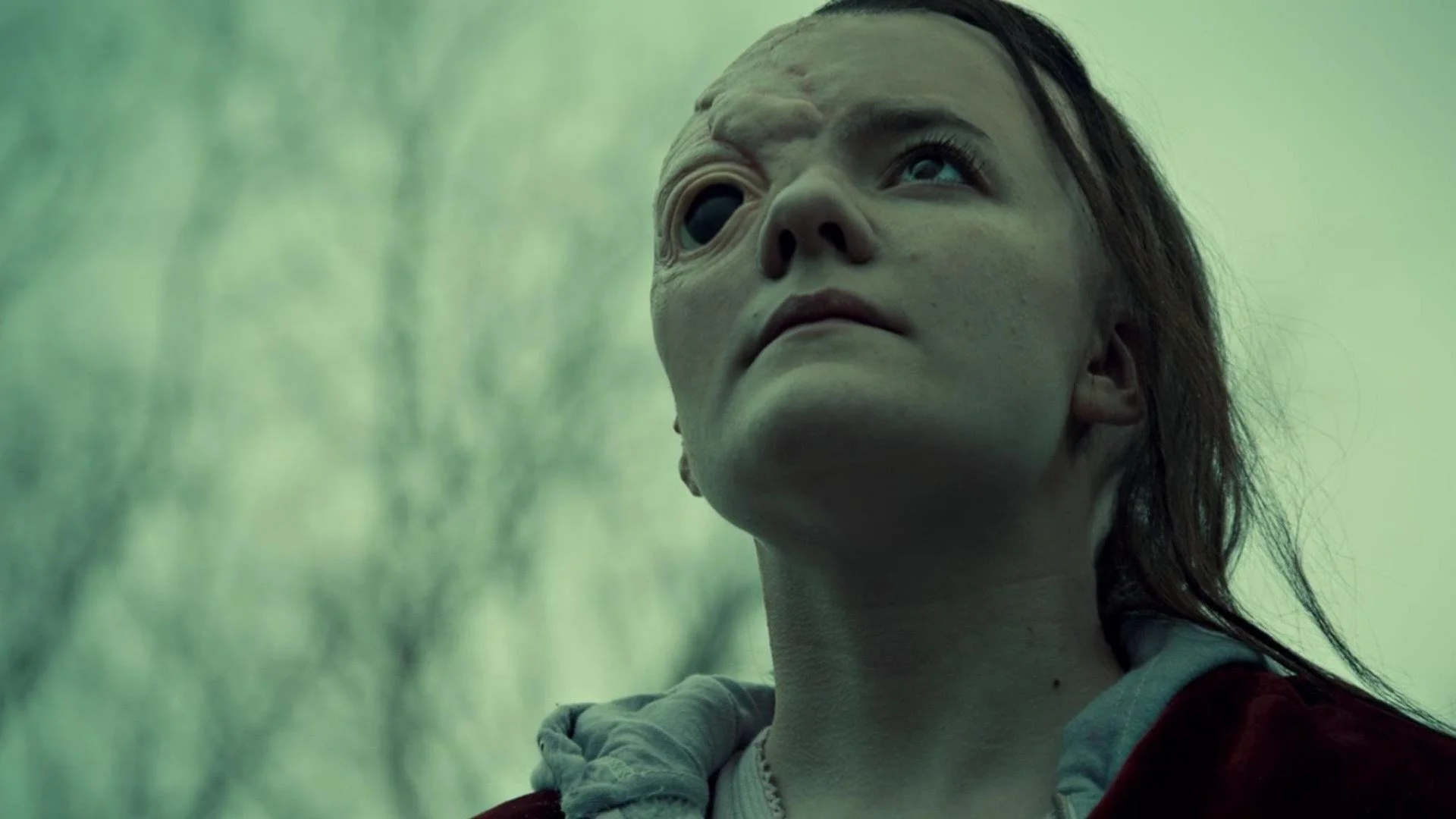
By the time season 3 reaches the finish line, it’s done with ambiguity. It wants closure, and it chases it down character by character. In theory, Shelley’s arc should be one of the season’s most satisfying payoffs. She’s still the show’s emotional anchor, and watching her finally claim agency after years of being underestimated is genuinely moving.
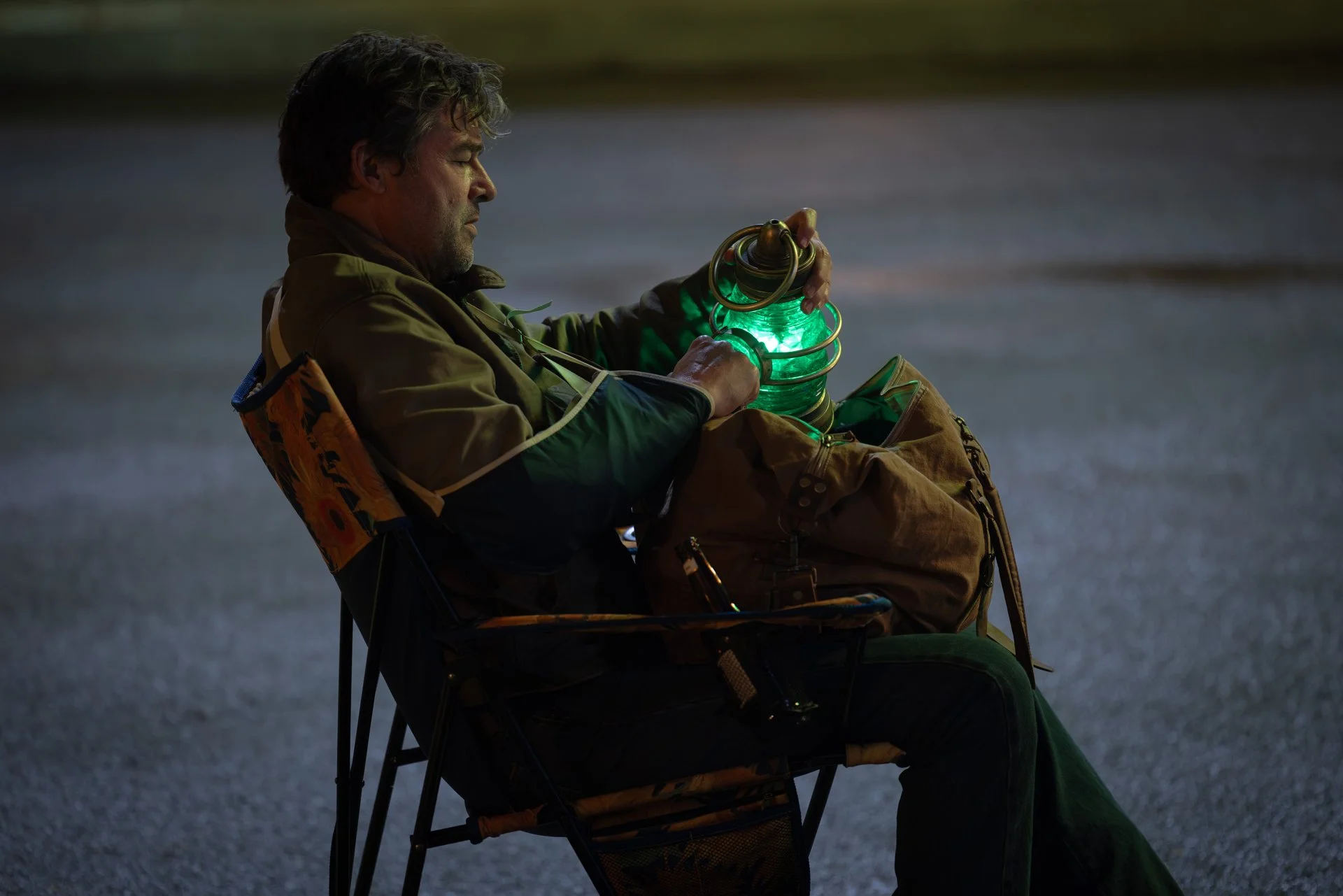
But the final stretch also undercuts that momentum by pairing her with an older drifter and framing it as a warm, romantic relationship. The obvious age-gap dynamic reads more unsettling than the series seems to realize, and even viewers rooting hardest for Shelley can’t quite shake the discomfort it introduces. It’s a rare moment where the show’s tenderness slips into: why are we calling this a win?
Johann Pryce’s fate plays into that same closing-the-book impulse. Over the series, he becomes one of Hemlock Grove’s most magnetic forces, the visionary monster-maker who feels inseparable from the town’s mythology. His end is, technically, thematically neat: the consequences of his own creations finally turning back on him. The issue is the cumulative effect. With so many storylines getting hard stops, the finale leaves less space for the imagination to keep living in this world.
That’s why Nadia stands out. She’s the one major thread left unresolved, a child shaped by supernatural trauma and adult cruelty, pointed toward a future the series only suggests. In a season determined to shut every door, that single crack becomes the lingering hook that still feels alive, even if she’s also the character we had the least time to truly know.
Why It Won’t Let Us Go
All things considered, the ending still shakes people because Hemlock Grove was a true genre gem. Its world felt textured and strange, not perfectly engineered. Its characters were vivid enough to keep sparking arguments and rewatches years later—and the sting that’s lingered ever since comes from affection. People wanted the finale to honor the relationships the series spent building, and to feel earned instead of scorched-earth.
And maybe we’re delusional, but it’s hard not to imagine a second life someday—whether it’s in the form of a legacy sequel that follows Nadia, a reboot that protects the Roman-and-Peter core, or, the entirely impossible (but most tempting)—a reimagined final season that lets consequences hit without hollowing out the people we’re most invested in.
In the meantime, Hemlock Grove remains a messy, underrated gothic fever dream, with an ending that truly stays under your skin.