
If Wonder Man has a secret weapon, it’s how comfortable it is living in the in-between. Between comedy and heartbreak. Between public persona and private panic. Between wanting the spotlight and fearing what it might reveal. The season plants itself in Los Angeles and lets the setting do real storytelling, especially as Simon Williams’ life starts to unravel in ways he can’t rehearse his way out of.
The larger MCU timeline context is there, but it doesn’t dominate the frame. This is Earth-616 with its feet on the pavement, even when the themes get big. Here, identity, power, and fame all come into focus, and the show threads them together with a control that never slips.

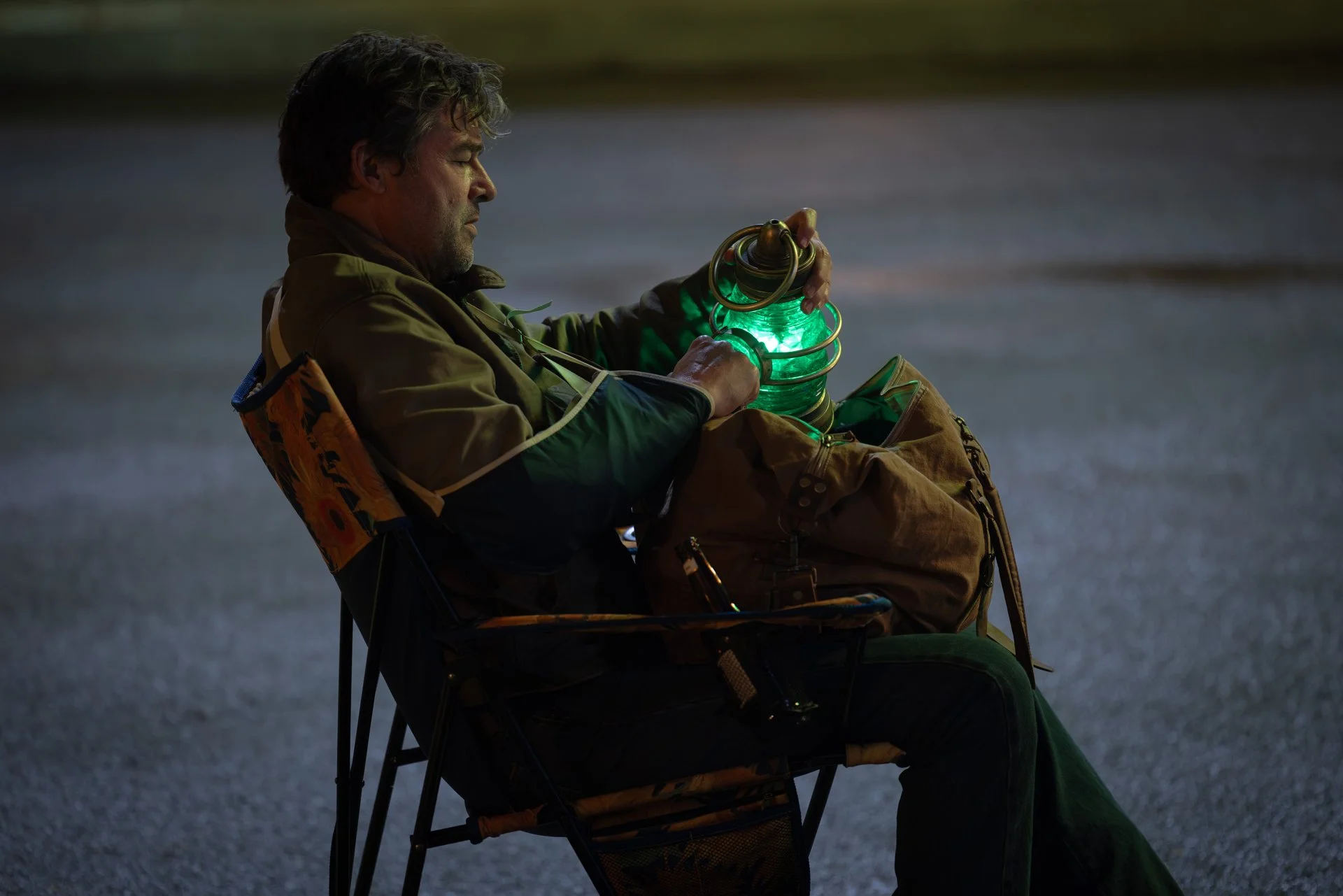
Wonder Man | Photo Credit: MARVEL TELEVISION, Copyright: © MARVEL 2025
Simon Williams Feels Like a New Kind of MCU Lead
Simon Williams is introduced as someone who wants the work more than the spotlight. He’s a gifted actor with a habit of overthinking, freshly fired and trying to keep the truth from his family, especially his supportive mother and his disapproving brother. That tension becomes the show’s emotional engine. Simon reads as a loner by necessity, the kind of person who struggles to trust friendships because trust requires surrender, and surrender is terrifying when your own body can betray you.
That’s the key difference in his perspective. Plenty of MCU characters wrestle with responsibility, but Simon wrestles with control in a more intimate, everyday way. His powers don’t conveniently snap on when the plot needs fireworks. They seep into grief, embarrassment, and fear, which makes his journey feel recognizably human. He’s also the rare superhero who falters when he finally gets what he wants. Landing the role of a lifetime should be the dream, yet the closer he gets, the more he’s tested by a different kind of power, one tied to fame and visibility. That contradiction gives him sharper edges, and it keeps the series emotionally honest.
Yahya Abdul-Mateen II is an ideal fit. He plays Simon with real intensity, then lets the humor slip in at the margins without turning him into a punchline. Overall, the performance gives Simon an instant-icon quality because it’s rooted in something simple and honest, a man trying to be understood.
Power as Pressure
Wonder Man smartly treats powers as psychology. Simon’s ionic energy has weight because it carries consequences, and the show leans into the anxiety of living in a world that punishes “enhanced” people who fail to stay convenient. And the “Doorman Clause” is the perfect storytelling device here, a Hollywood rule that bans superpowered individuals from acting, turning Simon’s dream career into a trapdoor.
The series also resists over-explaining what Simon is. It leaves space around the origin (or scope) of his abilities, emphasizing how little even Simon understands about his own potential. That choice essentially strengthens the tension. When the explosions happen, they feel less like an effects demo and more like the physical manifestation of panic, grief, and a lifetime of holding his breath.
Simon and Trevor Become a Top-Tier Marvel Pairing
The show’s heartbeat is the relationship between Simon and Trevor Slattery. Trevor, the disgraced actor once known for “The Mandarin” fiasco, returns with a mixture of ego, desperation, and genuine longing to matter. Pairing him with Simon should be chaos, yet the chemistry clicks almost immediately, considering that their bond is built on craft. Throughout the series, they talk about performance as if it’s survival, and it uses that shared passion to make their friendship feel earned.
When the slow-burning betrayal surfaces, it also lands because the show has done the groundwork. The fallout is messy, emotional, and oddly tender in the way it recognizes that betrayal can still exist alongside real affection. The finale pushes that dynamic into full tragedy and loyalty, with Trevor taking the fall by reviving his Mandarin persona and letting the DODC haul him away, followed by Simon’s desperate decision to break him out. Because of that, their friendship becomes the kind of Marvel pairing people quote, revisit, and immediately want more of.
Hollywood Meta That Works
Marvel has flirted with self-awareness for years, but Wonder Man commits to the idea that the superhero effect has changed pop culture so completely that Hollywood itself would mutate around it. The series name-drops real-world entertainment, stages auditions like battlegrounds, and treats the entertainment industry as a machine that can chew up anyone, powered or not.
Even the show’s bigger stylistic swings feel purposeful. For example, the standalone episode that explores “Doorman” doubles as satire and a cautionary tale, showing how fame and hero branding can hollow someone out. And the finale’s needle drop, using Phantom Planet’s “California” in a bittersweet way, even captures the show’s whole vibe of Hollywood fantasy and emotional wreckage playing at once.
A Grounded Detour That Strengthens the Bigger Machine
The MCU has been carrying the weight of multiversal homework for a while. Wonder Man sidesteps that pressure and, in doing so, reminds you how satisfying a grounded Marvel story can be. It’s firmly Earthbound, tied to existing institutions, and connected enough through familiar faces and consequences to feel “real” inside the universe.
It also ends up feeling like Marvel’s strongest win since Loki Season 2 for the exact reason it’s such a contrast. Loki went cosmic and structural, playing with time and mythology. Wonder Man stays intimate, character-first, and emotionally specific. Having two standout titles that succeed in opposite subgenre spaces is a genuine flex, and a reminder of how sharp Marvel can be when it trusts the storytelling.
Score: 9/10
Wonder Man puts an emphasis on character work and, as a result, becomes a genuine MCU triumph. It’s confident in its tone, sharp in its Hollywood meta storytelling, and refreshingly focused on intimacy over overload. That approach gives Yahya Abdul-Mateen II the space to shine, making Simon feel both magnetic and deeply vulnerable, and positioning him as Marvel’s next true icon.