
Marvel has spent the last few years widening its emotional palette. Yes, the universe still thrives on spectacle, but the stories that stick tend to be grounded in people who feel bruised, specific, and hard to replace. That’s why Marvel’s Cloak & Dagger keeps resurfacing in conversations about what the MCU is missing. And it already did the heavy lifting most introductions struggle with: it built two leads from the inside out, gave them a world worth returning to, and tied their powers to a corner of Marvel lore the franchise keeps drifting toward.
Revisiting that version of Tyrone Johnson and Tandy Bowen in the mainline MCU canon wouldn’t require a complicated retcon either. It would only mean recognizing a compelling corner of Marvel storytelling that already proved it can carry weight and still leave room for hope.
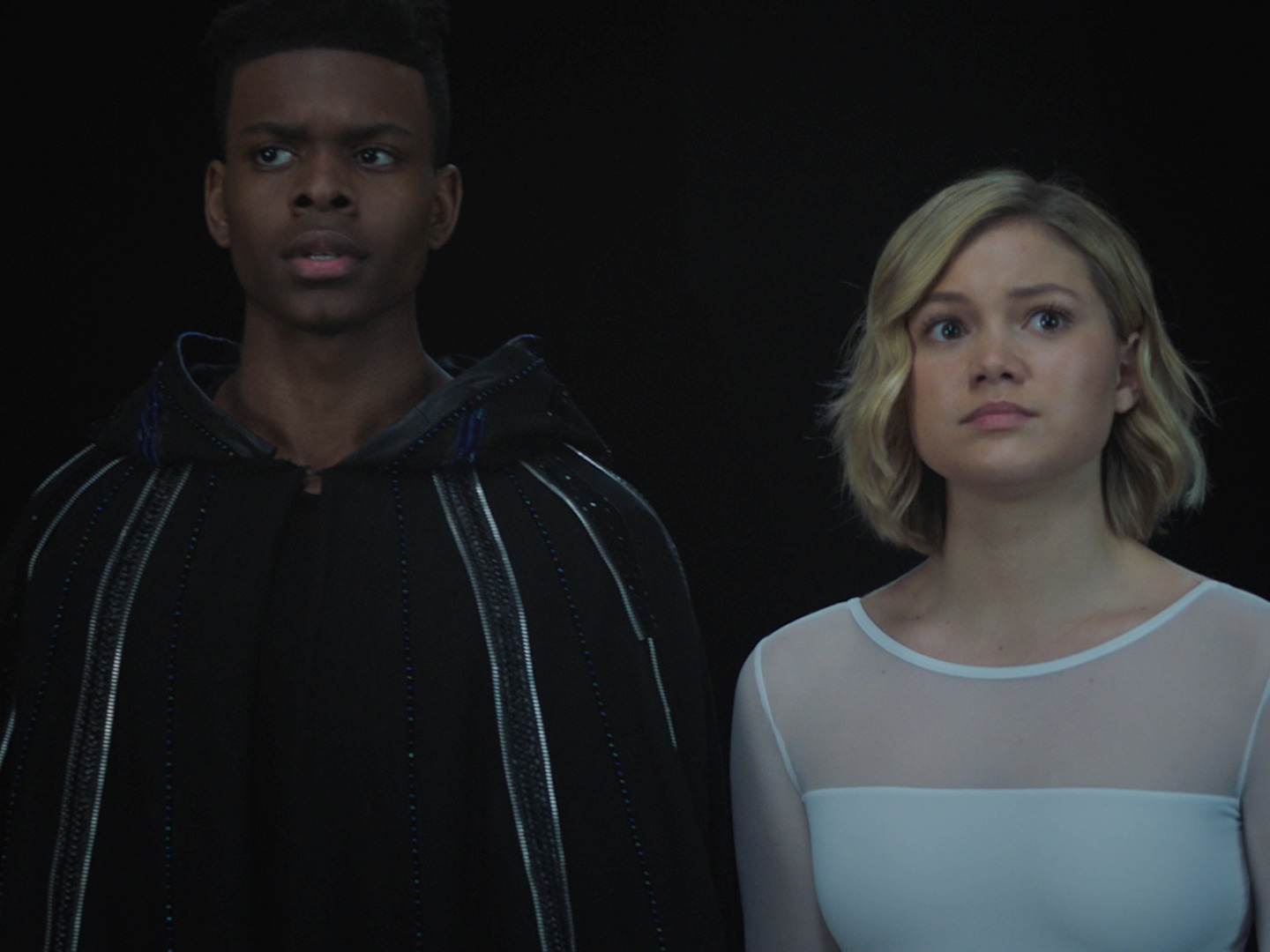
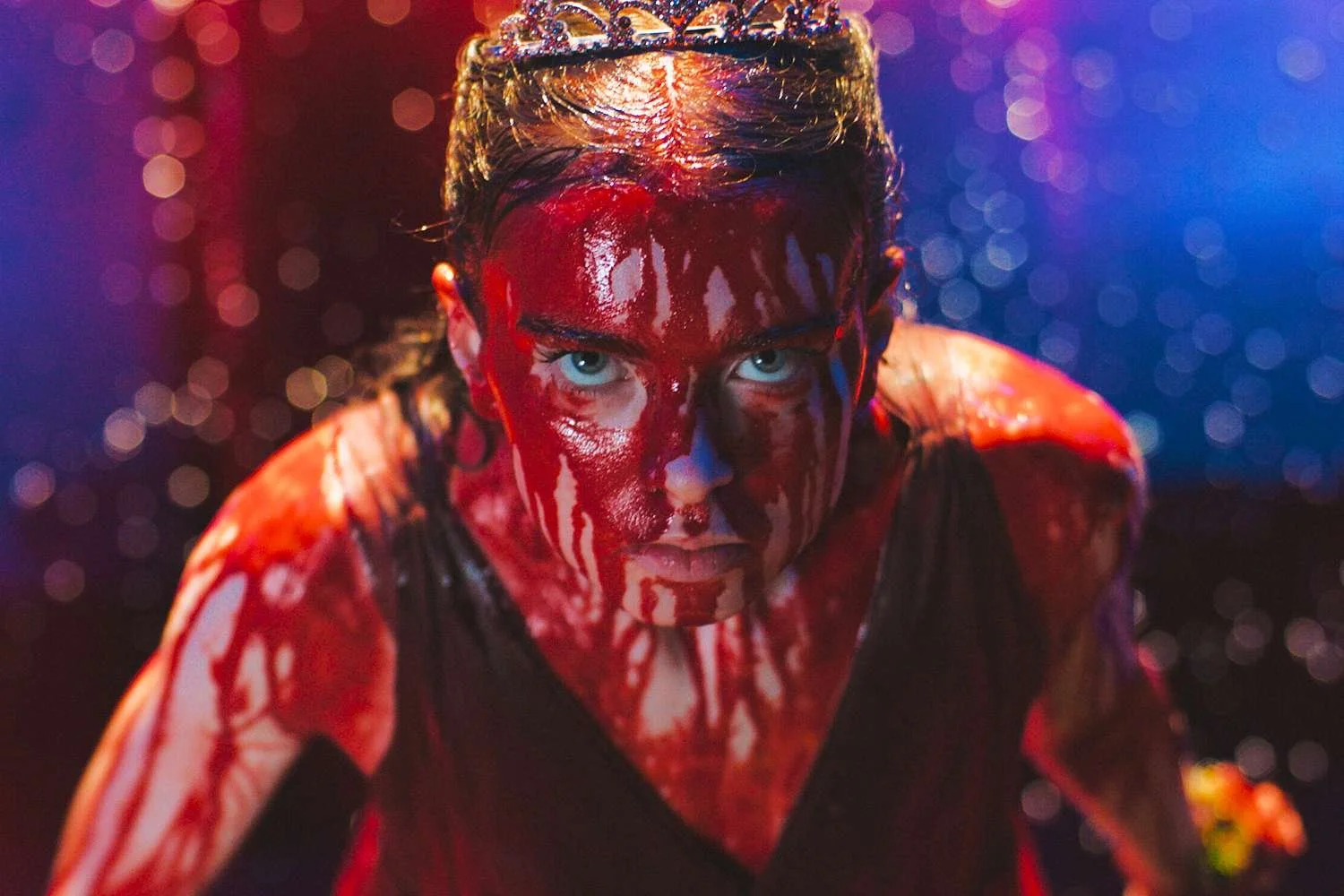
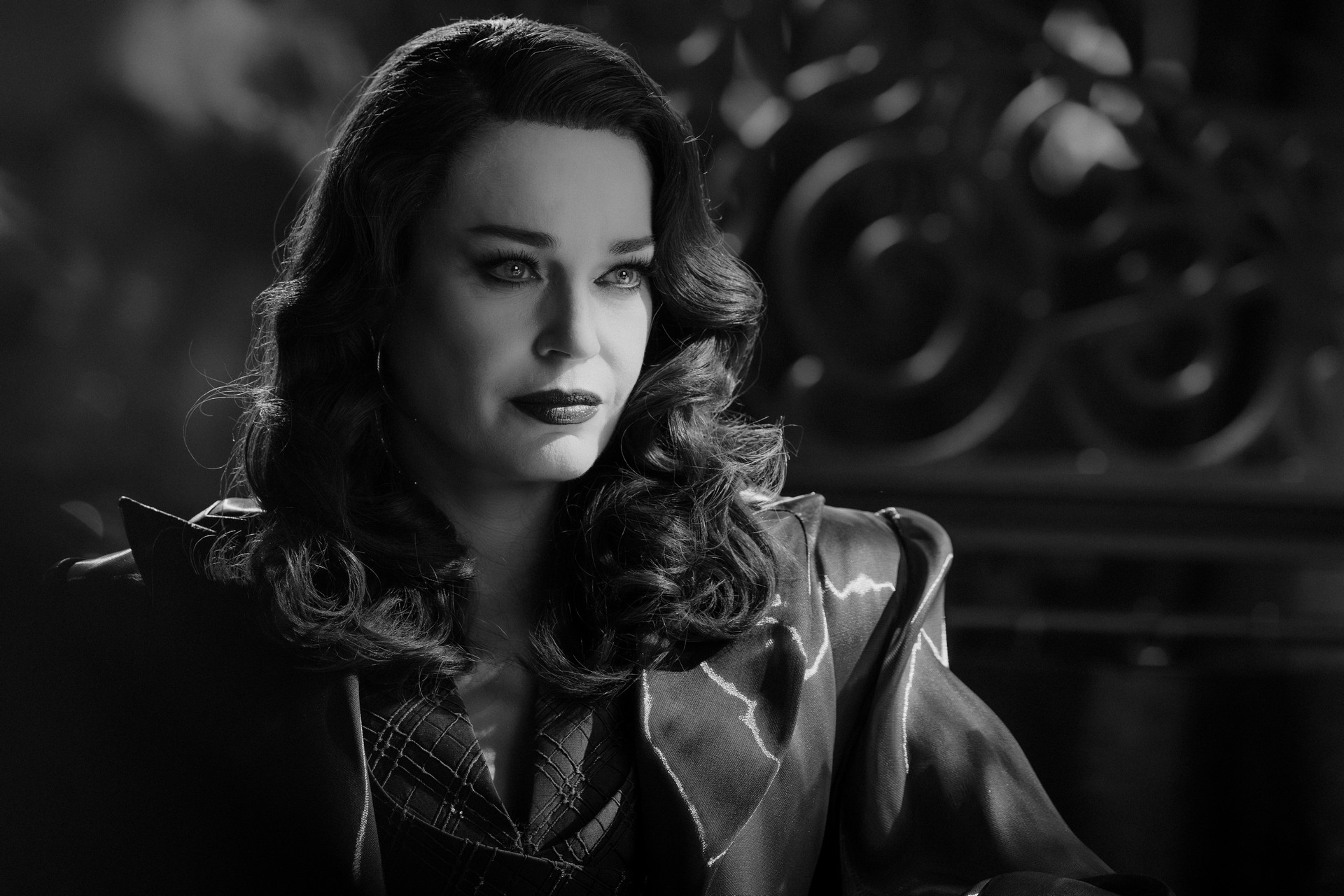
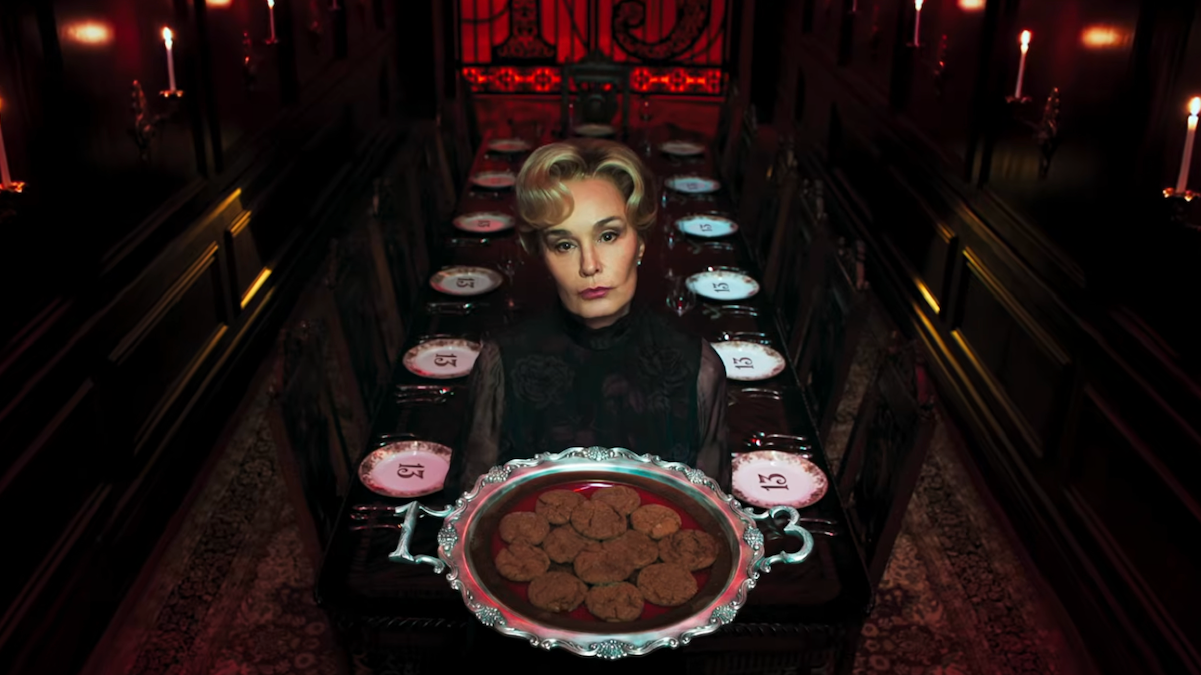
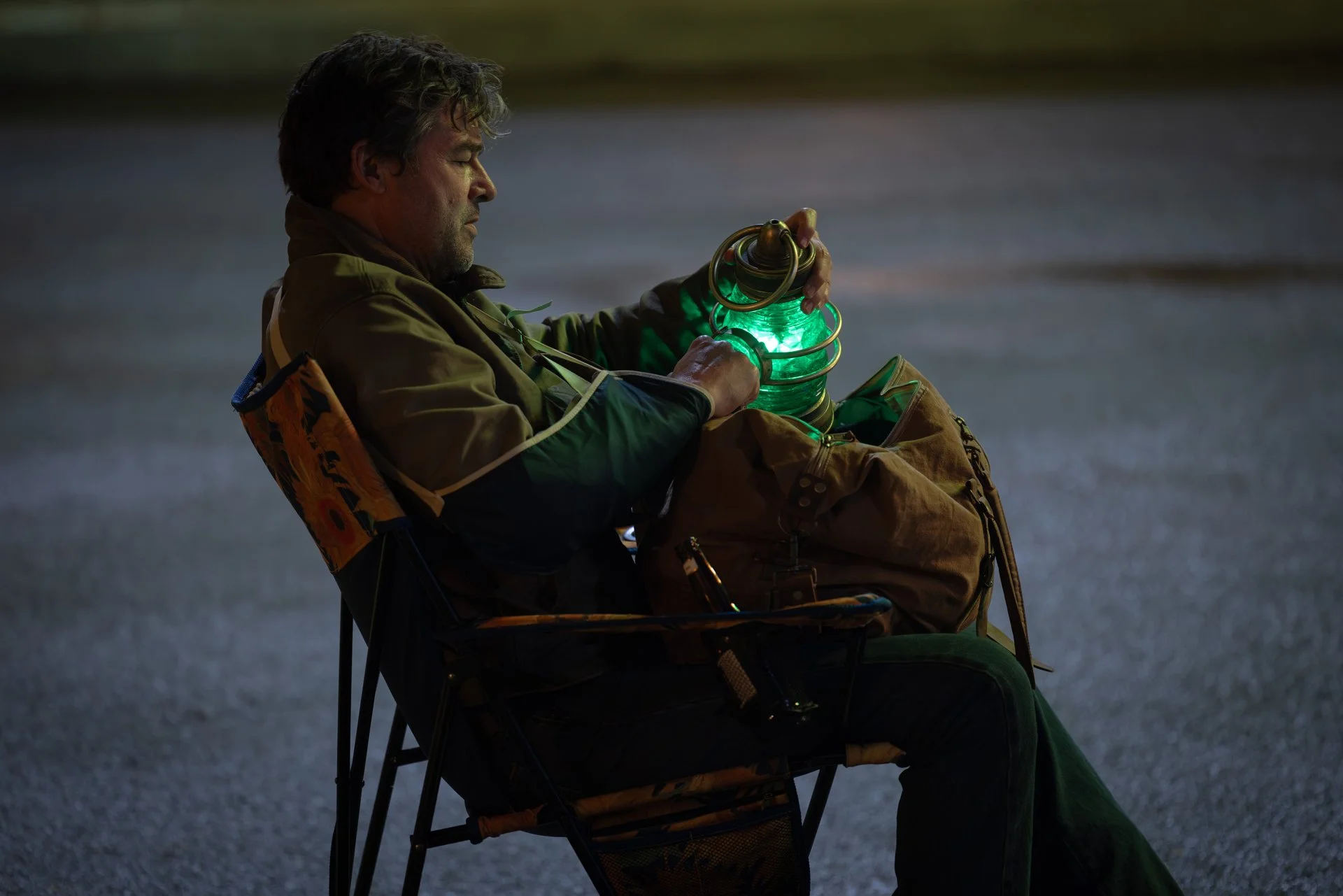
Cloak & Dagger | Photo Credit: Disney+ and Marvel Studios
The Divine Pairing Works Because It’s Earned
The top-tier Marvel show accurately calls Tandy and Tyrone a “Divine Pairing,” and the label ultimately lands because the story treats it as a slow-burning outcome. It earns that label through patience. Season one spends much-needed real time on who they are before they become “Cloak and Dagger.” Their lives take shape along starkly different paths, and those paths carve out strengths and blind spots that don’t neatly align. That friction is the point, because their bond doesn’t form through destiny alone. It forms through choice, repetition, and effort.
Their powers even reinforce the emotional architecture. Tyrone’s darkness is tangled up with fear, hunger, and displacement, while Tandy’s light is tied to hope, possibility, and the ache of wanting a better life. The show establishes them as complementary from the start, and Marvel’s own language around the duo leans into that symmetry, with Darkforce counterbalanced by Lightforce.
By season two, their relationship becomes practical in the ways that matter. They show up for each other. They pull each other back from spiral moments. They confront threats with a mystical scale and, just as often, human monsters with real-world power. That’s the kind of pairing MCU audiences latch onto again and again, whether it’s Wanda and Vision, or any duo where intimacy becomes its own superpower. Cloak and Dagger already speak that language fluently, with a coming-of-age intensity the MCU still doesn’t have much of.
The Series Tackles Real-World Darkness Without Losing Its Grip on Hope
Cloak & Dagger isn’t afraid to dive headfirst into subject matter that lives uncomfortably close to reality: systemic injustice, exploitation, abuse, addiction, victim blaming, and the systems that grind people down. In the process, it turns those forces into the engine of its villains and the pressure that shapes who Tandy and Tyrone become.
Season two’s trafficking storyline is a blunt example. The series treats it as a terror that can hide in plain sight, and it centers the harm with real sensitivity—an approach matters for the MCU as much as it does in our own world. Furthermore, Marvel has been leaning back into the notion of street-level stakes lately, and Cloak & Dagger understands that concept better than most.
The Darkforce Dimension Is Already a Perfect MCU Bridge
The connective tissue for a mainline return is surprisingly clear. The “Darkforce” has always been bigger than one show. In Marvel lore, Darkforce is extradimensional energy tied to the Darkforce Dimension (also included in Agent Carter), and Cloak’s entire identity is shaped by his connection to it. Cloak & Dagger visualized that concept in a way that still stands out. The “other place” Tyrone pulls people into, the psychological dread, the surreal spaces like the record-store imagery in season two, it all gave the Darkforce a vocabulary that could scale into something larger.
And the MCU has reason to care. With Wonder Man leaning into Darkforce-related ideas through characters like Doorman and even Roxxon threads that keep popping up around the franchise (likely proving those stories are still canon), Tyrone and Tandy become an easy, organic bridge. One scene is all it takes for the Darkforce to become a problem the universe can’t ignore.
The Supporting Cast and World-Building Are MCU-Ready
Cloak & Dagger also built a community around its leads. Outside of the core duo, Brigid O’Reilly, and the way the series evolved her into Mayhem, became one of its smartest swings: a supporting character whose internal split mirrored the show’s obsession with trauma, identity, and survival. The story even nods toward wider Marvel Television continuity through Daredevil easter eggs and Luke Cage-related connective tissue, the kind of subtle but reaffirming link fans still love to unpack.
Then there’s the Vodun mythology. Season two leaned further into mystical dealings, tying the “Divine Pairing” idea to spiritual frameworks rooted in New Orleans, and introducing loa figures like Papa Legba as part of the show’s Darkforce-adjacent mythos. Now that the MCU is digging deeper into supernatural sandboxes again, that groundwork feels increasingly relevant.
The Audience Has Expanded, and the Cast Still Cares
The most practical argument for bringing them back is simple: the show never stopped finding viewers, and its availability on Disney+ keeps rediscovery within arm’s reach. On top of that, Marvel Rivals has put Cloak and Dagger in front of a massive new audience as an official featured duo, complete with the franchise’s “shadow and light” framing.
Additionally, the enthusiasm of its talented cast has never been a question either. Olivia Holt has publicly signaled she’d be open to returning as Tandy if the call came (which it should), and that kind of openness tends to travel fast in fandom spaces. So, at this point, Cloak and Dagger don’t need to be rebuilt from scratch; they just need to be claimed.
Overall, two seasons of Cloak & Dagger proved Tyrone and Tandy belong in the main MCU conversation, with a mythology that’s ready to expand as soon as Marvel chooses to build on it.