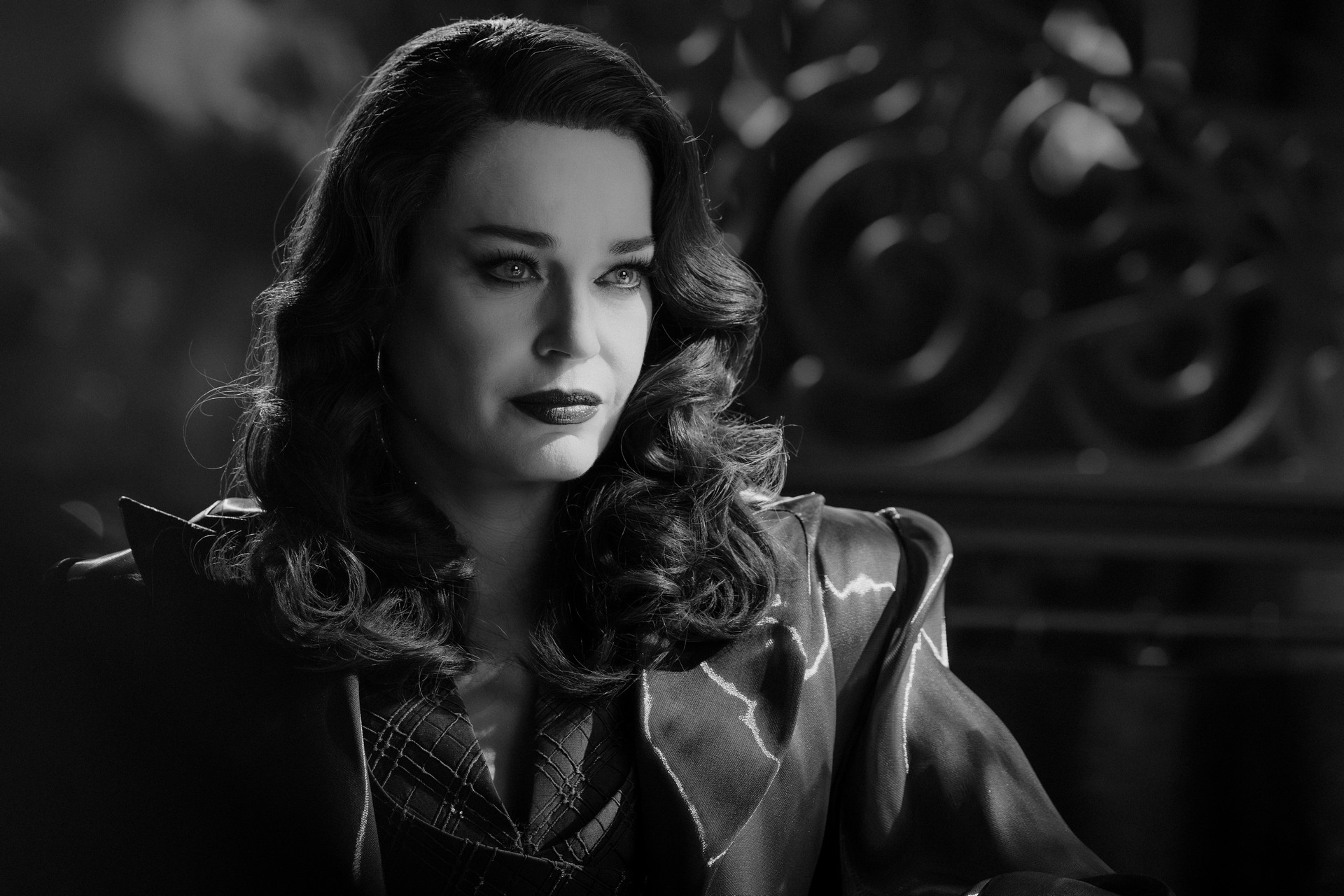

Star Trek: Starfleet Academy quickly proves why this corner of the franchise deserves to exist. Season 1 uses its Academy setting and younger cast to open up a distinct new lane while staying firmly rooted in the ideals that have long defined Star Trek. And by exploring ambition, identity, pressure, and connection through a fresh generational lens, it also establishes itself as a confident and compelling next step for the franchise.

A new generational lens that strengthens the franchise
The biggest win here is the stylistic pivot. Starfleet Academy brings in a younger core without flattening itself into something trend-chasing or weightless. Instead, it uses that perspective to deepen the franchise’s world-building. By focusing on cadets who are still becoming themselves, the series gets to explore different social, emotional, and ideological lanes within the Star Trek universe.
That matters because the Academy setting gives the show room to ask questions that feel both classic and newly energized. What does leadership look like before it fully forms? What happens when ambition, idealism, loneliness, and insecurity all exist in the same room? How do people grow under pressure when they are not yet the polished officers they hope to become? These are timeless themes, but the series frames them in a way that feels immediate rather than overly reverent.
There is also something refreshing about a Star Trek story that understands youth without reducing it to immaturity. The season gives its cadets agency, complexity, and room to be messy. That choice keeps the emotional stakes alive and prevents the series from becoming just an origin-story machine.
The cadets feel like a real ensemble
The core group is one of the show’s greatest strengths. They feel balanced from the start, but not in a rigid, mechanical way where each character seems assigned a neat function for the sake of story structure. Instead, they complement one another organically. Their personalities bounce, clash, and align with the kind of rhythm that makes an ensemble feel lived-in.
That chemistry is a huge part of why the season works so well. The cadets do not come across as if they were designed in a lab to fill archetypal gaps. They feel like actual people whose strengths and blind spots naturally create a compelling group dynamic. Some bring force, some bring vulnerability, some bring intellect, some bring instinct, but the series lets those qualities emerge through interaction rather than exposition.
That makes the relationships easy to invest in. The show understands that a season like this cannot survive on lore or premise alone. It needs viewers to care about how these characters affect one another, and it succeeds. By the time the season really tightens its grip, the ensemble already feels sturdy (and talented) enough to carry both the intimate and larger-scale material.
Character work and forward momentum go hand in hand
One of the most impressive things about the season is its pacing. The story never feels like it has to choose between character development and overarching momentum. It keeps moving, but it moves with purpose. Every challenge, setback, and escalation builds the larger season while also telling us something useful about the cadets themselves.
That balance is not easy to pull off, especially in a franchise series that has to juggle mythology, emotional arcs, and spectacle. But Starfleet Academy rarely falters. It gives the cadets a recurring foe, real pressure, meaningful challenges, and enough change and loss to make their growth feel earned. At the same time, it never loses sight of who these people are underneath the uniforms and expectations.
That is where the season becomes more than just a promising spinoff. It finds a rhythm that invites emotional investment while keeping the narrative engine running. Nothing feels static. There is always movement, always some new emotional contour being revealed, and always the sense that the season is building toward something rather than stalling for time.
An excellent cast helps the Series soar
The performances are another major reason the season lands so confidently. Holly Hunter brings exactly the kind of sharp, commanding presence the series needs, grounding the world with authority while still leaving room for warmth and texture. Tig Notaro and Gina Yashere add humor, presence, and personality in ways that feel easy rather than forced.
Then, among the younger cast, Kerrice Brooks, George Hawkins, and Bella Shepard stand out immediately, helping the ensemble click in ways that feel organic rather than engineered. Along with the rest of the cadets, they give the series a tangible emotional center that makes this new generation feel fully worthy of the franchise.
Score: 9.5/10
Full of heart, personality, and momentum, the first season of Star Trek: Starfleet Academy is an impeccable new chapter and one of the most confident and satisfying Star Trek entries in recent memory.