
With its second season, Monarch: Legacy of Monsters starts playing on a bigger field and looks fully comfortable doing it. The 10-episode season premiered on Apple TV+ on February 27, 2026 and picks up with Monarch, Skull Island, and the wider world all hanging in the balance, as returning characters are pulled toward a new Titan event and deeper fractures inside the organization itself. Anna Sawai, Kiersey Clemons, Ren Watabe, Mari Yamamoto, Joe Tippett, Anders Holm, Kurt Russell, and Wyatt Russell all return, with the season leaning harder into both its ensemble and its monster mythology.
What truly stands out most is how much more complete the series feels this time. Season 1 had atmosphere and intrigue, but Season 2 comes across as far more confident about what kind of MonsterVerse story it wants to be. The scale is larger, the emotional work lands more consistently, and the kaiju storytelling no longer feels separate from the human drama. Instead, the two sides start feeding each other in ways that make the season far more satisfying from week to week.
The action finally feels as big as the premise
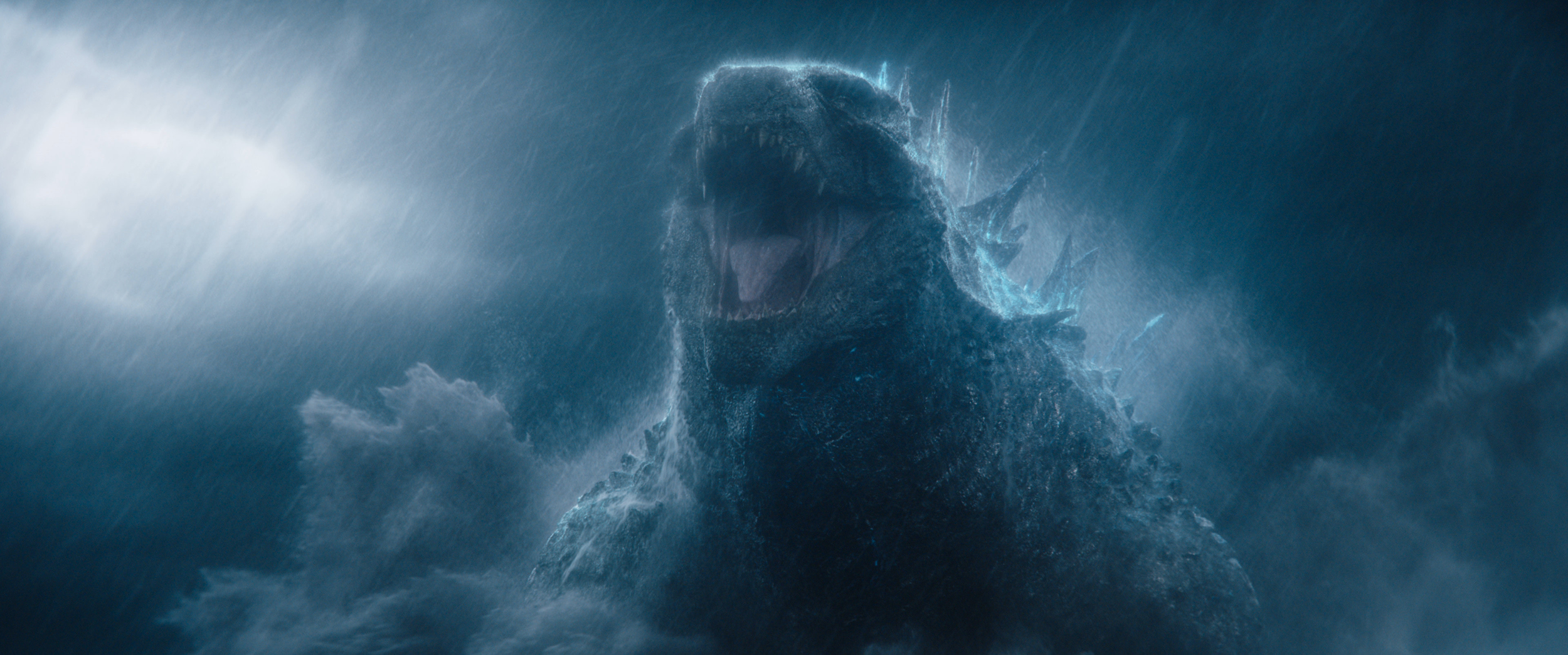
One of the clearest upgrades this season is the action. Monarch no longer feels hesitant about delivering on the scale implied by its premise. The set pieces are larger, the Titan material is more frequent, and the series makes much better use of land and water as spaces for spectacle. Skull Island, ocean sequences, and large-scale clashes all help give the season a more expansive visual identity, while Titan X becomes a centerpiece for some of the show’s most ambitious monster material.
That added scope is not only there for returning MonsterVerse fans. It also makes the season easier to recommend to newer viewers who may be arriving mainly for the creatures, the destruction, and the sense of event television. This time, the show understands that spectacle has to feel rewarding on its own terms. And when it cuts to the appealing kaiju mayhem, it actually feels like an escalation rather than a brief obligation.
The human side matters more this time
Just as importantly, the season does a far better job of making its core cast feel essential to the story. And that may be the biggest change between seasons. Rather than treating the people as narrative bridges between monster scenes, Season 2 gives them clearer purpose within the larger conflict.
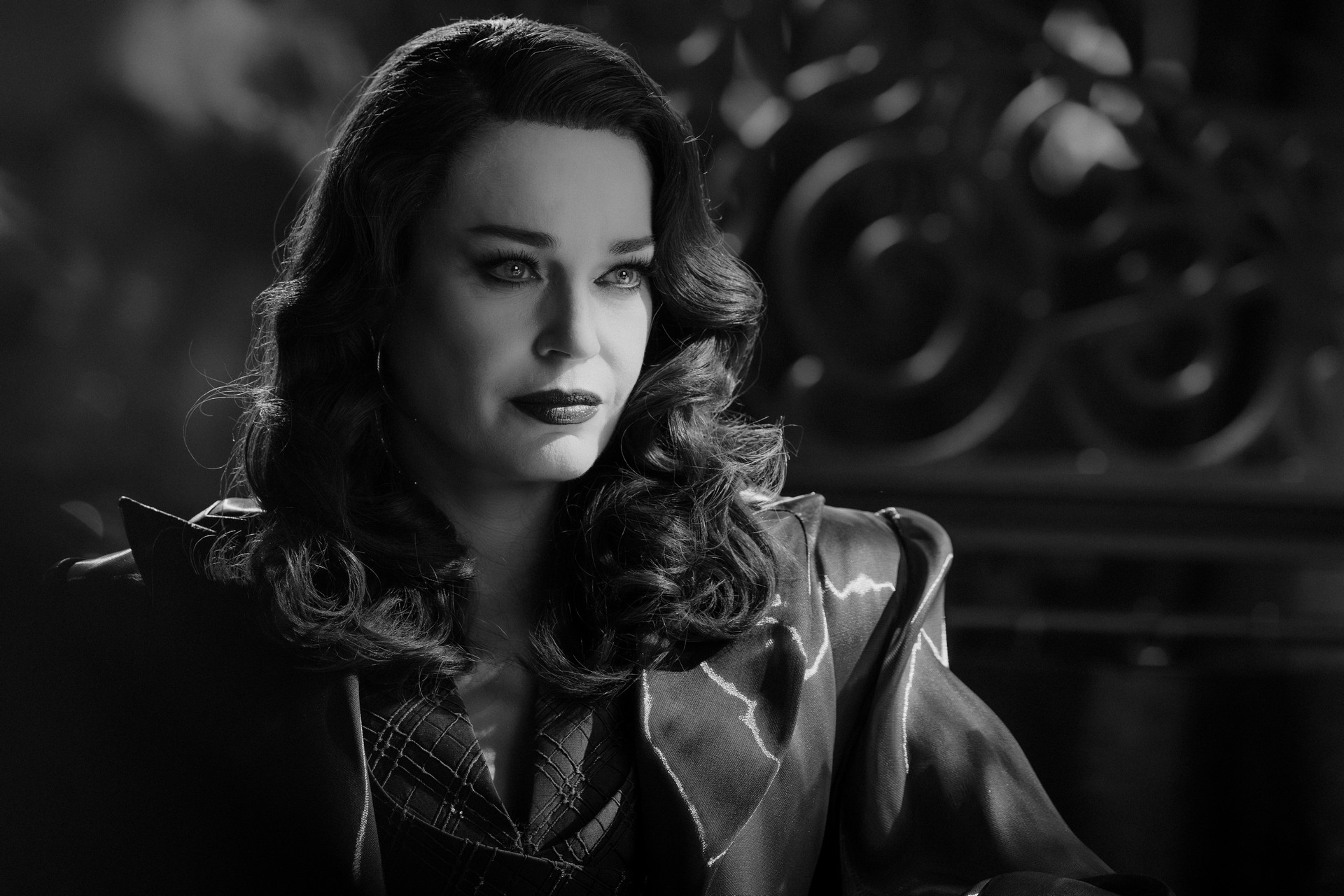
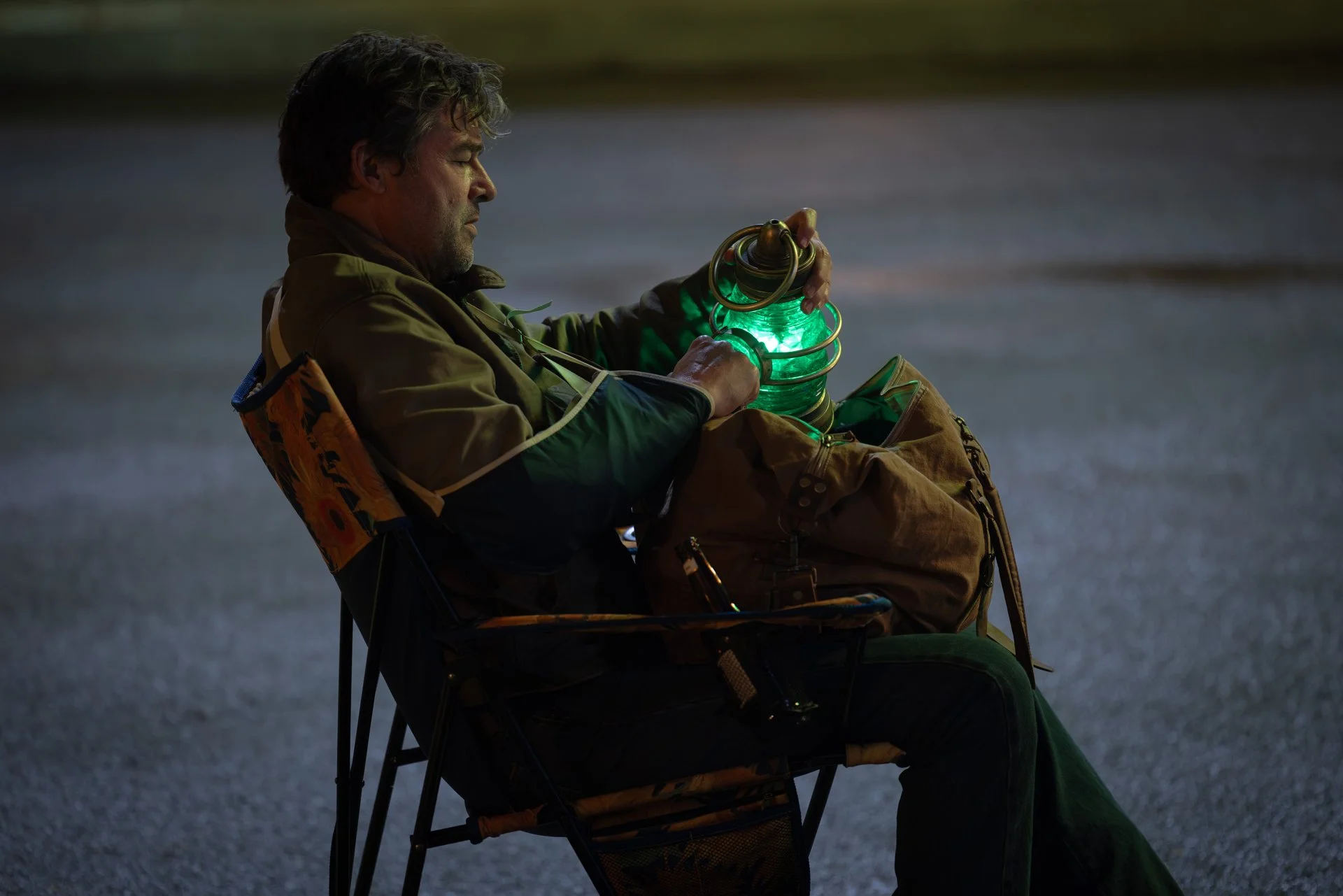
Cate, in particular, feels more central, with her growing connection to the Titans and Axis Mundi deepening the season’s emotional stakes. Keiko’s presence in the present-day timeline continues to pay off as one of the show’s strongest threads, and Mari Yamamoto plays those beats with real conviction. May’s tech skills give her a more active, strategically useful place in the shifting alliances, Kentaro is allowed more agency as he tries to make decisions for himself, and Joe Tippett’s Tim gets more room to operate as an on-the-ground leader rather than simply an observer. Fortunately, the season uses each of them with far more confidence than before.
That stronger character work helps nearly every performance land better, too. Sawai continues to bring a sharp emotional intelligence to Cate, while Clemons and Watabe both benefit from material that gives them more to actively do. Then there’s Tippett, who also feels newly valuable to the machinery of the show, while Keiko remains one of the series’ most compelling figures, partly because the season understands how much emotional and thematic weight she carries. Now, if we could just get Holm’s character to find his way into the present-day storyline…
Titan X gives the season a stronger point of view
Season 2 also becomes much more interesting because of how it handles Titan X. At first, the creature seems positioned as a straightforward new threat, another large-scale danger engineered to force conflict and raise the stakes. But one of the season’s smartest decisions is refusing to leave Titan X at that level. Instead, it gradually peels back the situation and gives the Titan something closer to interiority, or at least a perspective the show wants us to consider.
That shift is an important one too. It moves the season away from a purely combative framework and toward something more layered. By the later stretch, Titan X is not simply there to be feared or defeated. The show starts asking what has been done to this creature, what human interference has distorted, and what it means to respond to Titans with domination instead of understanding. In fact, Episode 8 both emphasizes that Titan X’s stolen egg and manipulated aggression become central to the season’s emotional and ethical turn, with the ending hinging on release rather than annihilation.
That is where the season finds its best idea. Western Godzilla stories often work best when they do more than turn monsters into targets. They tend to come alive when they leave room for awe, imbalance, coexistence, and the possibility that nature is not villainous simply because it is bigger than us. Season 2 taps into that tradition in a way that gives the MonsterVerse side of the series more texture than simple escalation ever could.
A more confident season all around
What makes Season 2 so satisfying is not just that it improves on one thing. It improves on multiple fronts at once. The action is more muscular. The visuals are more adventurous. The people matter more. The mythology has a stronger thematic spine. And crucially, those improvements all support one another instead of competing for space.
That gives the season a steadier rhythm. Even when it is juggling factions, family tension, monster politics, and long-running Monarch secrets, it rarely feels like it is stalling or scrambling. There is a stronger sense of forward drive throughout, paired with a version of the show that finally seems sure of its own voice.
It is still a MonsterVerse series, so of course, some pleasures come from scale, destruction, and familiar iconography. But Season 2 is far more effective because it does not stop there. It builds a more emotionally engaged, more visually fulfilling, and more thematically coherent version of Monarch.
Score: 8.5/10
Monarch: Legacy of Monsters Season 2 delivers the kind of confident expansion a second season should. The action feels bigger, the Titan storytelling is more rewarding, and the human side of the series is woven more carefully into the larger MonsterVerse canvas. With strong work from Anna Sawai, Kiersey Clemons, Ren Watabe, Anders Holm, Joe Tippett, and Mari Yamamoto, plus a smarter-than-expected approach to Titan X, the season becomes one of the franchise’s most satisfying chapters so far.