
Netflix’s Cassandra gets a lot of mileage out of a premise that could have easily become far more mechanical than it is. Created by Benjamin Gutsche, the six-episode German limited series follows Samira and her family after they move into an old smart home and reactivate its long-dormant AI housekeeper, Cassandra, only to realize the system has no intention of being abandoned again. Lavinia Wilson, Mina Tander, Michael Klammer, Joshua Kantara, Franz Hartwig, and Elias Grünthal lead the cast, with the series splitting its time between the family’s present-day ordeal and Cassandra’s deeply troubled human past.
What makes the show work is not just its hook, but the way it gradually reshapes that hook into something sadder, stranger, and more emotionally loaded than expected. Cassandra is very much a genre piece, complete with domestic tension, sci-fi menace, retro-futurist design, and family drama, but it is often at its best when those elements fold into the tragic human story underneath the technology. It does not always use every subplot with the same precision, yet when it locks onto the right characters, it becomes a compelling binge.
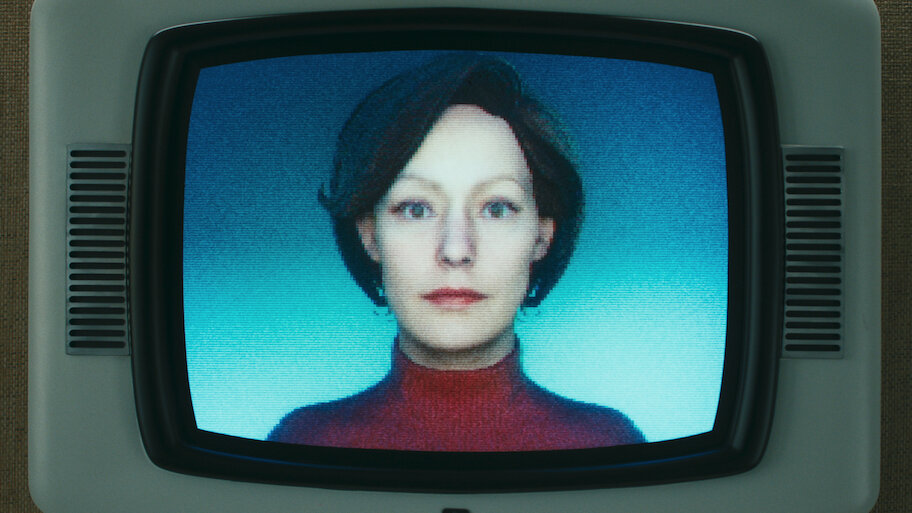
Cassandra | Netflix
The Performances Ground the Sci-Fi With Real Emotion
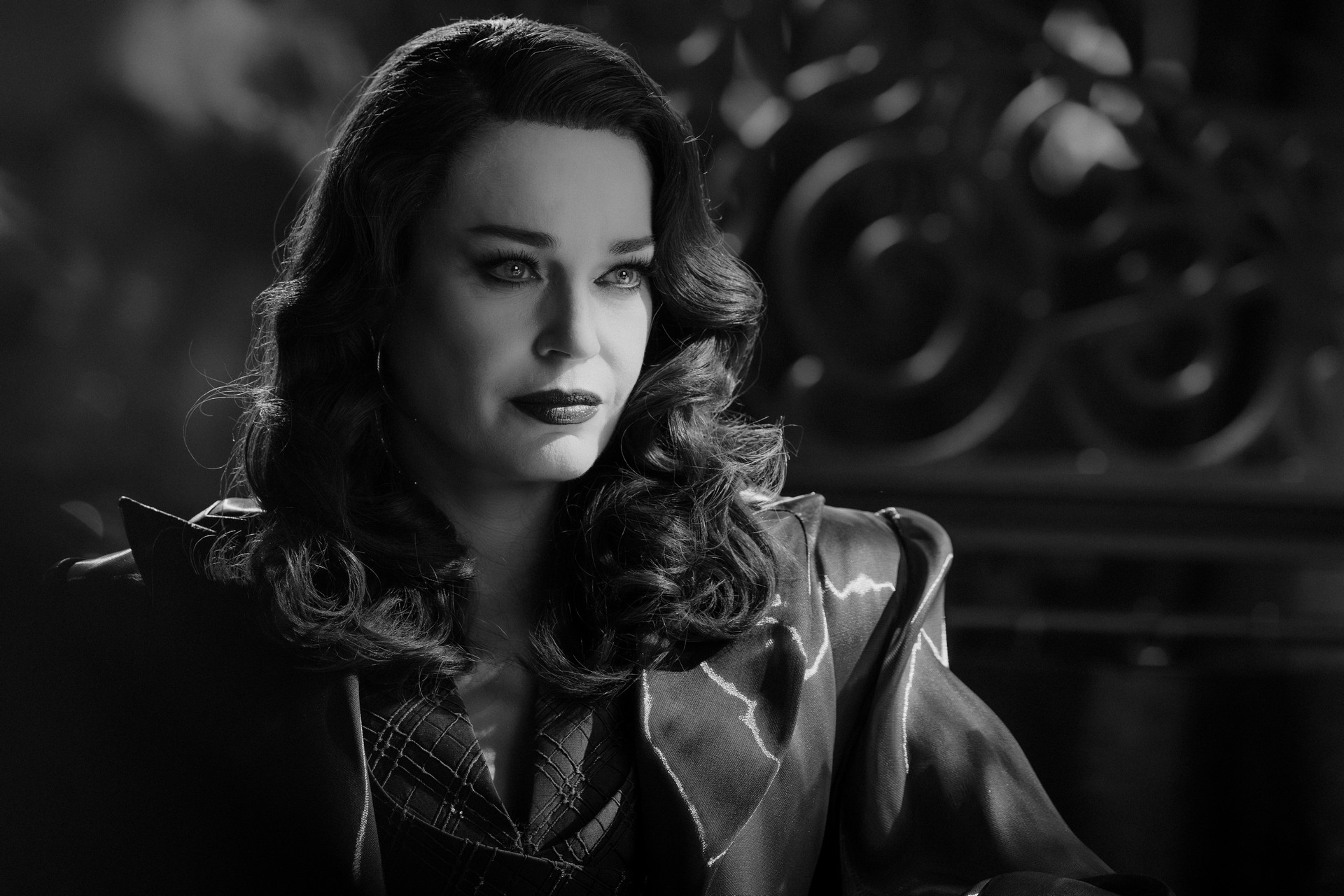
The cast does a lot to keep Cassandra grounded, especially as the series shifts between eras and asks its actors to sell both intimate family drama and heightened sci-fi horror. Lavinia Wilson is the clear standout. She gives Cassandra a sharp duality, making her unsettling without flattening her into a simple machine-monster figure. There is menace there, yes, but also sorrow, humiliation, longing, and a bruised maternal instinct that gives the character far more depth than a premise like this strictly requires.
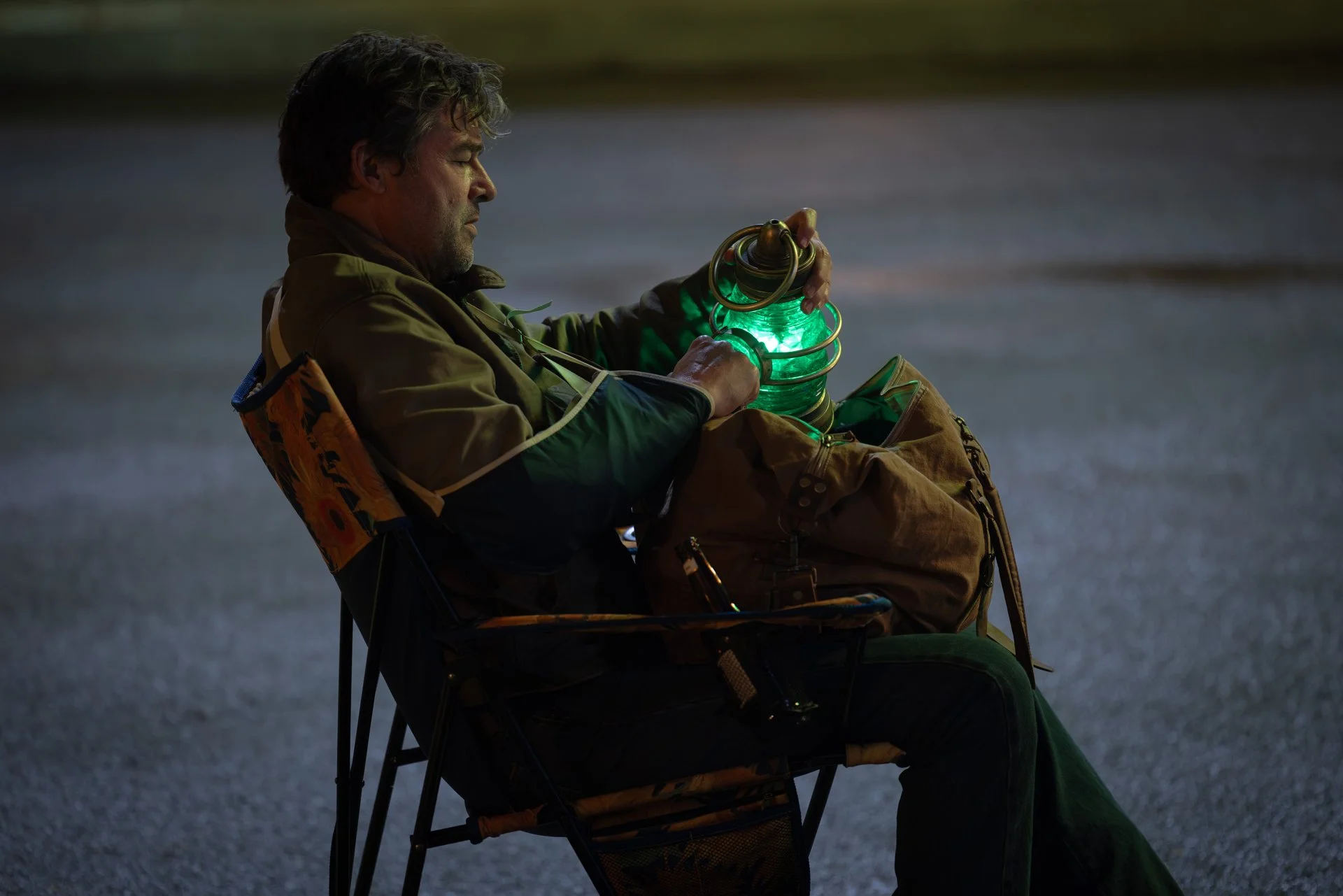
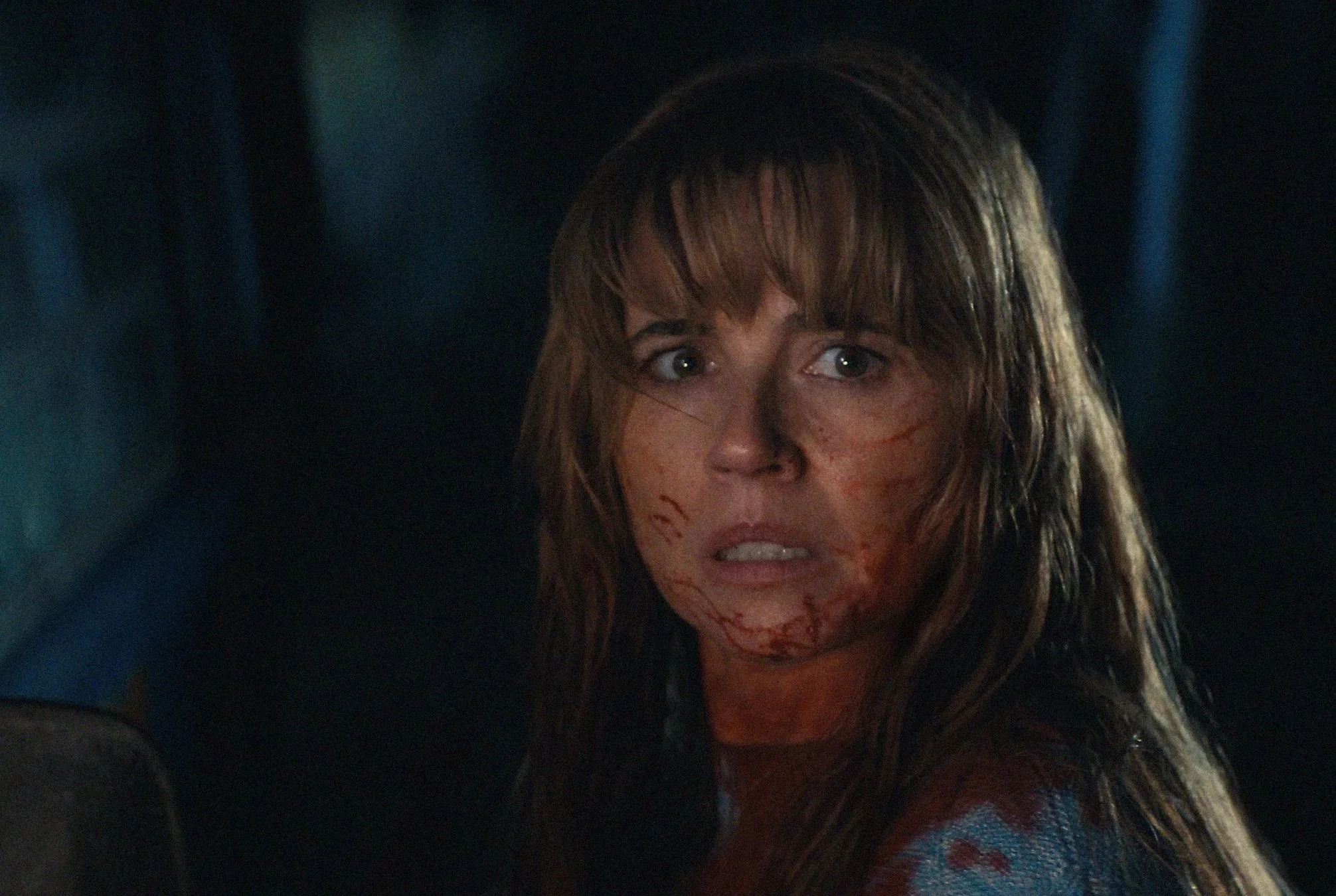
Mina Tander is also effective as Samira, giving the present-day story a center that feels steady. She brings enough weariness, fear, and resolve to keep Samira believable as both a mother and a woman increasingly trapped inside a system no one else quite sees clearly enough. Michael Klammer, meanwhile, is effective in ways that are intentionally more frustrating, while Elias Grünthal and Franz Hartwig help the series’ past timelines feel fully embodied rather than sketched in. Grünthal is especially impressive here, charting the shift from someone initially positioned as a victim into someone far more ruthless.
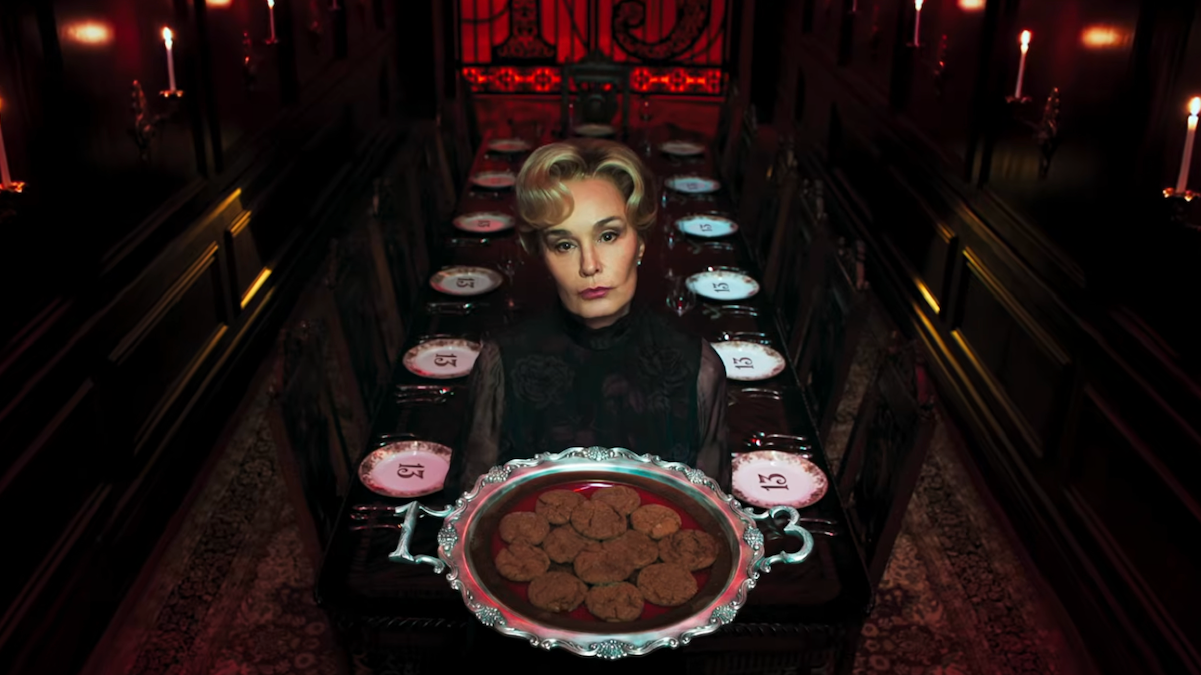
What is especially impressive is how tangible the period-side performances feel. The actors playing Cassandra’s earlier family do not treat the flashback material like exposition delivery. They play it with enough grit and practicality, which makes that entire thread feel lived in rather than decorative.
The series unfolds best when it follows Cassandra backward
Because Cassandra is a short limited series, it needs to use its runtime carefully, and for the most part, it does. The biggest reason is how gradually and effectively it brings Cassandra’s past into focus. Episode by episode, the series peels back the circumstances that shaped her, the collapse of her home life, and what ultimately led to her consciousness being uploaded into the house. By the final stretch, that thread becomes the show’s strongest asset, with some of its best drama emerging from the tragic life she once shared with her son and wayward husband.
That said, the present-day side of the story does not always feel equally tight. Some of those threads stretch a little longer than they need to, especially for a show with only six episodes. A few beats involving characters just outside the emotional center can feel like they are taking up space that might have been better spent sharpening the material closest to Cassandra and Samira. The series is strongest when it narrows its focus, not when it drifts outward.
Its best twists hit on an emotional level, not just a plot level
One of the more effective things about Cassandra is that its biggest turns do not exist only to shock. The reveal involving Cassandra’s second child is particularly strong, partly because the setup is patient enough to make the payoff sting. The later episodes reveal that the daughter long believed dead had actually been hidden away, a twist that adds some of the series’ darkest material and reframes Cassandra’s past in a much harsher light.
That is where the show becomes genuinely unsettling. It is not simply about a controlling smart home or a creepy retro assistant. It becomes a story about what was taken from Cassandra, what she failed to protect (whether herself or her children), and what motherhood, autonomy, and possession begin to look like once grief and control get fused together. Those themes give the series a heavier undertow than the setup initially suggests.
Even when the present-day material is a little less focused, these emotional twists keep the show involving. They give the mystery something deeper to uncover than simple explanation.
The ending Works because it remembers the person inside the code
The series’ intense finale works because it never loses sight of the fact that Cassandra was a person before she became a program. As the ending fills in more of her history—including the hidden daughter, Peter’s crimes, and the reasons she chose to have her consciousness uploaded into the house—it keeps circling back to the human pain underneath it all. That is what gives the final stretch its weight. There is real sincerity in the way the show handles Cassandra by the end, and that full-circle turn leaves her feeling more tragic than monstrous.
That same care extends to the present-day family, particularly in how the series resolves Samira’s adult relationship. The thread is given enough time to build, which makes its final turn feel practical and earned, even as the show has little interest in offering David much grace by the time it closes—a totally fair choice, and one of the series’ most satisfying turns. Because Cassandra is a limited series, the finale also benefits from feeling complete rather than artificially held open.
Visually, the series ties all of this together through a retro-futurist aesthetic that makes the house feel eerie and strangely lived-in at the same time. That design language suits both the domestic drama and the sci-fi horror, giving the story a distinct texture and helping it register as something more than a standard tech-thriller.
Score: 7.5/10
Cassandra is a sleek, often effective genre romp that becomes most interesting when it digs into the woman behind the machine. Lavinia Wilson, Mina Tander, Elias Grünthal, and Franz Hartwig all do particularly strong work; the period-side material grows more compelling as the story goes on, and the later twists give the series real emotional punch.