
If you were to draft a list of things likely to destroy human civilization, "unmitigated happiness" probably wouldn't crack the top ten. We expect nukes, zombies, or perhaps a rogue AI deciding we’re inefficient. But in Vince Gilligan’s haunting return to television, the apocalypse arrives not with a bang, but with a polite smile.
In essence, Pluribus is a bold pivot for the man who spent fifteen years chronicling the moral decay of Walter White and Saul Goodman. Trading the meth labs of Albuquerque for a global hive mind (though still keeping the stunning New Mexico vistas), Gilligan has crafted a sci-fi psychological drama that feels uncomfortably prescient. It poses a question that lingers long after the end of the first episode alone: If the price of world peace is your soul, are you selfish for wanting a refund?
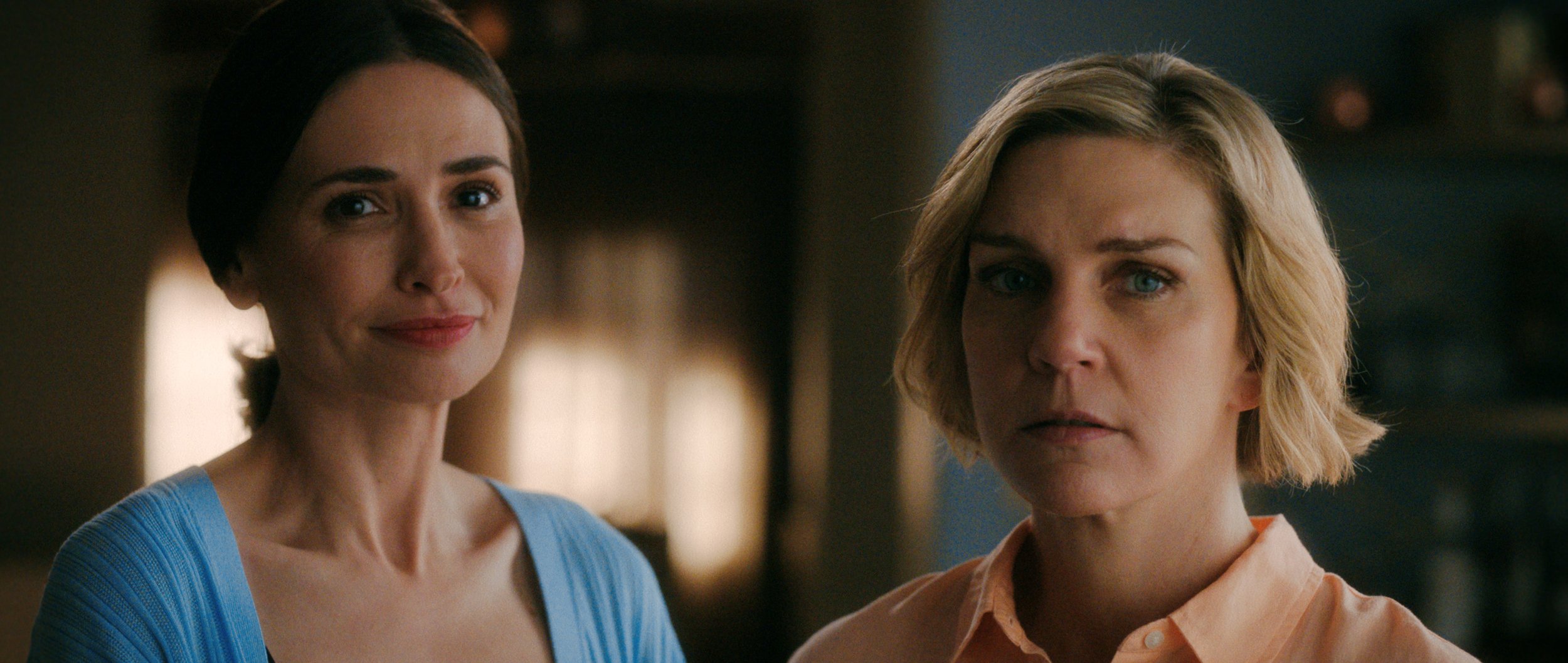
Pluribus Season 1 | Photo Credit: Apple TV
The Right to Remain Unhappy
The show’s greatest asset—and its primary source of friction—is Carol Sturka, played by the magnificent Rhea Seehorn. Carol is a miserable, cynical author of "pirate-themed romantasy" novels, a genre she privately loathes despite the fortune it brings her. She is abrasive, difficult, and seemingly allergic to joy. In any other story, she would be the villain or the comic relief. Here, she is humanity’s last hope.
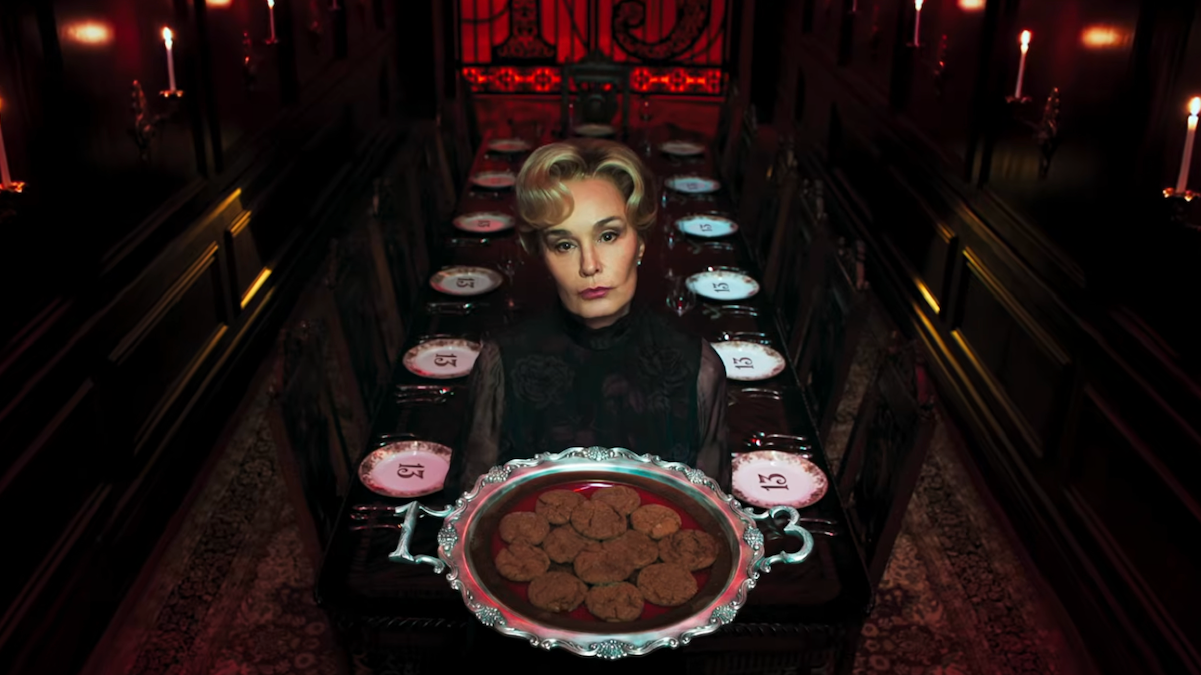
Seehorn delivers a masterclass in prickly vulnerability. When an alien signal rewrites human neurology, binding the population into a single, euphoric consciousness, Carol is one of only thirteen people worldwide who remain immune. Everyone else—including her wife and manager, Helen—is swept up into the "Joining." The survivors are left in a world that is suddenly efficient, crime-free, and terrifyingly pleasant.
What makes Carol such a compelling protagonist is that she isn't fighting for "freedom" in the abstract, braveheart sense. She’s fighting because she wants the right to be unhappy. She wants the right to grieve. She wants people to have the right to choose. There is a perverse thrill in watching her navigate a utopia that desperately wants to assimilate her, not by force, but by sheer, suffocating kindness. Seehorn’s performance anchors the high-concept premise in something tactile and messy. Her grief is jagged, a stark contrast to the smooth, frictionless existence of the hive.
The Horror of Harmony
Sci-fi has done hive minds before, from the Borg to the Body Snatchers, but Pluribus finds a fresh angle by stripping away the malice. The "Others" (the infected humans) aren't drones walking in lockstep. They retain aspects of their personalities, access to their memories, and their motor skills. They just happen to share a single, blissful emotional baseline and a collective purpose. They will fix your car, cook your dinner, and genuinely care about your day, all while sharing the consciousness of eight billion people.
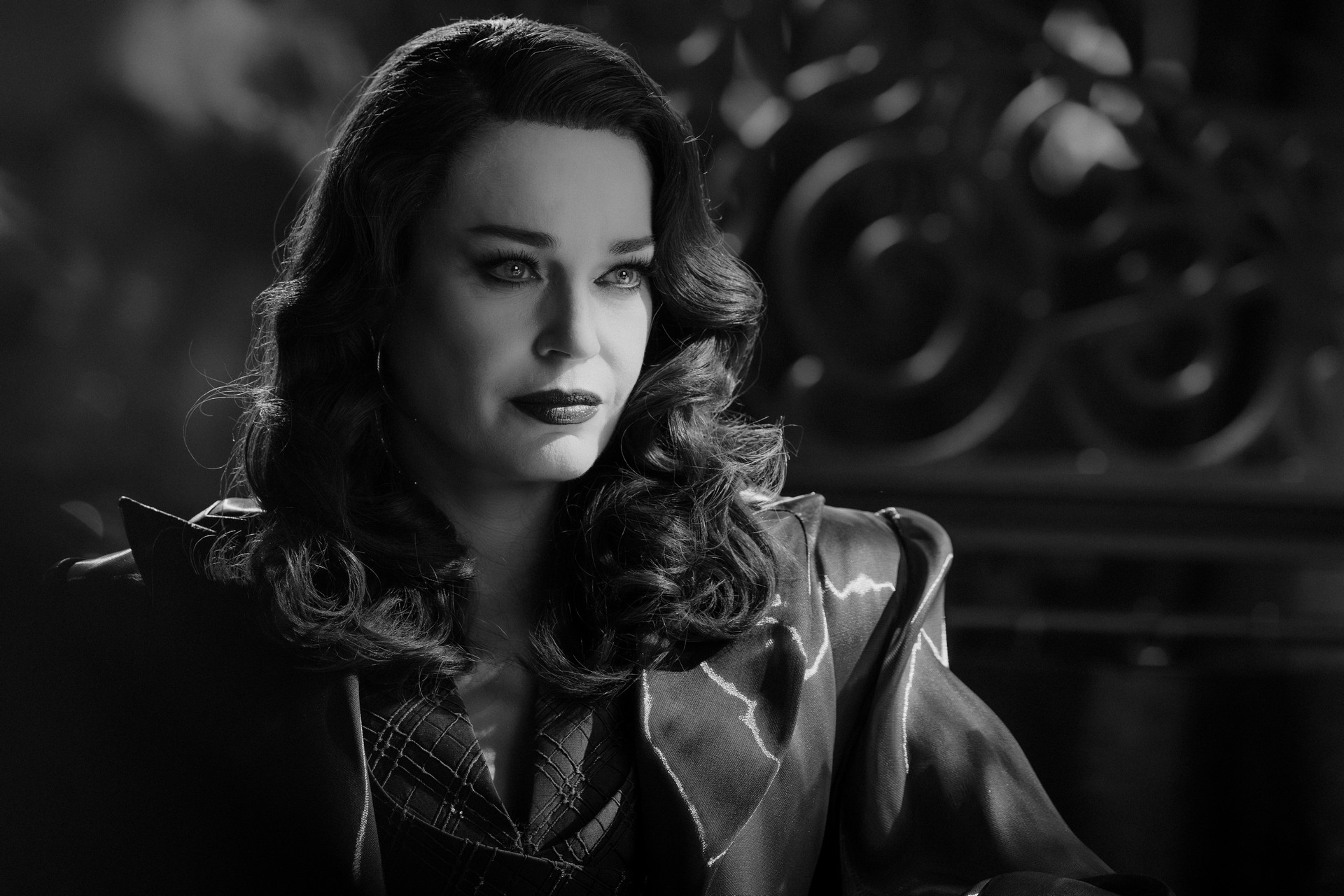
This is where the show leans into true psychological horror. The "villain" isn't evil; it’s aggressively benevolent. For example, Karolina Wydra plays Zosia, Carol’s assigned companion from the hive, with an unnerving serenity—and she’s arguably one of the series best assets. The chemistry between them is electric but fundamentally broken. Zosia looks human, acts human, but lacks the essential jagged edges that define an individual.
A Slow Burn in the Desert Sun
Visually, Pluribus is a stunner. Gilligan and his team have always known how to shoot the American Southwest, transforming the desert into a landscape of isolation and beauty. The cinematography here is cleaner, sharper, reflecting the sterilized new world order, yet the vast empty spaces echo Carol’s profound loneliness.
The pacing, however, might test the patience of those expecting an action-heavy blockbuster. This is a slow burn in the truest sense. The show takes its time exploring the logistical and philosophical ramifications of the Joining. We see the supply chains reorganize, the sudden obsolescence of money, and the bizarre subservience to those that aren’t a threat to their existence.
By avoiding the typical post-apocalyptic tropes of looting and survivalism, the show creates space for quieter, more disturbing questions. What happens to art when there is no conflict? What is intimacy if you are never truly alone with your partner? The silence of Pluribus is louder than any explosion. Plus, let’s not forget it has some incredible doses of humor laced throughout each episode.
The Immune Response
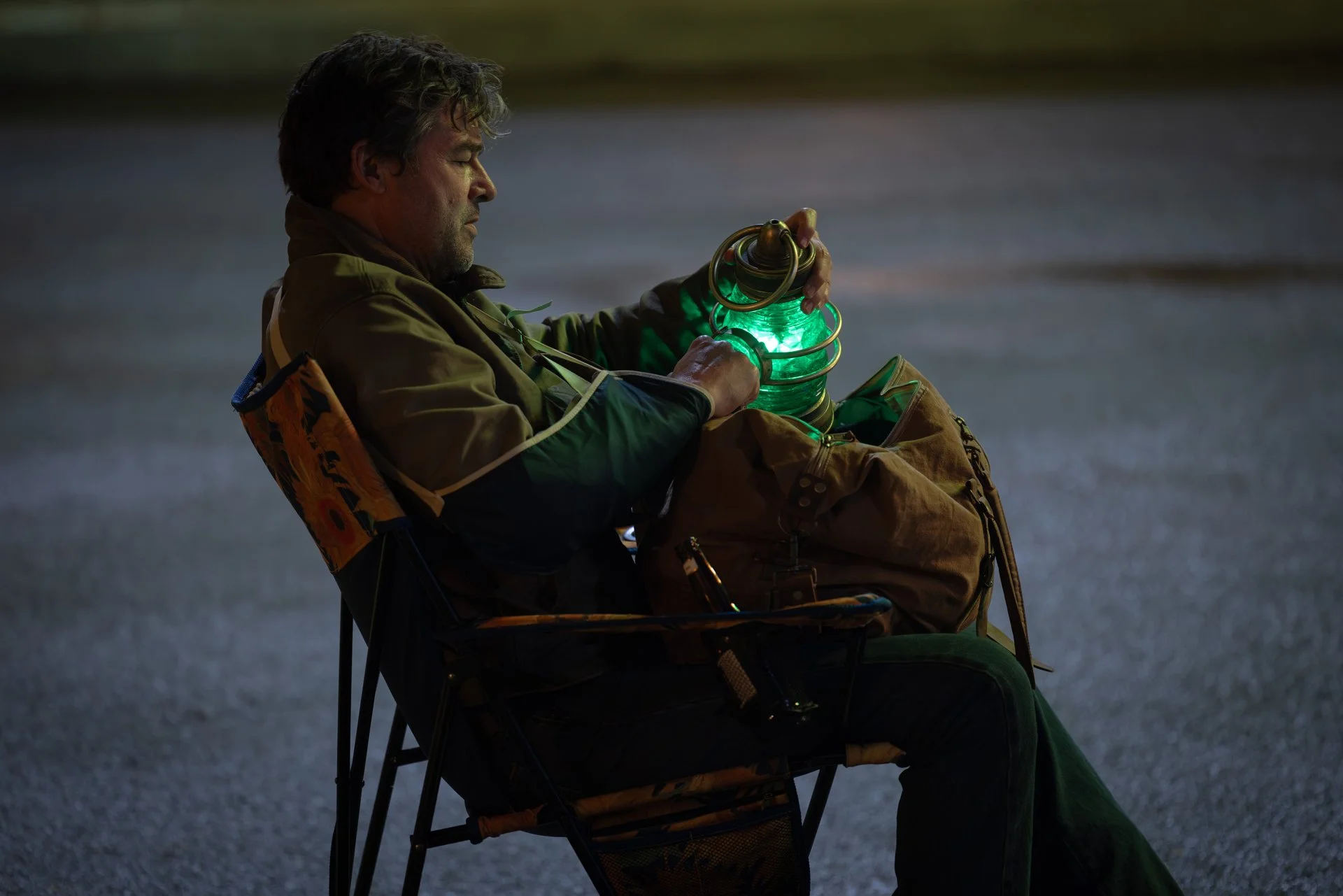
The introduction of the other immune survivors in the latter half of the season prevents the narrative from becoming a one-woman show. The diversity of their reactions adds necessary texture to the central conflict. We have Manousos (Carlos-Manuel Vesga), who retreats into detached cynicism, and the fascinating Koumba (Samba Schutte), who treats the apocalypse as an all-inclusive resort, hedonistically enjoying the fruits of the hive’s labor without contributing.
These characters consistently challenge Carol’s stance. If the world is fed, clothed, and peaceful, is it actually "wrong"? To most of these characters, Carol’s resistance begins to look less like heroism and more like stubbornness—but from our perspective, her reluctance is completely valid. That said, the show refuses to completely endorse her, suggesting that some of her misery might just be misery, not some noble badge of honor. It’s a nuanced take that keeps the audience from fully settling into a "humanity good, aliens bad" mindset.
Score: 9/10
Pluribus Season 1 is a triumph of tone and performance. It manages to be a gripping sci-fi mystery while serving as a melancholy meditation on grief and identity.