
Cape Fear arrives with the ingredients of a prestige psychological thriller: a celebrated cast, an established story, and ten episodes in which to complicate the danger surrounding the Bowden family. Its best moments turn that space into dread, allowing suspicion to settle over homes, relationships, and familiar landscapes. Too often, however, the series confuses prolonged suffering with deeper characterization. Still, Amy Adams keeps it emotionally legible, even when nearly everyone around her tests the audience’s patience.
Amy Adams Holds a Difficult Family Together
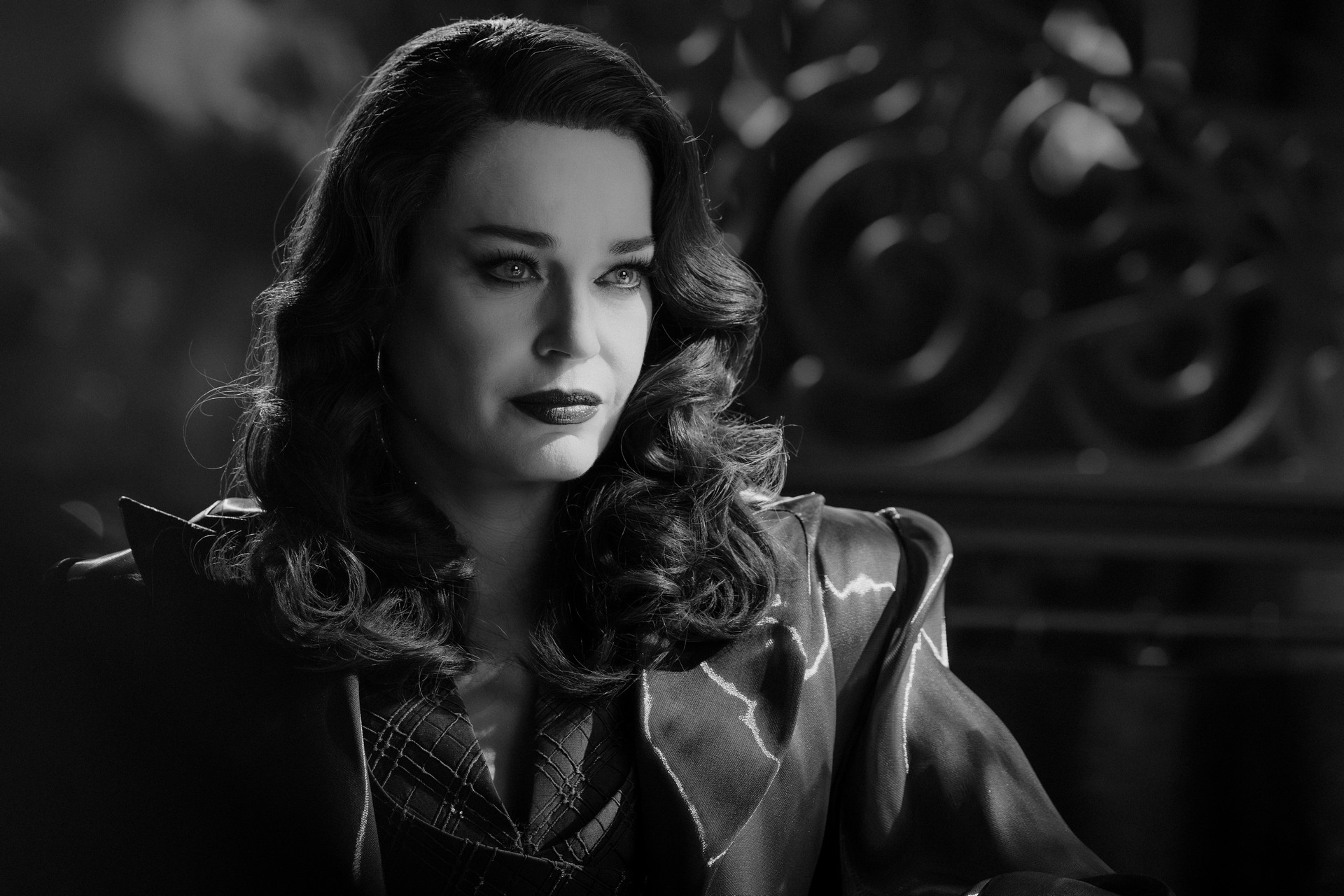
As Anna Bowden, Adams carries the series through its most frustrating stretches. Anna is hardly uncomplicated, and her contradictions give Adams substantial material to explore. She can be defensive, calculating, frightened, and fiercely protective within the same exchange. Even when Anna invites disaster, Adams preserves the sense that several competing impulses are moving beneath her choices.
The difficulty is that Cape Fear extends similar moral instability across most of its central cast, then repeatedly pushes it to an extreme. Grooming, drugging, and manipulation provide obvious catalysts for destructive behavior, but the family’s questionable choices are hardly limited to moments when someone else has compromised their judgment. Characters ignore warnings, conceal information, and worsen volatile situations until exasperation begins to replace investment.
Morally compromised people can make for absorbing television. Here, the concentration of poor judgment wears thin because the writing does not always supply enough sensible insight to make each decision feel revealing. At times, the Bowdens appear less like a damaged family responding badly to terror and more like a mechanism built to keep the nightmare running.
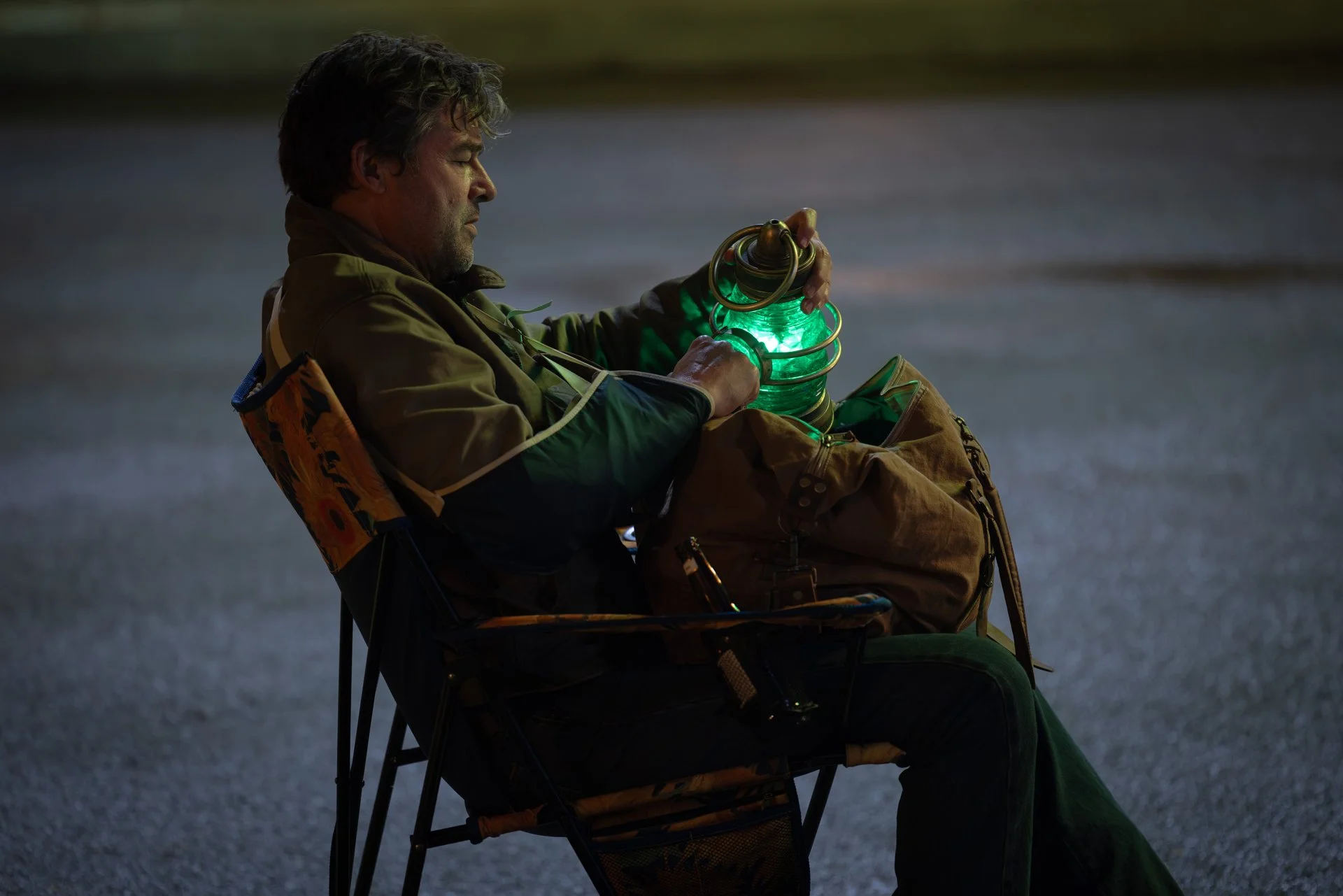
Adams prevents Anna from flattening into that function. Alternatively, Patrick Wilson finds recognizable insecurity and desperation within Tom, while Javier Bardem brings menace, humor, and bruised conviction to Max Cady. Both opposing performances give their characters more soul than the writing consistently provides.
Ten Episodes Test the Story’s Limits
The expanded format initially seems capable of giving Cape Fear something its film predecessors could not: time to examine the Bowdens before, during, and after Cady’s campaign against them. A few connective threads benefit from that room, particularly as old choices begin to contaminate the family’s present.
Yet ten episodes prove excessive for the story being told. Reversals accumulate, danger recedes and returns, and characters circle information long after the audience understands its importance. Much of the material could have retained its psychological weight in roughly half the runtime.
The pacing problem becomes clearest when the series repeatedly postpones confrontations it has already spent considerable time setting up. Instead of using those delays to deepen motivations or change the balance between its characters, several episodes recycle the same threat in slightly different forms. By the final stretch, the mounting complications begin to stall the story rather than intensify it, delaying a conclusion that has felt inevitable for some time.
That said, there are worthwhile additions and enough connective tissue to prevent the adaptation from feeling entirely unnecessary. The longer format, however, rarely proves essential.
The Landscape Creates the Strongest Unease
Where Cape Fear consistently succeeds is atmosphere. Trees crowd the frame, storms gather with oppressive regularity, and the damp, bayou-tinted setting makes every exterior feel capable of concealing something. The environment carries a physical discomfort that the plot sometimes struggles to sustain.
Because of that, the series is often most persuasive when it slows down to observe an empty road, a house surrounded by unstable weather, or figures made small against the landscape. These images suggest the Bowdens’ world has been compromised before Cady even enters the frame (or vice versa).
The setting also gives the production a distinct identity beyond its source material. Even when the narrative begins repeating itself, the physical world remains tactile and threatening. Outside of Adams and Wilson’s notable performances, this carefully maintained atmosphere may be its most dependable strength.
A Haunting Conclusion That Lacks Full Impact
The finale introduces an interesting idea about survival. The Bowdens may endure the immediate threat, but the family that emerges cannot return to its earlier form. Fear has changed how they see one another, while their own choices make that damage impossible to place entirely on Cady.
The conclusion should land with considerable force. Its effect is softened by how frequently the family continues to exacerbate its circumstances until the final moments. The suggestion that trauma will follow them is credible, even inevitable, but the series spends so long showing them deepen the damage that the closing note feels more like confirmation than revelation.
Even so, there is something unsettling in the ending’s refusal to equate survival with restoration. The Bowdens are left suspended between immediate relief and a deeper sense of permanent unease, a choice that aligns with the series’ strongest atmospheric instincts. The idea lingers after the final scene, even if the story has not fully earned the emotional weight it is meant to carry.
Score: 6/10
Apple TV’s Cape Fear stretches its premise beyond its strongest shape, with frustrating choices and an extended runtime weakening some of its human stakes. Still, Amy Adams’ commanding performance, a strong supporting cast, and an unsettling atmosphere give the series enough pull to reveal the sharper thriller buried inside it.