
Delphi Evans on Bringing Depth and Detail to Girl Taken
Paramount+ opens the year with Girl Taken, a six‑part psychological thriller adapted from Hollie Overton’s novel Baby Doll. Set in a quiet rural English town, the series follows twin sisters Lily and Abby, whose lives fracture when Lily is abducted by a trusted local teacher. Years later, she escapes—but the home she returns to is no longer the one she left. Rather than centering the mechanics of a crime, the show lingers in the emotional aftershocks: the disorientation, the recalibration, and the uneasy process of stitching a life back together.
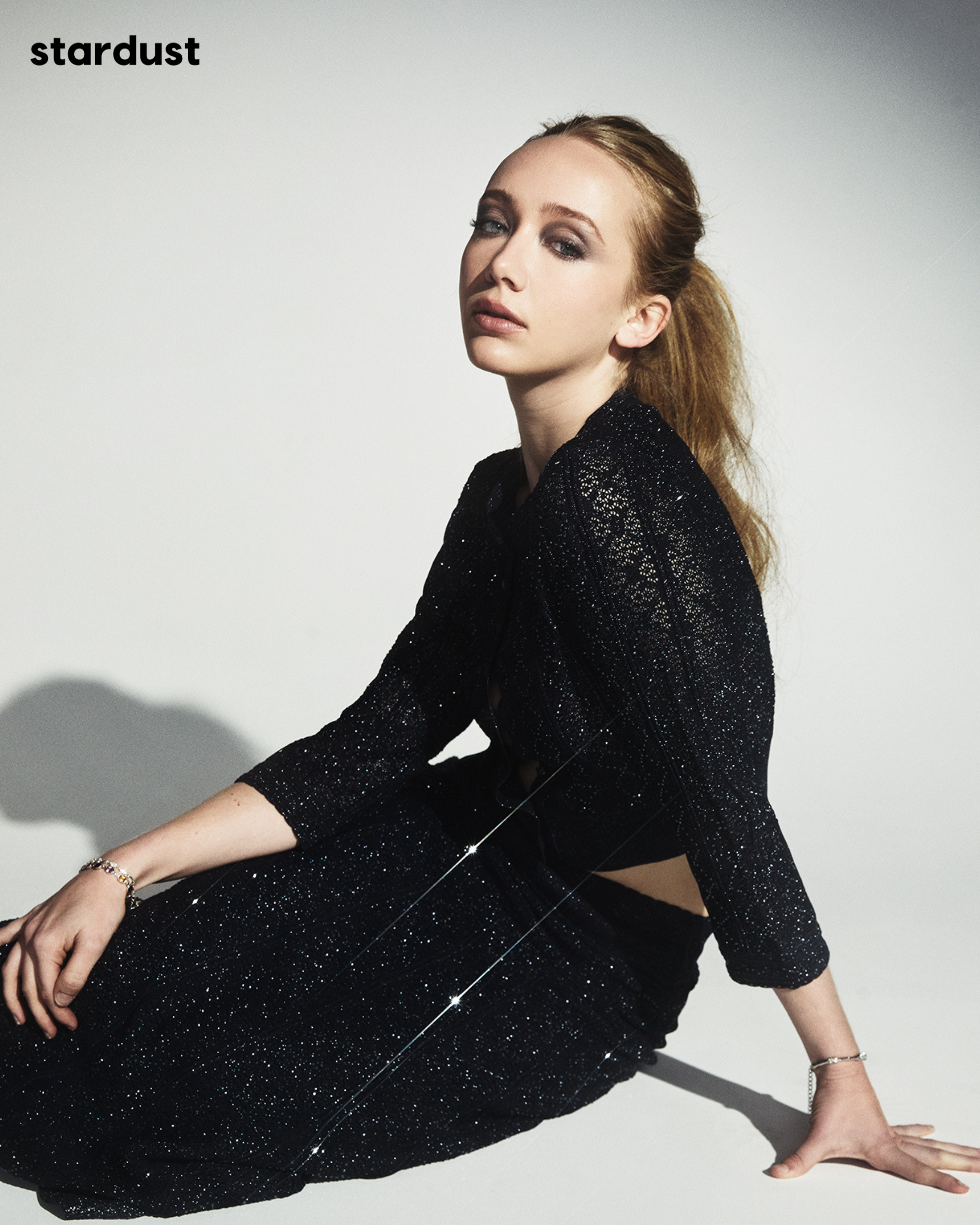
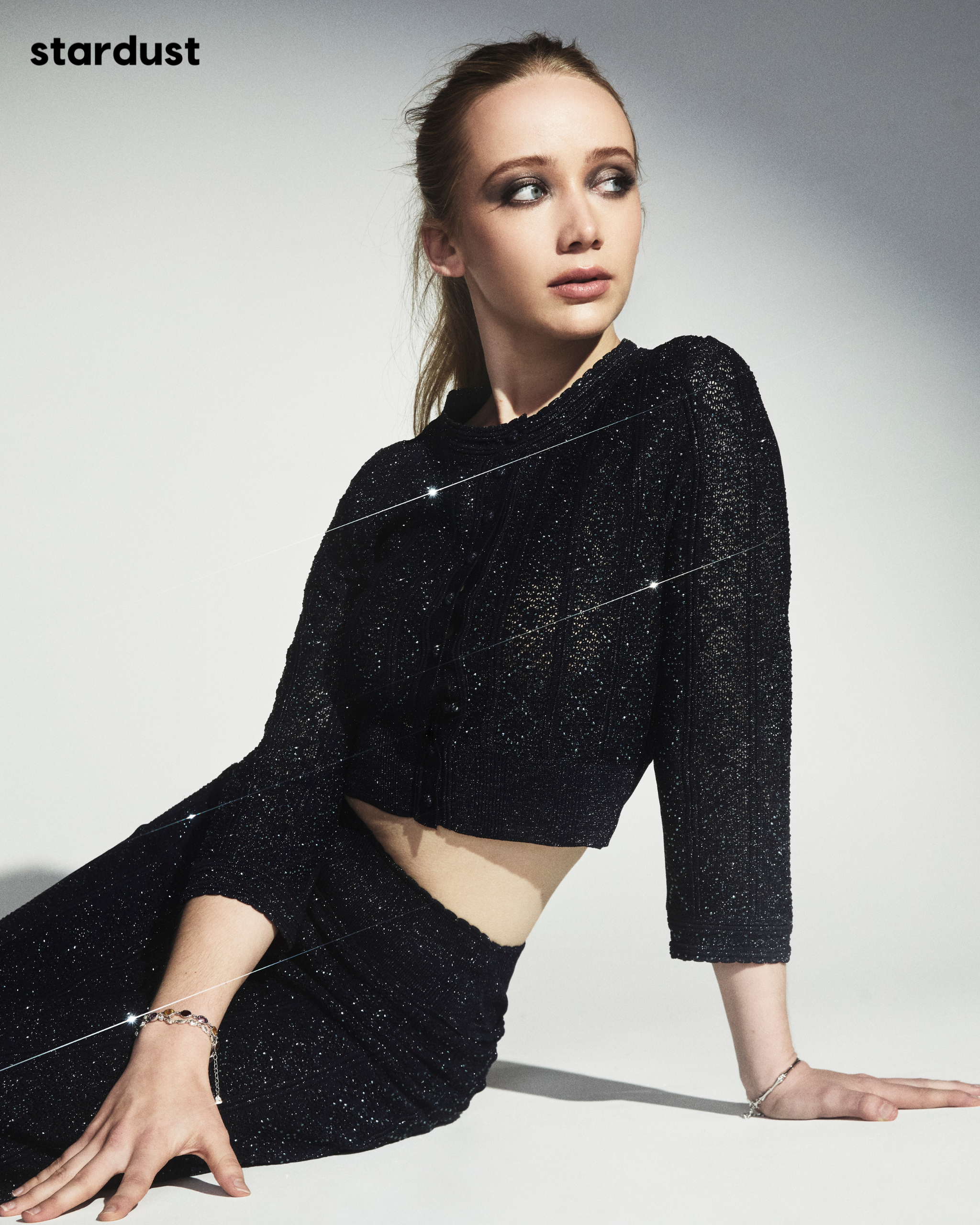
At the heart of that story is Delphi Evans, stepping into the role of Abby opposite her real‑life sister, Tallulah Evans, as Lily. The casting brings an immediate, lived‑in familiarity to the twins’ bond, while also challenging both actors to carve out two distinct emotional landscapes shaped by distance, fear, and the weight of what’s been lost. They’re also joined by Alfie Allen and Jill Halfpenny, with directors Laura Way and Bindu de Stoppani shaping the intimate, tightly wound tone that carries the story through both the rupture and the aftermath.
In this conversation with Stardust, Evans reflects on stepping into Abby’s world, collaborating with her sister, and navigating a story where healing is neither linear nor guaranteed.
What first grabbed you about Abby when you read the scripts—or even just the premise—and what felt most important to protect about her point of view?
Delphi Evans: I think it was her journey throughout the show that really grabbed me. Having to navigate through all of the stages of Lily’s disappearance and the fallout of her return. Her strength and resilience stuck out to me, and I wanted to make sure I showed that in the show.
You’re playing twins opposite your real-life sister, Tallulah. What did that built-in bond bring to the work—and what did you still have to consciously build so that Abby and Lily felt like distinct people?
Delphi Evans: Having that relationship with Tally meant that we had so much to go off when building Lily and Abby’s relationship. We had all of the love and frustrations there as a foundation. We had to make sure Lily and Abby weren’t just Tally and Delphi though, so we built in different parts of their relationship to make them distinct from us.
Without giving anything away, how would you describe Abby and Lily’s dynamic before Lily is taken—and how it shifts after she returns?
Delphi Evans: They were always super close and had shared every moment of their lives together. They weren’t necessarily in the same friendship groups at school as they grew up, but their close bond as twins was always there. After Lily’s return, there is definitely a shift in their relationship as Abby constantly tries to protect Lily and doesn’t always get it right when dealing with Lily’s trauma, but the love and bond very much remain.
Since the series is adapted from Hollie Overton’s novel Baby Doll, did you read it—and if so, what did you most want the show to preserve: the suspense, the psychology, the family story, or something else?
Delphi Evans: I read the book straight away! Even though our story differs from the book, the core elements of the family relationships and the psychological aspect remain, so having it as a reference point was extremely helpful and important in getting to the heart of the story we wanted to tell.
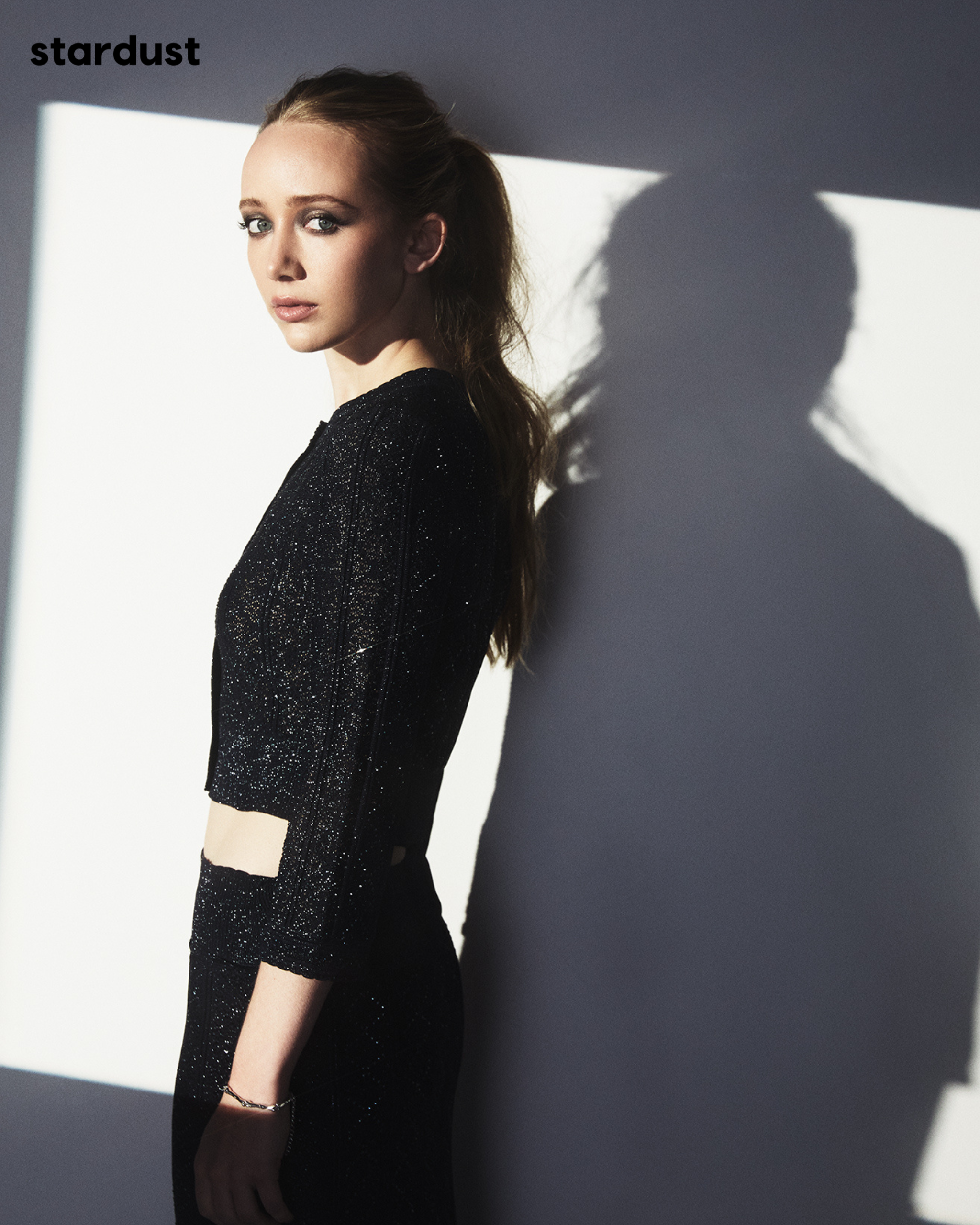
You worked with directors Laura Way and Bindu de Stoppani. What kind of tone or rhythm did they encourage, especially when the tension is more emotional than action-driven?
Delphi Evans: They were both incredible to work with and really allowed us to play around with the scenes and find what worked best in order to get the emotional tension across.
Abby’s relationship with her mother, Eve, adds another layer to the story. What was something about that dynamic that immediately clicked for you—or challenged you—as an actor?
Delphi Evans: I think the drastic change in their relationship after Lily’s disappearance and dealing with portraying their strained relationship during that time, whilst also being full of love and understanding, was a fun challenge.
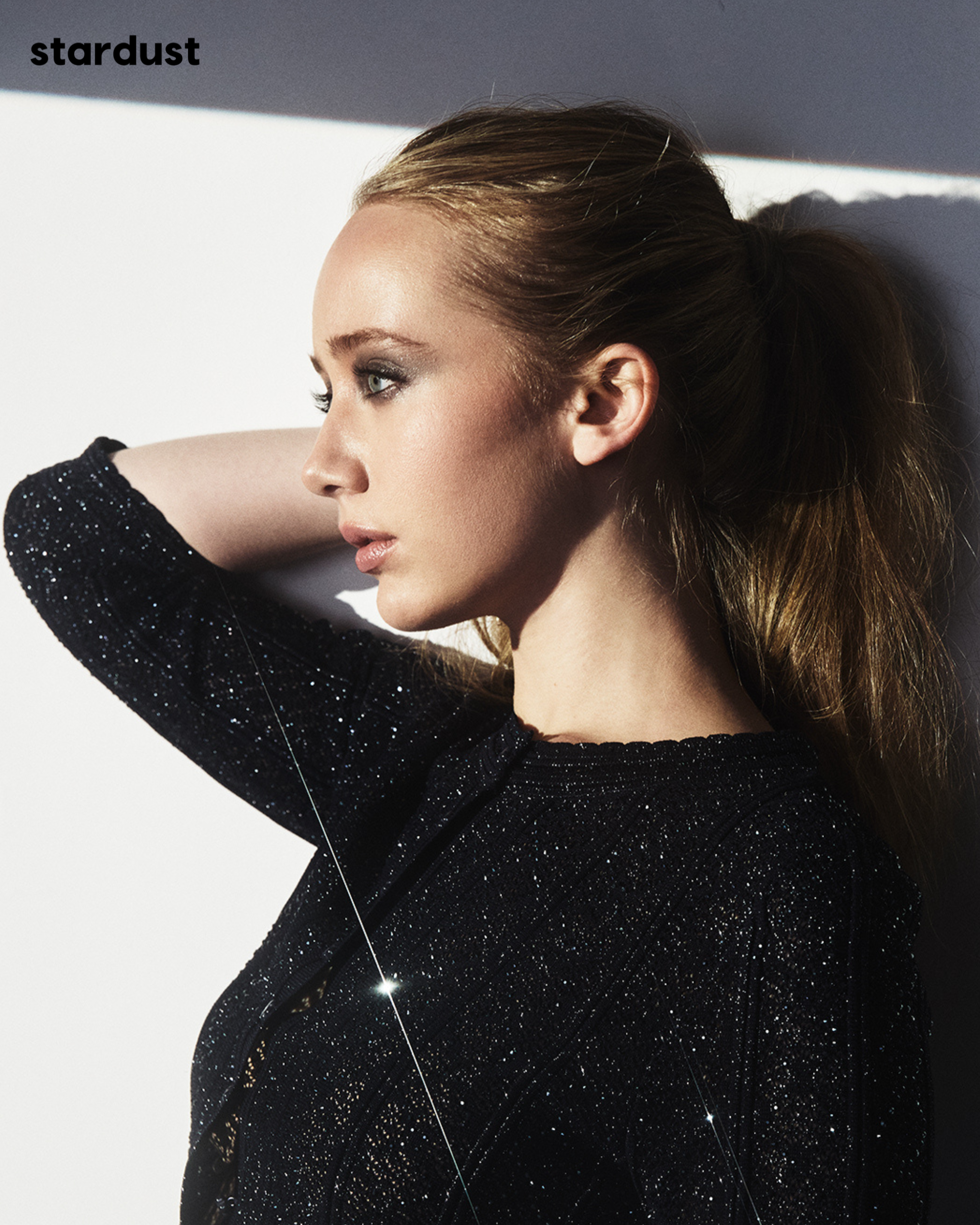
The story spends a lot of time on the aftermath as much as the event itself. What about the show’s idea of “rebuilding” surprised you most by the end?
Delphi Evans: I think the idea that rebuilding is not linear and has ups and down but is also ongoing even past the end of the series.
Girl Taken is now streaming exclusively on Paramount+.
-
Photographer: David Reiss
Styling: Ruta Jane
Make-up: Isabel Concetta
Hair: Sandra Hahnel
Editor-in-Chief: Aedan Juvet