
Rachel Grae’s ‘Turned Into Me’ Makes Space for the Messy Parts
As a songwriter, Rachel Grae’s work feels plainspoken but far from simple. Instead of chasing closure, her music settles with the part of healing that takes the longest—where you are doing the work without any proof that it is paying off yet. That perspective runs straight through “Come A Day,” a new, core album track built around endurance and the decision to keep going even when you still feel the weight of what happened.
It’s also the kind of record that explains why her live audience has grown so quickly. 2025 was a breakout year on the road, with headline tours in the U.S. and across the UK and Europe, plus a Lollapalooza debut that introduced her to a much bigger crowd in one shot. Now she is bringing that same clarity into her sophomore album, Turned Into Me, which officially dropped on March 6.
Leading up to its release, Grae has previously described Turned Into Me as intentionally structured, alternating songs about who she was and who she is now, sometimes returning to the same emotional problem from two different angles. It’s a grown-up framing of change, because it admits that progress doesn’t erase the past. And it’s landing with a real audience too: nearly 1.3 million TikTok followers and close to half a billion streams, built on songs that prioritize feeling over flash.
Now, ahead of Turned Into Me, Grae sat down with Stardust to talk about building this record, what changed in her writing, and what she hopes listeners take from the new chapter.
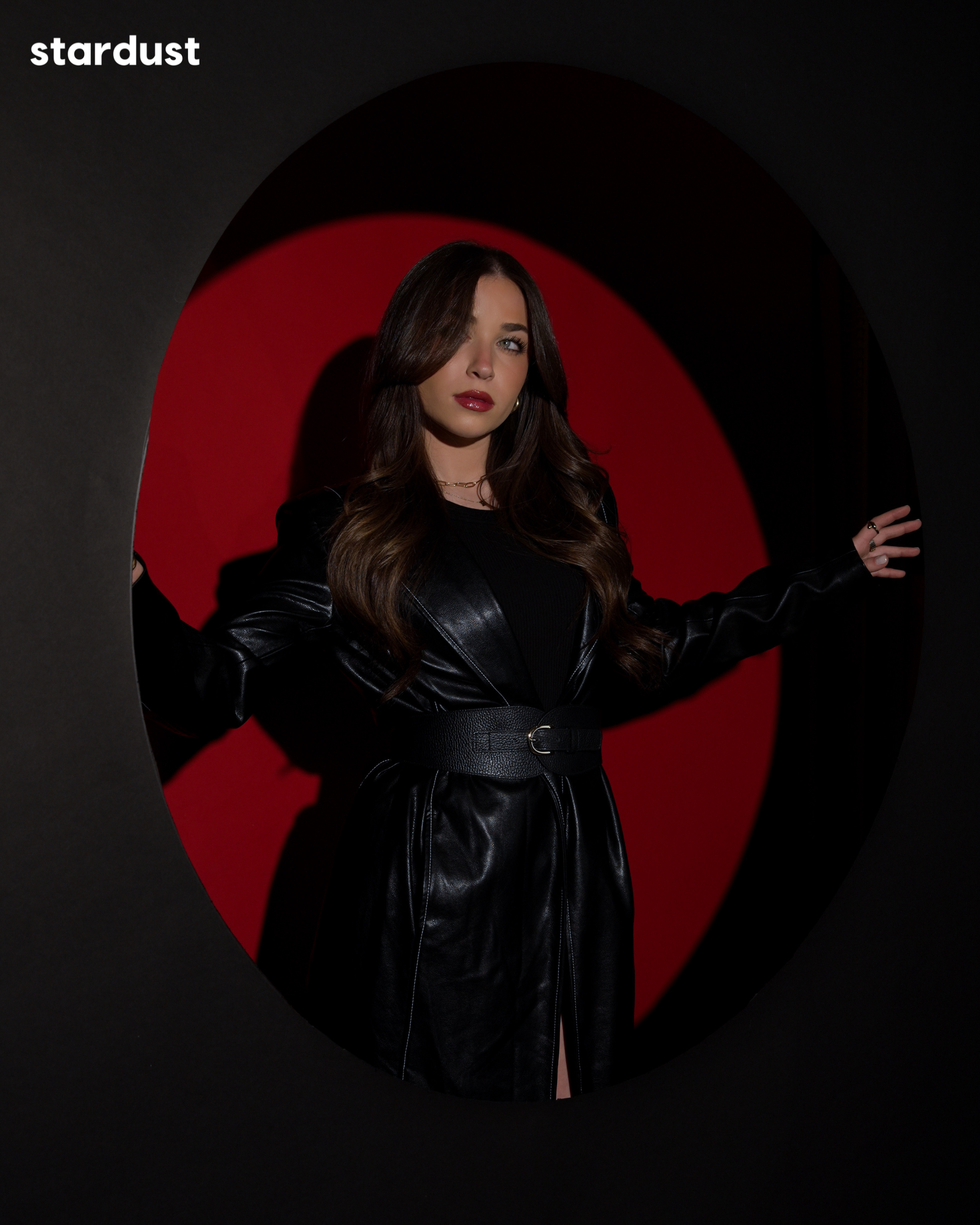
The album title feels like an intentional statement. What does “Turned Into Me” mean to you, and what version of you is showing up here that wasn’t fully present on earlier releases?
Rachel Grae: Turned Into Me is a very intentional title that came very naturally during the writing process. This album is very reflective. One side represents who I was, and the other is who I’ve grown into. For the first time, I was writing from a healed perspective, almost like my present self-speaking to my younger self. It was a very emotional and healing experience, and it opened a creative space I never explored before.
On an album that explores things like self-discovery and resilience, what song had the hardest truth to write down?
Rachel Grae: That’s a hard question because so many of the songs make me confront hard emotions. This album forced me to unpack truths, realizations, and feelings I pushed down for a long time. Songs like “Easy For You,” “Come A Day,” and “Sorry For Her” stand out as moments where I had to be very honest with myself and in my writing.
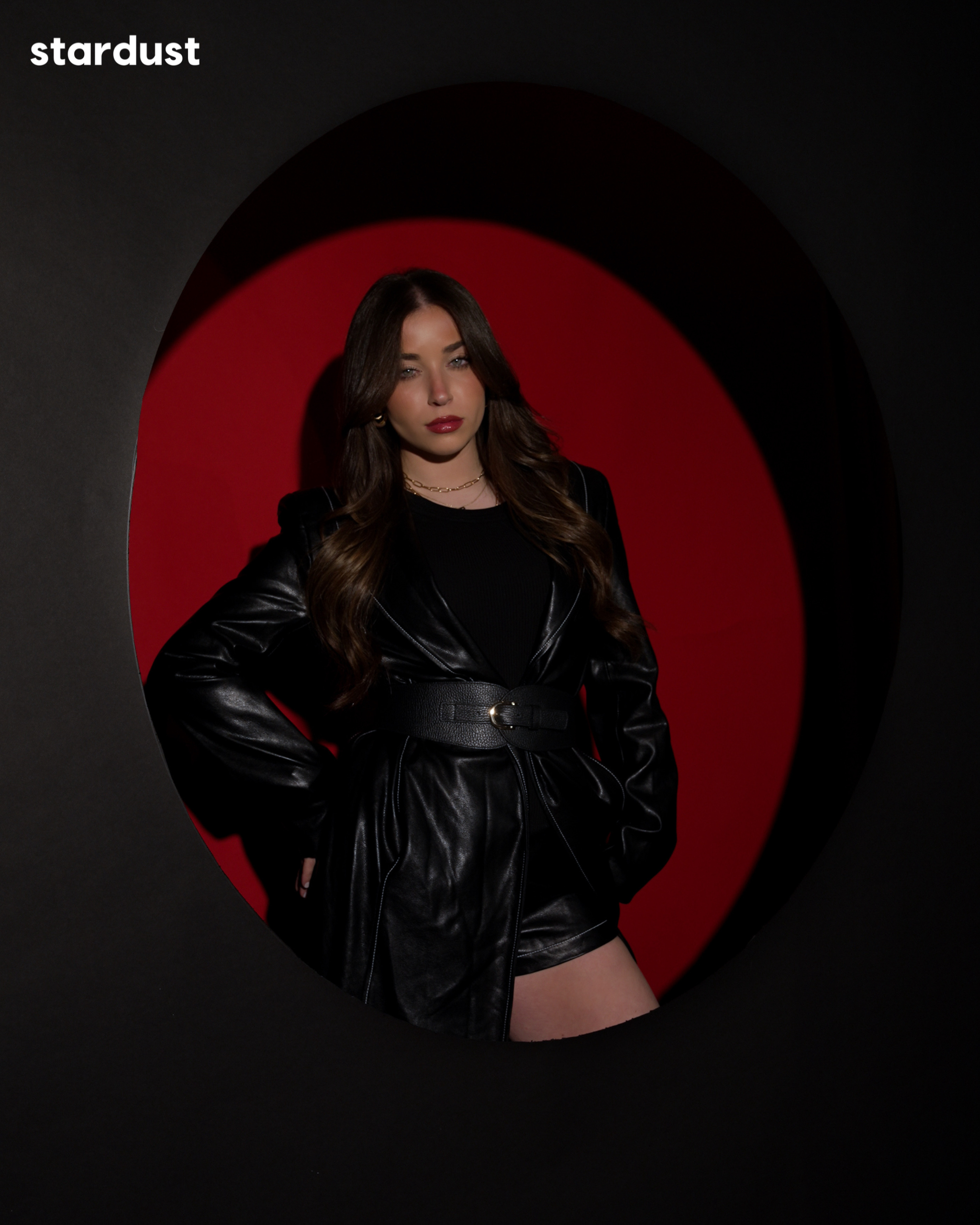
Conversely, what was the most freeing truth to finally say out loud through this album?
Rachel Grae: The most freeing truth was realizing that not everything was my fault. For a long time, I carried guilt over lost friendships, memories, and parts of my past without fully understanding the bigger picture. This album helped me release some of that weight and accept that it’s okay to put myself first. It also showed me my growth, especially in how differently I view my younger self now.
Visually, what world are you building for this era, and how do you want Turned Into Me to look and feel on stage compared to last year’s shows?
Rachel Grae: More than anything, I want this album to meet people wherever they need it in their lives. Visually, it feels like a big hug to my younger self. While writing, there was this feeling of a shadow hovering over me. It’s hard to fully put into words, but emotionally, that’s the space it lives in. On stage, my goal is always vulnerability. I want the shows to feel like a group therapy session—to make people feel comfortable to laugh, cry, and feel everything together.
The track “Come A Day” lives in that in-between space of pain and healing. When you wrote it, what did you want to believe or convey, even if you didn’t feel it yet?
Rachel Grae: When I wrote “Come A Day,” I wanted it to be a reminder that the light at the end of the tunnel always exists, no matter how far away it feels. Pain can feel endless when you’re in it, but it isn’t permanent. That message felt important to share, for myself and for anyone who needs to hear it.

You’ve also described the song as a reminder that pain isn’t permanent. Was there a specific moment, memory, or conversation that unlocked that idea, or did it build slowly over time?
Rachel Grae: There wasn’t one specific moment that sparked the song. It’s more of a theme that constantly shows up in my life. Life is such an emotional roller coaster, and I think there’s something powerful about reminding yourself that you’ve survived every hard season so far. That perspective builds over time, and this song grew from that realization.
In closing, after a year of headline tours and festival stages, what did performing night after night teach you about your own songs?
Rachel Grae: Performing really showed me the impact that words and music can have on people. It’s such an amazing universal language. Seeing listeners connect their own stories to my songs is incredibly moving, and it’s something I never take for granted. It’s one of the most meaningful parts of being an artist.
-
Photography: Steph Rinzler