
Lulu Simon on New Music, and a Huge 2026 Tour Run
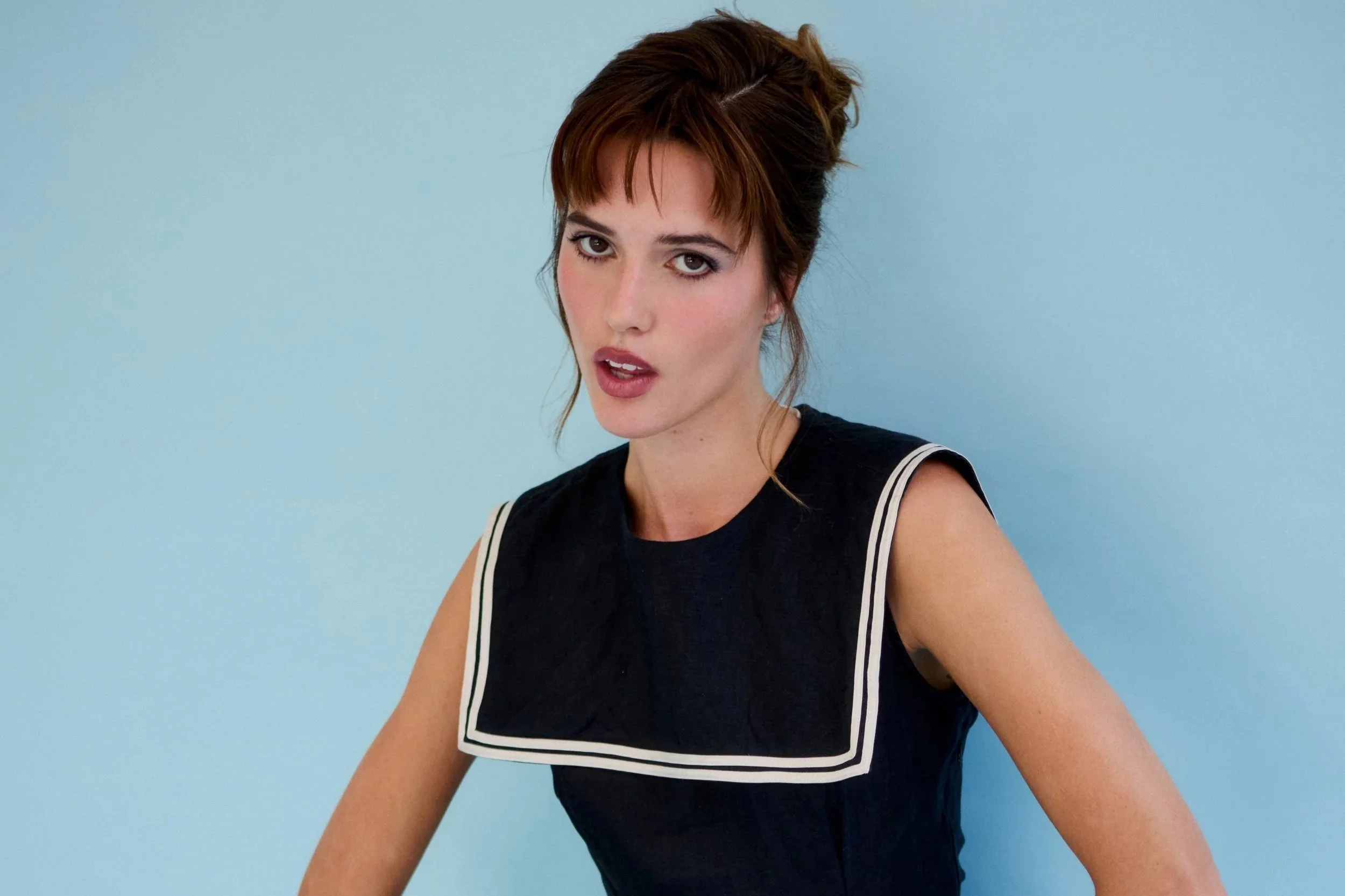
Lulu Simon already crafts pop music with a songwriter’s instincts—raw, direct, and built around melodies that ultimately stick. There’s a warmth to her sound from the start, pairing clean, modern production with lyrics that say the quiet part out loud. She doesn’t strain for drama or big statements, but the songs still leave a mark, because they’re anchored in small, real moments that feel instantly familiar.
After a buzz-building stretch of releases, 2026 is shaping up as her biggest year on the road yet. Very soon, she’ll join Madison Beer’s the locket tour as a special guest, bringing her music to major rooms alongside Beer and fellow guest thủy. It’s a major step forward, and a fitting one for an artist whose best skill is making connections feel effortless, even from a stage.
That emotional clarity is all over her latest single, “Summer Dog.” The folk-pop ballad moves through grief with an unforced honesty, written after Simon learned her childhood dog had passed away while she was away from home. It’s vivid and personal, but it opens outward, capturing the particular ache of realizing life kept moving without you there to witness it. This spring, she’ll also join Wallice for a run of U.S. dates, trading arena-scale rooms for something more up-close as she continues shaping new material rooted in nostalgia, renewal, and a clearer sense of self.
With more music on the way and a touring slate that keeps expanding, Lulu Simon is officially stepping into a bigger spotlight without losing what got people listening in the first place: sharp songwriting, steady vulnerability, and songs that feel like they’re speaking directly to you.
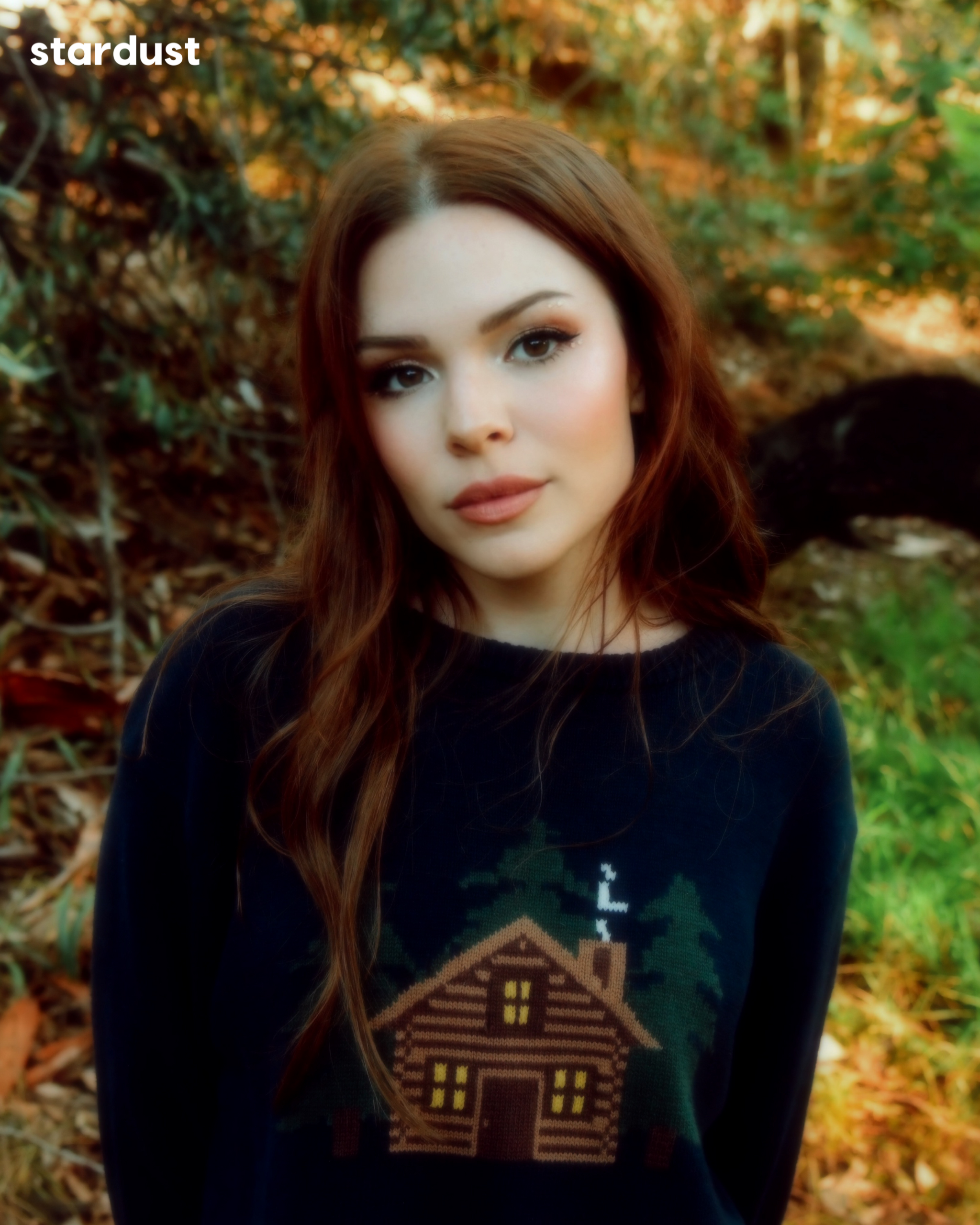
Your songs often feel like emotional reveals and raw storytelling. When did you realize that kind of honesty was your sharpest tool as a writer?
Lulu Simon: I feel like honing in on that skill probably came from me listening to emotionally honest music and feeling connected to it and wanting to extend that connection. I always think it’s really nice when a songwriter writes about something that’s maybe kind of ugly or uncomfortable or silly or petty, because I experience all of those things, and it’s nice to just have a real description of reality to look to when I’m feeling a bit lost for words. I want my lyrics to mirror what’s actually happening in life, and to exist as something for someone else to look to when perhaps they’re lost for words.
“Summer Dog” captures grief in a really universal, direct way. When you were writing it, what did you want to preserve about that memory, and what did you need to release to finish the song?
Lulu Simon: When I was writing “Summer Dog”, I really wanted to tap into those innocent, beautiful summer feelings when you’re young, and everything feels like a movie, but I needed to contrast that nostalgic idealism with the reality that everything is changing and will continue to change, and there’s no stopping it. I have been struggling with being an emotional hoarder; I have a really hard time letting things go, and that just isn’t really a feasible practice. It’s like that old proverb, ‘let go or be dragged’.
You balance singer-songwriter intimacy with pop structure really naturally. Do you usually start from lyrics, melody, or a feeling you’re trying to translate?
Lulu Simon: I have a million notes on my phone with lyric ideas, and when I’m feeling particularly inspired and pick up my guitar, sometimes I dive into those notes and see if anything resonates in that moment, and then shift and mold them into a shape that better suits the music. So really, lyrics and melody go hand in hand; it’s like the chicken or the egg.
You’re stepping into your most expansive touring year yet, including Madison Beer’s “the locket tour.” What do you want a brand-new audience to understand about you after getting to witness your music in a live setting?
Lulu Simon: That I’m just a girl! I know that I am not unique in my feelings; everybody has experienced heartbreak or a friendship ending or a pet dying, and I just want people to know that we’re in it together. I don’t fully know what I’m doing, there’s no polish—yet. I would hope that people can see that my music really is coming from a place of genuine, unfettered expression, and that I love to express myself that way.
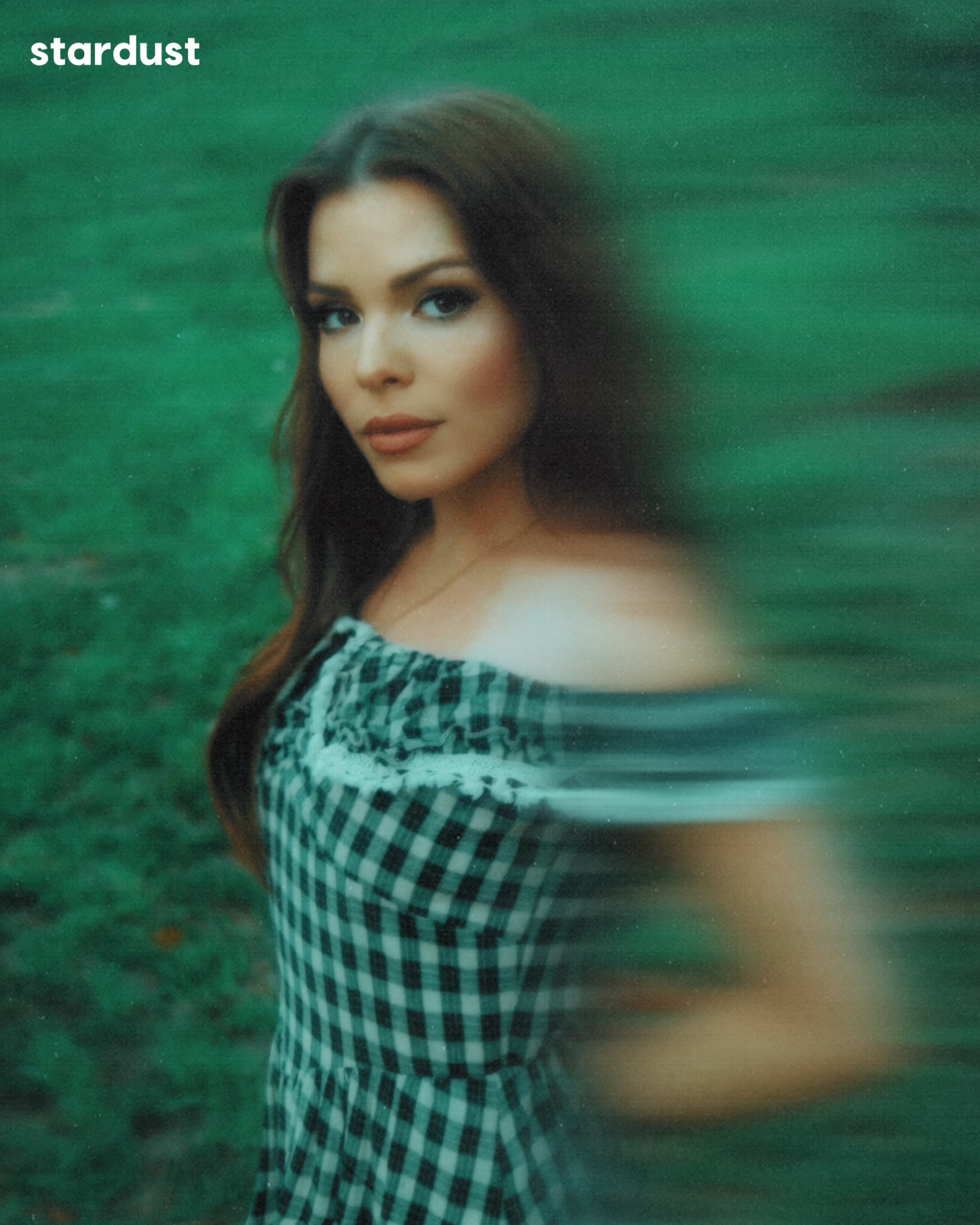
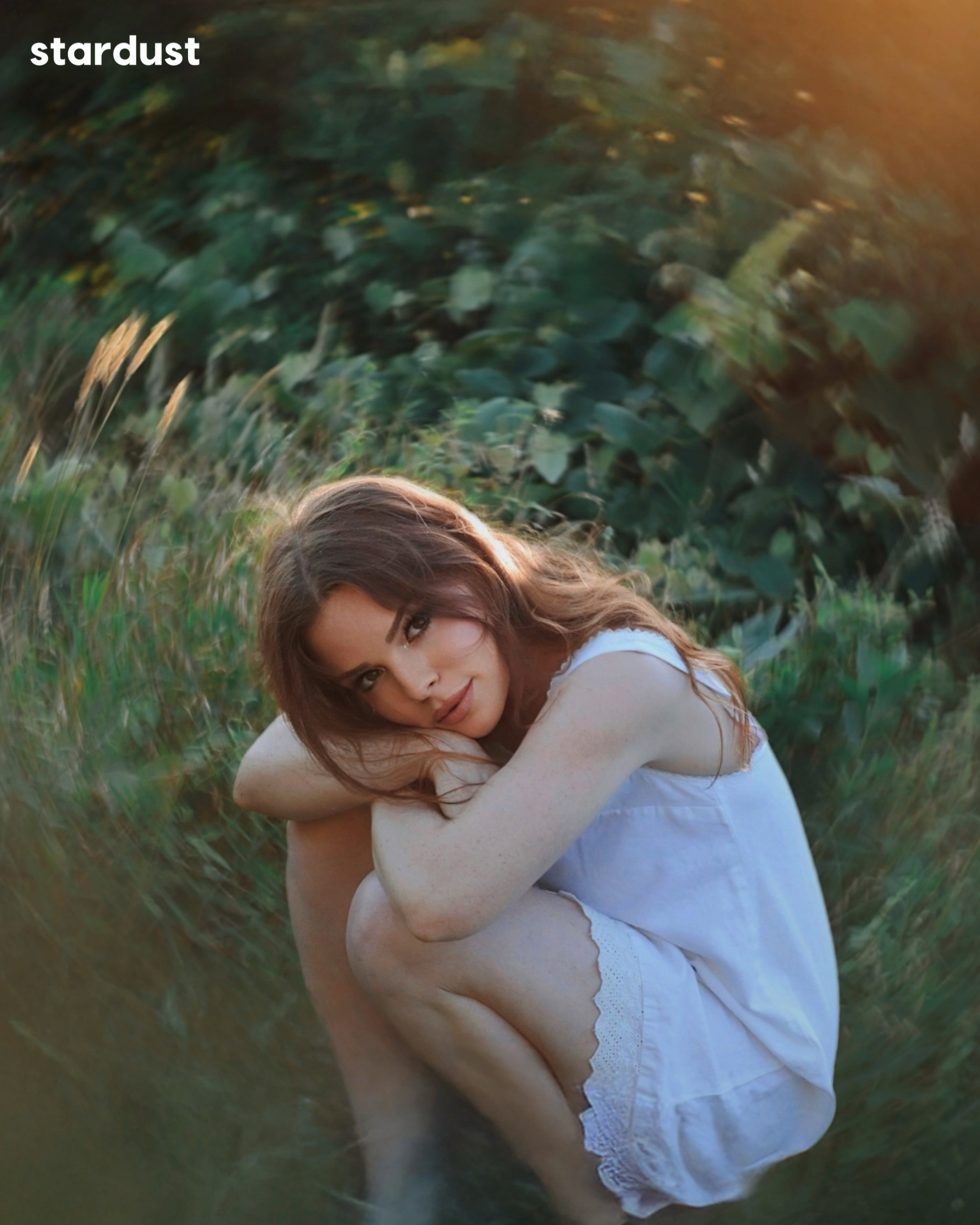
When you’re building a set for bigger rooms, what—if anything—changes first: arrangements, pacing, or how you interact between songs?
Lulu Simon: I’ve only ever played pretty intimate venues before and been able to really look at people in the crowd and connect with them and gossip with them like we’re all old friends, but playing to a larger crowd that isn’t huddled in with me definitely feels a bit daunting. I feel like everything will have to change at least a little bit; I don’t think I can be as rambling and chatty as I’ve been in the past, and perhaps I’ll need to be a bit more intentional with the way that I physically move on stage, but I hope that feeling of emotional intimacy and connection with the crowd doesn’t change.
Opening slots can be high-pressure, but they’re also a crash course in live storytelling. What did you learn on the Aidan Bissett run that you’re carrying into 2026?
Lulu Simon: I basically learned that if you’re unknown to the crowd, then there’s nowhere to go but up. If they like you, then you’ve got new fans, but if they don’t, nothing changes, and that’s fine. Being an opener, especially the first of three, you really have to put your ego aside, and I think that’s the best possible lesson anyone could learn. I’m just grateful to be able to perform and want to have fun, and I have to not care if people like me or not, which is also, by the way, extremely difficult.
As your world gets bigger, what do you want to protect most about the way you make music?
Lulu Simon: I still want it to feel like I’m sharing a diary entry or talking with my friends about my feelings. I don’t want it to turn into a product that’s specifically for other people to hear; I want it to always be an honest expression of how I’m feeling, even if that’s not particularly flattering or commercially appealing.