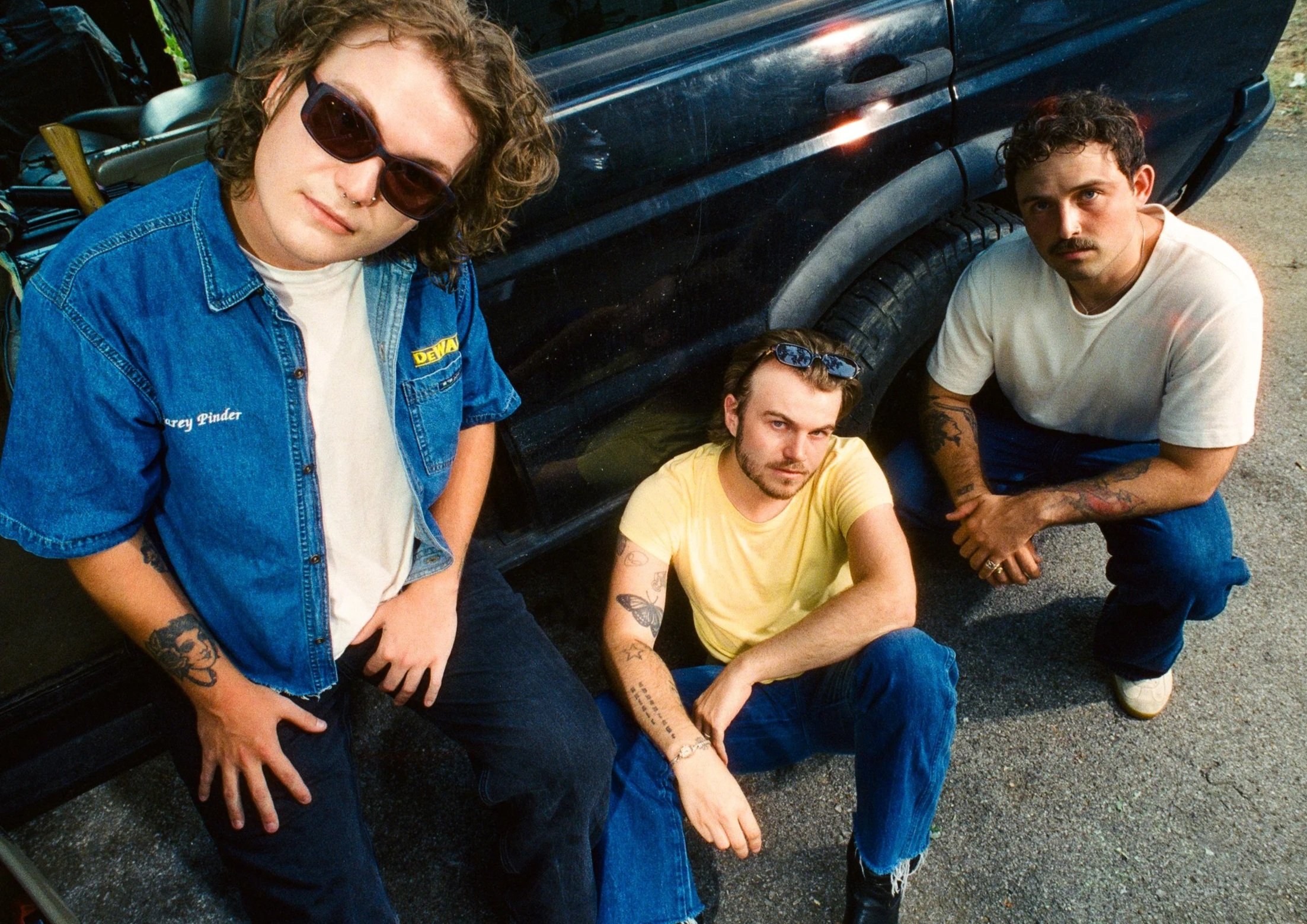

Inside Ezra’s Spoke Too Soon World: Pop Hooks, Satire, and Storytelling
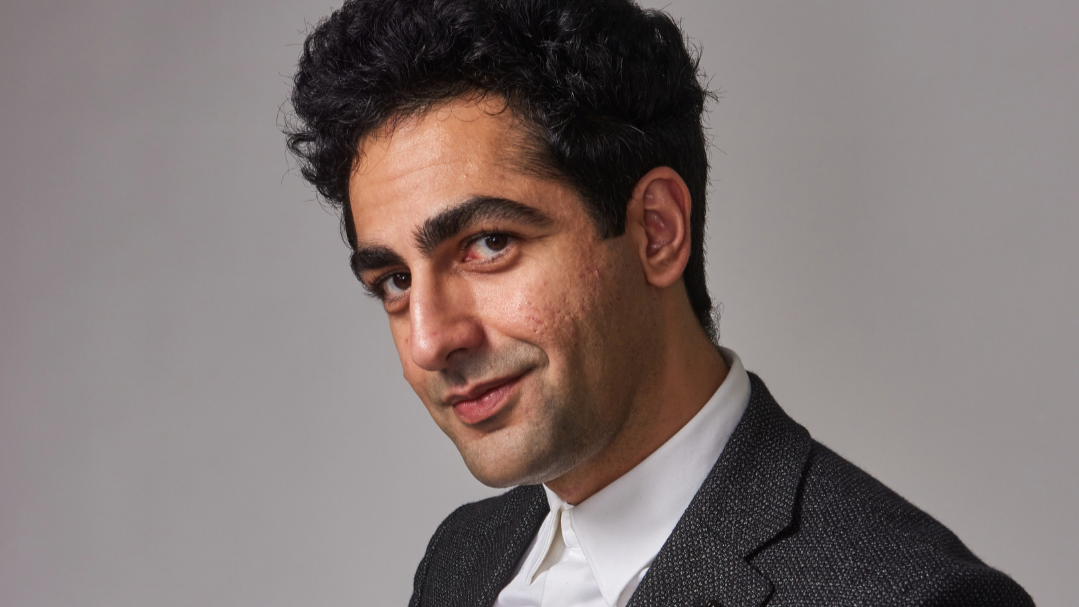
Singer-songwriter Ezra’s new double single, “MIDDLE GROUND” and “look so good,” captures two sides of the same impulse: speaking before you are ready, then living with what you said. It is the rush, the vulnerability, and the late-arriving clarity that turns everything into a pop spiral. Those instincts also sit at the center of Ezra’s debut album, Spoke Too Soon, which officially arrived on February 6 via TAG Music.
“MIDDLE GROUND” specifically lingers in the comfortable gray area of a situationship, where chemistry can feel safer than commitment. “look so good” picks up later, when you already know what you should do and still find yourself stuck on the memory of someone who never made sense on paper. It’s true, intimate writing, packaged with real pop precision.
That balance carries into the production, too, with a warm, nostalgic pop-radio glow that nods to turn-of-the-century hooks while keeping the finish modern and polished. Beyond the music, Ezra is treating this era like a story. His ongoing mockumentary series, directed by David Mazouz, builds out the project in episodes, mixing satire with sincerity and threading in an interactive puzzle for fans along the way. And very soon, Ezra is officially hitting the road with Braden Bales for the FML Tour across the US, with Afterthought, their newly formed duo, also taking the stage.
Now, on the heels of his album, Ezra opens up to Stardust about the music, the momentum, and what comes next.
The phrase “spoke too soon” can mean regret, impulsiveness, or honesty. When did that theme first click for you as the spine of the album, and what part of it felt the most personal to unpack?
Ezra: I think this whole project is about me being at different points in my life, feeling like I had things figured out, until reality hit me like a truck. Whether it’s songs about battling addiction, struggling to find closure, trying to rehash relationships with family, or losing people close to me, it’s me struggling my way through what seemed like routine tragedy to find mental stability, health, and maturity—to some extent [laughs].
“MIDDLE GROUND” lives in that unspoken, low-expectations zone where things feel easy until they don’t. What’s the line you think people are most afraid to cross in that kind of dynamic?
Ezra: I think it’s very easy to seem compatible with a significant other until expectations come into play. Once you’re expecting someone to take you on dates, bring you out, or get you gifts, etc., it loses the romantic feel that the first time you did these things for the person. Not to mention, at some point, you become an emotional crutch for your significant other when they need something to lean on. I think how you initiate or respond to said situation is very telling as to where the relationship will go. But before you’re comfortable enough to lean on the person, in my opinion, it’s pretty easy to get along.
“look so good” has this tug-of-war between wanting someone and knowing they might not fit. How do you write about the topic of longing without romanticizing the thing that hurt you?
Ezra: I think yearning is a recurring theme throughout the project, and yearning for something can potentially be seeing it through "graduation goggles" if you will. Looking back on something, regardless of how flawed it may have been, it's hard to see the negatives when you're feeling lonely and just miss that companionship. Whether it's missing the way you were vulnerable for that person, "you could rip the heart off my sleeve," or whether it's feeling like you might not find a connection like that again, "the hourglass is stuck on its side." I think feeling love for someone outweighs whatever hurt they might have caused you if you miss them enough.
Sonically, you’re tapping into that late-’90s/early-2000s pop-radio warmth while keeping it current. What specific choices helped you get that “nostalgic without feeling stuck in the past” balance—melodies, drums, vocal stacks, guitar tones, all of it?
Ezra: Honestly, I was just trying stuff. I had so much fun making this project, and although there are songs that lean more poppy, some alternative-leaning, some hyper pop elements, and some gut-wrenching acoustic tracks, it somehow all feels cohesive to me. Maybe it’s the way I approach writing and the fact that they were all produced in the same place with my good friend, Stefano Pigliapocco, as the executive producer on the project. We would bring in different instrumentalists or people to build these beats with, but using similar tones, and it all being under the same vocal chain feels like it all somehow connects. I take a ton of inspiration from early emo bands with my harmonies and melodies. Also, a lot of inspiration from alternative artists for the way I structure my almost hip-hop adjacent verses. Although it all seems random and chaotic, I like to think it’s controlled chaos and every drum, synth, guitar, etc. is intentional.
Who were the reference points in the room while you were making these songs? Not just artists you love, but the kind of moments you wanted the listener to feel on a first play.
Ezra: It really is so different song to song. As for the acoustic heartfelt ones its hard to say, as they just feel so personal, it’s hard to say where I derived inspiration. Kinda just felt like a trauma dump. But there are also songs on the project where I don’t feel like you have to hyper-fixate on the lyrics or emotion to be able to enjoy the songs. I wanted a balance of songs that highlight what I do best in my opinion, which is putting my pain into a daw and hoping it helps/people resonate, and songs that can feel like background music for your life and are just an enjoyable experience for the listener.
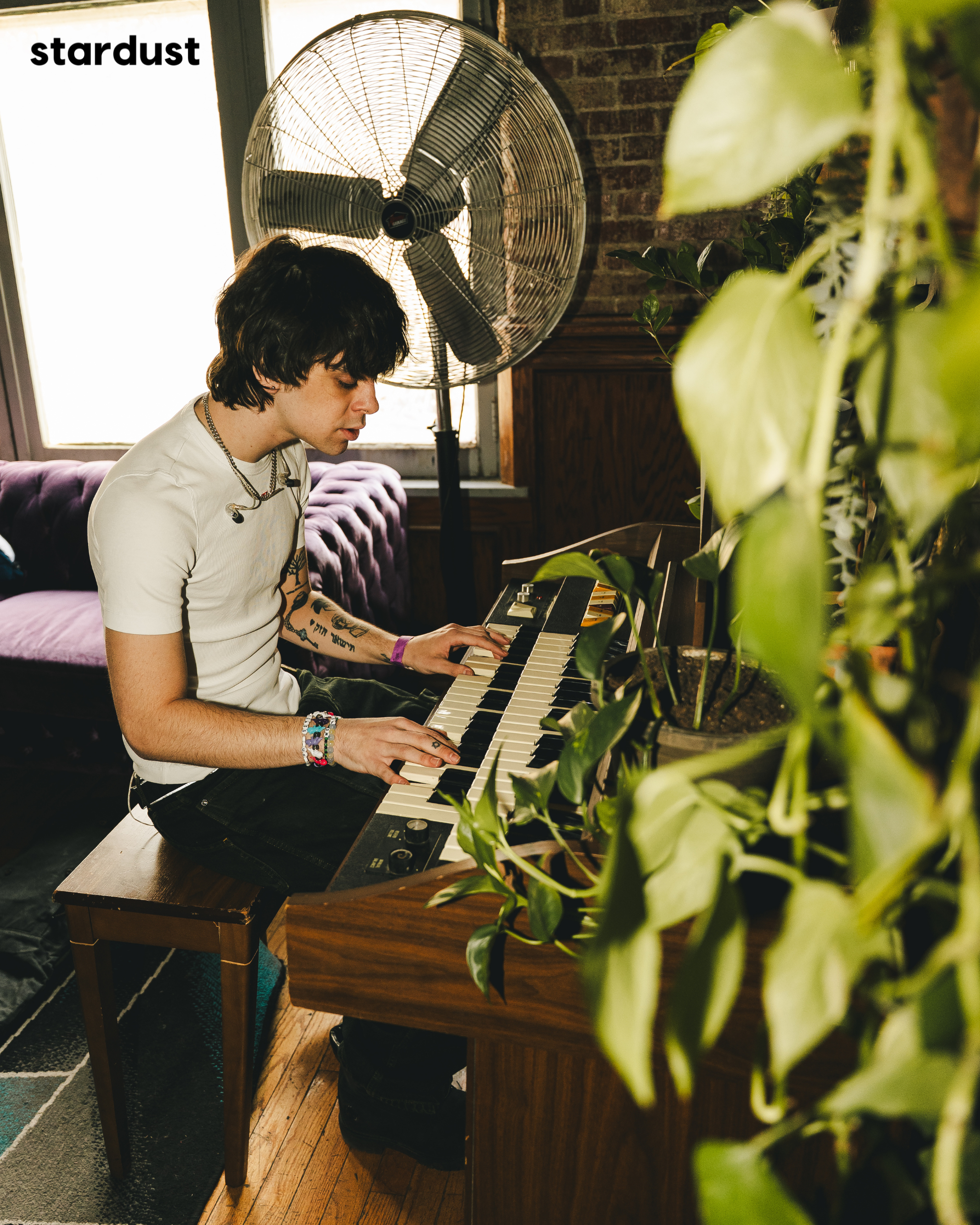
The mockumentary series is such a bold rollout move, and it’s also self-aware in a way most artists avoid. What does humor let you say about the artist “mythology” that a standard campaign can’t?
Ezra: I feel like it's really hard to show your personality and who you are in a non-corny way in this short-form content era. I've also always really been into comedy writing, I think, as a Jewish guy it's kind of in my blood [laughs]. This allowed me to show people a piece of who I am on a daily basis and tell the story of my album while simultaneously pursuing another passion of mine that can just add to the picture/world of what "spoke too soon" is and means to me.
David Mazouz directed the series, and you’ve had notable cameos in this visual project. What did you learn about your own creative world by letting other people step into it and reflect it back at you?
Ezra: I've been friends with David for a really long time, and we've had a bunch of ideas to make random pieces of content in the past. So, once I had the idea to make this mocumentary, I knew exactly who I was gonna call for it. David is such a talented writer, and I had the storyline mapped out in my head, but he really brought it to life in a way I could've never imagined. As Music is really my forte, and film is his. It was really cool for us to find this medium between the two worlds and let both of what we do best shine. David's a genius, and I'm very thankful for him.