
Inside India Shaw‑Smith’s Breakout Role in Spartacus: House of Ashur
After a decade‑long hiatus, the Spartacus universe returns with Spartacus: House of Ashur, a bold reimagining that asks one provocative question: What if Ashur had lived? '
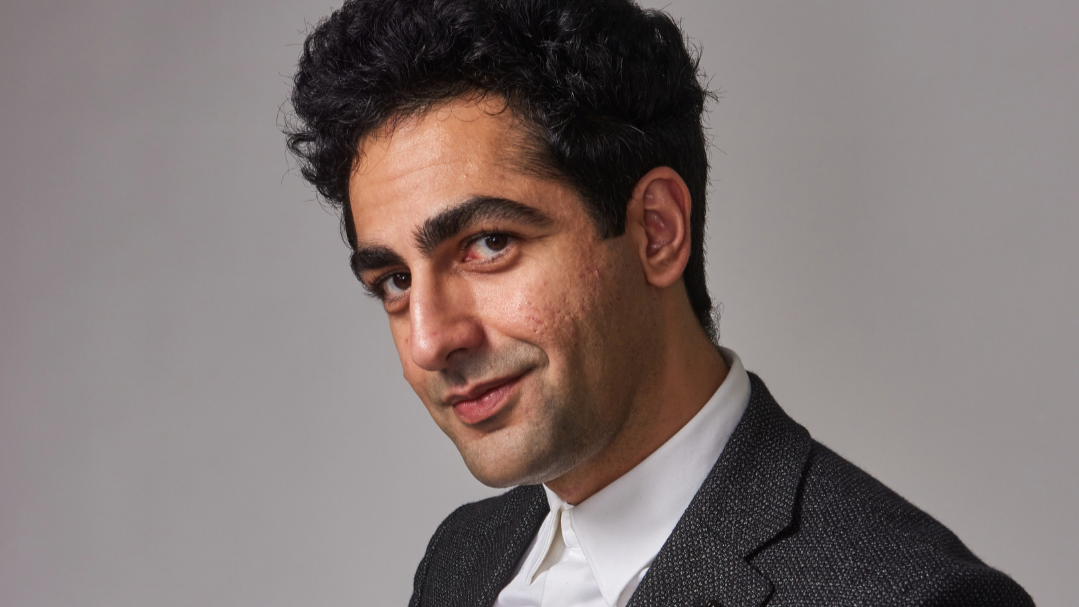
The new STARZ series specifically picks up in an alternate timeline where Ashur—played once again by Nick Tarabay—rises to power inside the very gladiator school where he once fought. It’s a world still defined by brutality, ambition, and shifting alliances, but this time the story widens to include new characters whose fates are tightly bound to Ashur’s ascent.
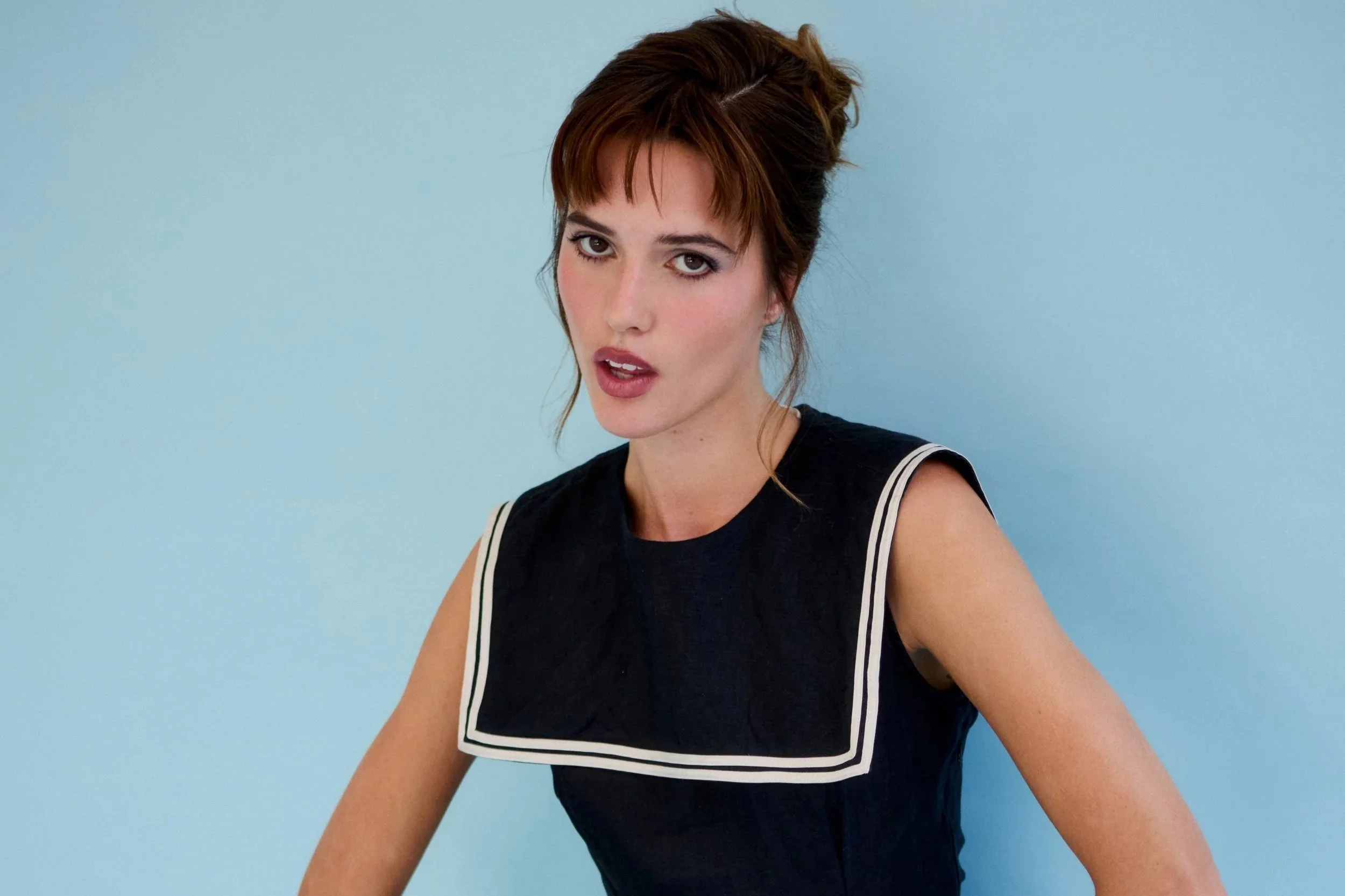
Among them is Viridia, played by rising British actor India Shaw‑Smith. Described as an ethereal, kind‑hearted presence navigating a world where betrayal is currency, Viridia emerges as one of the series’ emotional anchors—and one of its most pivotal arcs. And throughout the season, Shaw‑Smith steps into the role with a mix of vulnerability and steel, bringing fresh dimension to a franchise known for its operatic intensity.
Still, her momentum extends far beyond the arena. She recently led the award‑winning sci‑fi thriller The Pines Still Whisper, which took home Best Micro‑Budget Feature at the Toronto Independent Film Festival in 2023 and is now streaming on Amazon Prime. She’s also proving her range onstage, currently touring the UK as the titular Emma in a new adaptation of Jane Austen’s classic.
With Spartacus: House of Ashur airing now, Shaw‑Smith sits down with Stardust to talk about stepping into a legacy franchise, shaping Viridia’s journey, and navigating a career that’s already spanning genre, medium, and era.
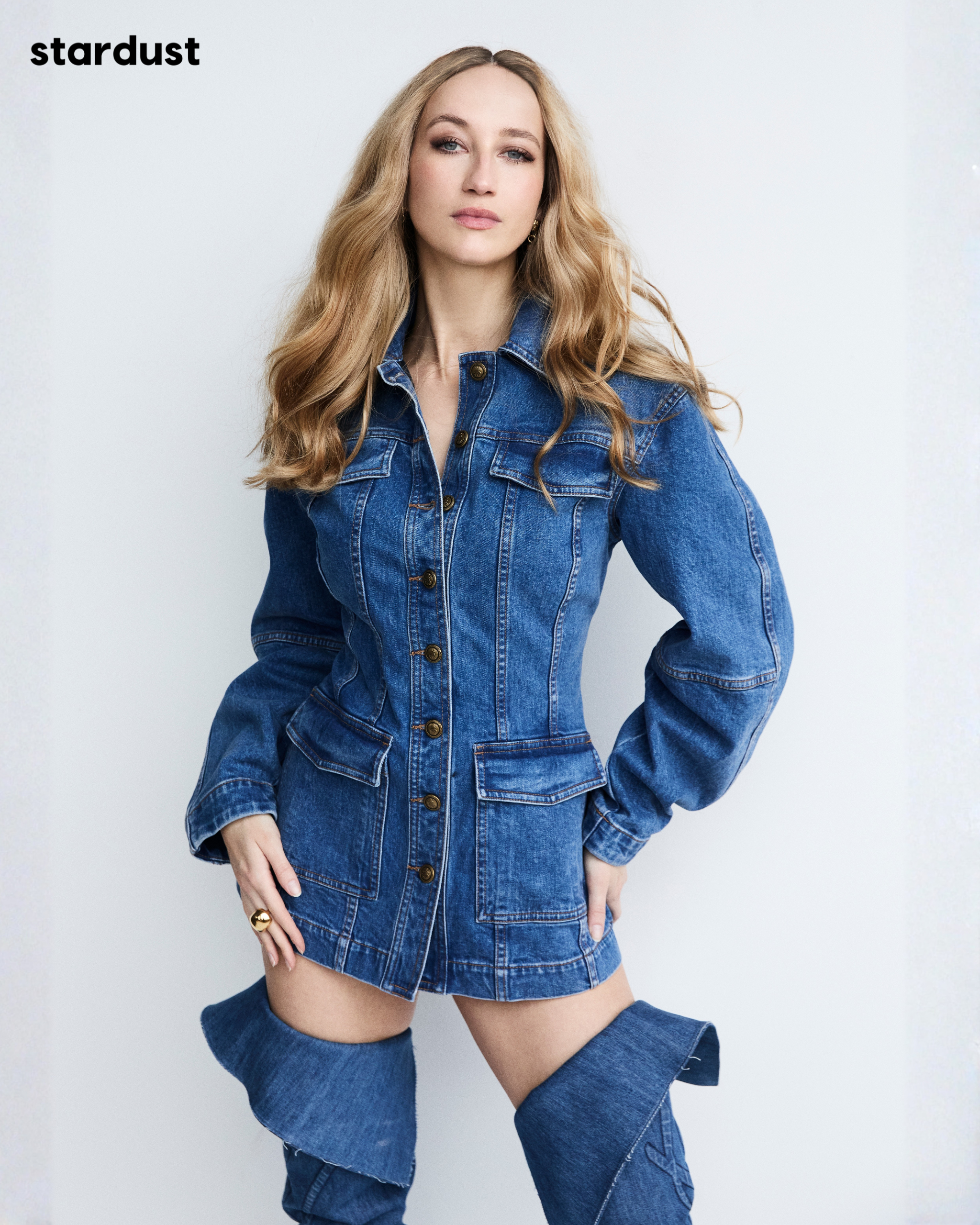
Viridia enters a world defined by power, violence, and shifting loyalties. What was the first thing about her that made you think, “I know how to play this character”?
India Shaw-Smith: Her heart, but also her strength. Steven DeKnight has done a remarkable job creating Viridia as a complex, paradoxical presence, a quiet force in a loud and violent world where people are often treated more as commodities than human beings. Unlike so many characters in the show, she’s been shaped by love and loss rather than brute force. I was instantly drawn to her softness, her grace, her kindness, but also her fierce intellect and unwavering moral compass. She exists slightly at odds with the other Roman elites, whose actions are driven by power and political gain. Viridia maintains her integrity, and there’s something almost disarming about that purity; it cuts straight through people. That tension between external softness and inner steel felt really exciting to delve into.
The series imagines a “What If?” timeline where Ashur survives and rises to power. How did that alternate-history framing shape the way you approached Viridia’s arc?
India Shaw-Smith: Yes, for those who aren’t familiar with the original show, Ashur was killed in a previous season (Spartacus: Vengeance). The premise of Spartacus: House of Ashur explores an alternate universe in which he’s spared by the gods and given a second chance at life. As much as his new reality bends some of the facts of history and certain timelines, for Viridia this is still very much the world of Ancient Rome.
Knowing that, I dived into as much research as possible. I wanted to understand everything I could about noble Roman women of the time, how they behaved, how they carried themselves, what their futures typically looked like. Then from there I could play with how those truths differed from what Viridia secretly dares to imagine for herself. Certainly, seeing someone like Achillia, a female gladiator, completely shakes her worldview. Gladiatrices didn’t appear historically until about a century later, but by allowing this slight reframing, dramatically it opens a door. It plants a dangerous and thrilling idea: maybe the life Viridia’s been promised isn’t the only one available to her.

As the daughter of Cossutia, portrayed by Claudia Black—what did you want that mother-daughter dynamic to communicate about who Viridia is beneath the surface?
India Shaw-Smith: That she’s not to be underestimated. Viridia is no longer a child; she’s a woman who’s already lived a full, independent life. Being pulled back into her parents’ home after becoming a widow naturally creates friction, particularly with her mother. Cossutia is fiercely protective and deeply pragmatic, sometimes to the point of brutality. Every decision she makes comes from a place of love and survival, shaped by the belief that security, status, and marriage are the only real safeguards available to a woman in this world. What interested me most was the tension this creates for Viridia. She loves her mother deeply and understands her motives, but she resists being manoeuvred or reduced to a pawn in a larger political game.
That push and pull reveals Viridia’s strength, her loyalty, but also her growing determination to trust her own instincts. Working with Claudia was such a joy. She’s a phenomenal actor, but also wickedly funny. That sense of play off camera created a lot of trust and made it so easy for us to drop into the emotional depths together on screen, have a giggle between takes, and really communicate the deep bond between these women underneath all the societal pressure and conflict.
Viridia carries a softness that stands out in this world. How did you find her emotional centre before layering in the brutality around her?
India Shaw-Smith: Building her backstory was everything. Viridia’s relationship with her father, in particular, appeared to me to be her emotional anchor. He had always been her safe place. Their loving connection helps center her courage and resilience and inspires the strength to remain soft in a brutal world and look for goodness in unlikely places. That openness is risky in a world like this, but it’s also what makes her compelling. The bond between them is beautifully written, and Andrew McFarlane, who plays Gabinius, Viridia’s father, was such a wonderful scene partner.

When you stepped into a world as heightened as Spartacus, what kind of tonal direction did the filmmakers give you to help you navigate its intensity?
India Shaw-Smith: I was already a fan of the original series, so I had a strong instinctive sense of the tone going in. We were working at such a fast, ambitious pace, and what really helped was having so many creatives and departments return from the original show; it genuinely felt like joining a big family. Their shared vision and knowledge of this world really gave me so much direction and clarity.
This is also a universe where betrayal is practically guaranteed. What does loyalty look like for Viridia, and how does that evolve as the season unfolds?
India Shaw-Smith: At first, Viridia’s loyalty is rooted in her strong sense of duty to her family. She understands the rules of this world and how carefully she must move within them. However, as the season unfolds, and most importantly as a result of her relationship with Ashur, those ideas of loyalty begin to shift. Their meeting ignites something within Viridia. She starts to experience these powerful, unfamiliar feelings towards this man, feelings that leave her torn between tradition and the more radical question: ‘what if my duty is actually to myself?’
What I love so much about the Ashur-Viridia relationship is when they’re together, it feels as though time stands still. It’s a classic, timeless dynamic. She comes from privilege, he’s an outsider, and everything about their world says they shouldn’t be together. Yet they’re powerfully drawn to one another, and when they’re alone, they can speak freely, from the heart. For two people who feel they don’t fully belong, they find a sense of home in each other. It’s a beautiful story, such a slow-burn and incredibly written by Steven DeKnight and his team. Adding to that, Nick and I have great chemistry, which made that storyline all the more fun to explore.

What’s been the most surprising thing you’ve taken away from joining a franchise with such a passionate global fanbase?
India Shaw-Smith: The fans know the Spartacus universe is bold, bloody, and fiercely unapologetic, and I’ve been surprised and excited by how immediately passionate they are about Viridia, given she’s such a gentle figure in this devious, brutal world. I’ve also loved seeing how invested audiences are in the connection between Viridia and Ashur, and in witnessing a different side of him emerge as a result of her influence. I can’t say much more about where that connection might take them, you’ll have to tune in and find out! But what I will say is that in the world of Spartacus, things are rarely what you expect.
-
Photography: David Reiss (@davidreissphotography)
Hair & Make-Up: Maris Comparetto (@mariacomparettomua)
Styling: Jennifer Michalski Bray (@jennifer.michalski.bray.style)
Editor-in-Chief: Aedan Juvet (@aedanjuvet)