
We Need a Girls Revival From HBO and Lena Dunham, Now More Than Ever
Nearly a decade after Girls ended its six-season HBO run, the case for returning to it feels stronger than ever. The appeal is not simple nostalgia, and it is definitely not about trying to freeze those characters in amber so viewers can revisit the same chaos in a different outfit either. It’s about unfinished life. Hannah, Marnie, Jessa, and Shoshanna were never built to feel complete at 27 or 28. They were written as women in motion, often making terrible choices, sometimes making moving ones, and usually learning the wrong lesson before stumbling into the right one three disasters later. That design is exactly why a sequel series makes sense now. The original show ended, but the sense of possibility around these women never really did.
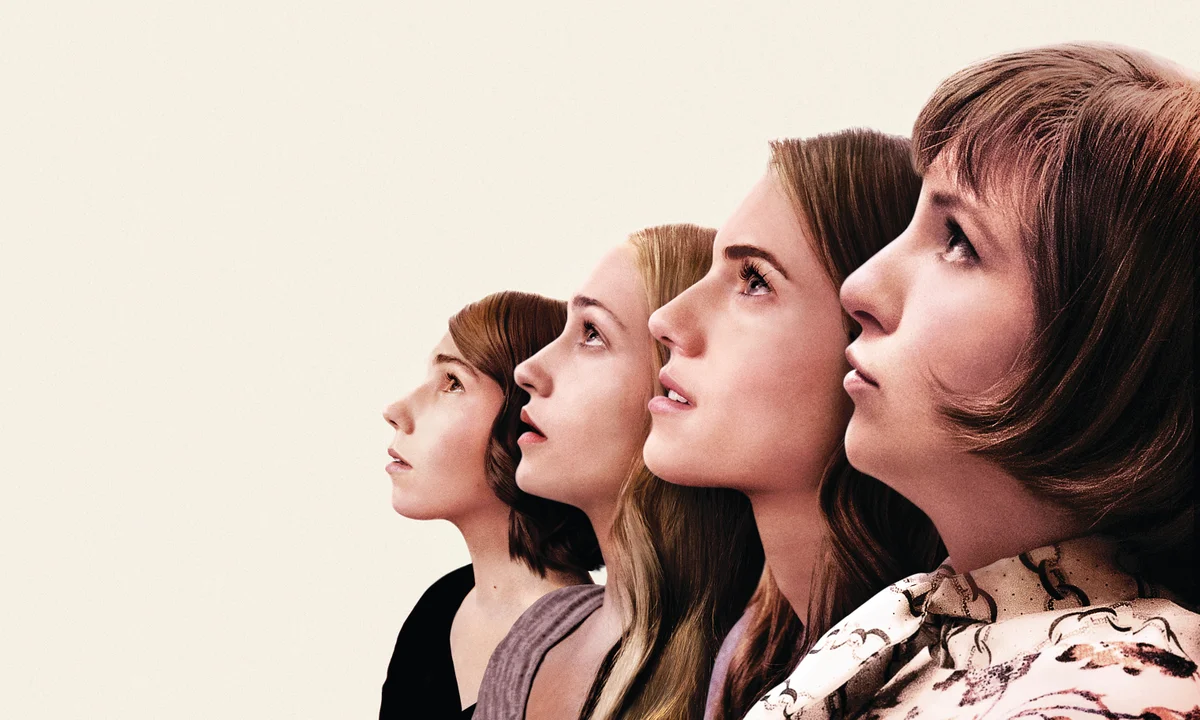
Photo Credit: HBO and Warner Bros. Entertainment
The ending left room for a real next chapter
One of the smartest things Girls ever did was resist the fantasy of tidy maturity. Even when the series closed on a more grounded note for Hannah, it never suggested that adulthood had finally clicked into place for anyone. It left behind the feeling that life would keep testing these women in ways both mundane and humiliating. Careers would stall. Relationships would mutate. Friendships would drift, circle back, and fracture again. That open-endedness is exactly what makes the idea of a sequel series feel organic rather than opportunistic.
There are plenty of beloved shows that should be left alone because their ending already said everything it needed to say. Girls is different. Its entire worldview depended on the idea that people are always becoming, always embarrassing themselves, always trying to build identity out of flimsy materials. That does not expire when your twenties end. If anything, it gets richer. The emotional terrain only gets more complicated once youthful self-mythology crashes into rent, children, divorce, caregiving, politics, burnout, aging parents, and the surreal disappointment of realizing the person you thought you would become never fully arrived.
These characters would feel especially relevant now
A sequel series would also land at the right time. These characters would be especially relevant now, given the TikTok-esque chaos of the world today and the likelihood that they are in completely different places than they or viewers once imagined. Girls mastermind Lena Dunham herself toyed with that idea in 2025, saying she would revisit Girls if there were a truly specific moment in their lives worth exploring, mentioning possibilities like millennial women becoming mothers or stepping into menopause. Around the same time, she joked that Hannah would be teaching at Bard and raising her son, Marnie would be on her third marriage, Jessa would be unvaccinated and living on a boat in Croatia, and Shoshanna would be running a zero-waste athleisure startup after divorcing the mayor of New York. The details were funny because they felt absurdly plausible.
That also kind of works because Girls always understood that adulthood is half reinvention, half self-parody. A continuation would have so much to dig into now with what happens when the most self-involved people of their generation are forced into larger responsibilities, harsher economies, and a social climate far more unstable than the one they first stumbled through? What does Marnie do with disappointment when she is too old to romanticize it? What does Hannah’s old hunger for recognition look like after years spent living more practically? What kind of friend is Jessa in an era when chaos has less glamour attached to it? What happens to Shoshanna once ambition stops feeling like a clean escape route?
There’s so much to unpack nearly a decade later, and we’re very much interested in what a present-day Girls could look like.
The comedy still feels untouchable
There is also a simpler reason to want this back: the comedic aspects are iconic. Few series have ever handled tonal range the way Girls did. It could land a visual gag, then spiral into a meltdown, then pivot into the kind of friendship or relationship fight that made you laugh and wince at the same time. Its rhythms were incredible. Whether that meant a line reading thrown away at exactly the right moment, a social interaction stretched to painful length, or a full crash-out that felt both deranged and horribly familiar.
That elasticity is part of why the show still feels alive and worthy of a rewatch experience, too. The writing had such a distinct persona, tone, and perspective. Even when people compared it to other series about growing up, chasing creative dreams, or fumbling through love in a big city, it never felt derivative. Dunham curated a viewing experience that made room for the messy, sincere, heartfelt, selfish, intimate, humiliating, and occasionally unfathomable parts of being human, then packaged all of it inside a dark comedy with a voice that does not really have a substitute. You can find warmer shows, or ones that are slicker in presentation, or even more outwardly crowd-pleasing. But you cannot find another Girls.
A sequel would work best if it lets them grow without sanding them down
The biggest mistake a revival could make would be trying to redeem everyone into bland likability. Nobody needs a sanitized version of these women. The appeal has always been that they were difficult, funny, somewhat self-absorbed, revealing, and a little impossible. A sequel series should let them age without pretending age automatically makes people wiser or easier to love. It should trust that disappointment, compromise, and changed priorities can be as compelling as the old apartment-era chaos.
And honestly, Girls was never about perfection for any character. It was about the gap between who you think you are and who the world keeps telling you to become. That gap has only gotten more interesting with time.
So, with that being said, don’t you think it’s time for a Girls revival? Come on HBO, you know what to do.