
Onslaught Review: A Bloody Promise That Never Fully Detonates
Adam Wingard’s Onslaught lands with the ingredients for a ruthless piece of action horror: genetically engineered super soldiers, an isolated desert setting, and Adria Arjona as Celeste, a former Army sniper forced to defend her daughter. And even though its opening points toward a spectacular collision, the movie delivers only flashes of the bloodbath promised by its title.
Onslaught (2026) | Photo Credit: A24
An Intriguing Start Loses Its Grip
Onslaught begins with confidence, introducing a secret military operation that has produced three nearly unstoppable—and visually perfect—killers. An onscreen countdown tracks their approaching escape while the film shifts to Celeste’s life in a remote trailer park. A former Army sniper living with PTSD, she is also dealing with a difficult custody situation and the pressures of raising her daughter.
Bringing these two sides together gives the opening a strong sense of direction. The super soldiers resemble hulking slasher villains armed with military-grade weapons, and their emotionless brutality gives the early violence a punishing edge. Meanwhile, Celeste’s training and extensive weapons cache prepare her for the fight that seems certain to follow.
The problem begins when the countdown reaches zero and delivers exactly what the audience has expected all along: the soldiers escape. Their journey toward Celeste is then slowed by side plots involving the experiments and the people trying to contain them. Some of those details add personality to the strange world around her, though they also keep the central conflict at a distance.
By the time the soldiers reach the trailer park, Onslaught has limited time left to make use of its strongest idea. The pace picks up and the body count rises, only for the action to end soon after it finds its stride. Even at 92 minutes, the movie feels slow through parts of the middle and hurried once its main battle begins.
The Cast Finds the Fun in the Material
The performances give Onslaught much of its personality. Wingard and co-writer Simon Barrett find an entertaining balance between camp and grit, which the cast understands from the start. Everyone plays the danger seriously enough for the violence to matter while leaning into the oddness surrounding it. Their commitment keeps the movie enjoyable through some of its duller passages.
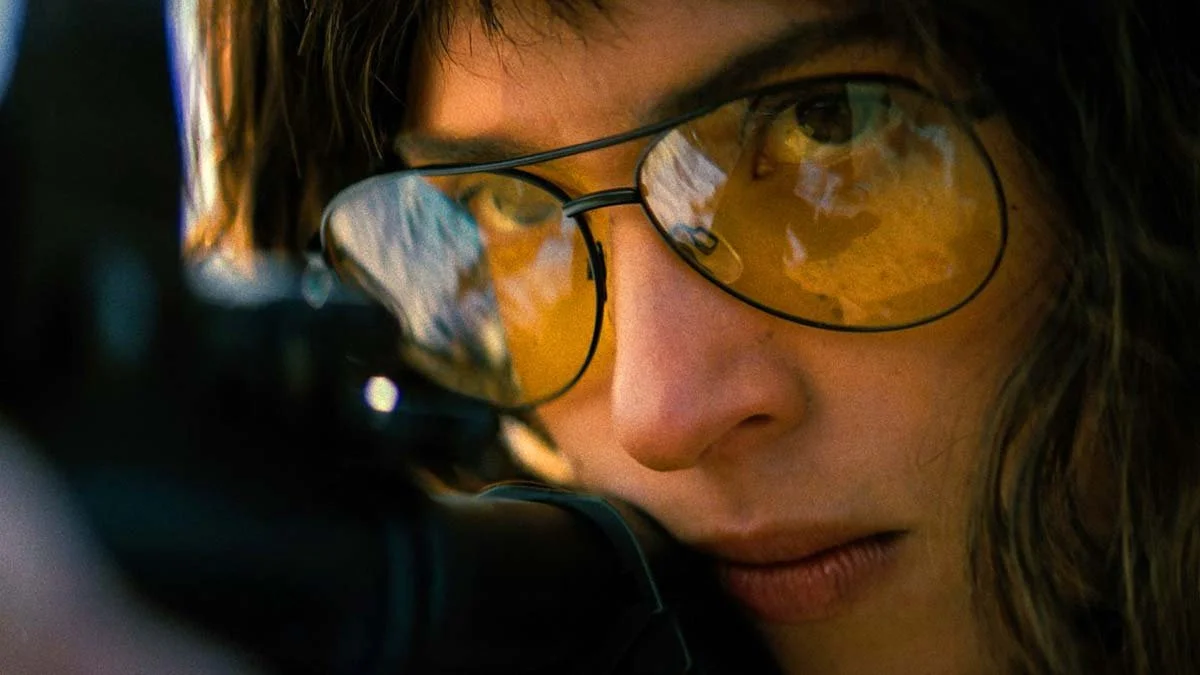
Arjona anchors those shifting tones with a performance that makes Celeste easy to believe as both a mother and a trained soldier. The way she handles weapons, studies her surroundings, and responds under pressure suggests that her military instincts have never left her. She also gives Celeste’s PTSD enough weight to show the lasting cost of that training without allowing it to define every part of the character.
Arjona looks fully capable of leading an action franchise, which makes her limited role in the movie’s larger fight frustrating. Celeste is given the experience and equipment needed to survive an extraordinary attack, yet much of the story keeps her waiting for the threat to arrive or separates her from the weapons she has prepared. When she finally takes control, Arjona delivers the physical intensity the role demands. A longer and more inventive fight for survival could have turned Celeste into a genuinely memorable action hero.
The supporting cast follows Arjona’s lead by committing to the material’s stranger side. Dan Stevens plays the scientist behind the program with theatrical menace, while Drew Starkey brings eccentric energy to a government operative pursuing the soldiers. Rebecca Hall makes an impression with limited screen time, and Eric Wareheim and Reginald VelJohnson bring warmth to the trailer-park community. These performances make thinly written characters feel more distinct and give the movie a playful edge that its pacing sometimes lacks.
Grindhouse Style Without the Full Bloodbath
Visually, Onslaught knows exactly what kind of movie it wants to be. The desert landscape, weathered trailers, harsh lighting, and saturated colors give it a grimy grindhouse appeal. Wingard also knows how to frame the super soldiers, using narrow interiors and low angles to emphasize their size. Their imposing designs deserve the attention, and several shots turn them into the nightmarish killing machines the story describes.
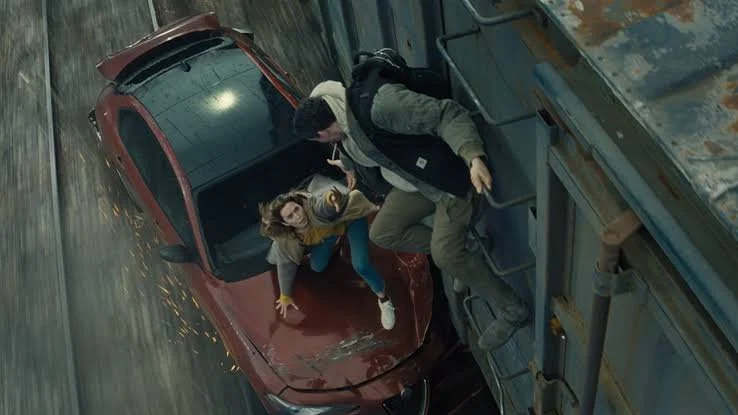
The gore carries that style into the action. Bodies are battered, blood sprays freely, and the later fights have a vicious energy that fits the film’s trashier sensibilities. These scenes show how effective the central setup could have been if the siege had taken over more of the runtime.
Instead, the title, trailers, and opening all create the impression that an enormous bloodbath is coming, while the movie offers only a few major confrontations. The soldiers are introduced as a terrifying group, though the story rarely explores what they could accomplish as coordinated hunters. Celeste’s preparation runs into the same problem: the film spends time establishing her arsenal without allowing her to use much of it.
The final act provides some satisfaction once Arjona is finally placed at the center of the violence. However, the climax adds a connection between Celeste and the experiments that has not been developed enough to carry much emotional weight. The ending then arrives so abruptly that Onslaught seems to stop just as its biggest action sequence is getting started.
Score: 6.5/10
Onslaught has a magnetic lead, a fun supporting cast, and enough grindhouse style to make its best moments land with bloody force. However, its long buildup and rushed payoff leave Adria Arjona with far less room to unleash hell than she deserves.