
The Strike on Fame, Perspective, and New Music
The Strike has built their identity around pop songs engineered for lift-off. Their music pulls from yacht rock gloss and big-screen drama, then tightens those influences into sleek indie-pop structures, sharp hooks, and arrangements that land with real precision.
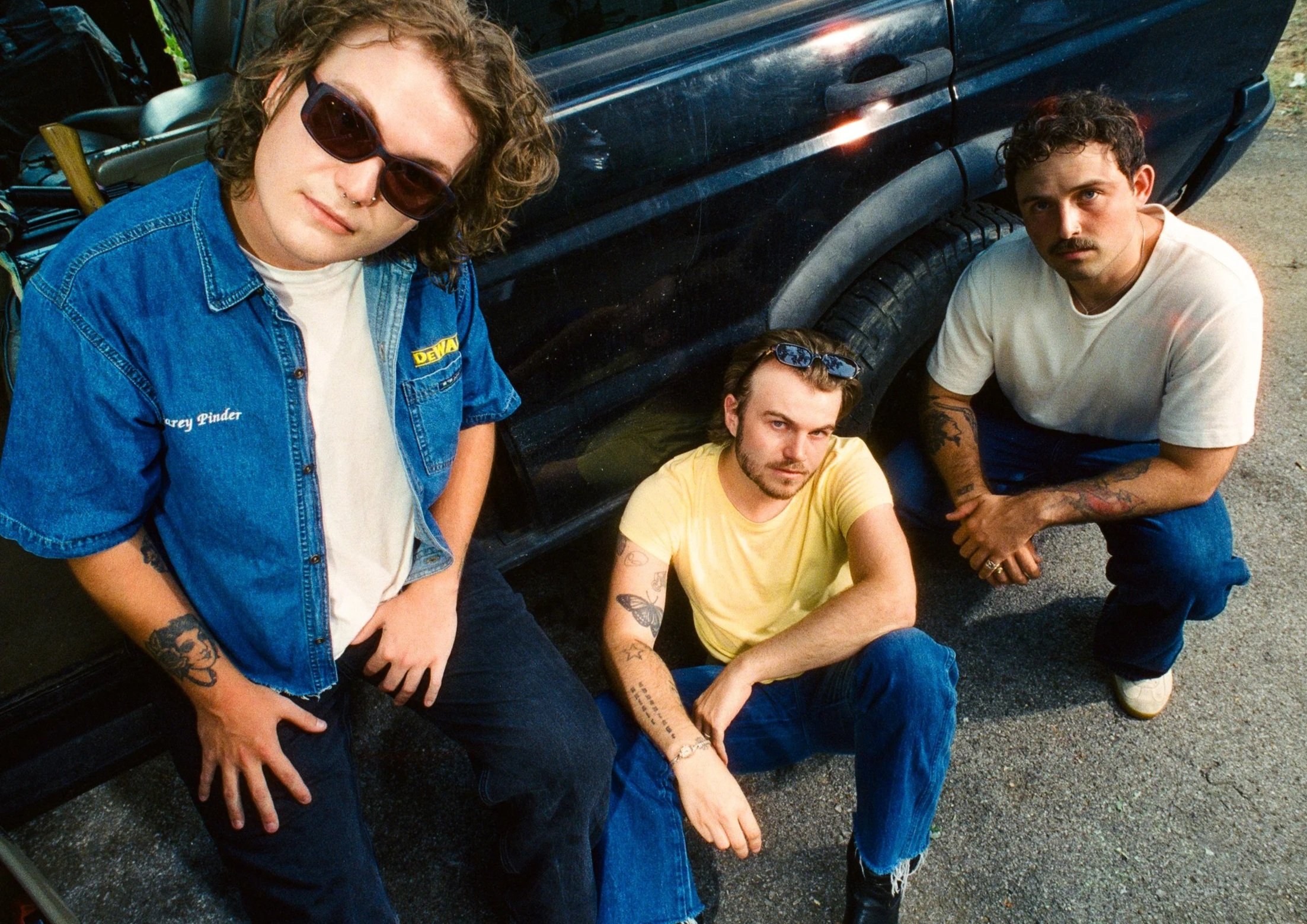
Based in Los Angeles, the group currently operates as a trio made up of vocalist Chris Crabb, drummer Jay Tibbitts, and multi-instrumentalist David Maemone on keys and guitar, and that streamlined chemistry comes through in the music itself. There is an immediacy to their songs that makes them connect on first listen, but the deeper appeal is in the way they keep revealing more over time: rhythmic shifts, layered textures, and small production choices that give each return a little more weight.
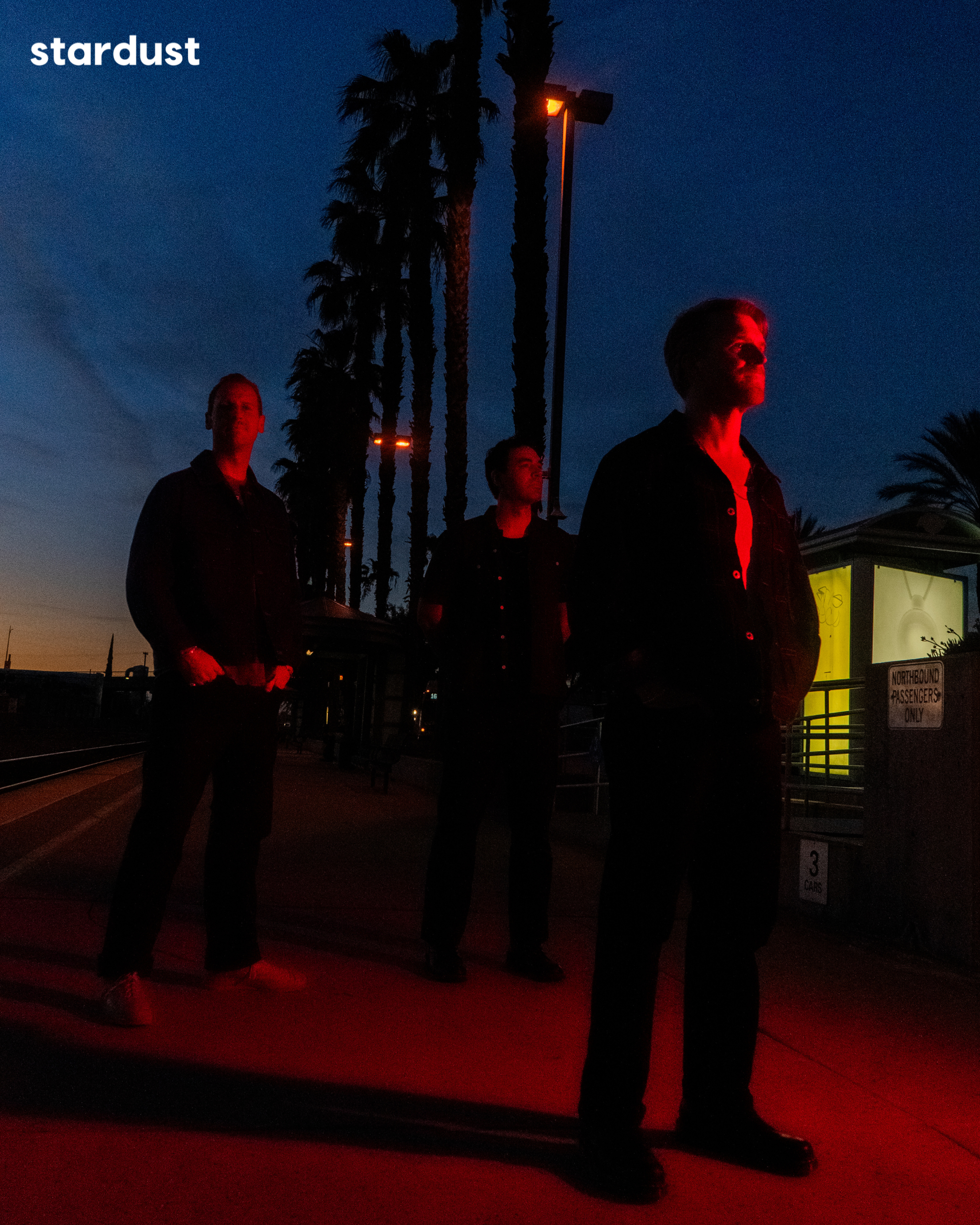
Photo Credit: Sarah Eiseman
That instinct for structure and payoff has defined the band’s rise. Their 2017 debut, Faint of Heart, introduced their melodic sensibilities and cinematic streak, while 2022’s The Lost Years marked a bigger step into the alt-pop conversation and coincided with their signing to Nettwerk. By the time A Dream Through Open Eyes arrived in 2024, The Strike had sharpened their balance of nostalgia and modern sheen into something even bigger, bolder, and more self-assured.
Now, with “Famous” arriving alongside the announcement of a U.S. headline tour, the band are channeling that same widescreen energy into a distinctly current question: in an era shaped by constant visibility, what does it really mean to be known, and what might matter more in the end?
“Famous” takes on celebrity in the social media era, but it doesn’t feel purely cynical. What moment or conversation first sparked the song’s point of view?
Chris Crabb: It wasn’t necessarily a specific moment or conversation per se. Rather, my perspective on fame took shape when I got married back in 2024. Prior to meeting my wife, I was mostly focused on writing music, touring, and growing the band. At that time, any celebrity that came with the music was a nice ego boost, and a signal that the band was growing.
Meeting my wife made me take a step back and question what I really want out of life, and what things are most important. Ultimately, if I never achieve the level of success I hope to with the band, that’s ok with me, because there are things in life far more important than my music career. Perhaps ironically I think this has made me a better songwriter. If there aren’t things more important than music, what are we supposed to write music about?
The track asks what you actually want to be known for. When you were writing, what, if any, “versions of fame” were you interrogating most?
Chris Crabb: I’m not sure I was interrogating any specific version of fame. I don’t think recognition is inherently wrong insofar as someone can handle it. To me, the message of the song is that if you have the right perspective and the right person by your side, it can actually embolden you to chase after something big, knowing that if you fail in the attempt, you still haven’t failed at the most important responsibilities, which are to be a devoted partner, parent, or friend. If you’re getting those things right, success in the music industry is a nice cherry on top, but secondary to those other priorities.
Sonically, you’ve carved out that yacht rock glow with big-screen adrenaline. What were the reference points on this one, and where did you push yourselves to modernize the palette?
Chris Crabb: The intro guitar work and the DX7 organ on the verses have this minor, slightly melancholic quality that kept reminding us of The Cure. But we didn't want to stay in that headspace, so the chorus opens up into something much more upbeat and major. "Every Little Thing She Does Is Magic" was floating around in the studio as a reference when we were making the song. The rim-click pattern on the bridge is a direct nod to Stewart Copeland's drumming style, which actually shows up again on another track we're sitting on. For the chorus specifically, we wanted it to feel elevated, so we leaned into clean chorus'd Strat guitars and synth stabs to punch the chord changes and lock in the rhythmic momentum. To modernize the song, we used loops that were programmed on our laptops and mixed it with heavier FX and compression so it hits harder and stays competitive with current music.
What did you want the biggest moment in “Famous” to feel like—and how did you make sure the rest of the song sets it up?
Chris Crabb: “Famous” naturally has a really big lift into the chorus because there is a dichotomy between the verses, which are minor and dark, and the chorus, which is major. This song has always reminded us of “Every Little Thing She Does is Magic” by The Police for that reason. The biggest moment comes after the bridge. We decided to start the first half of the chorus as a breakdown section with just vocal and acoustic guitar, which is something we haven’t really done before in a song. Then there is a drum fill played by Jay Tibbitts, our drummer, and a bass fill played by David Maemone. After this point, the background vocals are going, and the saxophone makes its entrance. We wanted the end of the song to sound like a party.
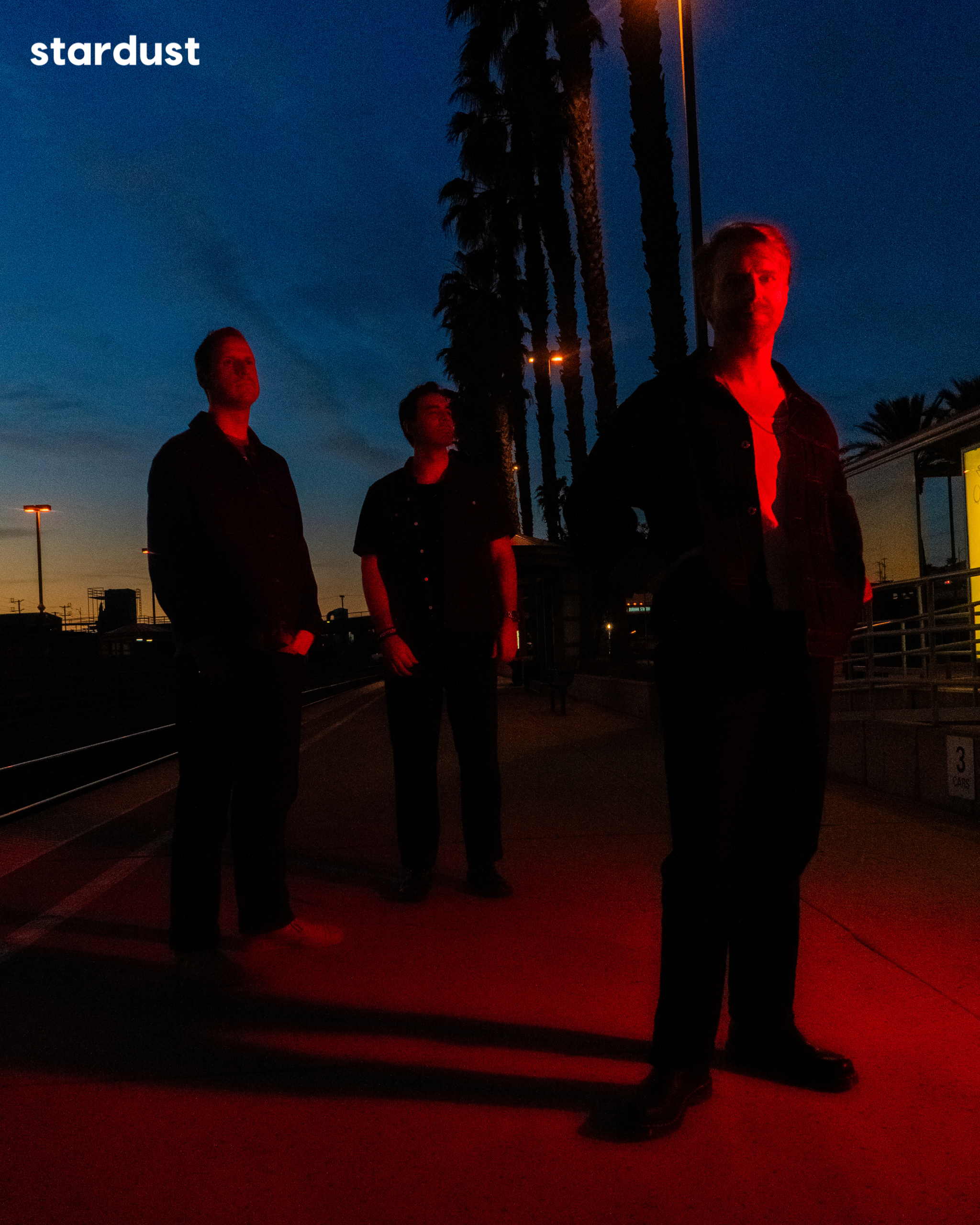
Photo Credit: Sarah Eiseman
How do you typically approach balancing nostalgia with sincerity? There’s a fine line between “retro as a costume” and “retro as a language,” and you tend to land on the latter.
Chris Crabb: Thank you. We really appreciate that. This is something that we have discussed a lot as a band. We naturally gravitate towards musical textures that were popularized in the 80s. It seems like whenever you assemble the combination of electric guitar, synths, and sax, it equals 80s music. However, while we do like this palette, we don’t ever want to become purely a nostalgia act. When we sit down to generate an idea, none of us are thinking: ‘let’s write a killer 80s tune in the style of (fill in the blank).’ In order for a song to make it to the demo phase, it must have a strong melody, lyrics, and hook. Our main goal, first and foremost, is to make a great song. The sonic textures come later, and I think that has been helpful to not ‘wear retro as a costume.’
You’ve had those overseas residency experiences and high-profile co-sign moments. What did you learn from playing to rooms that didn’t know you yet, and how did that shape the way you present the band now?
Chris Crabb: Playing to rooms that are hearing you for the first time can certainly be a challenge. We went out on the road with The Fray last summer as direct support, and this was our first experience opening for a major act. It was an adjustment for sure. However, it definitely got us to think critically about our live shows and think about what works and what doesn’t work. We re-ordered the set and added a cover, which helped a lot. When we play to our fans, they know the catalog really well and sing along to the entire show, which is amazing, but it doesn’t cause us to analyze as much. These types of experiences are really important to improving the live show, and we’re grateful to have had them over the years.
With more new music and an album on the way this year, where does “Famous” sit in the bigger picture: thematic centerpiece, mission statement, or just one chapter of a wider story?
Chris Crabb: I think “Famous” is one chapter in a wider story. That being said, many of the other songs from the album share similar themes: growing up, gaining perspective, commitment, and understanding one’s priorities. We wanted the lead single to be upbeat and touch on some of the aforementioned themes, and I think “Famous” does that well. We’re really excited about this music and can’t wait to share it.