
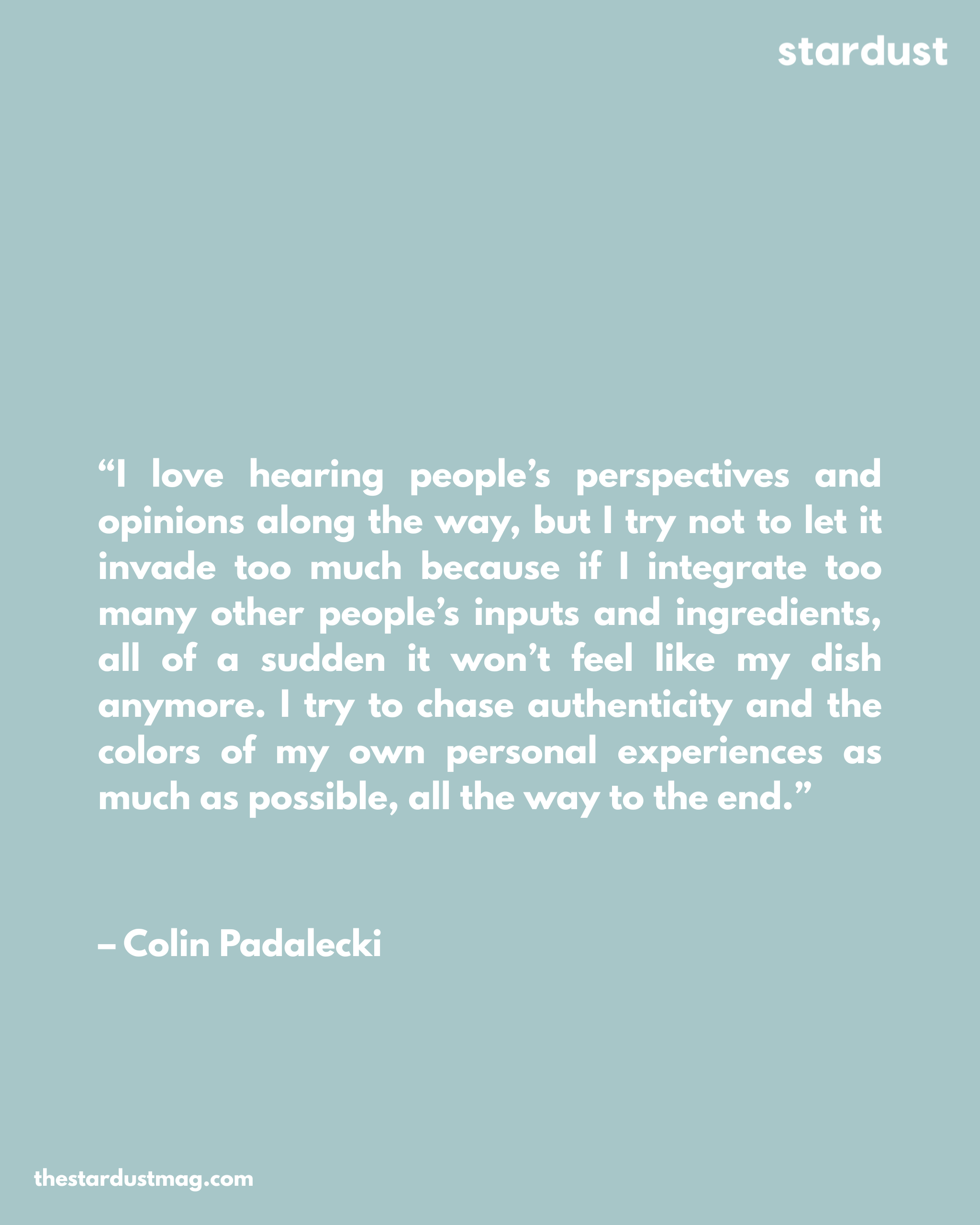
Surfaces has built its sound around warmth, ease, and melody. Since launching in 2017, the Colin Padalecki-led project has released six studio albums, earned Billboard Hot 100-charting tracks, toured globally, played major festival stages, and accumulated billions of streams. Along the way, Surfaces has also created a lane where pop, soul, surf rock, jazz, and breezy alt-pop come together without losing the heart of the song.
With the new single “Call Me When You’re Home,” Surfaces returns with a single that feels familiar while still opening the door to a new chapter. Produced by Anderson East and serving as the first release from an upcoming seventh studio album, the track began during Colin’s first writing session on a newly acquired vintage piano. While the hook came together quickly, the song continued to take shape in public, with early versions shared across TikTok and Instagram as fans followed its progress before the final version was complete. That openness suits the track itself, which carries Surfaces’ usual warmth while giving this next era a more personal point of entry.
Now, as Surfaces prepares for a new album slated for this summer, “Call Me When You’re Home” feels like a natural reintroduction: relaxed, heartfelt, and easy to settle into.

“Call Me When You’re Home” started during your first writing session on a newly acquired vintage piano. What was it about that instrument or that moment that opened the door for this song?
Colin Padalecki: I love finding vintage instruments. I feel like they’ve told so many stories and have so many more buried inside to help tell mine. I see guitars and pianos kind of like vehicles... just vessels waiting to take you to the destinations you need to get to. This old piano was one of the first pieces of furniture my roommate and I got for our house, and when I first sat down at it to write, it felt like the road was already there before me; all I needed to do was sit down and put my hands on the wheel.
The hook came together almost instantly, which can feel rare. When something arrives that quickly, do you usually trust it right away, or do you have to live with it for a while before knowing it works?
Colin Padalecki: Rarely enough for me, I started with the verse on this one. Most of the time, the chorus comes first with me, which can feel like writing the last page of a book, then trying to figure out how to get there later. This chord progression that naturally came to me felt so nostalgic, yet so peaceful and open, that the first verse just came spilling out, and the first few pages already started telling me where the story was going. I’m a stream of consciousness writer, so I generally trust where the words are going right away to chase the authenticity of feelings and memories.
You shared early versions of the song on TikTok and Instagram before it was finished. What did that real-time response from fans change about the way you approached the final version?
Colin Padalecki: I’ve never really done this before. I usually keep my writing process pretty private, which isn’t a conscious effort, rather just uncharted waters. I was just so excited to share these words and melodies that seemed to come so instantaneously to me that I guess I wanted to share the rawness of it. I love hearing people’s perspectives and opinions along the way, but I try not to let it invade too much because if I integrate too many other people’s inputs and ingredients, all of a sudden it won’t feel like my dish anymore. I try to chase authenticity and the colors of my own personal experiences as much as possible, all the way to the end.
This song feels rooted in reconnection and second chances. What drew you to writing about two people finding their way back to each other after drifting apart at this point in time?
Colin Padalecki: This song is based on real-life experiences I’ve had with someone where we were both hesitant to be vulnerable because of both our pasts. It felt like fate kept keeping us around each other, even though it was uncertain we were ever going to see each other again. It moved me to write about not being afraid of the ups and downs anymore, that it was safe to feel human again, and embrace the occasional mistake. Writing this song felt like the chase of being free again... free to live unapologetically in the waves that come and go.
You invited friends into your home studio to contribute background vocals. How did that communal energy shape the feeling of the track?
Colin Padalecki: What I’ve realized recently about what I cherish most about music is how communal it can be if you let it. Community is such a huge support system in my life and has helped me get out of some of my darkest times, so it only felt right to share this moment, this song, with some of my community during one of the most tranquil times of my life. I’ve often compared songwriting lately to woodworking. I’d like to think each of these songs I write can be used like a piece of furniture, functional, yet as artisanal as I make them to be. I like the metaphor of inviting friends over, sitting in these pieces of furniture I’ve created, and enjoying each other’s company with them. If the authenticity and use of these chairs are all I’m ever known for in just my community alone... that will always be enough for me.
Surfaces has always pulled from pop, surf rock, jazz, soul, and other influences without feeling boxed into one lane. With this new single, were there any specific sonic textures you wanted to lean into?
Colin Padalecki: I never try to reference a specific sonic or song when writing, cause it often leads to just making a replica version of something that already has natural emotional resonance and authenticity. With that being said, subconsciously, I think I always admired the feeling of staccato piano. I thought the dichotomy of the bounciness and happiness of the chords against more nostalgic lyrics felt compelling. Take, for instance, a legendary song like “Bennie and the Jets“ by Elton, I bet almost everyone has heard that song at some point in their life, and I love how potent those chords feel played in staccato. Influences like these are so important to me, as long as I feel like I’m truly creating something new with them subconsciously in mind.
This is the first release from your upcoming seventh studio album. What does “Call Me When You’re Home” tell listeners about where the project is headed this summer?
Colin Padalecki: I think this song is a testament to turning my vulnerabilities into silver linings, that’s important for me intrinsically and artistically to share. After having gone through a very rough 2024 mentally and emotionally, I feel like this album is very redemptive and reflects on me finding happiness again in a patient and thorough way. This album is probably my most honest and reflective collection of writing to date, and I hope people can connect with it to find as much peace and happiness in it as I have.
After six albums, major tours, festival sets, and billions of streams, what feels most exciting to you about making music as Surfaces right now?
Colin Padalecki: Although I’m grateful to occasionally celebrate them, accolades and numbers never really weighed too much to me. I’m just excited to share stories again. One of my favorite teachers I’ve ever had said stories are the only way humans can make sense of each other and the world, so I’m just eternally glad to share mine for a living.