
Moody Joody Talks Growth, Chaos, and “Loretta’s Last Call”
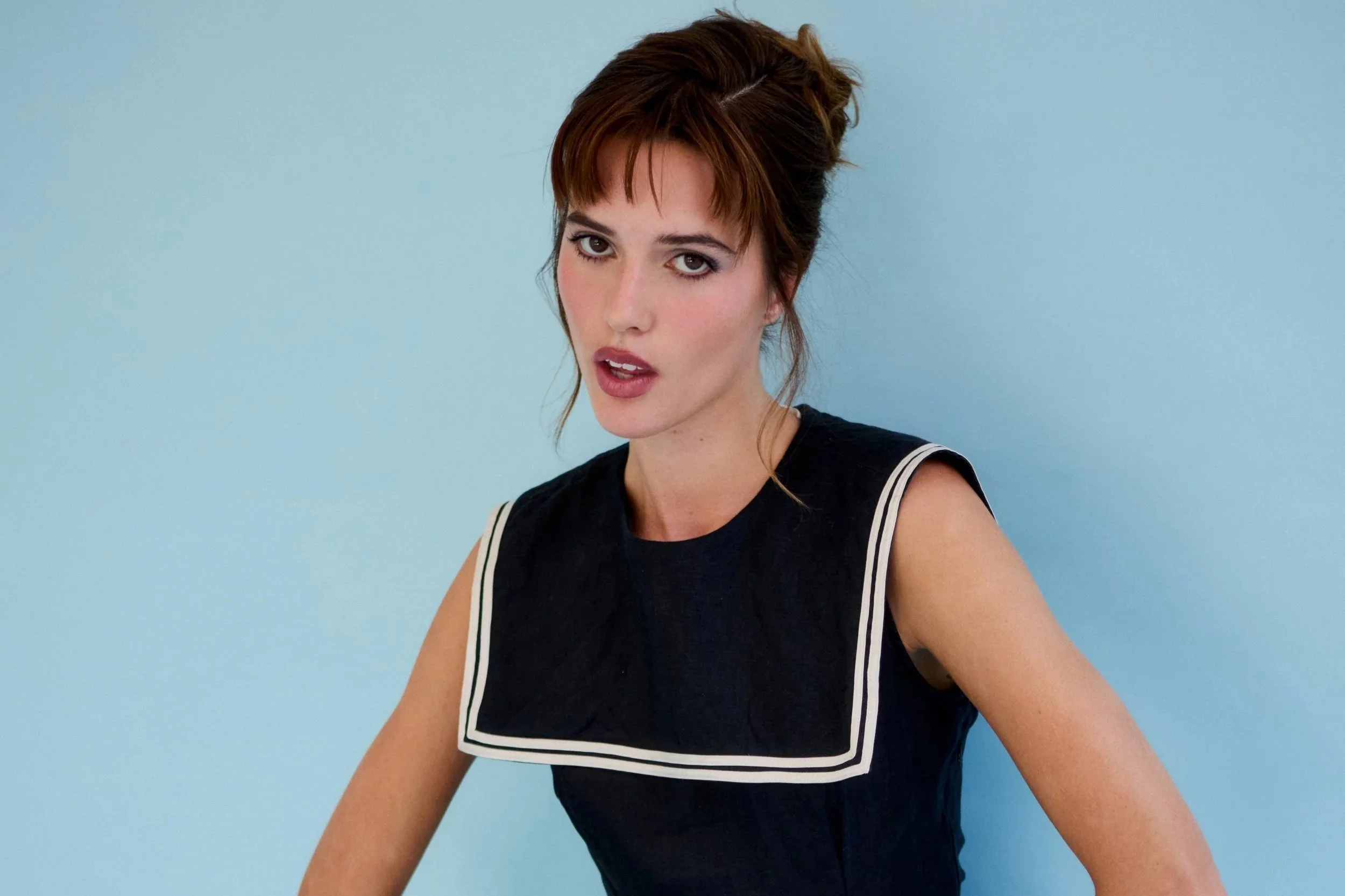
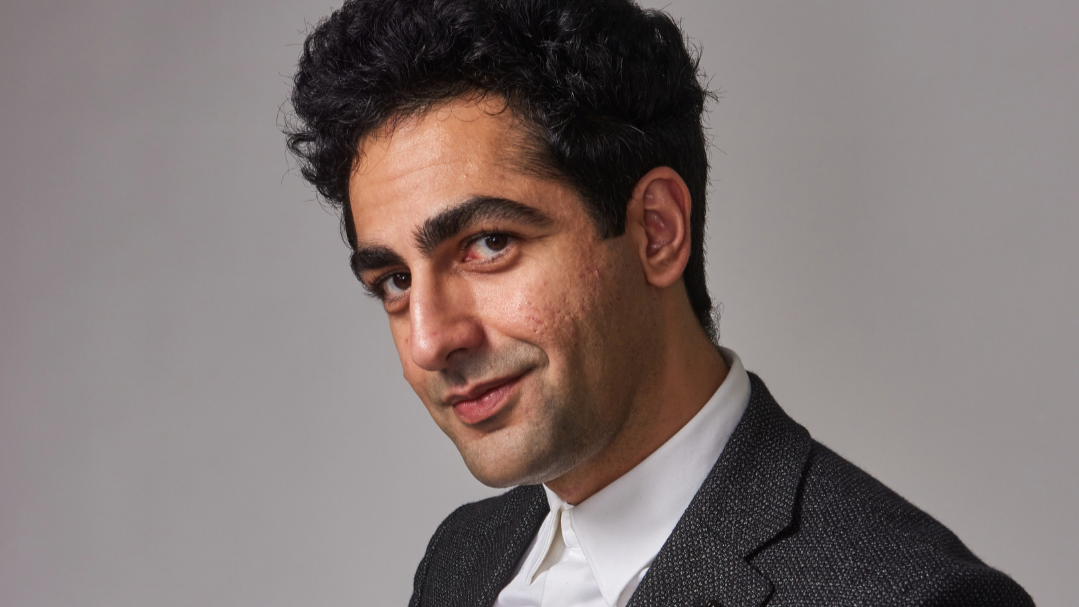
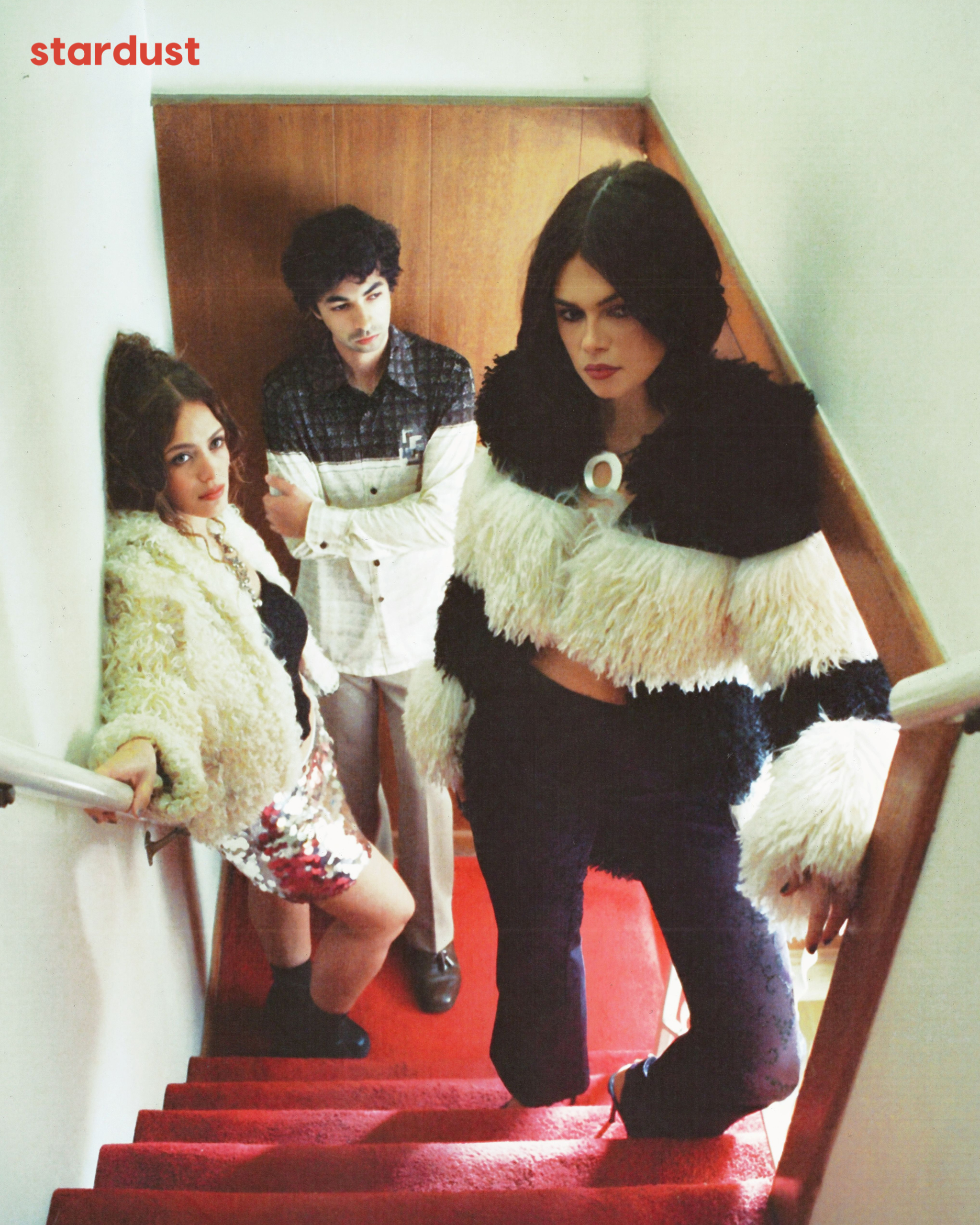
Moody Joody have spent the last few years turning early buzz into something more solid, more defined, and much more distinctive. The Nashville trio—Kaitie Forbes, Kayla Hall, and Andrew Pacheco—first broke through with the sleek shimmer-pop pull of Dream Girl, a debut EP that earned instant praise, landed on major playlists, and quickly positioned them as a rising act to watch. That momentum carried well beyond streaming, too, leading to support runs with artists like Smallpools, MisterWives, and ARIZONA, along with festival appearances including Austin City Limits.
By late 2025, the band was already hinting at a new direction. “OOPS!” arrived as a bright, funk-laced pivot, marking the beginning of what they described as a new era. It held onto the polished pop skills that first put them on the map, but pushed things further, bringing in more attitude, more texture, and a clearer sense of personality. And above all, it felt like the sound of a band expanding their palette without losing what made it click in the first place.
Now that next phase continues with “Loretta’s Last Call.” There’s an immediate atmosphere to it—synth-soaked late-night energy, city-skyline allure, and a mood that feels chaotic, alluring, and fully intentional. More than just another single, it also feels like a natural next step for a band that keeps finding sharper, more stylish ways to make pop feel emotionally alive.
“OOPS!” felt like a real turning point for Moody Joody. When “Loretta’s Last Call” came into focus, what did it show you about where this new chapter was headed?
Kayla: Andrew’s always categorized our music into a “moody” category and a “joody” category. “OOPS!” we started with a “Joody” (like shake your joody)—a dancing girls’ night out anthem. “Loretta’s Last Call” is more of a moody song—crashing out over your ex, yearning and longing. It’s always important for us to embody owning our humanness—sometimes that’s raw, real, heartbreak, and sometimes that’s lighthearted, dancing it out over a margarita with your friends when you said you were staying in. We wanted to be able to capture a lot of different experiences and show up with our stories in an authentic way, whatever that may be at the time we’re writing.
Andrew: By the time we wrote “Loretta’s,” we already had a diverse batch of songs for the upcoming album, but it filled out an emotional lane we hadn’t explored yet. Since they’re so different from each other, it was also important for us to release a song like this after “OOPS!,” mainly because we like keeping the people on their toes!
“Loretta’s Last Call” is such a vivid title right away. What was the first image, feeling, or story that sparked the song?
Kayla: About a year ago, while we were on tour, I was walking down the street in Boston with my ex’s sister, who was our tour manager at the time. We were debriefing the crash out I’d had over my ex the night before at our Philly show—I may have cried to my ex’s mom at the merch table and broken no contact with my ex! Oops! We walked by a bar called Loretta’s Last Call, and I wrote it down in my notes app, where most of my initial song ideas and lyrics live. I thought the title would be perfect for a country write; an ode to Loretta Lynn or something—after all, I am a Shania Twain girl through and through. The day we were in the studio hashing out the song, we still hadn’t landed on a chorus & I remember pulling up the title and throwing it out there. Unintentionally, Loretta’s Last Call captures a place and time and emotion I was feeling when I wrote that title down during a specific chapter of heartbreak, longing, and yearning over my past relationship.
There’s a strong, organic visual identity around the band, too. How important is the visual side of world-building for you when you’re introducing new music?
Kayla: Because we are huge album people, building a world around this record was really important to us. It’s a concept album, so we wanted everything to feel and be cohesive. We brought on a creative director, Luke Rogers, to help us build our next album world visually and in a way that is true to the essence of the music. Visual storytelling is important to us in the same way telling our stories musically is. We want people to see themselves and relate to this world we’re building and to feel understood through this project.
Kaitie: It's something that’s extremely important to us and always has been. We are such storytellers through our music, and having visuals that help you fully immerse yourself in those stories means everything to us. We’ve always loved to imagine and dream about what songs should feel and look like. We’ve also been assigning colors to songs since day 1!
Moody Joody’s music has always had this great balance of sheen, emotion, and a little chaos. What parts of your sound feel most essential to protect as you keep evolving?
Kayla: I think that staying true to who we are and being authentic in our storytelling is something we always strive to do. We like to play around with genre and sounds and don’t overthink it when we’re writing—we don’t want to put ourselves inside a box when it comes to the music. There’s something about the magic of what the three of us create together that allows us to remain true to ourselves and the band while still evolving.
Kaitie: What I love about us and hopefully we always stay true to, is we never try to follow a trend or even try to make a song fit into a certain category—we just start writing and see where it takes us in both lyrics and sound. I think that allows our authenticity and true emotion to really shine through.
Andrew: I think in a way the answer is “all of the above.” This project has always been about highlighting a full spectrum of emotions, and I think we’ve stayed true to that since the beginning. From a sonic standpoint, there are certain elements that have always inspired us since day-one, like our love for 80’s synths. But even then, it’s not much of a conscious thought. We’ve never really written a song and been like, “we can’t use it cause there’s not enough synth” or something. We love so many different things, so we just try to follow where our inspiration takes us. Most of the time with the three of us together, it just somehow feels like a Moody Joody song, even when we’re moving between different vibes.
Dream Girl was many listeners’ introduction to Moody Joody. Since releasing that EP, where do you think the band has grown the most?
Kaitie: We are extremely proud of “Dream Girl”, but I think where we’ve grown is just leaning in even more to our own unique sound. The album feels like a new chapter for us.
Andrew: Yeah, I think this new era is kind of just us doubling down on our sound, image, and how we want to present ourselves to the world. It feels like we’ve just settled into ourselves as a band with full confidence.
Kayla: I think the live show has really evolved since that release—we’ve added choreo, played our first major festival and written an entire album in that timespan. We’ve always had a very high-energy show, but I think these new songs are going to take it to a whole new level. I think we’ve really come into who we are as a band and given this next chapter our all, and feel very excited to embody these new songs in a live setting.
With “Loretta’s Last Call” about to push this era forward, what do you hope listeners understand about Moody Joody now that maybe they wouldn’t have fully seen a year ago?
Kayla: We’re in a whole new era, baby! We want to give you a full-spectrum, top-to-bottom listening experience. Get ready to grab your dancing shoes, a box of tissues, and have your favorite nostalgic movie to play in the background while giving her a full listen.
Kaitie: Everything we do is very intentional. We’ve spent so much time perfecting this record because we’re here to tell a story & inspire others to go for their dreams, no matter how big or small.