
HOHYUN Prepares to Take His Visual Album ‘Petrichor’ on Tour
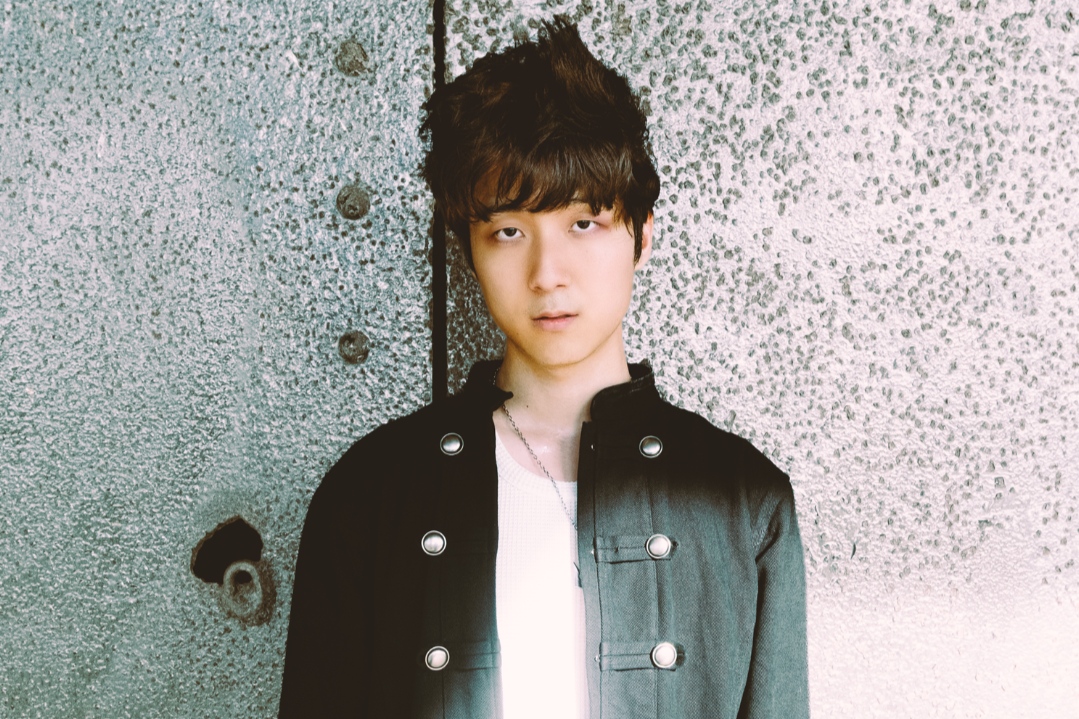
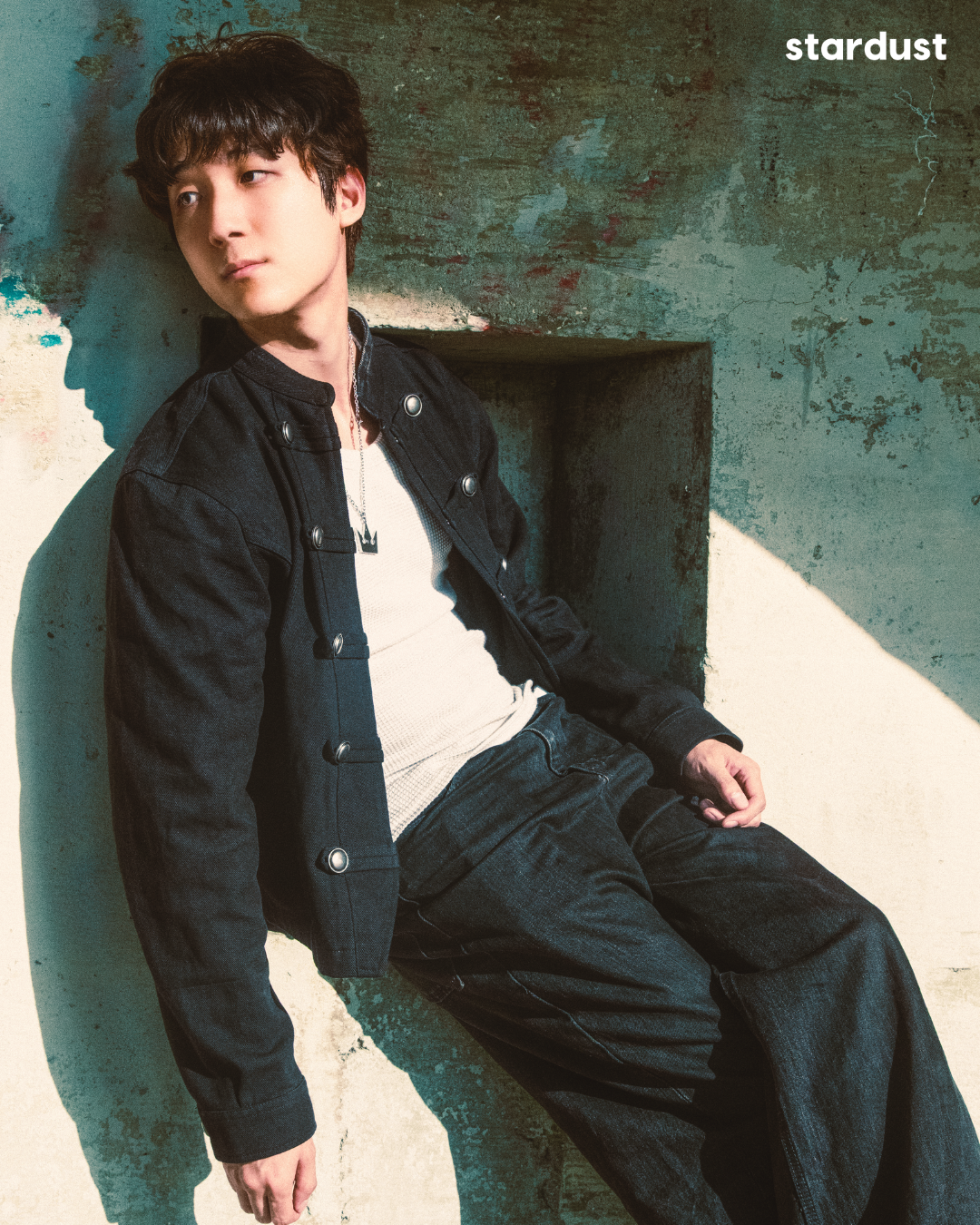
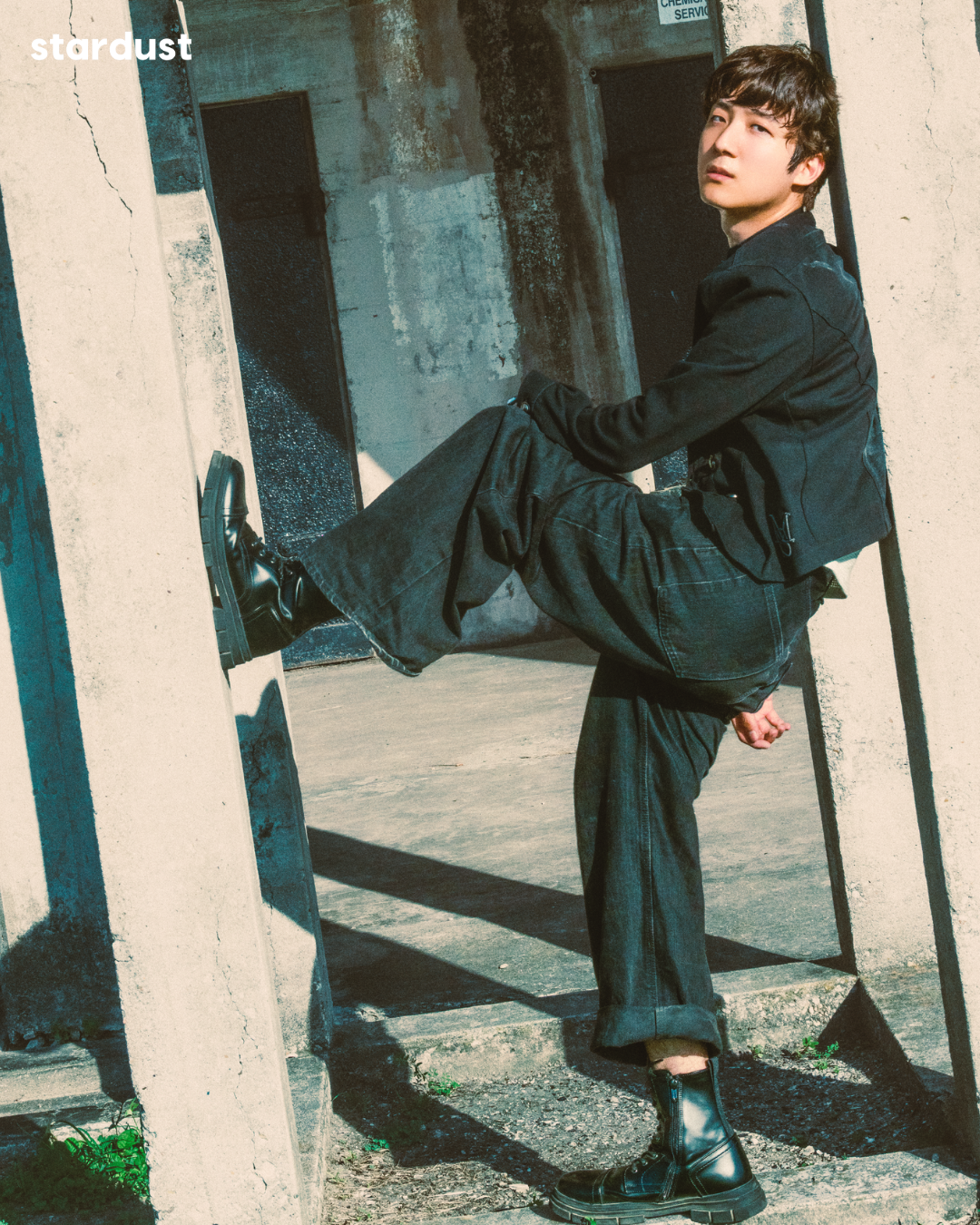
Born in Japan and raised across Korea and Houston before eventually moving to New York, HOHYUN spent much of his early life adjusting to new places, cultures, and ways of seeing the world. His first real outlet for translating those experiences into something tangible came through filmmaking and video graphics, years before music became his primary medium. So when he began releasing songs in 2019, he was already accustomed to thinking visually, and that background quickly became inseparable from the way he wrote. In fact, he now produces his own music and directs its accompanying visuals, often building the sound around what he can already imagine.
That instinct helped shape “SUNSET BOULEVARD,” the 2022 single that introduced his work to a much larger audience and went on to surpass 12 million streams. Rather than separating that success from his visual ambitions, HOHYUN continued pushing the two closer together. His 2024 debut album, DRAMA., arrived alongside a short film and three music videos, while the following year’s Petrichor expanded the idea into a complete visual album, allowing its songs, characters, and imagery to develop within the same broader world.
The connection was especially fitting for a project so rooted in memory and emotional change. Named after the scent associated with rainfall, Petrichor uses recurring rain imagery to connect songs written across different periods of HOHYUN’s life, including some of his most personal reflections on mental health. “Tomorrow” looks back on the period before he sought help for depression and anxiety, while “FLAWED” considers the far less linear process that followed. Though, together, they resist turning recovery into a neat endpoint, instead leaving room for setbacks, uncertainty, and gradual progress—an openness that has also shaped his advocacy for mental-health awareness among Asian American men.
Now, a project built so deliberately through sound and image is entering another form. Following the release of his 2026 singles “ANIMAL” and “Cry For You,” HOHYUN is preparing to bring Petrichor to Houston, New York, Seattle, and Los Angeles on his fall tour. Ahead of those dates, Stardust caught up with him about the relationship between filmmaking and songwriting, preserving creative control as his ideas become more ambitious, and reimagining a visual album for the stage.
Several songs on Petrichor were written and released before the completed album. When did you realize they belonged together, and what became clearer once you heard them as one project?
HOHYUN: When I first wrote the demo for “Today,” it already sounded like a sequel to “I Can’t Escape the Rain,” both of which appeared on Petrichor. Even the voice memos for the original demos were recorded exactly one year apart. I remember thinking, “Wow, that’s crazy.” They were both talking about rain as a concept.
When I wrote “Tomorrow,” I realized there was this recurring theme of rain, and that’s when the idea for the album started to come together. Subconsciously, the rain was really about my depression. In a way, making the album became the process of figuring out both the album’s concept and my own depression.
When I wrote “I Can’t Escape the Rain,” I didn’t realize it was about depression. It just manifested subconsciously through the imagery of rain. Even with my debut EP, Stage Fright, I was writing about my ADHD without realizing it at the time. I think a lot of times I’m able to express things through my art that I’m not fully aware of yet. That goes all the way back to when I was 18 and making short films. I could articulate how something felt visually even when I wouldn’t have known how to explain what I was experiencing.
You have said that you often approach music as though you are scoring a film in your head. What images kept returning to you while creating Petrichor, and how did they influence its sound?
HOHYUN: For Petrichor, there were definitely a lot of dark and lonely spaces. Some of those images appear in unreleased music videos. There’s an elevator that feels very claustrophobic, and there’s an intro that takes place in this dark, empty void with a mattress surrounded by trash, which reflected what my room looked like at the time.
There’s also the mask imagery in the “FLAWED” music video. In general, though, a lot of the imagery that kept coming back to me was centered around dark, empty spaces.
DRAMA. incorporated a short film and several music videos, while Petrichor became a full visual album. How did your experience with DRAMA. shape the second project, and where did you want to push yourself further?
HOHYUN: I think DRAMA. was a good experience for me in learning how to put together a narrative story sonically through an album. “I Can’t Escape the Rain” was part of that album, and then I eventually took that song and created an entire project around it.
With Petrichor, I took what I learned from DRAMA. and condensed it into a smaller, much more compact form. That allowed me to focus more on the visuals and create a visual for every single song on the project. I think it also allowed me to be more concise about what I wanted to say thematically.
“Tomorrow” captures the period before you sought help for your mental health, while “FLAWED” follows the uneven process afterward. Was Petrichor always going to show both sides of that decision?
HOHYUN: I think it was just the natural progression of, “I needed help, and now I got it. Let me tell you where I’m at now.”
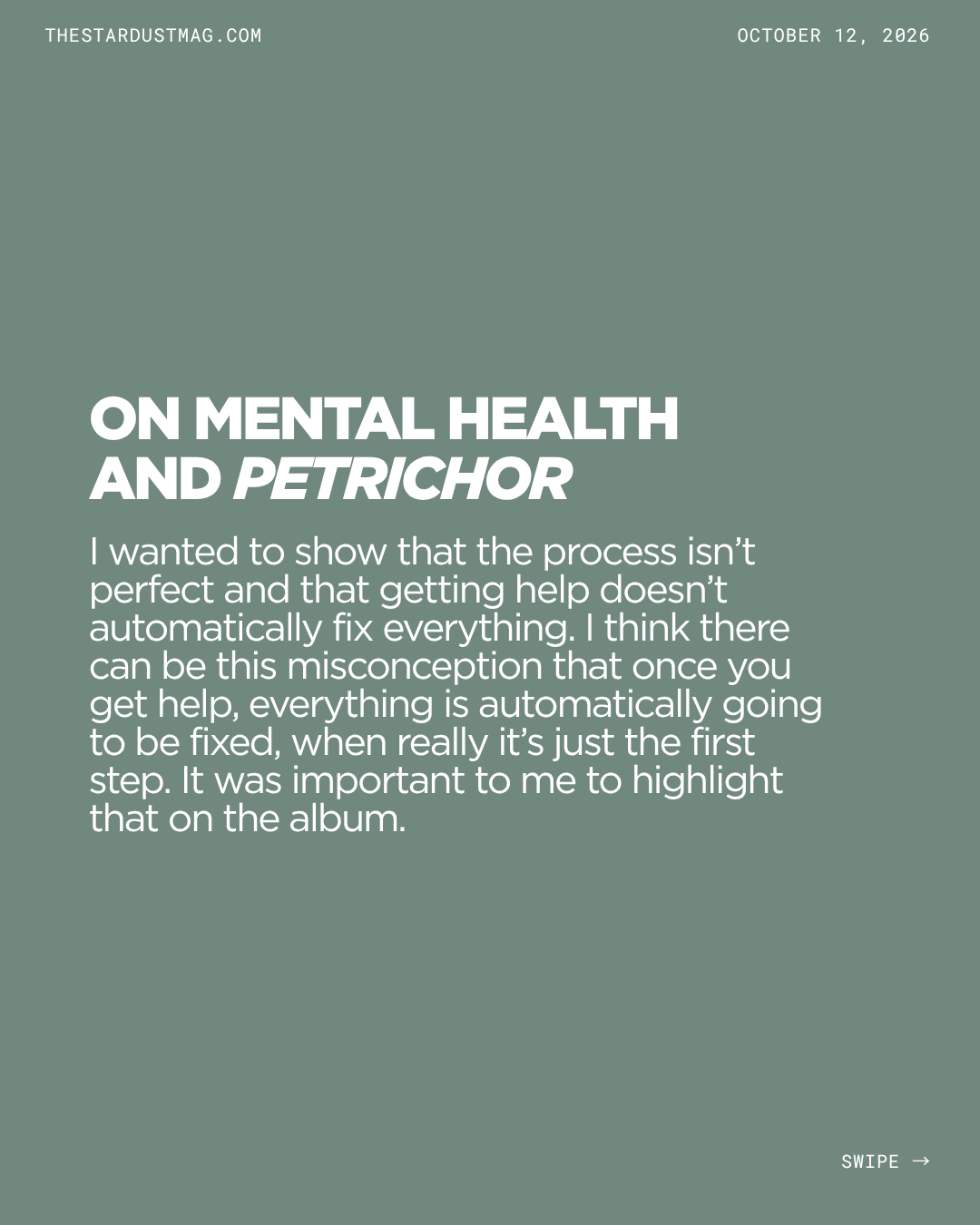
I wanted to show that the process isn’t perfect and that getting help doesn’t automatically fix everything. I think there can be this misconception that once you get help, everything is automatically going to be fixed, when really it’s just the first step. It was important to me to highlight that on the album.
Because you write, produce, and direct your work, you are constantly moving between different creative roles. Which one usually establishes the direction, and how do you know when to step back and view the project from another perspective?
HOHYUN: I wouldn’t say that any one of those roles establishes the direction. I do have a somewhat sequential process of going from writing to producing and then directing, but all of it is driven by my feelings and intuition.
Whether the production starts sounding a certain way or the lyrics begin becoming about something specific, the order always varies. It’s dictated by how I’m feeling during a certain period of time. The production or writing takes the form of whatever I’m feeling.
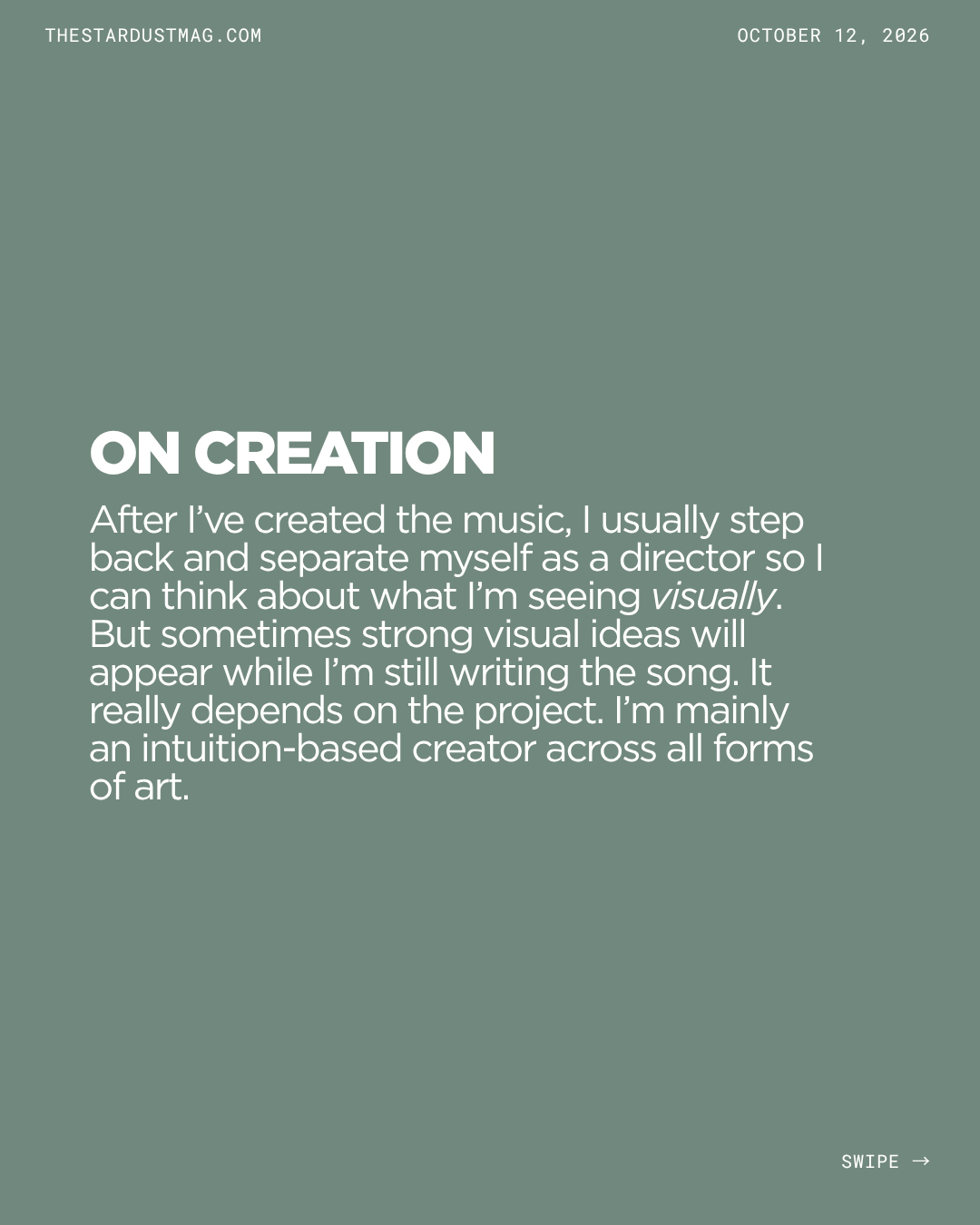
After I’ve created the music, I usually step back and separate myself as a director so I can think about what I’m seeing visually. But sometimes strong visual ideas will appear while I’m still writing the song. It really depends on the project. I’m mainly an intuition-based creator across all forms of art.
“SUNSET BOULEVARD” is a personal favorite and introduced your work to a much larger audience. How has your relationship with the song changed as it has reached more people?
HOHYUN: At first, I was really proud of the song, but it was frustrating because not many people were listening to it. When it finally reached a lot of people, I was definitely proud.
At the same time, its success helped me realize that this wasn’t necessarily the musical direction I wanted to go in or the kind of career I wanted to chase based on virality. So I have a little bit of a love-hate relationship with the song. I’m still really proud of it, I love how it sounds, and I love performing it, but it also taught me a valuable lesson about what I don’t want to do with my career.
Since Petrichor, you have released “ANIMAL” and “Cry For You.” What aspects of your next musical direction are beginning to emerge through those songs?
HOHYUN: Definitely nostalgia. The next project I’m working on is based entirely on the perspective of myself as a 12-year-old and a lot of the feelings and complex emotions I wasn’t able to express back then.
I’m revisiting a lot of my older memories to express some of those feelings and experiences that I wasn’t able to articulate in the past. So, nostalgia is definitely a major part of where I’m going next.