
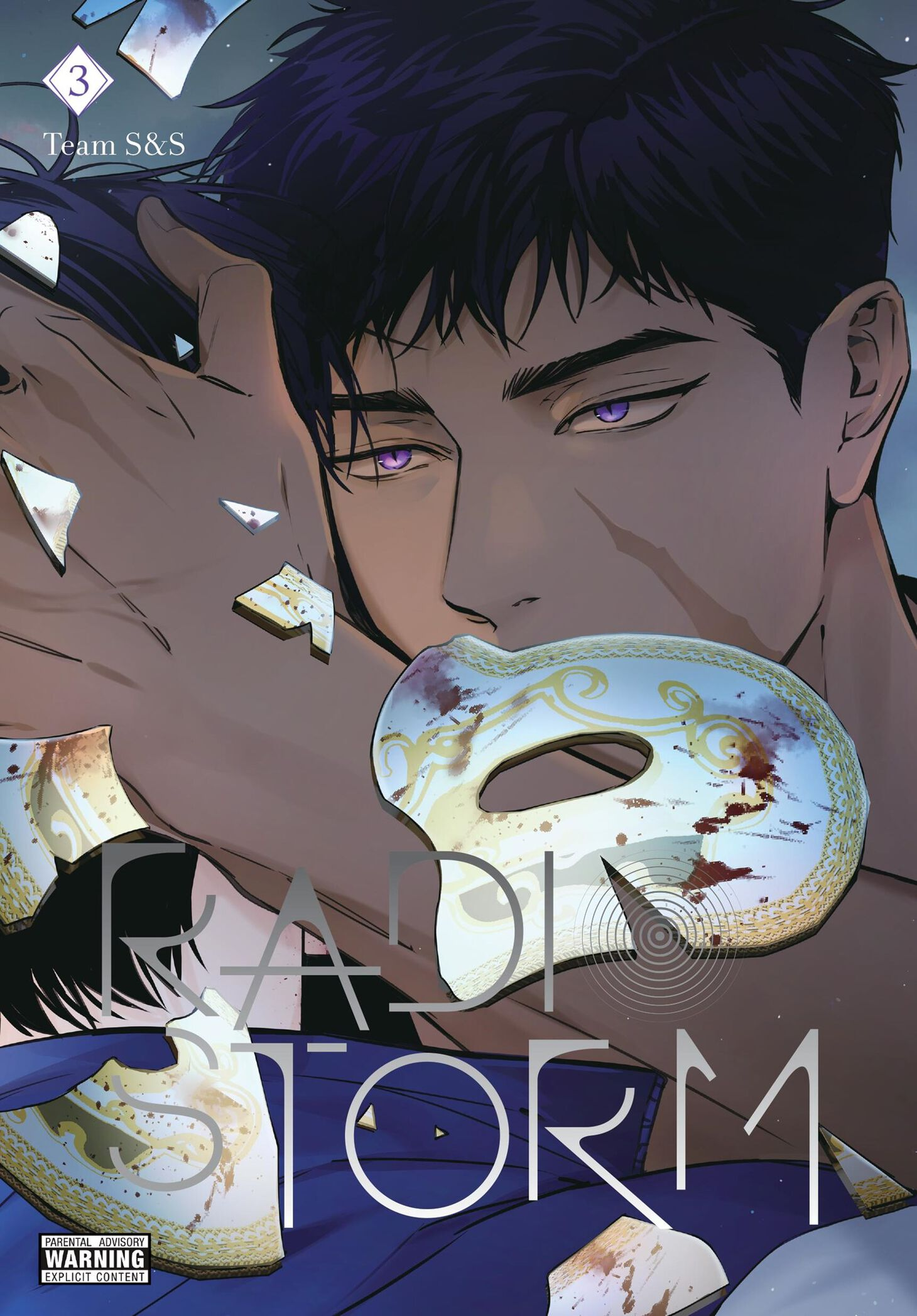
Radio Storm, Vol. 3 feels like the series is tightening its grip. The stakes are bigger, the trust between Sak and Lima is under more strain, and the world around them looks increasingly like a machine built to measure, contain, and decide what a person is worth. Needless to say, it’s a big one.
Plot
Vol. 3 brings Sak and Lima back under the supposed “safety” of the academy, only to tighten the screws on what “safe” actually means in this world. Sak is told he may be the key to stopping the virus ravaging humanity, and that revelation comes with a concrete price: a journey he may not return from.
The central conflict isn’t framed as a simple mission briefing. It’s much more personal. Sak is ready to be used—if it means saving Lima—while Lima pushes back hard, refusing to lose the person he’d only recently treated as a means to survive. That push-pull gives the volume its momentum: every step toward “the cure” also feels like a step deeper into institutional control, half-truths, and emotional brinkmanship. And without spoiling specifics, the volume’s tension is clearly built around revelation and fallout rather than pure action.
Characters
Sak’s arc in Vol. 3 reads as a collision between tenderness and conditioning. Being labeled “the secret” to stopping the virus flatters him, traps him, and tempts him—all at once. What lands is how quickly hope curdles into obligation, and how willingly Sak considers self-erasure if it keeps Lima alive, which is evolving into a nuanced dynamic that you can’t help but become invested in.
Lima remains the more volatile engine. He’s defined by survival instincts and suspicion—with his connection to Sak becoming a very human component to a character who neglects those basic needs for connection. The volume’s best character work comes from that shift: Lima’s feelings are no longer theoretical, and that makes him reckless in a new way. And his final moments prove just how much he has come to care for Sak.
Art
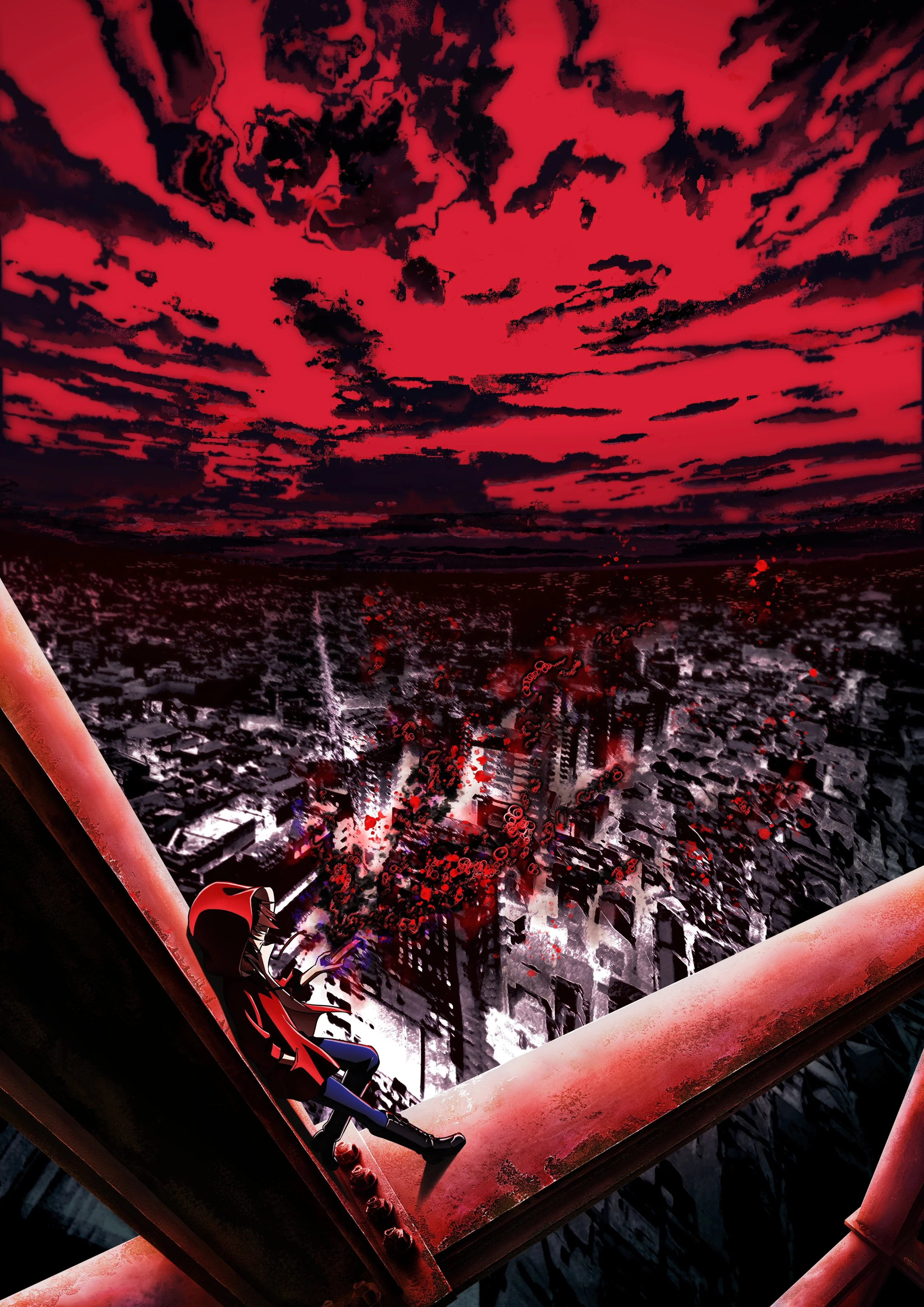
Visually, Radio Storm thrives on contrast: clean, controlled spaces that still feel oppressive; bodies treated like data; intimacy staged against brutal logistics. The dystopian setting does a lot of the heavy lifting, too, because this is a world built around crisis management. Even the academy’s “order” reads as containment, a place designed to study and steer the gifted more than protect them.
What really stands out in this volume is how the art keeps tension alive even when the dialogue slows down. Panels linger close, backgrounds stay sparse and clinical, and faces rarely get the relief of a fully open expression. That restraint creates its own kind of claustrophobia, which fits a story shaped by sickness, surveillance, and the constant sense that someone is always watching. When the book does spike into sharper danger, the visuals don’t need to overplay it. A single loaded image, a hard pause before someone moves, a look that lands like a confession—the weight sits in what’s shown and what’s being held back.
Overall, it’s a strikingly controlled volume on the page—sleek, tense, and emotionally pressurized in a way that feels deliberate rather than decorative.
Themes
The volume is explicitly preoccupied with love versus sacrifice—not as a grand romantic slogan, but more as a practical question with consequences. Who gets to decide what a life is worth? What counts as “saving” someone: keeping them breathing, or letting them remain themselves? “Illusion and lies” is the other stated battleground. Between the academy’s narrative, Sak’s desire to believe he matters, and Lima’s growing sense that something is deeply off, Vol. 3 treats truth as both weapon and wound—especially once secrets surface.
Verdict
Radio Storm, Vol. 3 is a strong penultimate-style escalation of bigger stakes, sharper emotional pivots, and a relationship dynamic that finally stops pretending it’s casual. If you’re here for dystopian BL that treats romance as something forged under pressure—this volume nails it. And at this point, the hook isn’t just “can they survive?” it’s “what will survival cost them now that they care?”