
Kentaro Sato’s Immortality and Punishment, Vol. 2 pushes its zombie-apocalypse setup into a more chaotic and character-driven space, turning the love hotel at the center of the story into an even nastier pressure cooker. So let’s dive straight into it!
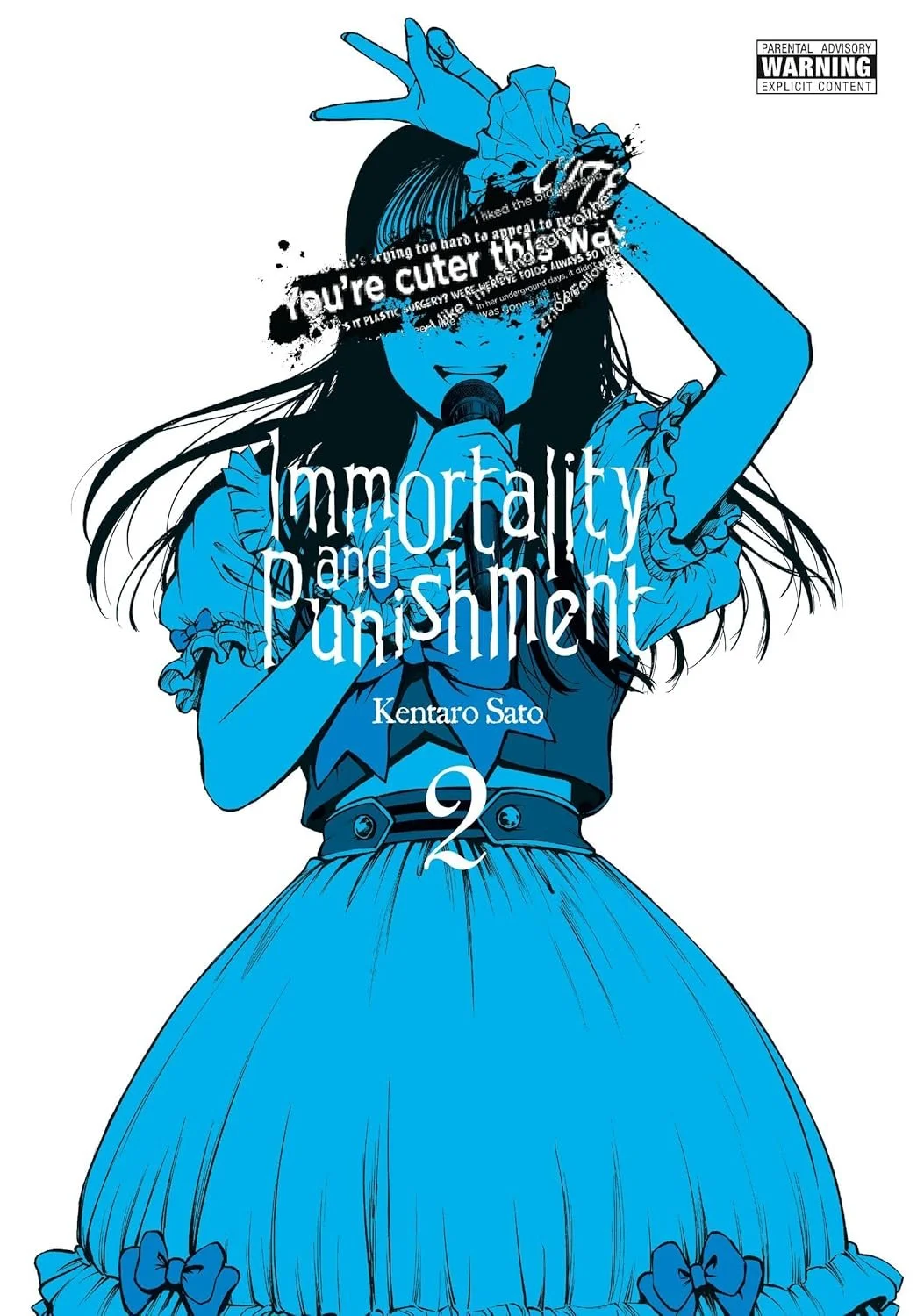
Yen Press
Plot
Vol. 2 continues inside the Kabukicho love hotel, where Fumito Yakaze is trapped as the infection spreads outside and through the building. The volume centers on three key strands: Mei Kano recovering after killing an infected man, Misawa entering Fumito’s room while desperate to contact her children, and a group of teens exploiting the chaos before crossing paths with a gun-wielding gangster.
That structure gives this volume a stronger sense of expansion. The first volume established the outbreak and Fumito’s guilt-ridden survival. Vol. 2 makes the hotel feel more populated, more dangerous, and more morally unstable: Misawa entering room 603, borrowing a charger, discovering signs of other survivors, seeing her daughters in danger, and later questioning Fumito about the accusation that he is a murderer. There’s plenty to keep you going here.
Characters
Fumito remains the most compelling figure because his survival is wrapped in punishment. He is consistently carrying a past that keeps intruding on the present, which makes every act of self-preservation feel morally complicated.
Though Misawa gives the volume its strongest emotional urgency. Her need to reach her children cuts through the brutality with something direct and human. Mei also becomes an interesting figure here, especially as her idol persona and public exposure collide with the anonymous online comment revealing that someone knows where she is (offering readers a rapid-fire intro and a unique level of urgency).
Art
The art works best when it leans into confinement. The love hotel setting gives Sato narrow rooms, blocked doors, hallways, phones, screens, and sudden bursts of violence to play with. That makes the horror feel boxed-in rather than sprawling. The series also benefits from visual contrast: ordinary interiors become grotesque once infected bodies, blood, and panic enter the frame. It’s detail-oriented, horror-soaked, and indisputably bold.
Themes
The volume’s strongest idea is that disaster reveals people rather than changing them outright. Misawa becomes more desperate, Fumito is forced closer to his guilt, Mei’s hidden identity becomes a liability, and the teens use collapse as permission to become cruel. The infected are terrifying, sure, but the human choices around them are just as ugly.
Verdict
Immortality and Punishment Vol. 2 is a strong continuation that makes the series feel bigger without losing its trapped, suffocating atmosphere. It adds new survivors, sharper emotional stakes, and more human danger, while keeping Fumito’s guilt at the center.