
Kevian Kraemer
Kevian Kraemer has reached the kind of moment that can be easy to reduce to momentum alone. The numbers are strong, the audience is growing fast, and each new release has added more weight to the sense that he is becoming one of indie-pop’s most promising young artists. But the more interesting story sits inside the music itself, in the way his songs have gradually traced the outline of who he is. And with his alt-pop project only if it matters out now, Kraemer seems to be entering a new era with a stronger sense of self.
That self-possession has been building for a while. There has always been an immediacy to his work, with songs that pull listeners in through warmth, movement, and hooks that feel easy to carry with you. But they rarely stop there. Stay with them a little longer and something more unsettled tends to surface: memory pressing against desire, excitement tangled up with uncertainty. That tension has become one of the most appealing parts of his music, and it is also what makes this new project feel like such a meaningful step forward.
On only if it matters, those instincts feel pushed further sonically and emotionally. The writing is still accessible, but the choices around it feel bolder, stranger, and closer to the artists who inspire him most. Asked what making the EP allowed him to express, and how it helped define the direction he is moving in now, Kraemer says, “only if it matters has allowed me to expand my sound significantly compared to past projects. From weirder chord progressions to aggressive vocal effects, it’s been the time of my life making this project. This EP is so much closer than anything else I’ve made to the bands and artists that really inspire me, and I definitely think that any listener can hear that.”
His own sense of emotional precision matters, especially because Kraemer’s music often sounds personal without becoming closed off. And while the strongest pop songs leave room for listeners to step inside them, they still need enough specificity to feel real. His writing continues to find that delicate balance. He can sketch a mood or a memory with just enough detail to make it feel tangible, then leave just enough open so the feeling carries beyond the moment that inspired it.
“The perfect middle ground, in my opinion, is finding a way to subtly keep what’s special to me about whatever I’m writing about, while also leaving space for anybody who’s listening to relate or find something meaningful in the song themselves,” Kraemer explains to us. “Also, sometimes I get a bit embarrassed to keep really specific things in my songs because I’m really exposing myself to the person I’m writing about.”
Part of what makes that approach work is the atmosphere running through so much of his catalog. Summer, distance, longing, motion, memory. Those feelings keep surfacing in ways that feel connected rather than repetitive, as though he is returning to the same emotional terrain from slightly different angles each time. In lesser hands, those ideas can become vague shorthand, but Kraemer gives them shape and enough detail to feel lived in.
So what keeps pulling him back to those bittersweet emotions? “Those things are constantly surrounding me at this point in my life,” the singer-songwriter reveals. “I keep watching myself and the people around me fall in and out of infatuation over and over again. Not just with people but also with types of music, cities, identity, and even as small as what bar everyone wants to go out to. It’s hard not to write about longing honestly.”
That emotional thread has remained consistent even as the music around it has grown fuller and more assured. Early songs helped establish the appeal of his writing, and later releases expanded what that writing could hold. The path from Seventeen to Jersey or Mars and now to only if it matters shows an artist becoming more intentional with every step.
Reflecting on that progression in his own work, Kraemer reveals, “The biggest shift is for sure in my confidence and craving to go back to a more experimental sound. After playing across the US a few times, I’ve realized that the music I want to make is meant for a live show. When I started producing myself at 15, I wasn’t hesitant to include crazy background noise or ugly screeching guitars, and through the recent process for this project, I’ve gotten that back and then some with different effects, cadences, etc.”

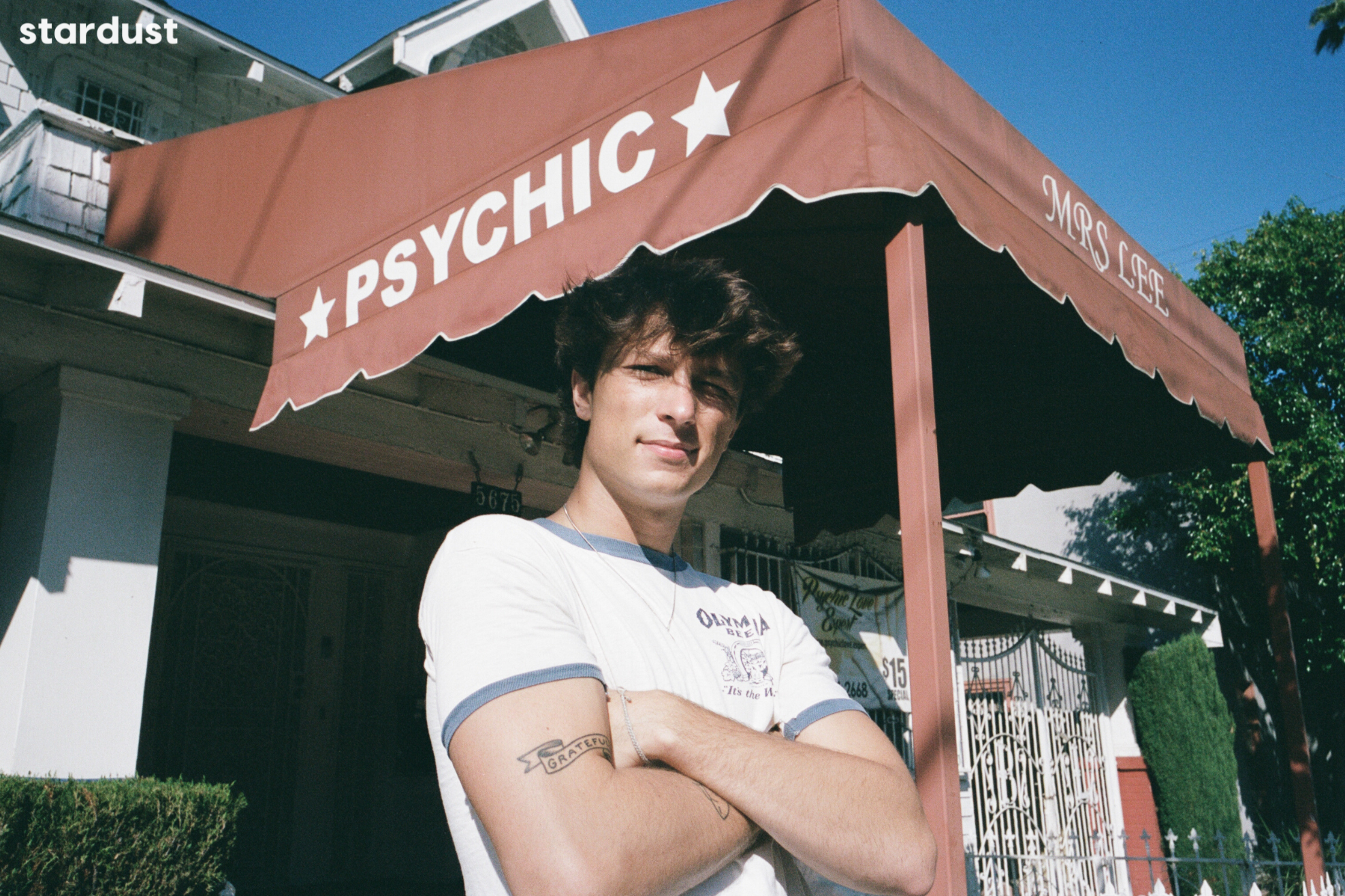
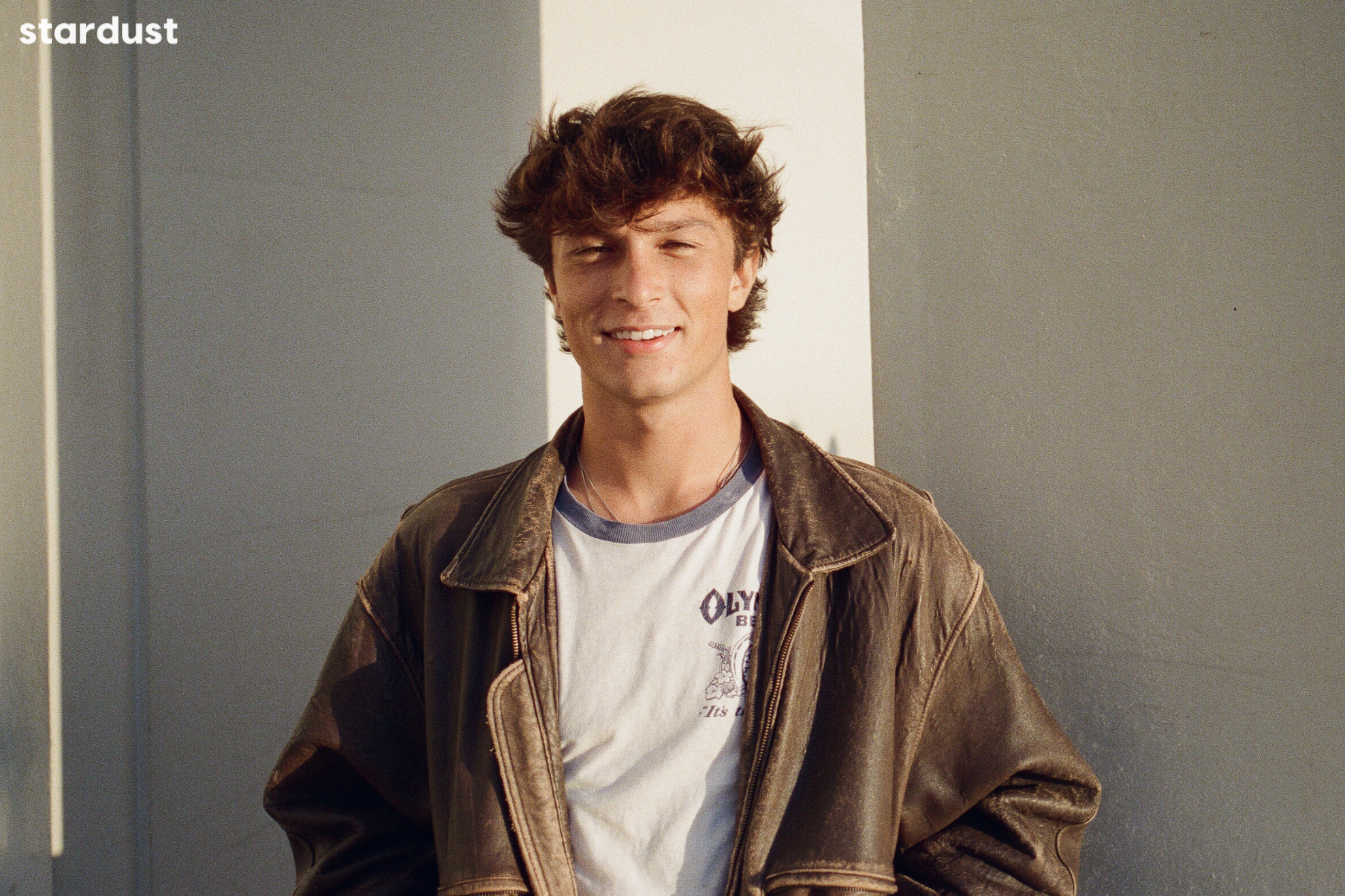
His background helps explain some of that development. Growing up in New Jersey, Kraemer was drawn to music early, starting with drum lessons at Lakehouse Music Academy in Asbury Park before gradually picking up piano, saxophone, bass, and ukulele. By high school, he was writing and recording original songs in GarageBand, building the kind of hands-on foundation that seems to have made arrangement feel natural to him from the beginning. You can hear it in the way his songs move. Even the most immediate ones rarely feel built around a single catchy moment. There is usually a sense of rhythm, structure, and texture holding everything in place.
“I think being able to move across different instruments can only help when writing music,” Kraemer explains. “The ability to say the same thing in a different voice can inspire a totally new idea. Genuinely, what I think makes a song feel alive is the excitement in the room during the process of making it. It’s such an amazing feeling to be in a studio, jumping from thing to thing, just building out a track with your friends. Surrounding myself with other multi-instrumentalists has for sure changed my sound indefinitely.”
As his audience has grown, generating nearly 54 million streams, so has the pressure that comes with that kind of visibility. Once a song breaks through in a major way, people start deciding what they want from you next. They hear a hit, latch onto a version of your sound, and begin waiting for another record that gives them the same feeling again.
For a young artist, that can be energizing or distracting, depending on how well you can separate outside response from your own instincts. And with only if it matters arriving at such a visible moment in his rise, that balance feels especially important. “I honestly don’t write for anybody other than myself, and as time has passed, new music has been released, and shows have been played, it’s clear that staying true to my gut will always translate well to my listeners,” he divulges. “As I change and grow, I can only hope that people enjoy the music and follow.”
Live performance seems to have played an important role in that growth, too. There is a difference between writing a song in private and feeling it come back to you in a room full of people. Touring can expose what lands hardest, what shifts once it is shared, and what parts of your writing have more reach than you realized in the studio. Kraemer’s recent headline tour and live sessions also gave the music a different kind of shape through performance.
Though, in Kraemer’s own words, “It completely changed the way I write. The guitar solos, the space between song sections, making melodies that others can scream back at the stage, a show is all I think about now when making new material. Touring has also shown me that good music will always win. Even if something isn’t streaming as well or not going crazy viral, the fans will always scream the best songs the loudest.”


That type of experience feels especially relevant because so much of his music thrives on contrast. His songs can sound bright, buoyant, and inviting on the surface while carrying tension underneath. One part of the arrangement might feel loose and warm, while the writing is circling something more unresolved. Young adulthood often works like that. The best nights can hold doubt in them. The happiest-sounding songs can still be turning over something painful or unfinished. Asked whether he consciously chases that contrast in his writing, Kraemer admits, “I truly think that’s just naturally what happens, given the subjects that I write about most of the time.”
Maintaining that instinctive nature feels especially important on only if it matters. Singles can build momentum and sketch the mood of a new era, but a full project has to carry something more lasting. It has to hold an atmosphere, deepen the writing, and show whether the emotional currents running through the music can sustain a larger vision. In Kraemer’s case, everything leading up to this point suggests an artist getting clearer about what he wants his songs to say and exactly how he wants them to land. At the center of it all is yearning.
“Some of the main ideas around this project were infatuation, struggles around monogamy, and situational distance,” he shares with us. “I think every single one of these seven songs has something to do with yearning for someone in some way, whether it be physically, emotionally, or even something that doesn’t exist anymore.”
That is what makes this moment feel especially compelling. Kraemer has already shown that he can execute a vision, connect with listeners quickly, build an audience, and turn standout songs into something that stays with people. What only if it matters does is bring those strengths into a fuller statement, one that reflects the thought, instinct, and emotional clarity that have been coming through more powerfully with each release.
Still, by the end of only if it matters, what feels clearest is not just where Kraemer is headed, but what matters most to him once he gets there: making music that feels honest, immersive, and tailored to his own artistic impulses. “I hope that by the end of the last track, the listener understands that I made this project centered around the music and only the music. Not a trend, not an online persona, not to get an engaging TikTok audio, just the music,” Kraemer divulges. “I left a lot of space throughout each of these songs for the listener to lose themself in the instrumental, and I really hope that translates well.”
only if it matters is available now on all major streaming platforms.
-
Photography: Jack Hassett
Words/Editor-in-Chief: Aedan Juvet
Cover: Laramie Cheyenne