
Monarch: Legacy of Monsters
The gripping Apple TV+ series Monarch: Legacy of Monsters found its footing in season one by staying human-sized inside a giant franchise. Yes, it lives in the expansive (and often destructive) Monsterverse, yet it keeps circling back to the people left to interpret the wreckage, live with the secrets, and navigate the institutions quietly steering it all. Season two arrives ready to build on that foundation: Skull Island slides into focus, new questions hit with real urgency, and a new Titan starts to shape the season’s momentum, without losing sight of the nuanced, detail-oriented characters worth rooting for.
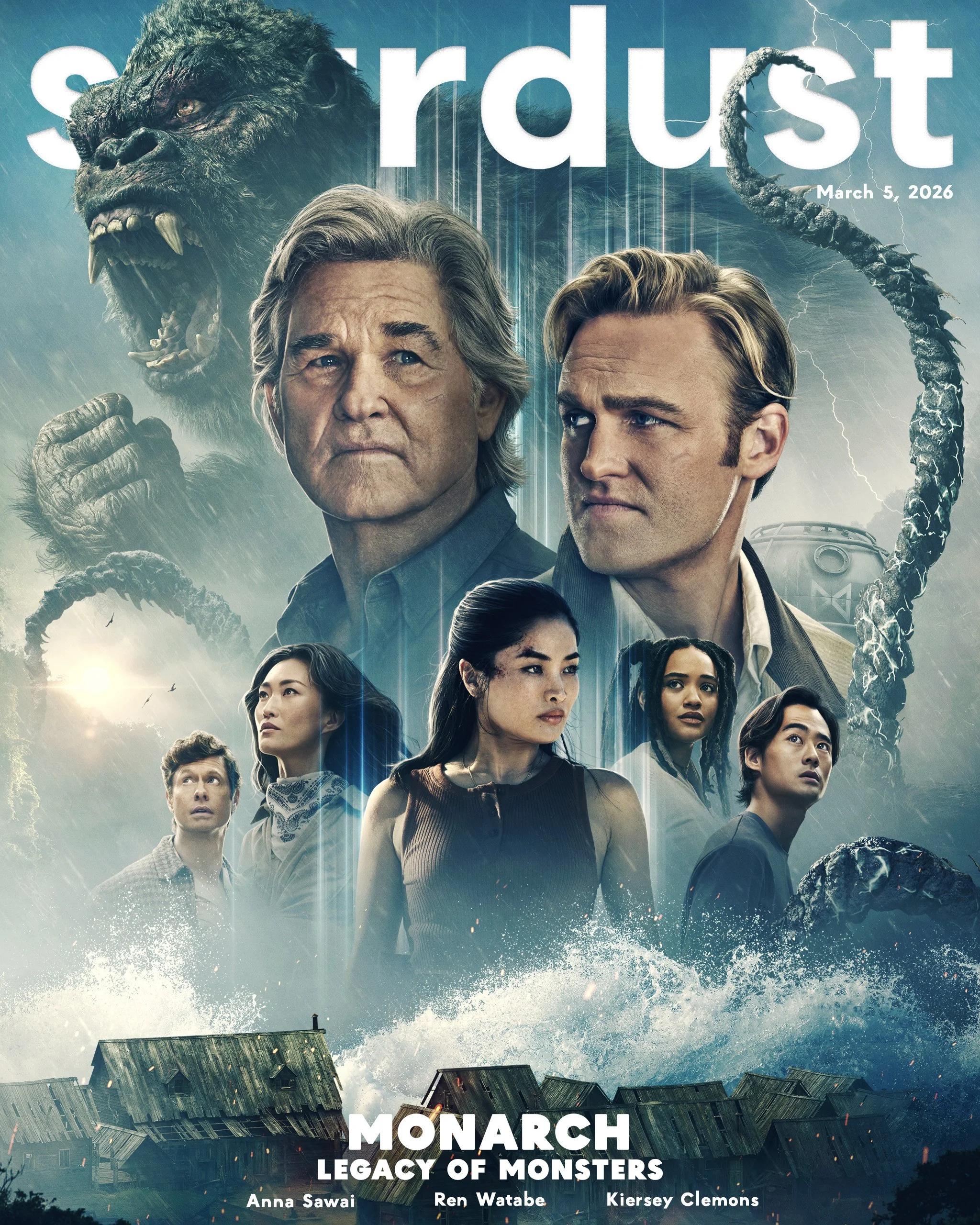
Talking through what to expect, stars Anna Sawai, Kiersey Clemons, and Ren Watabe make one thing clear: season two isn’t interested in a clean reset. It opens on consequence, on guilt and confusion, on the personal recalibration that follows when you’ve seen (or in some cases, done) something that permanently reshapes your sense of normal.
For Sawai, that consequence sits at the center of Cate’s headspace. She says Cate is carrying “a lot of guilt” after season one, rooted in sending people into Axis Mundi and failing to get them back. Cate, Sawai adds, is “on this mission” and “very determined,” and over the course of the season she begins to find “more purpose and meaning” in the family history she once tried to outrun.
That forward drive matters because Cate’s season one arc is largely reactive. She’s often trying to keep her head above water while the world drags her into revelations she never asked for, from her father’s secret family to a half-sibling and more Monarch fallout than she can process at once. Season two, at least as Sawai frames it, gives her decisiveness. The show tends to do some of its best character work in moments like that, when someone who’s been pushed and pulled finally chooses a direction, then has to prove the choice can survive real pressure.
Cate’s determination becomes even more layered once her grandmother Keiko, previously displaced in Axis Mundi for decades, becomes fully present in her life. Discussing the significance of Cate meeting her grandmother, Sawai calls it shocking, then pivots to what the relationship unlocks.
“[Keiko] literally is a role model to [Cate]. And Keiko has the strive and passion for the monsters in a way that, like, Cate couldn’t find,” Sawai says. “She was afraid of them. And I think that she connects with her grandmother very, very closely, that she starts to be able to, like, find that motivation to also try to protect them, as the series goes on.”
It’s a compelling reframing because it doesn’t require the audience to suddenly see Titans as harmless. Instead, it asks you to watch Cate’s fear evolve into something more complicated, and to consider what changes when fear stops being the only lens.
Clemons describes May on a different emotional frequency. In season one, the actor saw May as a young person “very confident and set” in the way she moves through the world, with clear values and a firm sense of self. Season two, Clemons says, puts May in scenarios that shake that certainty. “We watch them face literal monsters and scenarios that make her question those things about herself that she used to be not just certain of, but that used to define her, as well.”
Clemons then points to Axis Mundi as May’s dividing line, noting how your twenties can create a sharp “before and after,” the kind people describe after a major loss. Because, for May, there’s a “before and after” of Axis Mundi, and season two explores what that experience has done to her.
That character-first framing is a big reason Monarch feels more grounded than most franchise shows operating at this scale. Axis Mundi could have functioned purely as a mythology device, useful for shifting plot pieces around or offering a quick visual change of pace. Instead, Clemons’ read (and what we’ve seen so far) solidifies that it’s treated like an event that changes the body as much as the story.
When asked what she’s excited for audiences to discover about May this season, Clemons offers a deceptively simple promise: for viewers to discover things about May that May has “yet to discover about herself.” And that’s a telling way to frame her arc, because May has always been capable, and the show has consistently made room for her intelligence. Season two sounds less focused on proving what she can do and more focused on what sits underneath that competence, especially once it stops feeling like enough.
Watabe says Kentaro is undergoing his own shift in season two. He describes him as more experienced and increasingly independent after the time jump, teasing that over the course of the season, “[Kentaro] starts to shift away from the people close to him as he starts to carve out his own path.” Of course, Kentaro’s growth comes with a cost. In a family shaped by Monarch’s secrets, carving out your own path can quickly turn into a mission-first isolation, which we’ve seen on a generational scale.
The ensemble chemistry is one of the reasons those quieter fractures register. Asked about working with the cast this season, Sawai and Clemons both describe a set that consistently feels comfortable and collaborative. Sawai says they know each other well enough to speak up without hesitation, and she calls it “proper collaboration,” adding that they feel safe being vulnerable with each other. Clemons offers a more practical version of that safety, joking about being able to ask, “Hey, do I look stupid?” or “Should I say it like that?” and adjusting without overthinking it.
A set like that makes a huge difference, because Monarch lives in the in-between. It asks its actors to hit complicated emotional beats in scenes that aren’t built like traditional tearjerkers. It also asks them to react to Titans that will be added later in post, so a lot of the show’s believability comes down to staying honest in a partially imagined space. And when that trust is there, the production can really go big without the performances getting swallowed by the scale.
Some of the cast’s favorite production memories underline that balance. Watabe cites Tokyo as a personal standout, divulging, “There’s a particular sequence we did in a park called Shinjuku with maybe—I think about two hundred or three hundred—background actors. It was very chaotic and hectic, to be honest. But everyone was so immersed in it, and it kind of shocked me, like, ‘wow, everyone really cares.’” Clemons laughs when Tokyo comes up, admitting the day was rough due to being sick. Even so, the actor also remembers looking around at everyone on set and thinking they were “killing it.”
Sawai’s favorite memories come from training, which hints at season two giving Cate a more physical vocabulary. “I did freediving training to go underwater. I was also in a harness and doing 360s in the air,” she recalls. “It was a lot of, like, physical training that really molded Cate’s character.”
But even with all that scale and stunt work, Sawai says the show’s anchor is still its human relationships. “Obviously, you know, the monsters are important, but we got so many intimate [character] moments. And I think that with every character, there’s a different relationship, and it really is reflecting the lives that we all have.”
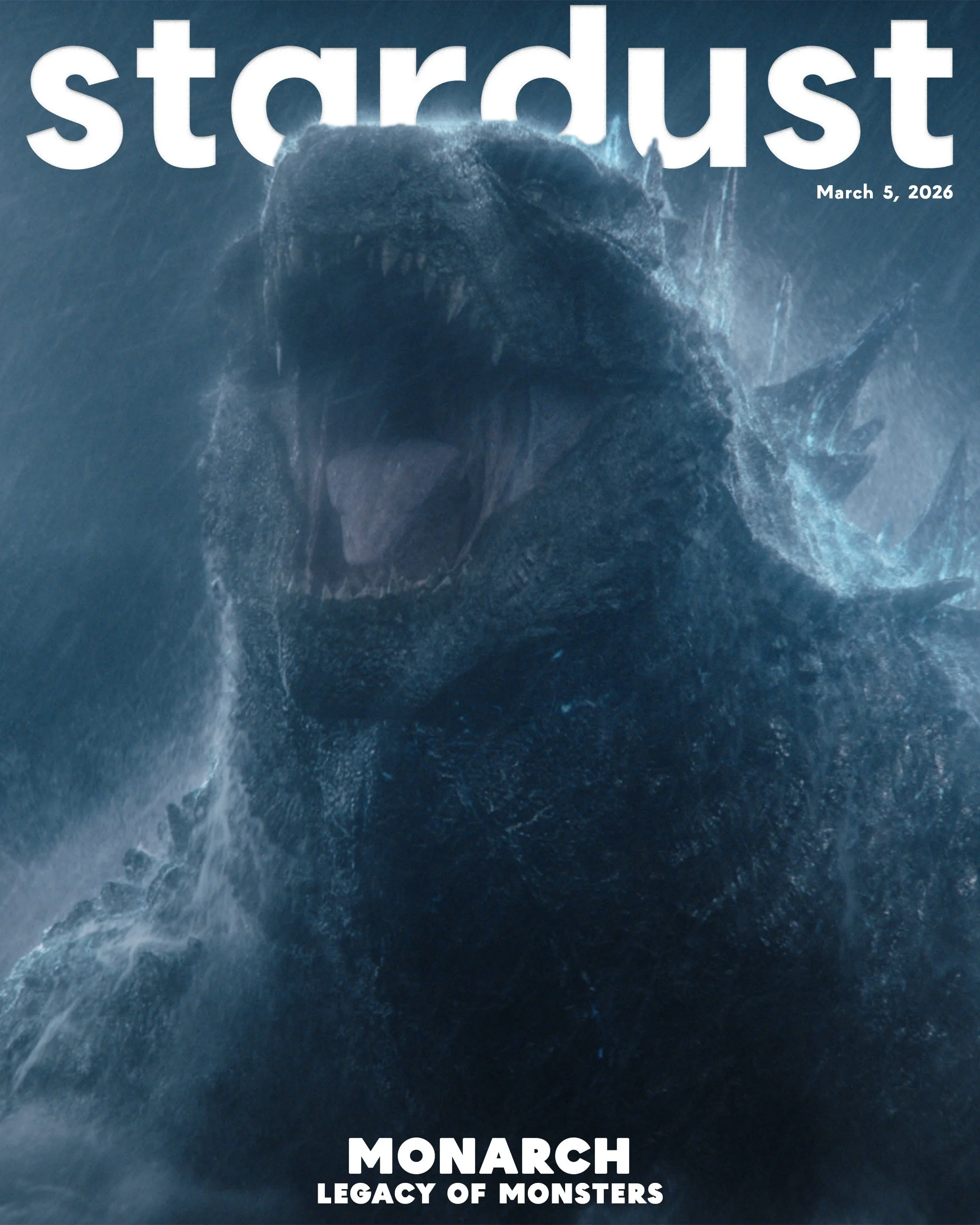
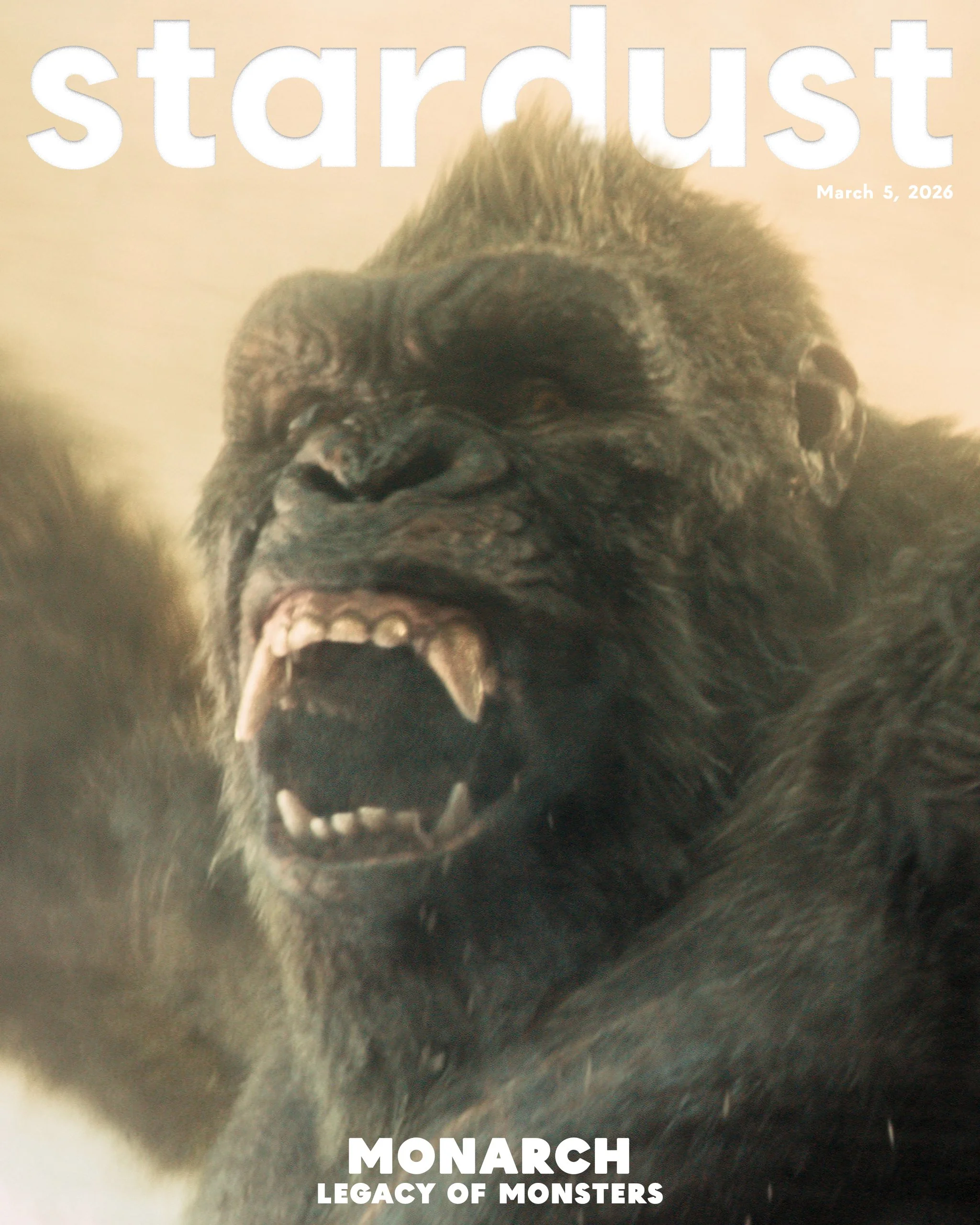
To her point, the season two setup certainly suggests the series is trying to tackle both at once: keep those core, human relationships central while widening the Titan-heavy world around them. But even with Godzilla and Kong in the mix, the latest foe labeled Titan X doesn’t appear to be a supporting player.
Watabe talks to us about the rush of initially encountering the Kraken-like monster we’ve never seen before and immediately wanting to understand it, to learn its characteristics. Sawai echoes the sense of scale, admitting she immediately leans into the questions that feel like Monarch’s own in-universe approach: “You’re like, what does that arm do? What is it trying to protect? Why is it here and why is it trying to, you know, come towards us?”
And that’s basically the point. Season two lets the stakes climb and the questions multiply. Titan X, Axis Mundi, and Keiko’s shocking return each hang over the story in different ways, pushing the Monsterverse forward without losing sight of the fallout. It’s bigger, wilder territory, but the show’s best move is still the same: treating every escalation like something the characters have to live with, not just survive.
New episodes of Monarch: Legacy of Monsters drop weekly on Fridays on Apple TV+ through the season finale on May 1, 2026.