
Robert Emms on Andor, The Choral, and Bad Apples
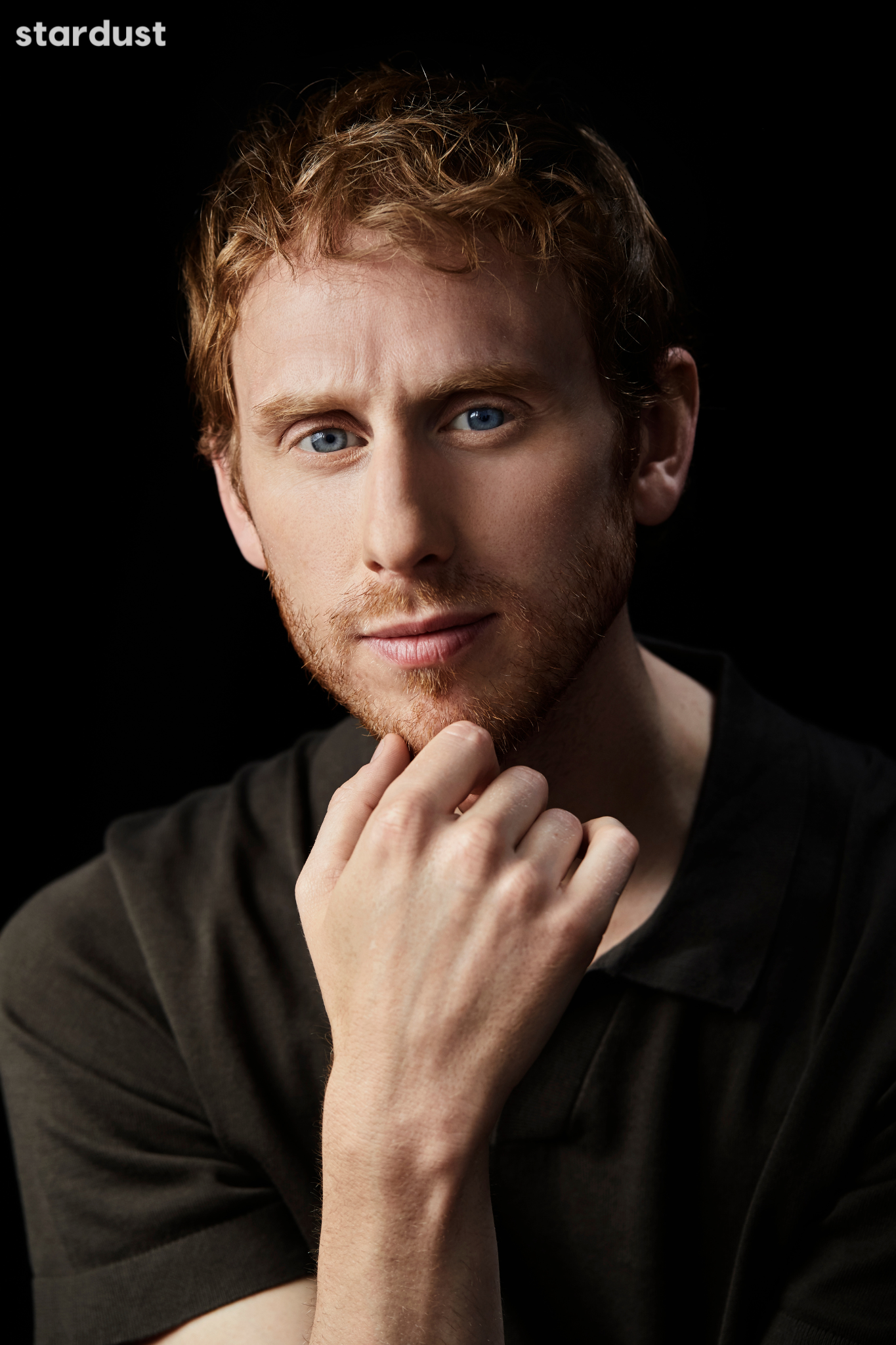
Robert Emms is having a year that rewards patience and range as he arrives with two very different features and a run of television that reminded audiences how quietly exact he can be. In The Choral, directed by Nicholas Hytner from an original script by Alan Bennett, Emms plays Robert Hornet, a pianist and confidant to Ralph Fiennes’s Dr Guthrie. Set in 1916 Yorkshire, the film follows a community choir finding purpose as war closes in.
His second recent title is Bad Apples, a satirical thriller where he’s opposite Saoirse Ronan and directed by Jonatan Etzler in his English-language debut. As of now, the film has already bowed at TIFF and entered competition at the BFI London Film Festival on October 9, with Emms part of an ensemble that pushes a classroom story into darker questions about control and consequence.
Though audiences who discovered Emms through prestige TV already know he can anchor the frame without raising his voice. In fact, his recent turn in the Disney+ title Andor, the Emmy-winning Star Wars series, fit that pattern and widened his reach—where the show’s grounded approach gave him the kind of space where small choices truly matter.
Now, across these new projects, a throughline emerges. Emms gravitates to stories where institutions bear down on individuals, and music, language, or quiet resolve becomes a counterweight. It reads like a career entering a steadier stride, one built on selective moves and projects that leave an impact.
Photography: David Reiss
What drew you to Robert Hornet in The Choral, and when did the character click for you?
Robert Emms: I absolutely adore my character. I found his storyline very moving. I completely admire him and his valiant choice to be a Conscientious objector and an openly gay man in 1916. His objection to the war, the safe haven of the musical community in which he has found himself, and his friendship with Guthrie was key to understanding him as a person. He shared a total love for the art of music with Guthrie, and this transcended any fear or feeling of shame he may have felt towards himself. In the end, he felt very solitary to me.
How did working with Nicholas Hytner shape your approach on set?
Robert Emms: I have always wanted to work with Nick, so it shaped my approach in that I was very enthusiastic and pleased to be there. I also totally trust him as a director, so I felt relaxed in all the scenes I played. He worked with me to write a character biography before the shoot, which was a new thing for me, creating a very detailed life of the character before we meet him. I found this really useful and have taken this with me onto other projects.
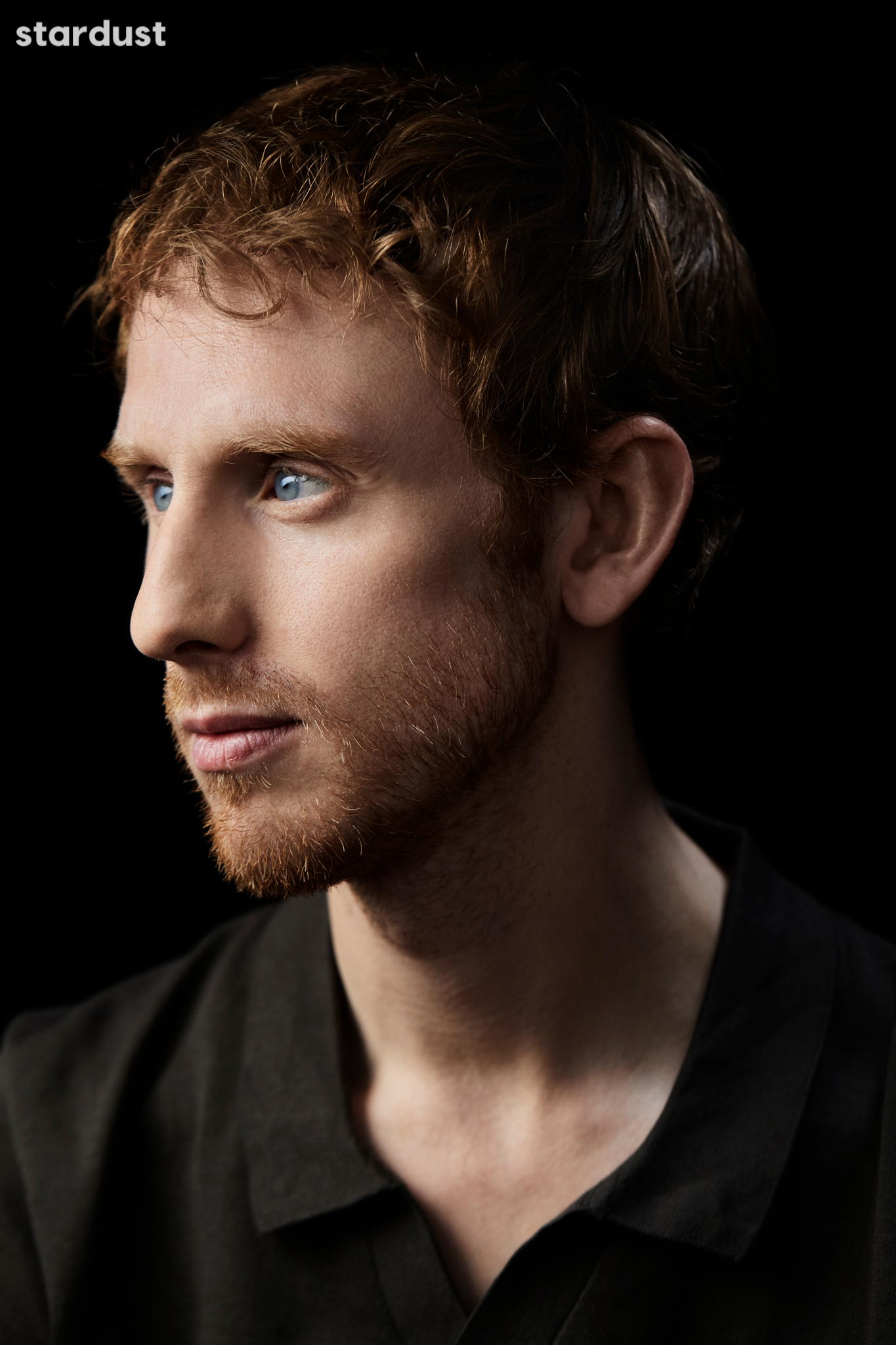
Photography: David Reiss
The Choral hinges on music and community under strain. What did the piano work demand from you day to day?
Robert Emms: I play all the piano live. I have played the piano since I was 7 years old, so for me to have the piano with me in my actual day job was so pleasurable. I studied the score of The Dream of Gerontius and other songs I play with Tom Brady—our musical director—each day, and I played the piano for all the choir rehearsals leading up to the shoot. It was an added element of work, but it wasn’t demanding, really. I found it really immersed me in the music and the choir, and created strong bonds with the other members of the cast, which we carried with us throughout the shoot.
Alan Bennett writes with precision. How did you find freedom inside that?
Robert Emms: His words and his characters are so clear and well formed, I don’t think it’s about finding freedom necessarily, there is already freedom in the scenes you’re playing because he writes with such precision. I didn’t feel that this limited me. With that, you are well supported, and it’s only about you being open to interpret it with your thoughts and your feelings.
Bad Apples is said to walk a tight line between satire and suspense. How would you describe your character in that project?
Robert Emms: I play Josh, the father of Danny, who goes missing. He is a single dad, struggling to keep up with his hours at work, struggling to form a relationship with his child, and to complete simple, practical tasks. He finds himself in a situation where he has lost his son and can’t find him, and needs to try to step up to do so.
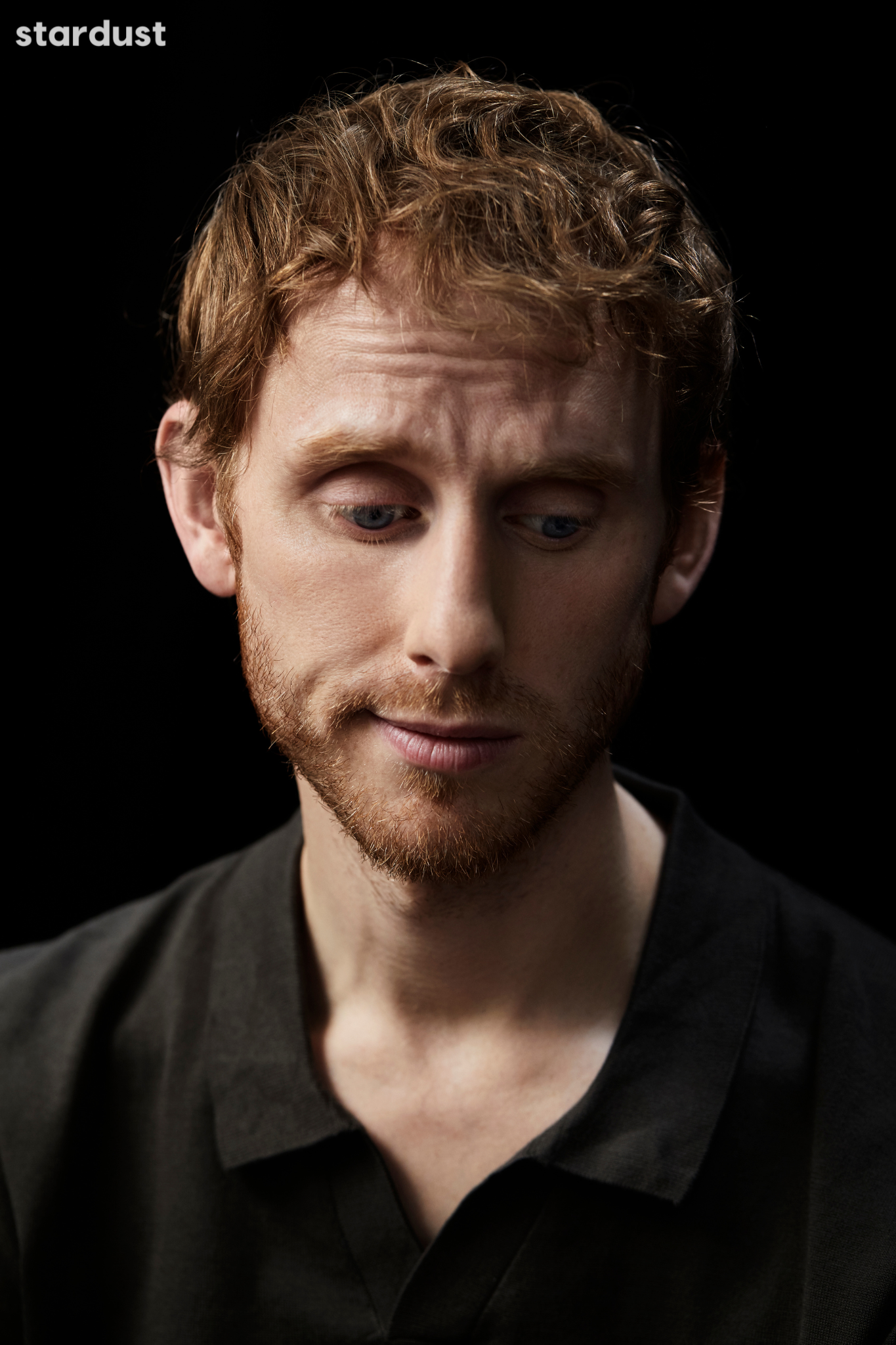
Photography: David Reiss
Andor introduced you to a huge global audience. What has stayed with you from that experience?
Robert Emms: I am struck each day by how dedicated the Star Wars fans are, especially to Andor. I was so pleased that my character resonated with so many people. I regularly get stopped by people thanking me for my sacrifice! I was very happy to be in something like that, which was also saying something politically about the world, and didn’t shy away from that.
What kind of stories are you chasing next, and what do you hope people notice in this phase of your work?
Robert Emms: I recently finished filming Blood on Snow, which is a new film from Cary Fukunaga. I am always looking to do some theatre amongst the filming projects because it brings you back to the core training you do as an actor. It strengthens your muscles and is a good vocal, physical, and emotional workout. It is a unique and powerful way to tell stories, and there’s something incredibly cathartic about that shared live experience.
The Choral hits UK theaters on November 7, 2025.