
Charlotte MacInnes Faces Transformation on ‘HIGHWATER’
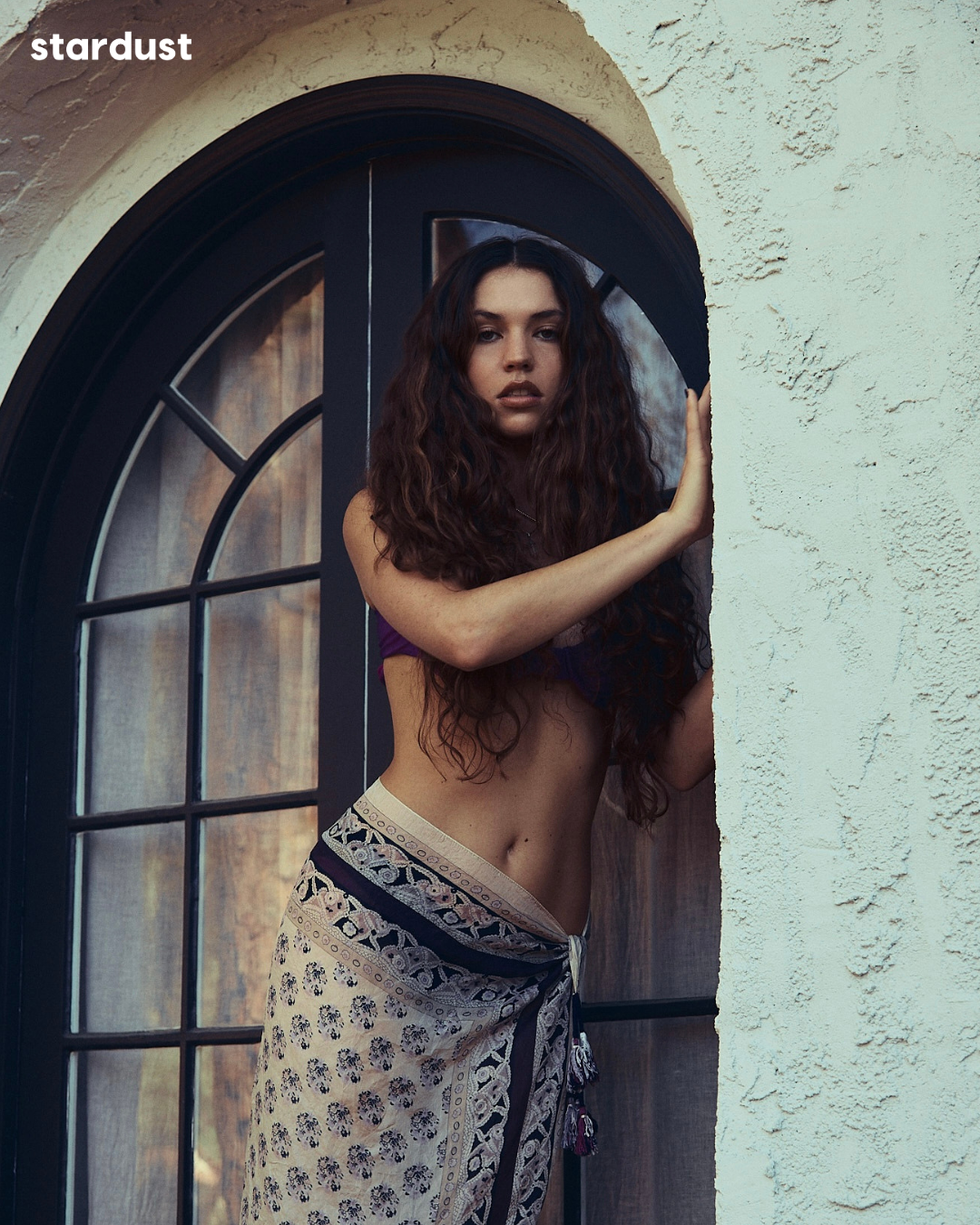
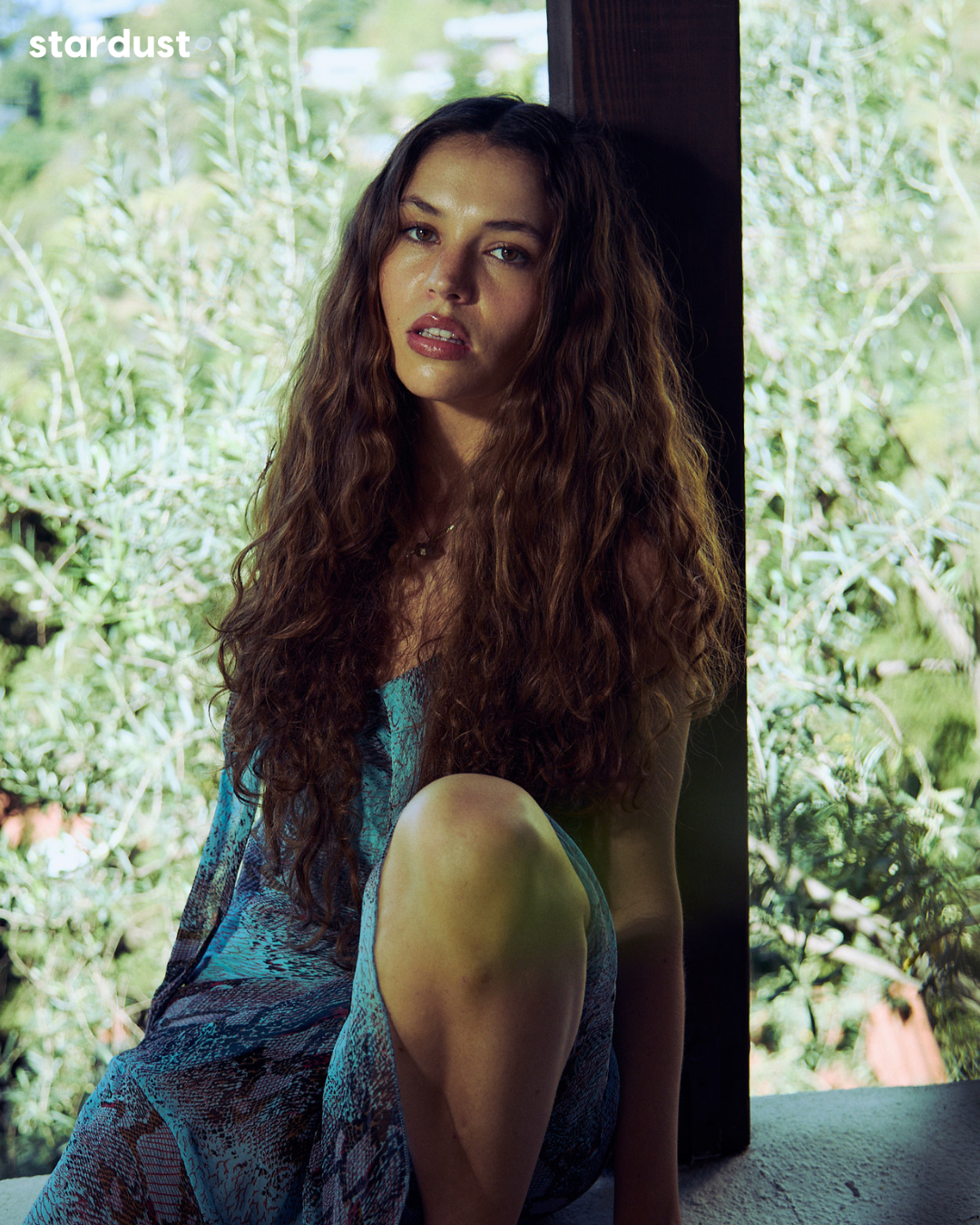
Raised in Albany on the southern coast of Western Australia, Charlotte MacInnes trained for five years at the Western Australian Academy of Performing Arts before making the move to Sydney. That foundation has carried the actor and vocalist across contemporary drama, musical theatre, and literary worlds, with credits including The Deb, Netflix’s North Shore, and Florence Welch’s stage adaptation of The Great Gatsby, where she took on the role of Daisy Buchanan. And for much of that journey, MacInnes has given voice to characters shaped by someone else’s words.
That performance background still shapes her debut EP HIGHWATER, even as MacInnes turns toward experiences drawn from her own life. Across its alternative-pop soundscape, her intimate lyricism and powerful vocal presence give uncertainty, grief, and self-reckoning a force that feels immediate while preserving the project’s atmospheric pull.
Those tensions sit at the heart of HIGHWATER, which considers the versions of ourselves we eventually leave behind and the disorienting experience of being seen differently by someone close to us. “Beast” moves through that territory most directly, tracing the loss of a softer, more innocent self as affection begins to curdle into judgment.
Now, MacInnes is reflecting on the making of HIGHWATER, finding the emotional center of “Beast,” and the process of defining a voice that is fully her own.
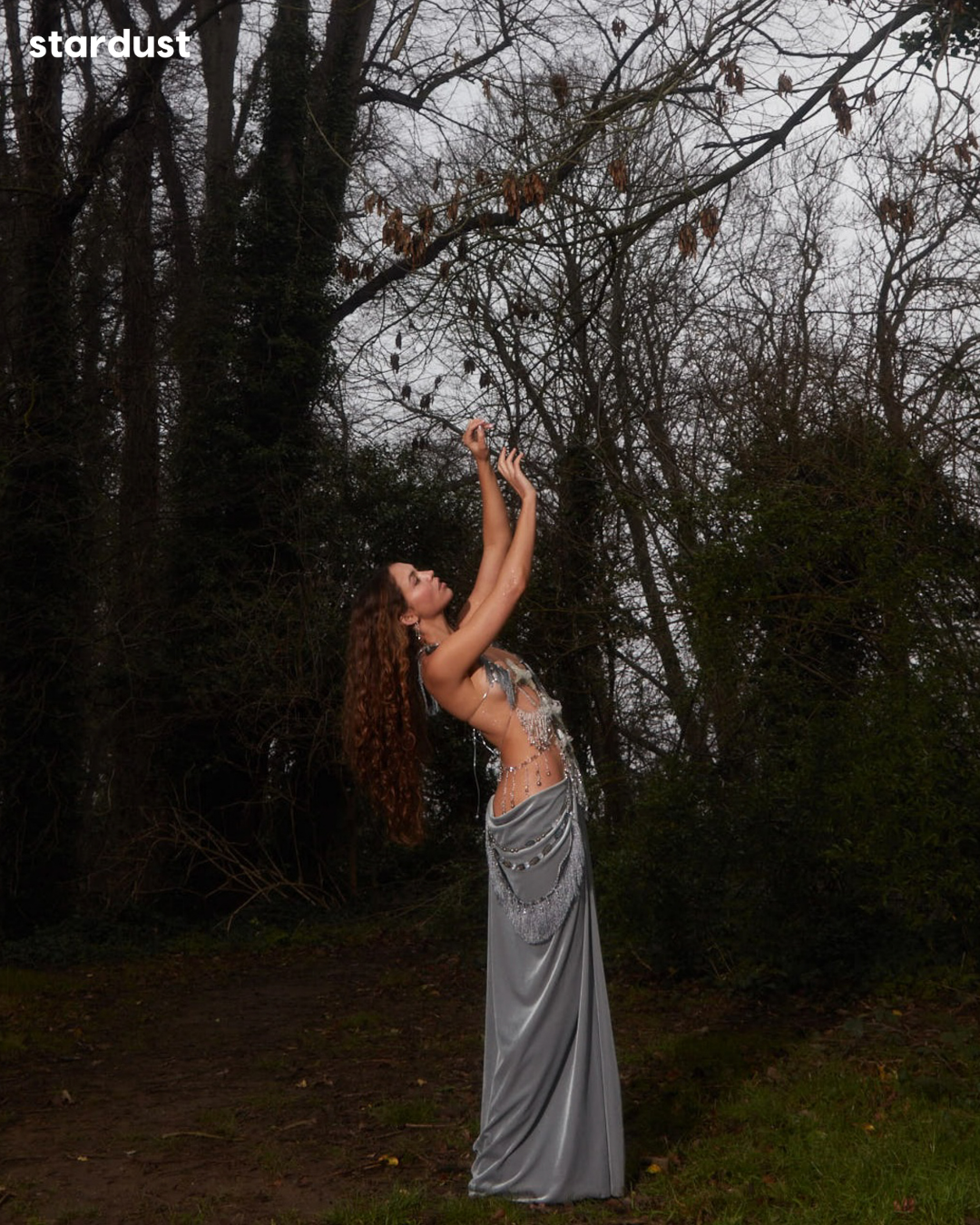
HIGHWATER marks your first full introduction as an artist. What did you want this EP to reveal about you that audiences may not have encountered through your acting work?
Charlotte MacInnes: I love being able to be different people at different times, whether that’s through a character or just in chapters of my own life. But this music feels like a purer essence of myself that I am excited to step into completely.
The title HIGHWATER carries a sense of pressure and overflow. What made it the right name for this collection of songs?
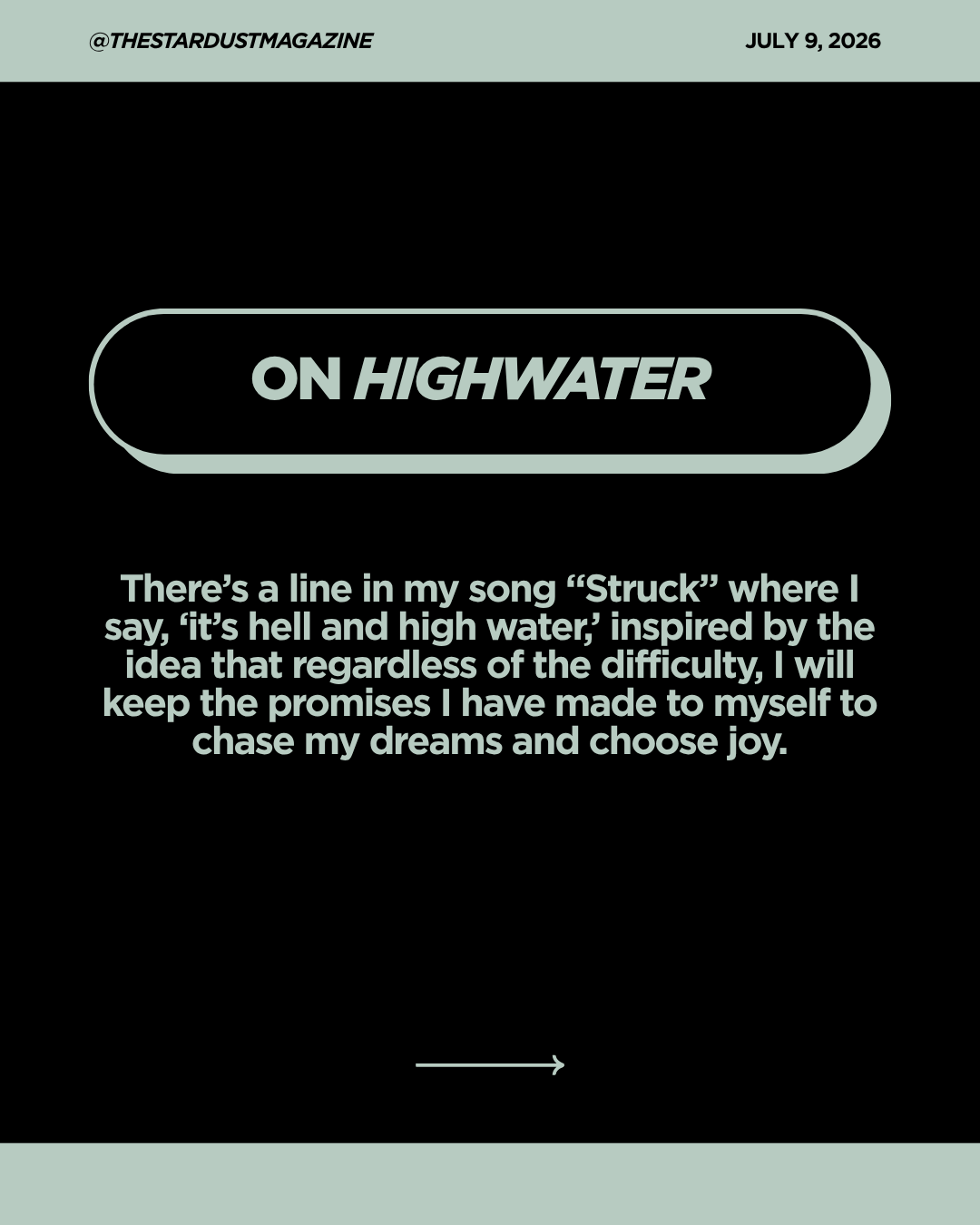
Charlotte MacInnes: There’s a line in my song “Struck” where I say, “it’s hell and high water,” inspired by the idea that regardless of the difficulty, I will keep the promises I have made to myself to chase my dreams and choose joy. I also loved the visual implication of the word highwater and the drama it gave immediately [laughs].
You’ve shared that “Beast” explores the loss of an earlier version of yourself. When did you begin recognizing that experience as something you wanted to turn into a song?
Charlotte MacInnes: Ultimately, the day it was written, but I think the feeling had been bubbling away silently for a while, the grief of realizing I wasn’t that pure, simple version of myself anymore. I had a visual for this song of me staring into a lake and seeing that old version and possibly drowning to reach her and become her again.
The song also examines how another person’s perception can begin to change the way you see yourself. How did you write about that feeling without allowing their version of you to control the story?
Charlotte MacInnes: In the bridge, I say “got your hand on my face pull me up unafraid to the surface / got your teeth in my back but I don’t feel attacked, I feel purpose,” I felt as though that line was the reclamation of power after seeing a side of myself I hated through someone else’s eyes.
Love and hate sit frighteningly close together within “Beast.” What interested you about exploring the point where one emotion can begin to resemble the other?
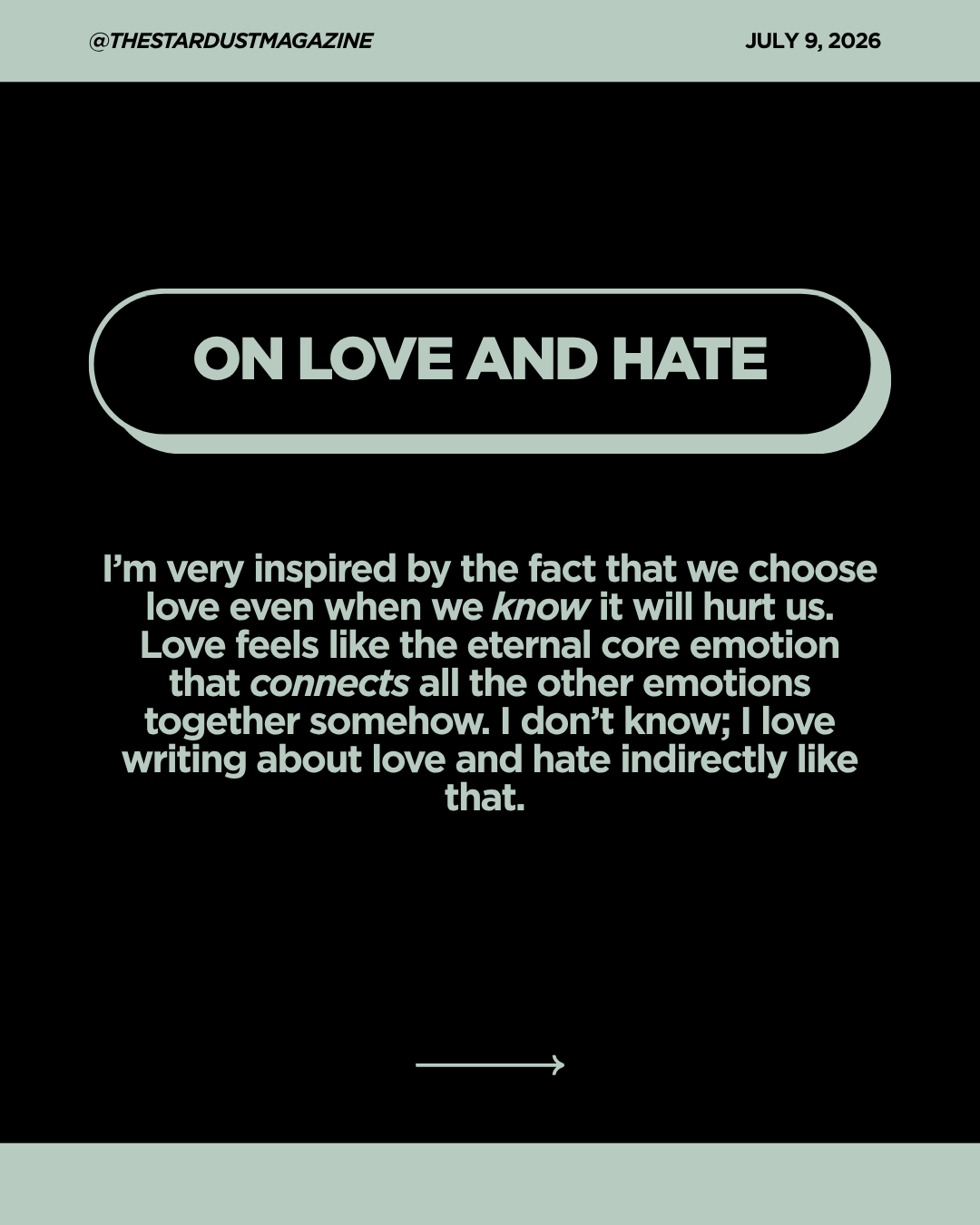
Charlotte MacInnes: I’m very inspired by the fact that we choose love even when we know it will hurt us. Love feels like the eternal core emotion that connects all the other emotions together somehow. I don’t know; I love writing about love/hate indirectly like that.
Your background spans acting, dance, musical theatre, and vocal performance. Which parts of that training became especially valuable as you developed your own identity as a musician?
Charlotte MacInnes: Music theatre songs have a duty to take the audience to a new place by the end of the song—with the idea being that the emotion becomes too great to simply say the words. Song allows for new layers to appear. I am very inspired by that as a concept, to not just write for the sake of it; write because you have something to say.
When listeners reach the end of HIGHWATER, what do you hope they understand about the period of change that shaped the EP?
Charlotte MacInnes: That big feelings and life-changing moments allow for a new, exciting view on the world. There’s a joyous, reckless power that I felt while putting these songs together, and I hope people feel that in some way.